© Ultima
© Ultima

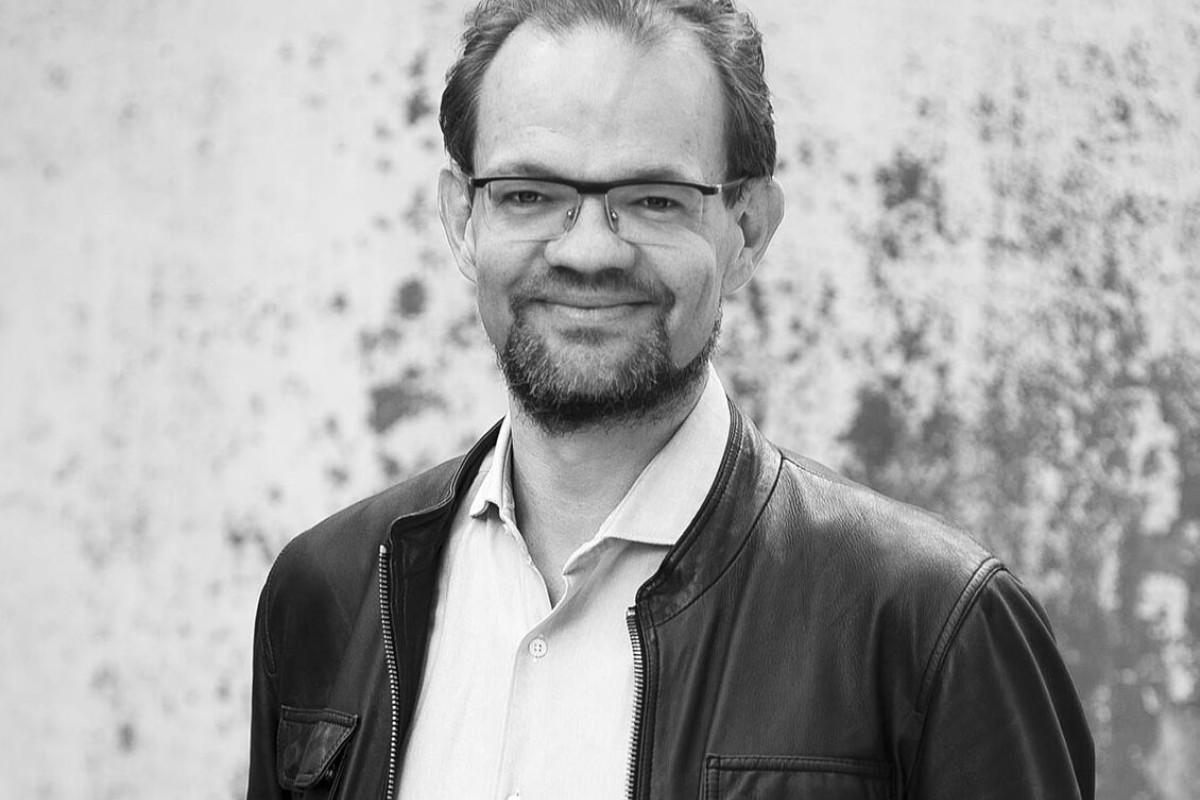
Thorbjørn Tønder Hansen has died. With Thorbjørn’s passing, the art music community has lost one of the Nordic region’s most significant producers, curators and cultural leaders.

For more than two decades, Thorbjørn worked at the intersection of contemporary music, sound art, festival management and Danish-Norwegian cultural cooperation. From 2000 to 2006, Thorbjørn was manager of the Norwegian Cikada Ensemble. In 2009, he became director of Art Music Denmark (then Snyk), a position he held until 2017, when he returned to the Norwegian cultural scene as director of the Ultima Festival. In the final years of his life, Thorbjørn served as a board member of the Foundation for Danish-Norwegian Cooperation.

Thorbjørn was a well-liked and visionary cultural leader who left an indelible mark on the music scene. I, like many other Danish artists, probably remember Thorbjørn best for his inspiring and courageous projects, such as the G((o))ng Tomorrow Festival (formerly Wundergrund). Thorbjørn was never afraid to give young and emerging artists a chance to perform, and I do not think it is an exaggeration to say that, for this reason alone, Thorbjørn had an impact on an entire generation of Danish artists.

I was still a young composition student when I first met Thorbjørn. It must have been around 2008. At the time, Thorbjørn was a project manager at Art Music Denmark, which was in the midst of developing G((o))ng Tomorrow. A festival that mixed genres and crossed artistic communities, Thorbjørn explained – a radical concept in Denmark at the time. The next thing I knew, I was standing on the G((o))ng stage at Råhuset with a group of wild young artists – musicians and composers, from both classical and rhythmic traditions, with vastly different artistic expressions and working methods. The concert that followed was hardly an artistic revelation, but the conversations, friendships and nights at the bar with a group of artists I would otherwise never have encountered opened my eyes to an entirely new way of collaborating – both artistically and in terms of cultural production.

Over the years, Thorbjørn developed many international friendships with artists and institutions from near and far. Thorbjørn and G((o))ng Tomorrow introduced countless exciting artists to Denmark while also opening new doors abroad for Danish artists. For many years, Thorbjørn was almost synonymous with Danish art music abroad and an exceptionally important link between artists, venues and festivals.

This is how I believe many people remember Thorbjørn: as an inspiring figure with forward-looking ideas, curious and courageous, and with a strong understanding of the value of international musical exchange.

The Danish music scene would not be the same without Thorbjørn. The same can be said of Art Music Denmark. Our small genre organisation has changed considerably since Thorbjørn was its director. Nevertheless, I am proud of the organisation I myself took over, and where the fundamental values from that time are still very much alive. An organisation that works to create new opportunities for artists. An organisation with a strong international network and a focus on international musical exchange. I do not believe this would have been possible without Thorbjørn’s immense and tireless groundwork.

Thorbjørn Tønder Hansen has died. He will be deeply missed, not only by artists and the cultural community across the Nordic region, but also by his many friends and collaborators around the world. Thorbjørn created connections, ideas and visions that continue to shape today’s cultural landscape. I have no doubt that his impact on the cultural life of the Nordic region will live on.

My warmest thoughts go out to Thorbjørn’s family and loved ones at this difficult time.

May Thorbjørn’s memory be honoured.

Regin Petersen
Director, Art Music Denmark

© PR

»Music is the best way to discover myself and understand the world around me.«

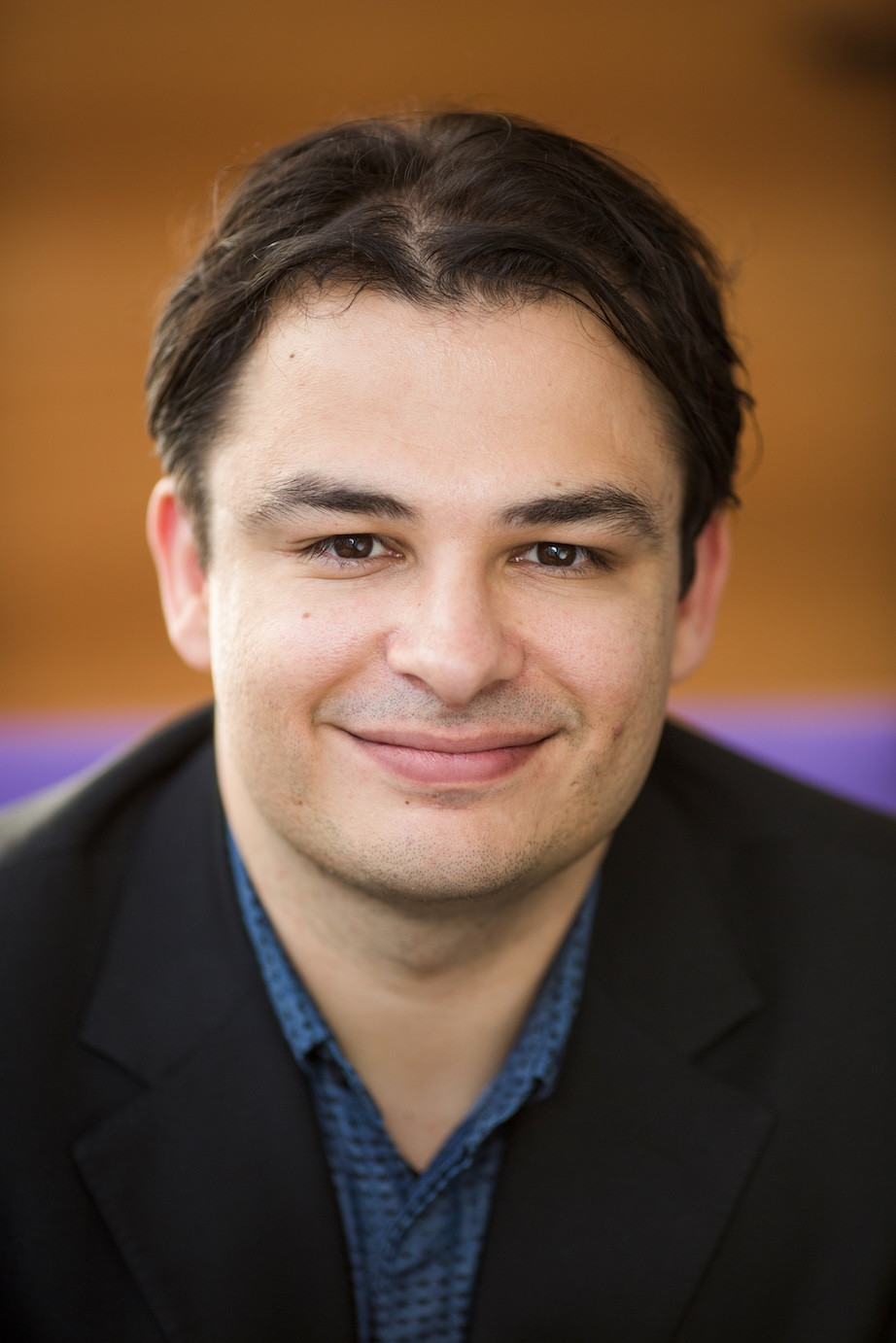
Luca Quintavalle is a harpsichordist, fortepianist and conductor. He has performed with ensembles including Concerto Köln, Harmonie Universelle, the Mozarteum Orchestra Salzburg and the Kölner Kammerorchester at venues and festivals such as the Kölner Philharmonie, Salzburg Festival and Enescu Festival. He was harpsichordist of Les Musiciens du Prince, led by Cecilia Bartoli, for over five years, and has conducted ensembles including the Orchestra and Chorus of Teatro dell’Opera di Roma, Concerto Köln and Deutsche Kammerakademie Neuss. His recordings include Mirrors, released by Berlin Classics and awarded an OPUS KLASSIK.

in brieflive
21.09

The Trombone Finds Its Quiet Side

Francisco Coll: »Tapias«
© PR
© PR

At 19, the Spanish composer (and trombonist) Francisco Coll wrote a wild-child of a trombone concerto that pushed the instrument out of its comfort zone. 22 years later he has created a new piece from some of that material. Its priorities are the opposite.

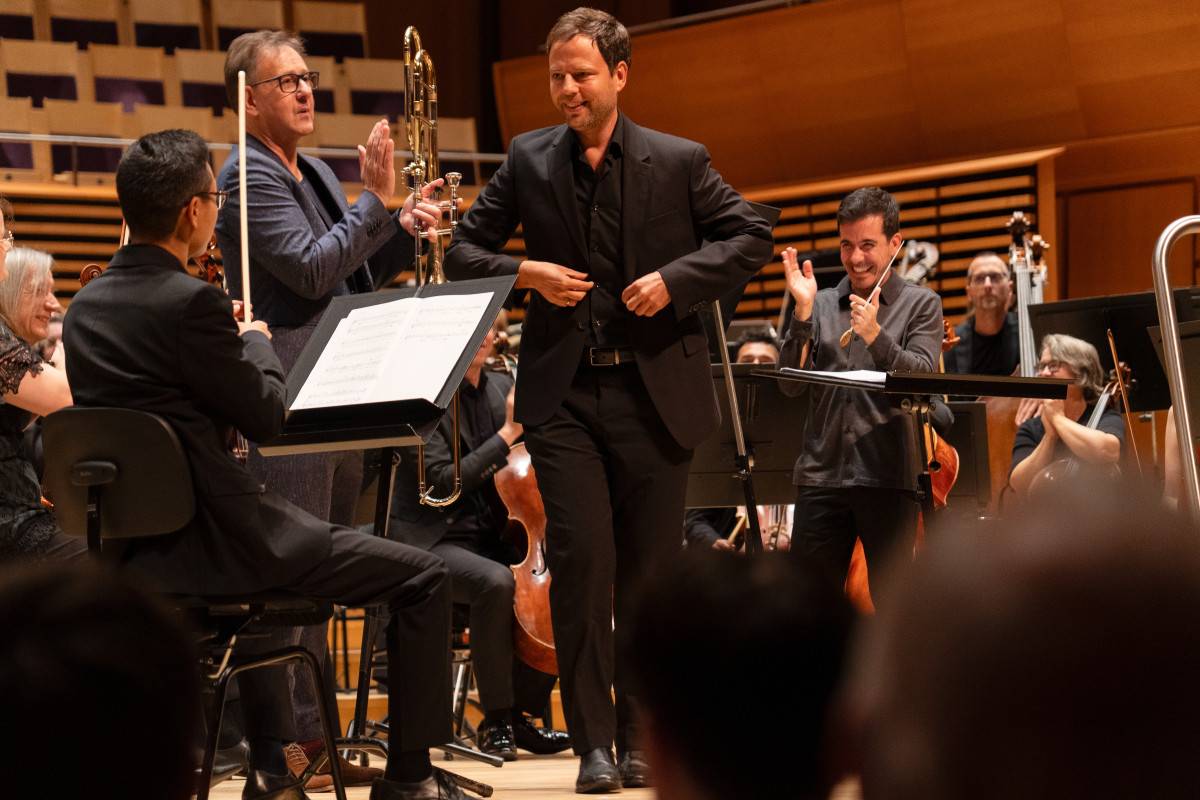
Tapias embraces the lyrical, ethereal qualities of the trombone. It is not a concerto, insists Coll. Perhaps it could be described as a set of frescoes for trombone and orchestra. Whatever the category, it’s a beguiling piece that was gorgeously birthed on Thursday by Ian Bousfield, conductor Nuno Coelho and a sumptuous-sounding Stavanger Symphony Orchestra.

Composers from Sibelius to Turnage have reacted against caricatures of the trombone as brusque and clowning by exploring its dark-hued lyricism. Coll does something more, setting his soloist’s introspective, intervallic melodies in evocative and provocative orchestral contexts. The soloist’s lines can resemble spray-canned tracings on walls already heavy with the patina of history, decoration and graffiti.

Initially the trombone appears to seek repose. The second movement draws it into more agility but the dancing is suppressed: a layered burying of all manner of rhythms from flamenco to Hiphop. Great wodges of rich harmony weigh the boogying down for good. 

The trombone does find peace in the final movement – its long, soulful melodies more yielding. But not before Coll has conjured up moments of huge harmonic strain and conscious orchestral magnificence. They sat well next to Coelho’s fierce performance of Shostakovich’s Symphony No 5 after the interval. But Bousfield’s heartfelt journey through Tapias, sounding entirely at one with the orchestra, will linger longest in the mind. 

© PR

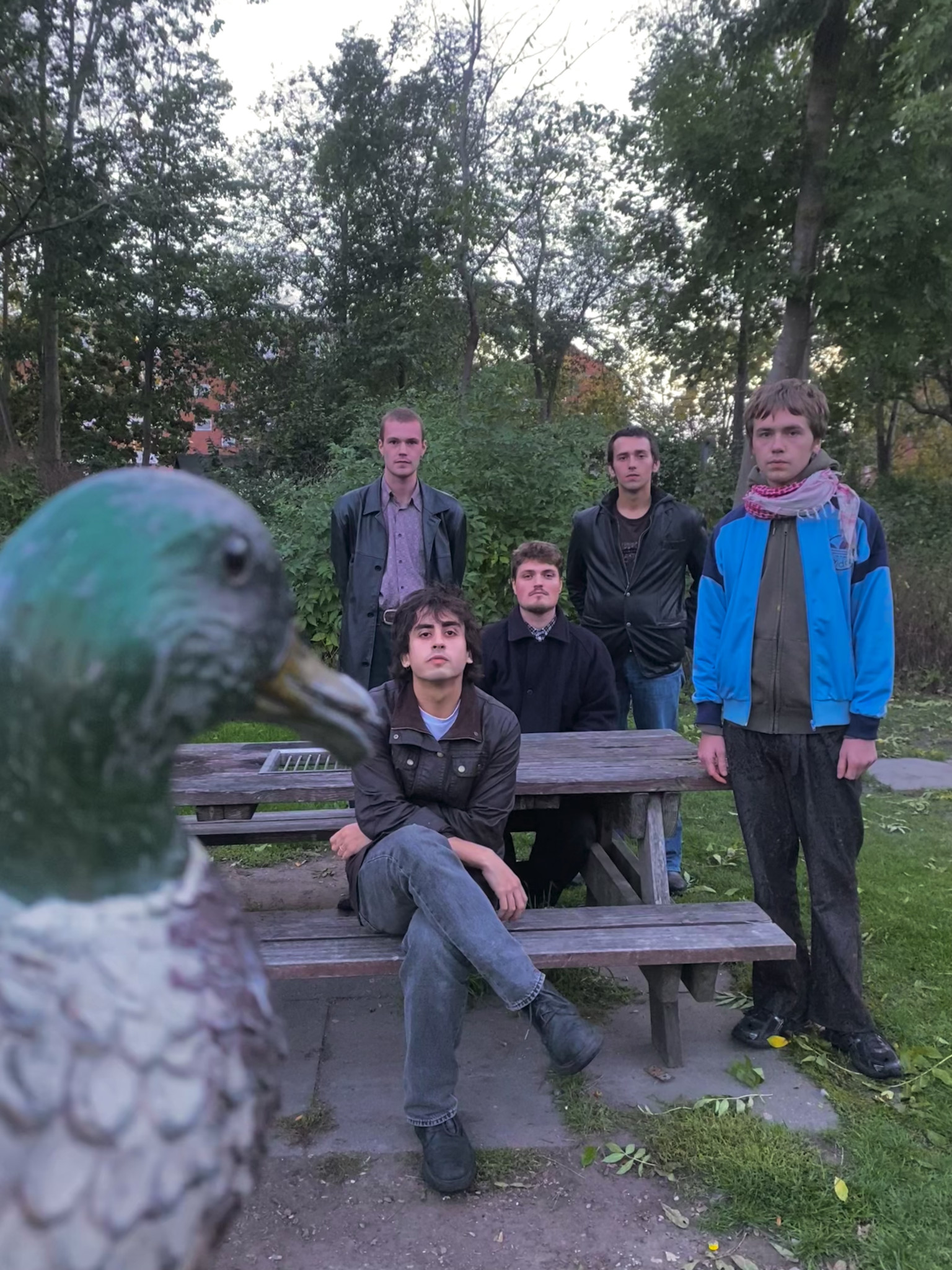
»For us, music is a transcendent force with transformative potential – something we get to experience and shape when we create sound together. It is an opportunity to describe one’s innermost universes without words, and the best way for an introvert to express intense emotions at full volume.« 

With roots in Copenhagen’s experimental jazz and punk scene, Echo, Bravo challenges the notion of what a rock band can sound like. The quintet blends post-punk, free punk, and noise rock into a raw and unpredictable soundscape. They describe the music themselves as a kind of »empty-the-fridge soup,« where various leftovers come together. »Best enjoyed as a hot meal in a cold industry.«


© PR

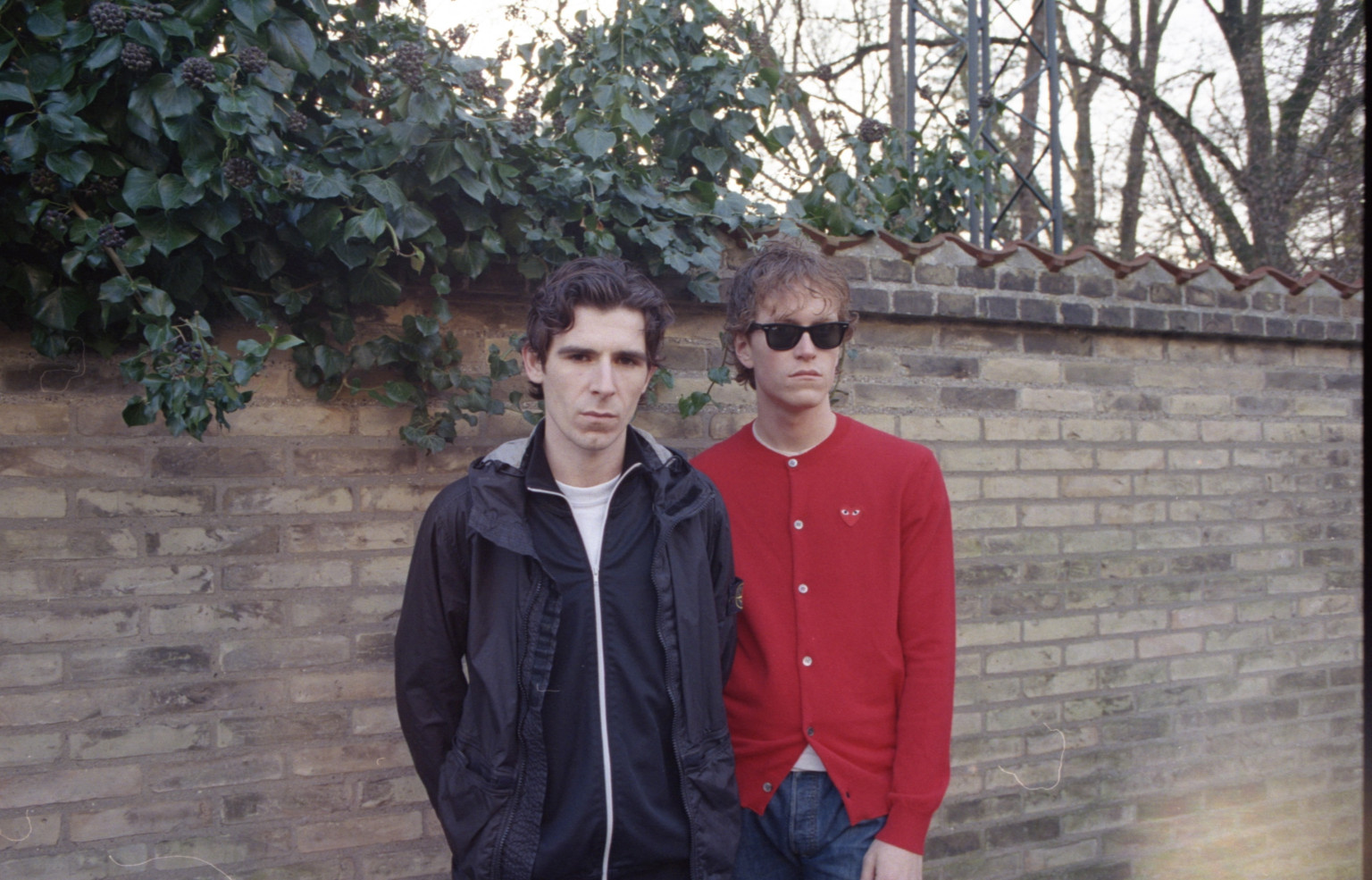
»For us, music is a passion, a livelihood, and a focal point for us and our best friends in the band.«

Barselona consists of Rud Aslak and Rasmus Theodor. The band was formed in 2016 after a year at Ollerup Musikefterskole and has since released five albums and two EPs, most recently the album *Tag Min Hånd, Så Slipper Vi*, which is set for release in September 2026.

© PR

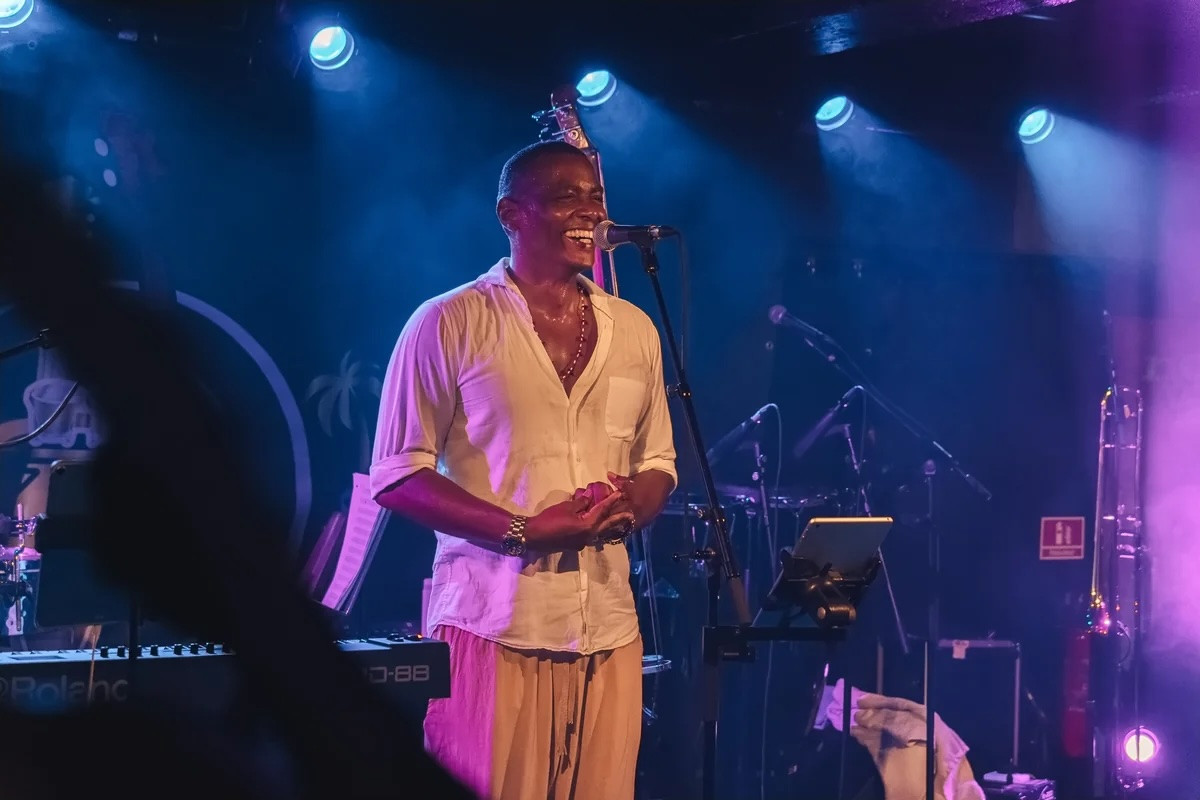
»To me, music is humanity, community, a smile, a conversation, a moment, an eternity«

Abel Alazo Rangel is the founder, curator, and producer of the Nova Concerts Series in Copenhagen. Nova began as a festival in 2003 and was relaunched as a concert series in 2023. Through Nova, he presents musicians and creates musical encounters that bridge the Cuban, Latin American, Danish, and international music scenes.