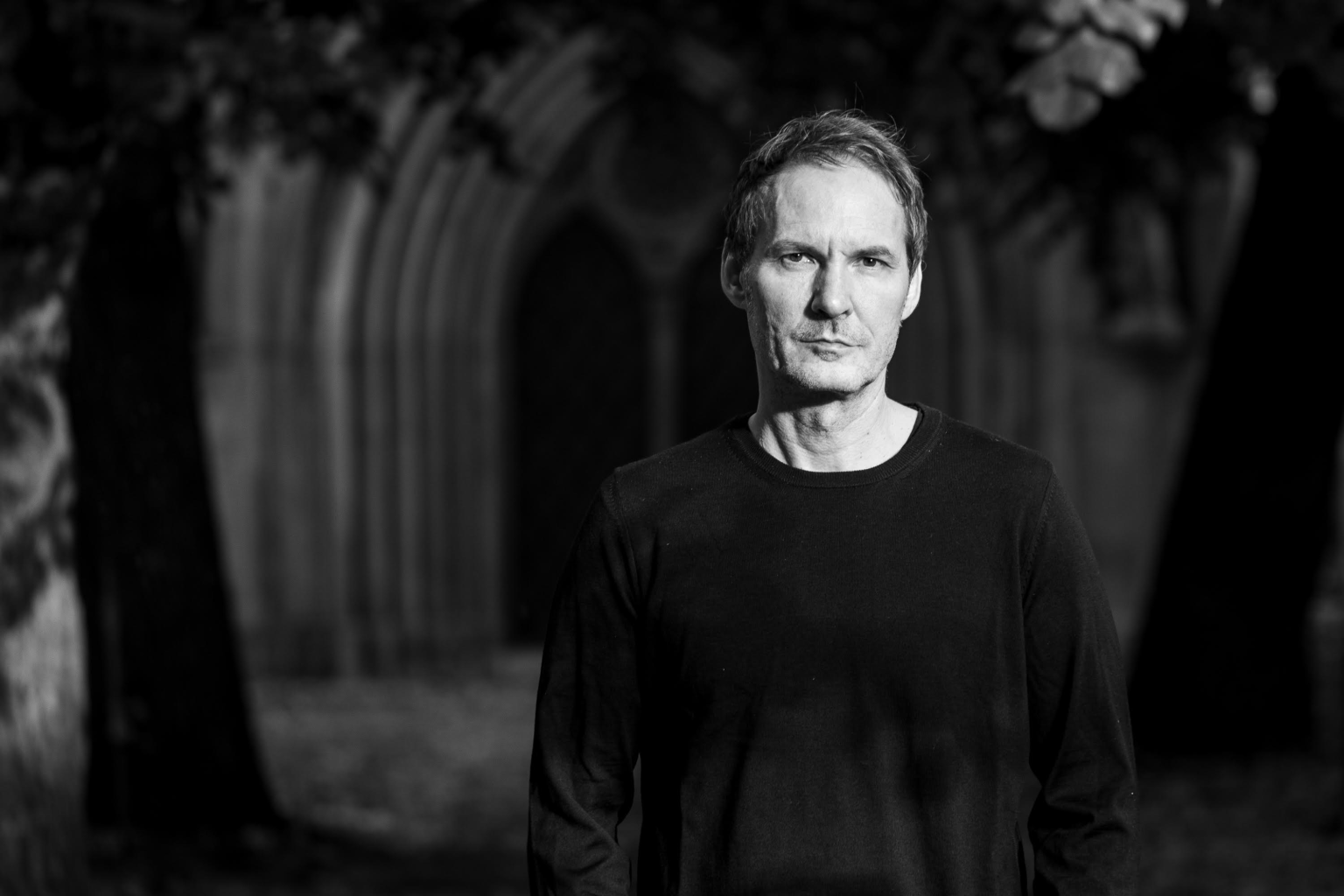
© Thor Brødreskift
© Thor Brødreskift
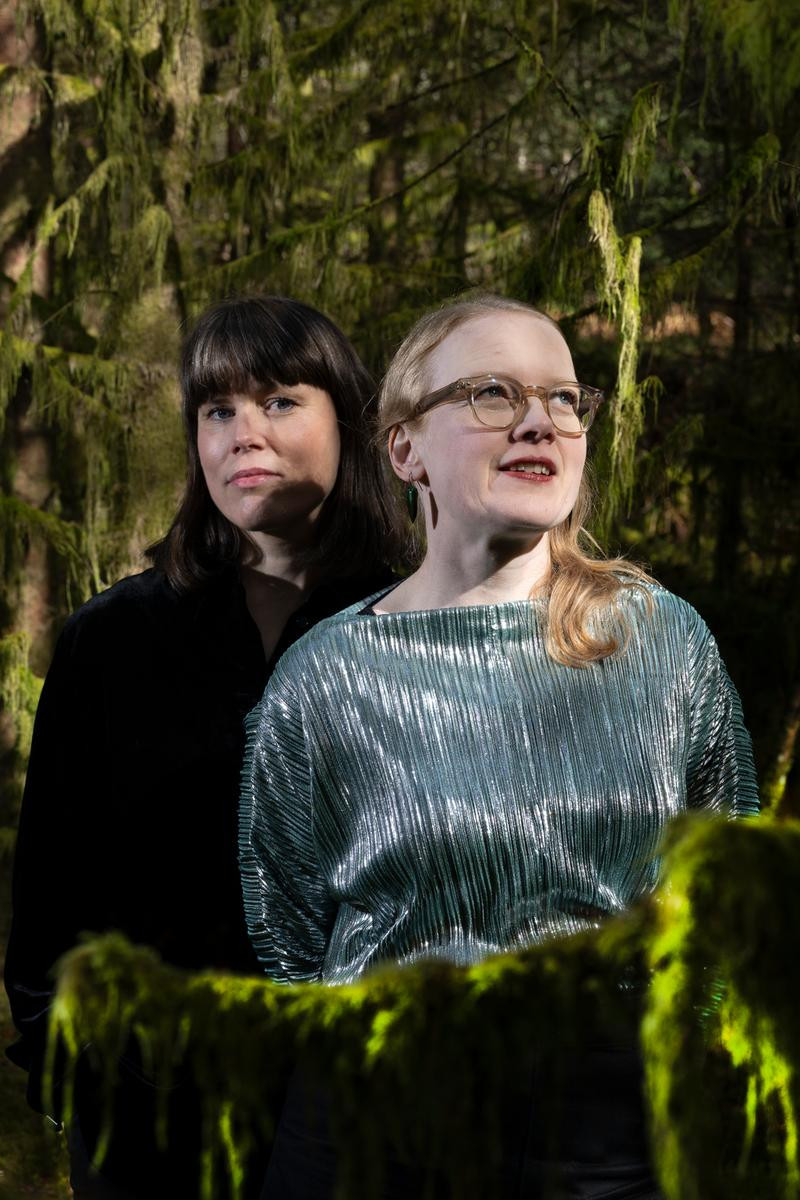
The 2026 Nordic Council Music Prize goes to Norwegian composers Kristine Tjøgersen and Benedicte Maurseth for Elja, a suite for the Kronos Quartet and Hardanger fiddle.
 
Rationale

Elja is an innovative and ambitious work that unites folk tradition, contemporary music, and a strong ecological perspective within a single, fully realised artistic vision. Drawing on the open landscapes of Hardangervidda, the composers create a rich and coherent sonic world in which birds, animals, weather, and vast distances emerge as musical movements and states of being. In it, nature appears not as a subject to be depicted, but as a fragile ecosystem in which everything is connected – and the music carries a quiet awareness of what is at risk of being lost.

The piece was written for a purpose-built family of instruments – Hardanger fiddles, Hardanger viola, and Hardanger cello, crafted by luthier Ottar Kåsa – with Maurseth as soloist. Their sympathetic strings, alternative tunings, and rich overtones open an immersive space in which the tonal heritage of the Hardanger fiddle tradition meets new musical landscapes. The meeting between Maurseth’s grounding in a living, oral tradition and Tjøgersen’s precise and exploratory approach to sound gives rise to a poetic, richly detailed, and sonically daring expression. 

Elja demonstrates how collaboration between different artistic practices can expand the possibilities of the instrument, the tradition, and contemporary music itself. Through its artistic originality, its profound engagement with nature, and its international impact, the work stands out as a significant contribution to the music of our time – a work that invites deep listening and reflection on humanity’s place within the wider ecological community. 

Commissioned by Kronos Quartet and Carnegie Hall, the work had its world premiere in New York in March 2025, marking an international breakthrough for two of the most distinctive voices in Norwegian music. 

Source: Nordic Co-operation

© PR

»Every moment is nothing but the uttermost end of the past. Music makes this edge wide and beautiful.«

Sven Helbig is a German composer and producer known for combining orchestral and choral music with electronic elements and a strong poetic sensibility. A self-taught musician raised in Eisenhüttenstadt, he released his debut album Pocket Symphonies on Deutsche Grammophon to critical acclaim for its emotional depth and formal precision. Helbig has collaborated with ensembles such as the BBC Singers, Fauré Quartett, and Staatskapelle Dresden, as well as with artists like Rammstein and the Pet Shop Boys. He just released REQUIEM A on Deutsche Grammophon. It is a deeply personal and reflective composition, intertwining classical Latin liturgical texts with new ones written by Helbig himself. The work revolves around themes of loss, memory, and the possibility of renewal – with the »A« in the title symbolizing Anfang (beginning) and the belief in a new start after devastation.

© PR

»A lot is projected onto music and making music – I'm careful, singing doesn't make you more intelligent and certainly doesn't make you a better person. It's like in sexuality. A lot of things go very consciously wrong for some people. Music like sex are means of communication, people come into contact and negotiate with each other and their instruments/tools and meet themselves in it. This is also the case when I listen to music – from every conceivable genre and context, even if I always notice that as a teenager I used to play a lot of jazz guitar.«

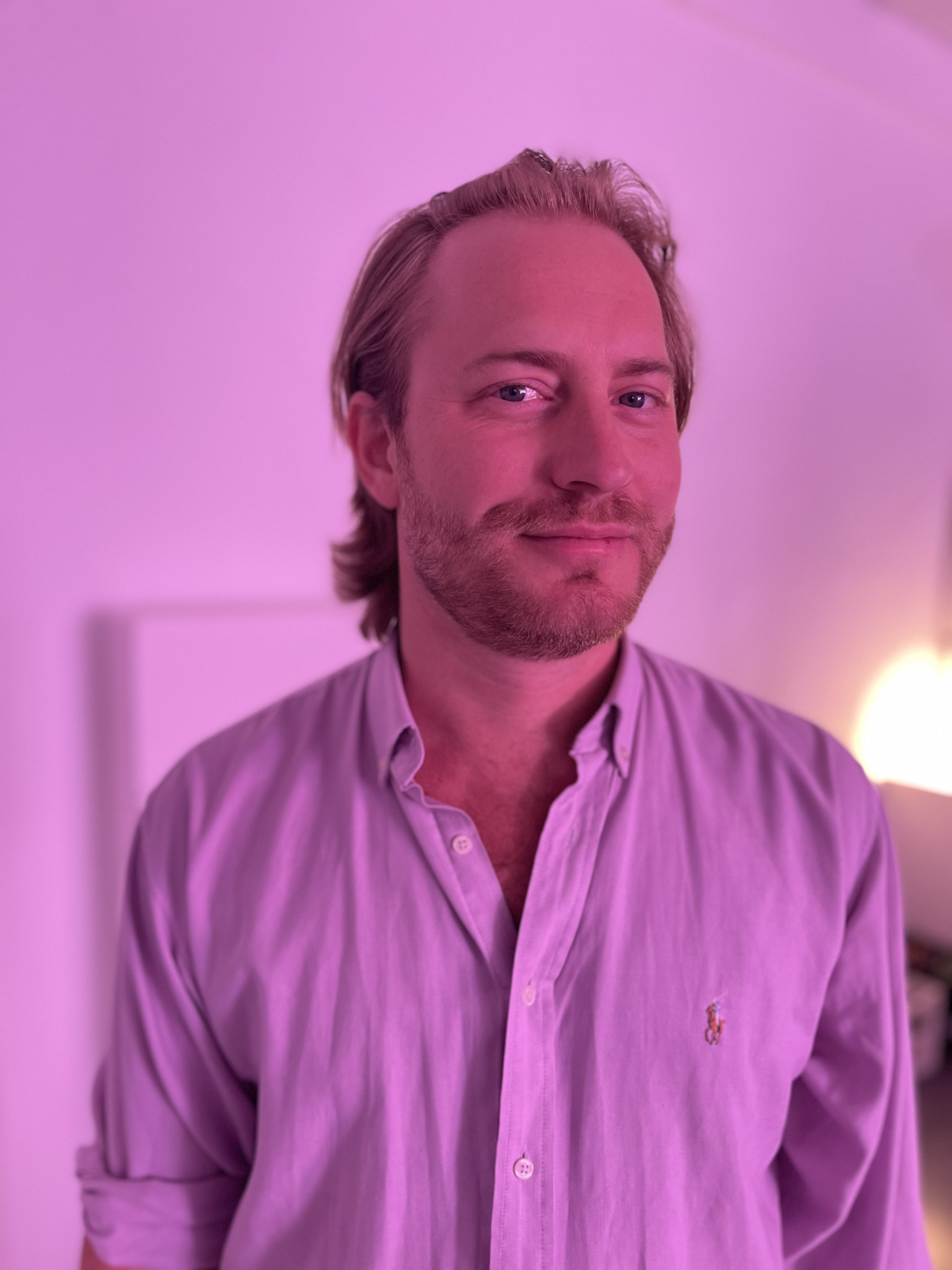
Bastian Zimmermann lives in Munich and works freelance in the areas of music and performance. As a dramaturge, he works with artists such as the soloist ensemble Kaleidoskop, Yael Ronen and Neo Hülcker. He is editor of the German speaking magazine Positionen – Texts on Current Music and curates projects such as »Music for Hotel Bars« and the festival Music Installations Nuremberg festival. His focus is on social aspects of making music, experimental music concepts and the questioning of bourgeois structures in contemporary music. In Spring 2025 he will take over the Wolke Verlag publishing house for books on music with Patrick Becker.

© PR

»Music to me is… my work. I've landed in the best job in the world, where a core task is to discover new music, to learn its internal logic and aesthetics, who created it, and why. I'm a music researcher and have just returned from the island of Java in Indonesia with my research partner and husband Nils, where we've been visiting experimental musicians in Yogyakarta – artists we've now followed for seven years.
One recurring theme is the trance/horse dance jathilan (or jaranan), which several of the artists have introduced us to. Jathilan is on one hand an old Javanese ritual, and on the other hand a contemporary (village) culture in full development. There is no single historically 'correct' jathilan. It's a practice that follows an old spiritual ritual, but is also open to current Indonesian influences.

The playlist consists of three tracks by Senyawa, Gabber Modus Operandi, and Raja Kirik, all of whom have incorporated the ritual into their music. The fourth track was supposed to be a 'traditional' jathilan, but as far as I know, no such recording exists on Spotify. Instead, I found a related jaranan piece that includes a dangdut song – an ultra-popular genre that is often performed as part of a jathilan event. The final track is one of the most popular dangdut songs at the moment.«

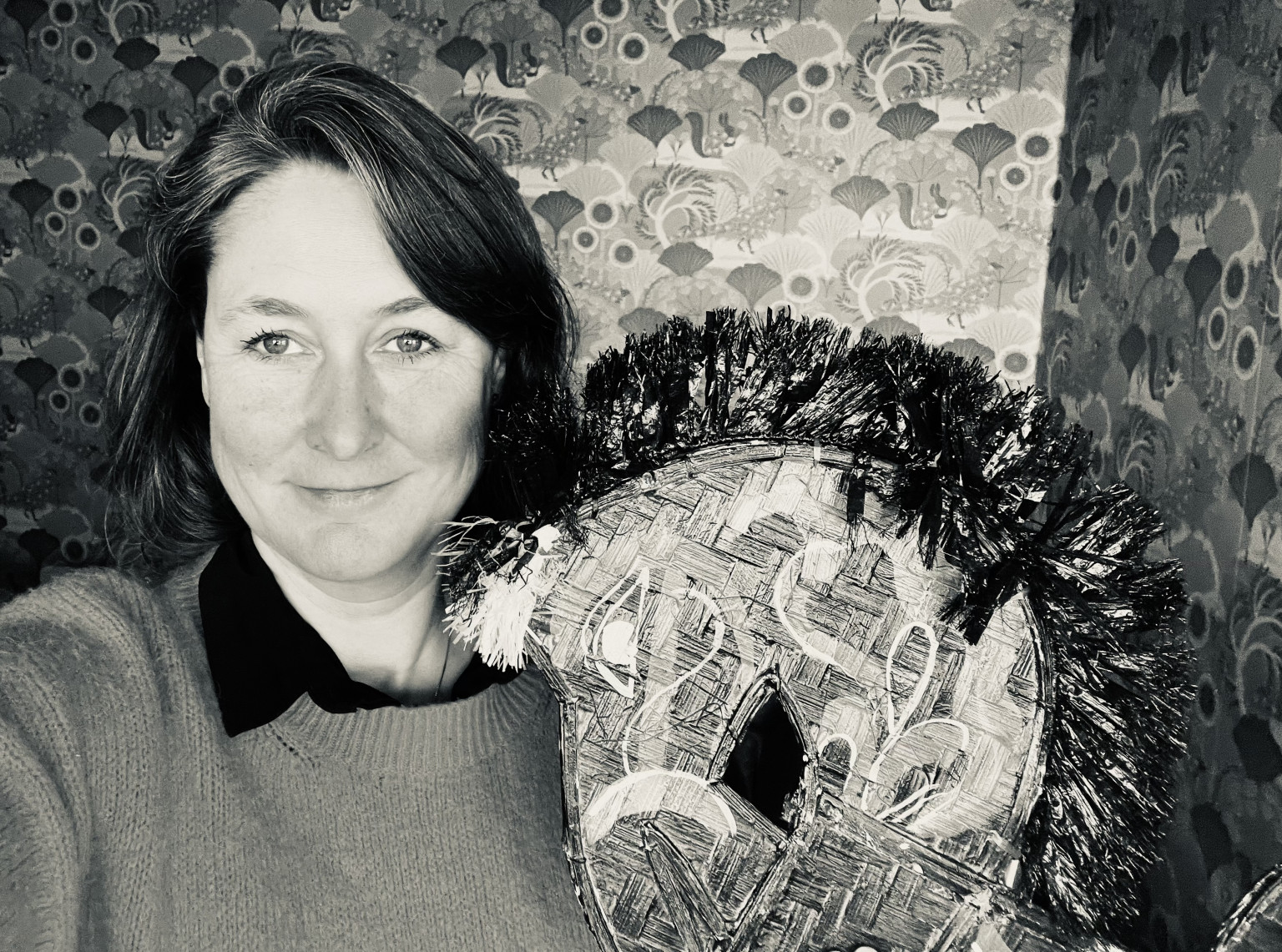
Sanne Krogh Groth is Associate Professor of Musicology at Lund University, Sweden, where she conducts research on electronic music and sound art, currently with a focus on Indonesia. Sanne was editor-in-chief of Seismograf from 2011–2019. In 2015, she established Seismograf Peer, which she is still the managing editor of.

© Henry Detweiler

»For me, music is work and a way to escape it. Music is the fanciest way of communication and therefore the most delicious food for analysis. It is what prolongs your feeling for longer than you can physically hold. Music is something after which you say: 'I’m glad you didn’t use words'. After all, it’s something that makes your commute or chores shorter, and this time-controlling function is the very first and foremost mystery I love about it.«

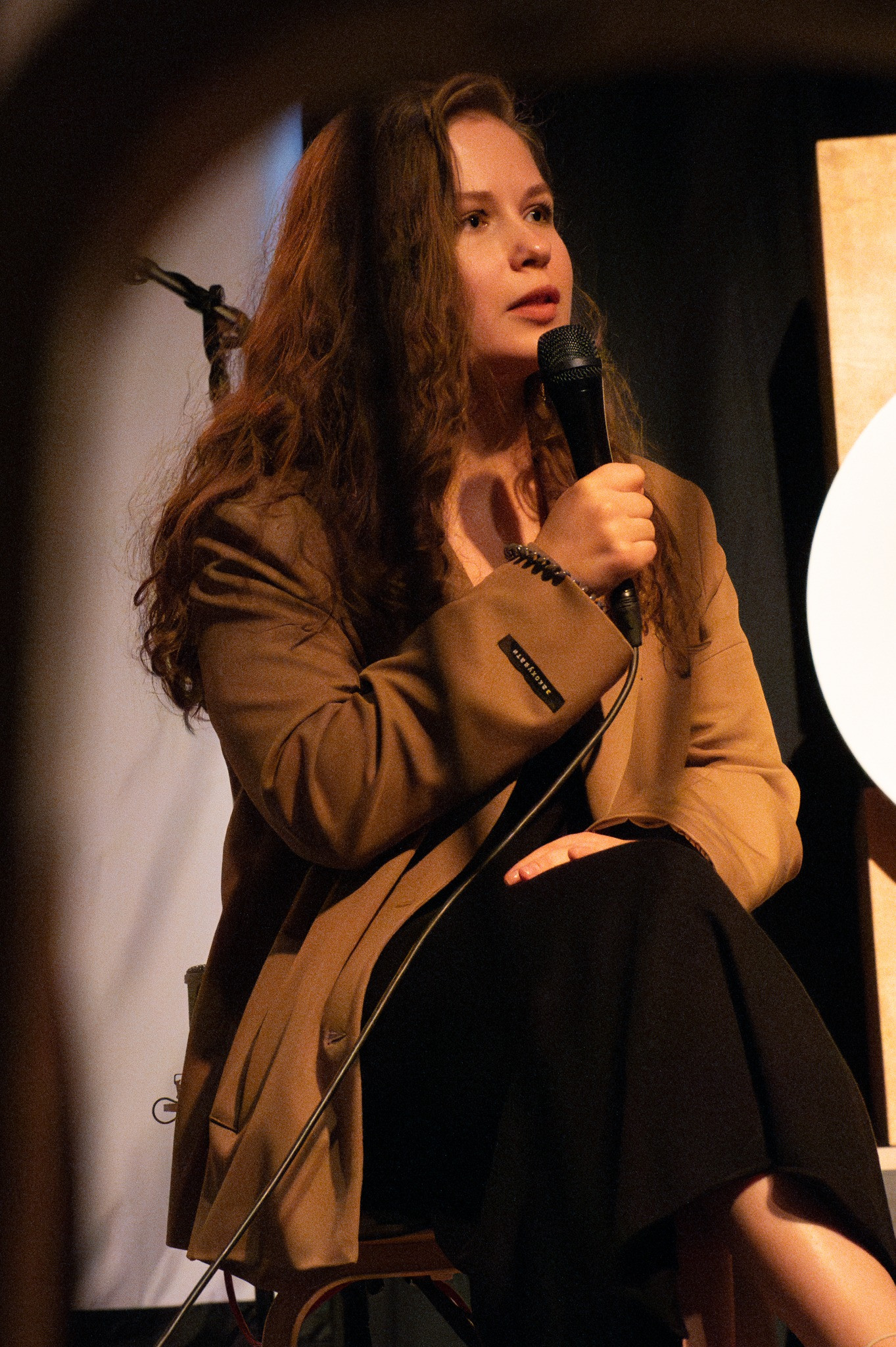
Liza Sirenko is a music theorist and music critic from Kharkiv, Ukraine. She is a co-founder and board member of the Ukrainian media about classical music The Claquers. She is a former Fulbright Visiting Scholar at the Graduate Center, CUNY (New York, USA), and a graduate of National Music Academy of Ukraine (Kyiv, Ukraine). Her current interests include processes in the classical music industry, contemporary opera in Ukraine, and a role of postcolonial moves in these. Liza is a former PR Director of the Kyiv Symphony Orchestra, currently working as a Program Officer at the Goethe-Institut Ukraine.