





in brief
26.11.2020

En stille triumf

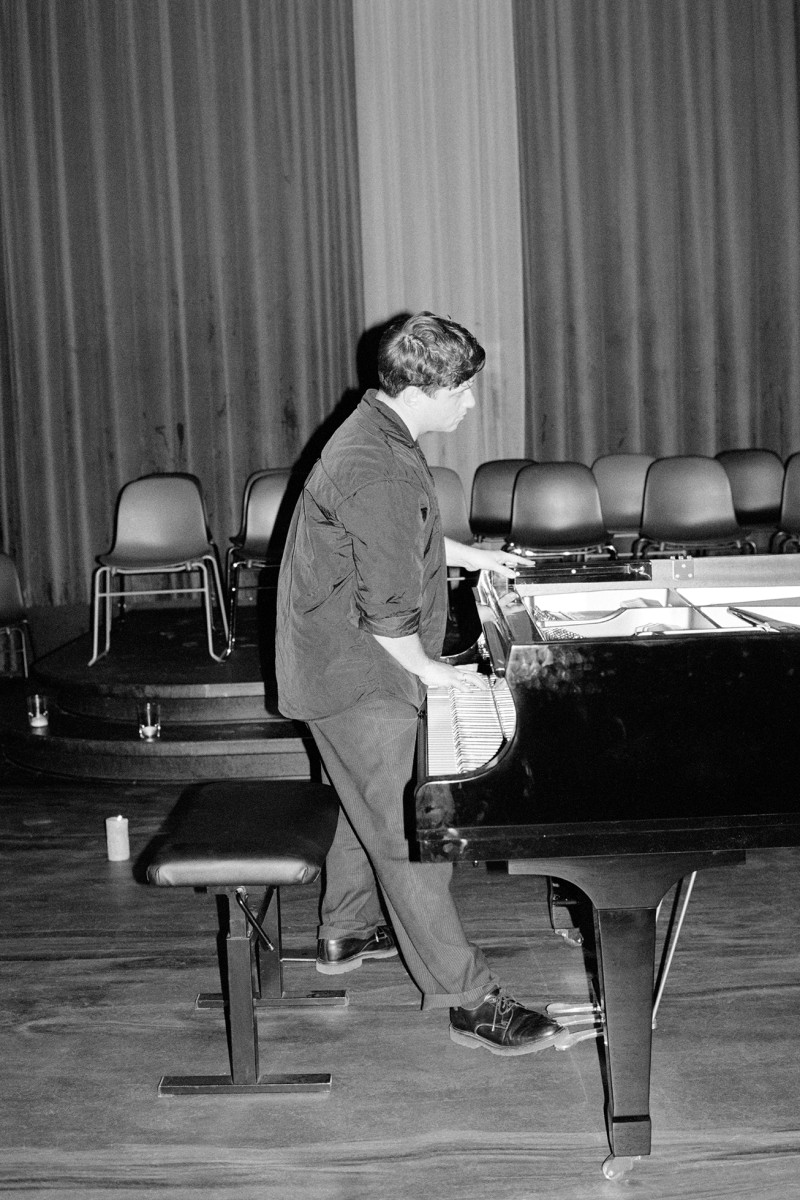
Mads Emil Dreyer: debutkoncert
Neko3. © Konsfoto
Neko3, som spillede ved Dreyers debutkoncert. © Konsfoto

Dreyer havde klangligt begrænset sit univers til sinustonen og dens umiddelbare naboer i instrumenter som vibrafon og lidt fjernere i harmonium, og universets visuelle side var – i form af glødepærer på stativer placeret med sirligt jævne mellemrum – tilsvarende afdæmpet.

Omend ukomplekst var det enormt virkningsfuldt at knytte en pære til en tone og således synliggøre lyden i lyset, hvad jeg flere steder oplevede ægte synæstetisk – særligt én pære så jeg som enormt ‘dissonant’.

I sidste værk, Bølger, blev det gule lys udskiftet med projektørlys på en storskærm, først så svagt, at det lignede krusninger på lærredet, og kort efter så hypnotiserende, at jeg ikke kiggede væk, før koncerten var forbi.

Med stoisk ro og fattet langsomhed kunne Dreyer bevæge sig fra simpel monofoni over konsonans til skarp dissonans, uden at man opdagede hvordan, men det var særligt det mesterligt afstemte forhold mellem hans auditive og visuelle udtryk, der gjorde, at hans debut også blev en triumf.

Bill Frisell. © Carole D'Inverno

»I like when it's impossible to tell at first if something is black or white, or country or blues, or whatever.«

Bill Frisell’s career as a guitarist and composer has spanned more than 40 years and many celebrated recordings. From Aaron Copeland and Charles Ives to Bob Dylan and Madonna. Born in Baltimore, Bill Frisell played clarinet throughout his childhood in Denver, Colorado. His interest in guitar began with his exposure to pop music on the radio.

© PR

»Music has been a healing balm for me.«

John William Grant is an American singer, musician, and songwriter holding both American and Icelandic citizenship. He first came to prominence as a co-founder, lead vocalist, pianist, and primary songwriter of the alternative rock band The Czars. After releasing six albums between 1994 and 2006, the band disbanded, and Grant withdrew from music for four years before embarking on a solo career.

He returned in April 2010 with a critically acclaimed debut album recorded in collaboration with Midlake. Queen of Denmark was named Album of the Year 2010 by Mojo magazine and was also selected as one of the ten best albums of 2010 by The Guardian’s music critics and writers.

© Malthe Folke Ivarsson

»In his music, composer Allan Gravgaard Madsen tries to create a better version of himself.« 

Allan Gravgaard Madsen is a Danish composer based in Copenhagen. His most recent works include Träume nicht and Nachtmusik. He tries to create a better version of himself in his music – where his personality tends to be restless, chatty and has an active inner life, his music is controlled, simple and merciless in its expression. He is the recipient of the Carl Nielsen & Anne Marie Carl-Nielsens Hæderspris 2022.

in briefrelease
23.01.2022

Finnish Space Travel

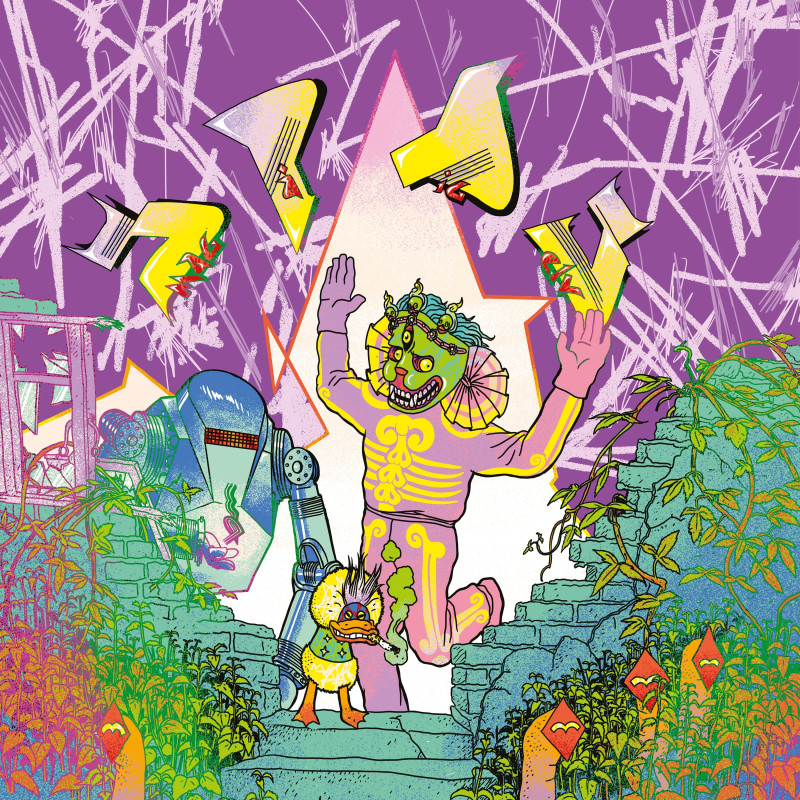
Tomutonttu: »Hoshi«
© Tomutonttu: »Hoshi«

The Finnish multimedia artist Jan Anderzén has, with the album Hoshi, released under the solo moniker Tomutonttu, created a true little star. Not only because »hoshi« literally means »star« in Japanese, but above all due to the music itself. There is something cosmic, yet infinitely minute, about the sonic worlds Anderzén conjures—like a galaxy reflected in a puddle, or a space journey in a rocket carved from a hollow tree trunk. Synths emit busy, warm blips and bloops, while ultra-short vocal and instrumental samples create a recognizable blur. At once artificial and organic – soft, rounded, jagged, crackling.

Anderzén approaches sound with a playfulness I simply adore. His music is strange in an incredibly comforting way. It places me in a kind of colorful, trance-like state, only interrupted when, several times over the course of the album, I find myself smiling in delight at a particularly great sound. The synths on »Katse osuu sähköön!« The choral samples on »Kesä oli äkkiä ohi!« Milo Linnovaara’s flute on »Malta lausua ‘AH’!« And many more. Hoshi is an album packed with microscopic moments that together form a frayed, exploding, radiant, idiosyncratic whole—a stellar moment of just under 38 minutes.