Andreas Borregaard
11






På den norske Borealis Festival præsenterer den danske akkordeonist Andreas Borregaard to meget forskellige videoværker (tilgængelige online til og med 18. april, red.). I det første, Philip Venables og Ted Huffmans My Favourite Piece Is the Goldberg Variations, fortæller Borregaard sin mors livshistorie, mens falmede hjemmevideoer flimrer i baggrunden og hans dramatiske akkordeonspil på én og samme tid modarbejder og understøtter fortællingen.
Det er akkordeonet, som får en banalitet som »I felt better with him around / he was always holding my hand« til at lyde som hårdt tjent livserfaring, og som fremhæver den knusende melankoli i børnesangen »Bjerget i skoven«. Med få, velvalgte virkemidler formidler Borregaard på smukkeste vis en fortælling om kærlighed og tab, om tosomhed og ensomhed. Det er en udsøgt sanseliggørelse af hverdagen.
Anderledes forholder det sig med det andet værk, Marcela Lucatelli og Kirstine Fogh Vindelevs Drift. Her spiller Borregaard skingre, skrattende lyde på sit akkordeon iført en gylden latexheldragt, gentager omkvædet fra Rod Stewarts »Sailing«, som var det et mantra, tilfører »Alle sømænd er glade for piger« en helt ny, homoerotisk tekst, laver fjollede grimasser iført paryk og læbestift og vandrer forvildet rundt i snevejr klædt ud som et kæmpe insekt.
Programteksten fortæller, at værket inddrager elementer fra Borregaards virkelige liv, hvilket forekommer mig usandsynligt, medmindre han er hovedpersonen i Kafkas Metamorfosen. Jeg er en stor beundrer af Lucatellis arbejde som vokalist, men må nok indrømme, at jeg ikke forstod Drift. Jeg sad tilbage med følelsen af, at værket forsøgte at sige noget om køn og seksualitet, men præcis hvad, blev aldrig tydeligt for mig. Omvendt er det måske en fejl at lede efter et budskab frem for blot at hengive sig til værkets arbsurdisme.
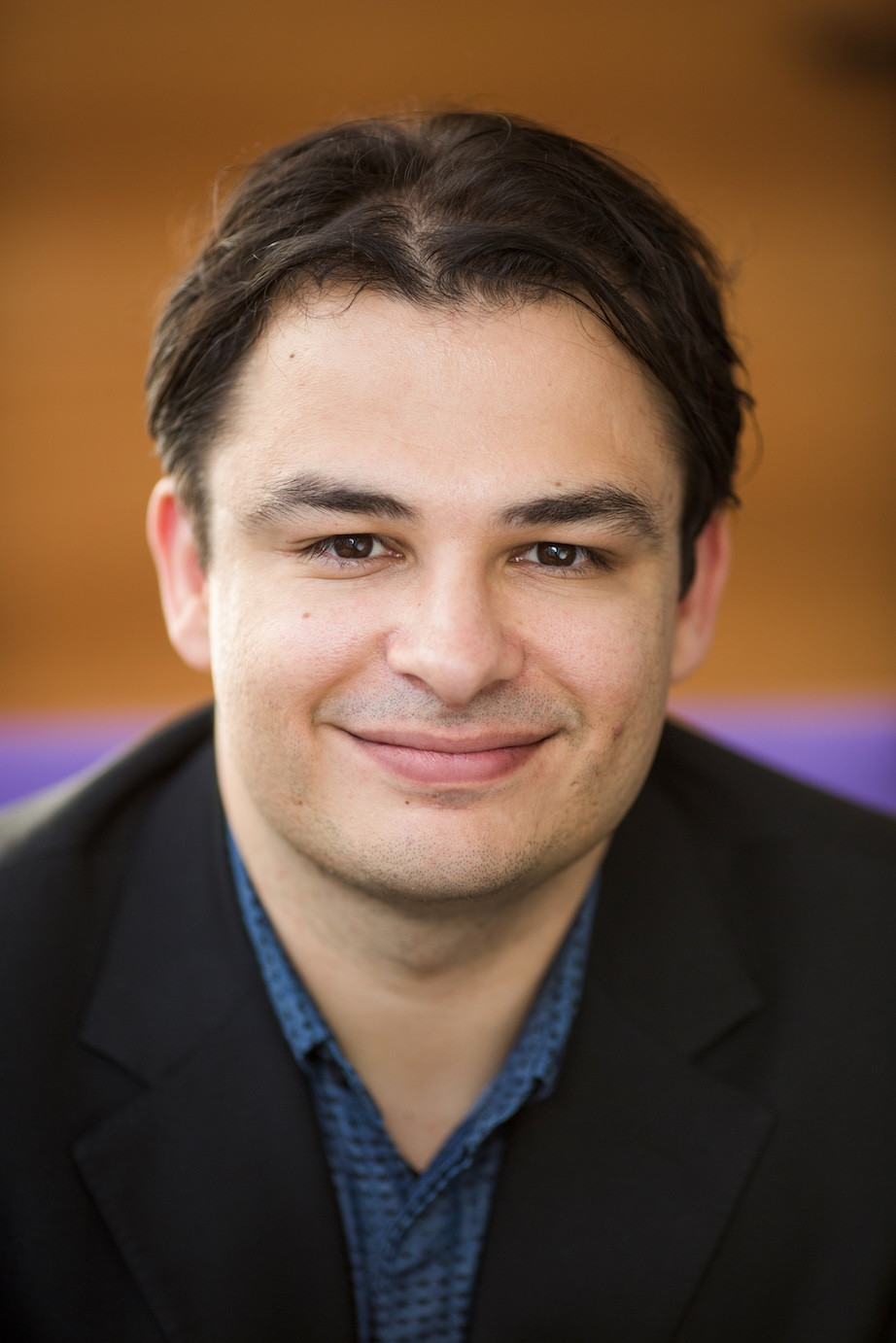
»Music is the best way to discover myself and understand the world around me.«
Luca Quintavalle is a harpsichordist, fortepianist and conductor. He has performed with ensembles including Concerto Köln, Harmonie Universelle, the Mozarteum Orchestra Salzburg and the Kölner Kammerorchester at venues and festivals such as the Kölner Philharmonie, Salzburg Festival and Enescu Festival. He was harpsichordist of Les Musiciens du Prince, led by Cecilia Bartoli, for over five years, and has conducted ensembles including the Orchestra and Chorus of Teatro dell’Opera di Roma, Concerto Köln and Deutsche Kammerakademie Neuss. His recordings include Mirrors, released by Berlin Classics and awarded an OPUS KLASSIK.
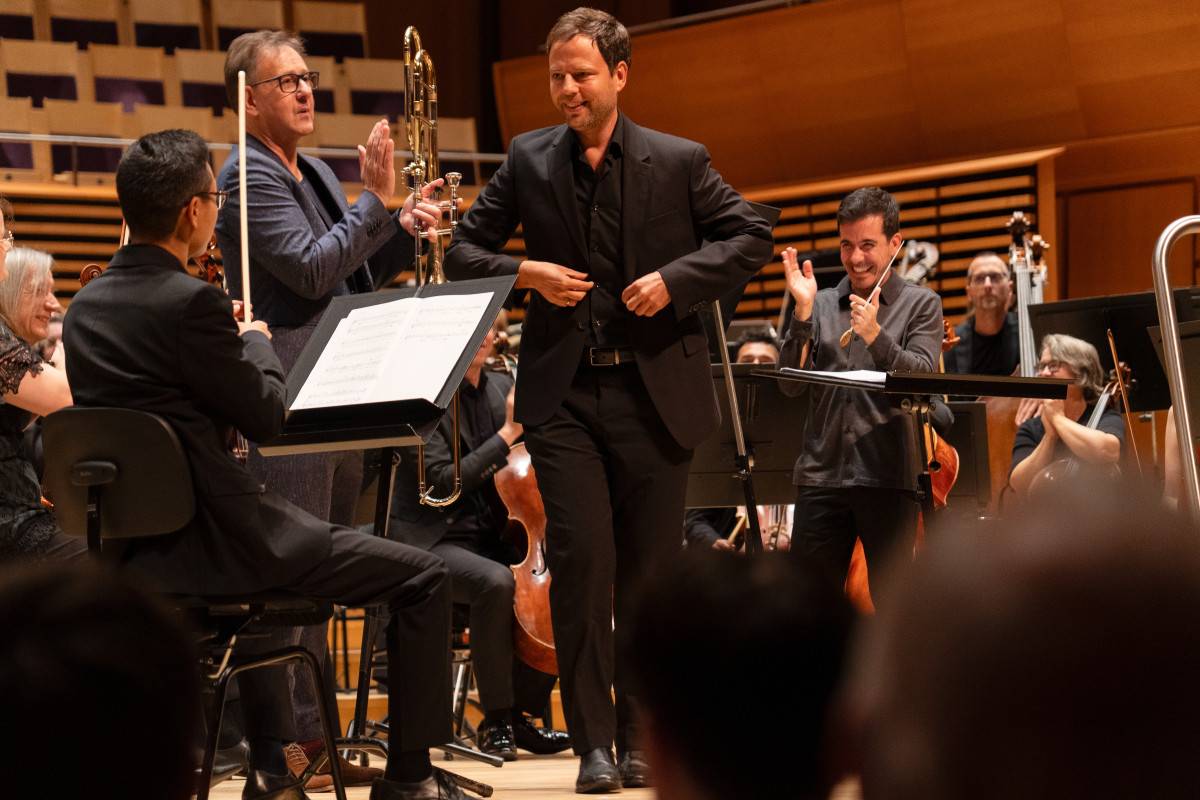
At 19, the Spanish composer (and trombonist) Francisco Coll wrote a wild-child of a trombone concerto that pushed the instrument out of its comfort zone. 22 years later he has created a new piece from some of that material. Its priorities are the opposite.
Tapias embraces the lyrical, ethereal qualities of the trombone. It is not a concerto, insists Coll. Perhaps it could be described as a set of frescoes for trombone and orchestra. Whatever the category, it’s a beguiling piece that was gorgeously birthed on Thursday by Ian Bousfield, conductor Nuno Coelho and a sumptuous-sounding Stavanger Symphony Orchestra.
Composers from Sibelius to Turnage have reacted against caricatures of the trombone as brusque and clowning by exploring its dark-hued lyricism. Coll does something more, setting his soloist’s introspective, intervallic melodies in evocative and provocative orchestral contexts. The soloist’s lines can resemble spray-canned tracings on walls already heavy with the patina of history, decoration and graffiti.
Initially the trombone appears to seek repose. The second movement draws it into more agility but the dancing is suppressed: a layered burying of all manner of rhythms from flamenco to Hiphop. Great wodges of rich harmony weigh the boogying down for good.
The trombone does find peace in the final movement – its long, soulful melodies more yielding. But not before Coll has conjured up moments of huge harmonic strain and conscious orchestral magnificence. They sat well next to Coelho’s fierce performance of Shostakovich’s Symphony No 5 after the interval. But Bousfield’s heartfelt journey through Tapias, sounding entirely at one with the orchestra, will linger longest in the mind.
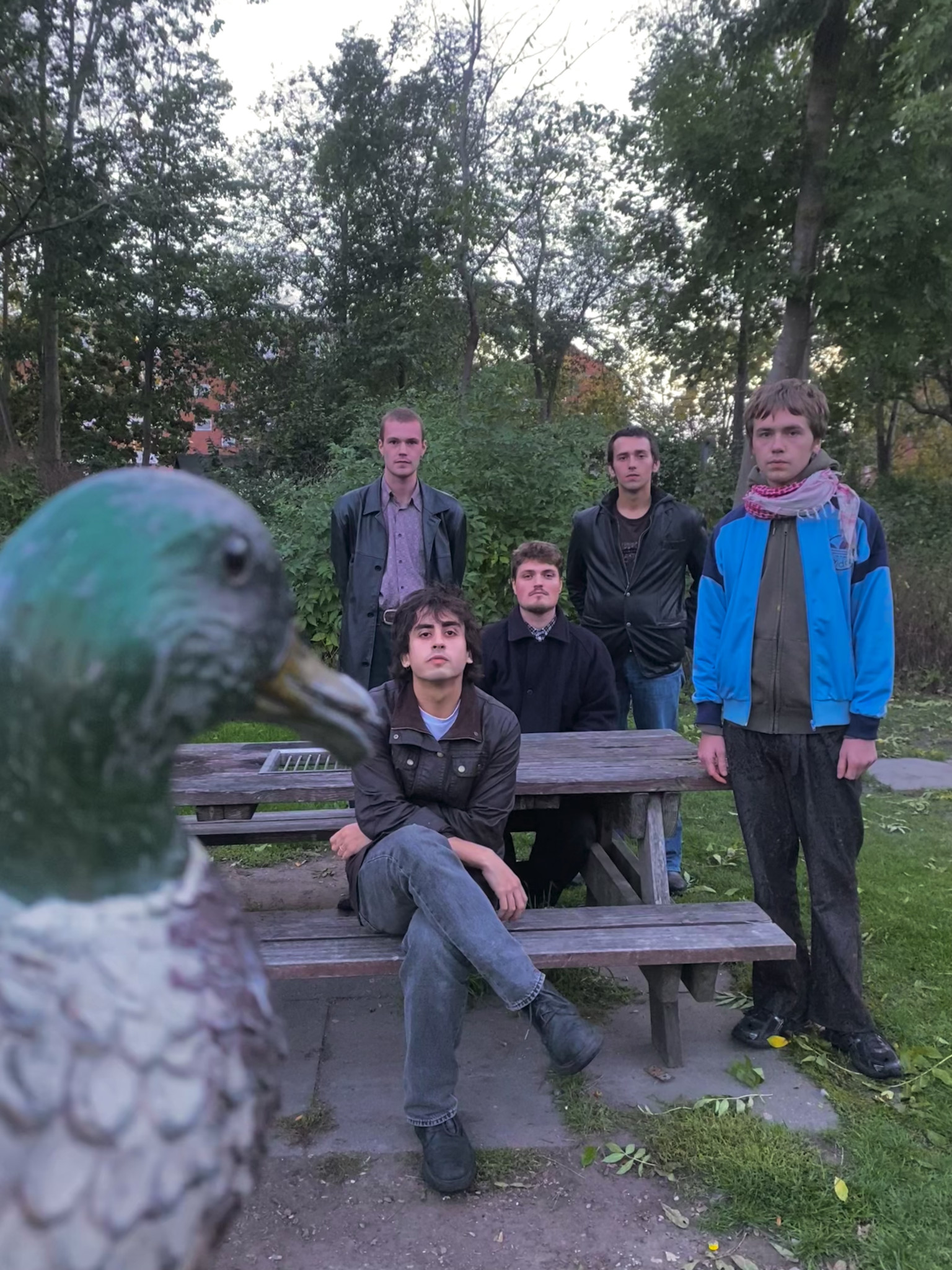
»For us, music is a transcendent force with transformative potential – something we get to experience and shape when we create sound together. It is an opportunity to describe one’s innermost universes without words, and the best way for an introvert to express intense emotions at full volume.«
With roots in Copenhagen’s experimental jazz and punk scene, Echo, Bravo challenges the notion of what a rock band can sound like. The quintet blends post-punk, free punk, and noise rock into a raw and unpredictable soundscape. They describe the music themselves as a kind of »empty-the-fridge soup,« where various leftovers come together. »Best enjoyed as a hot meal in a cold industry.«
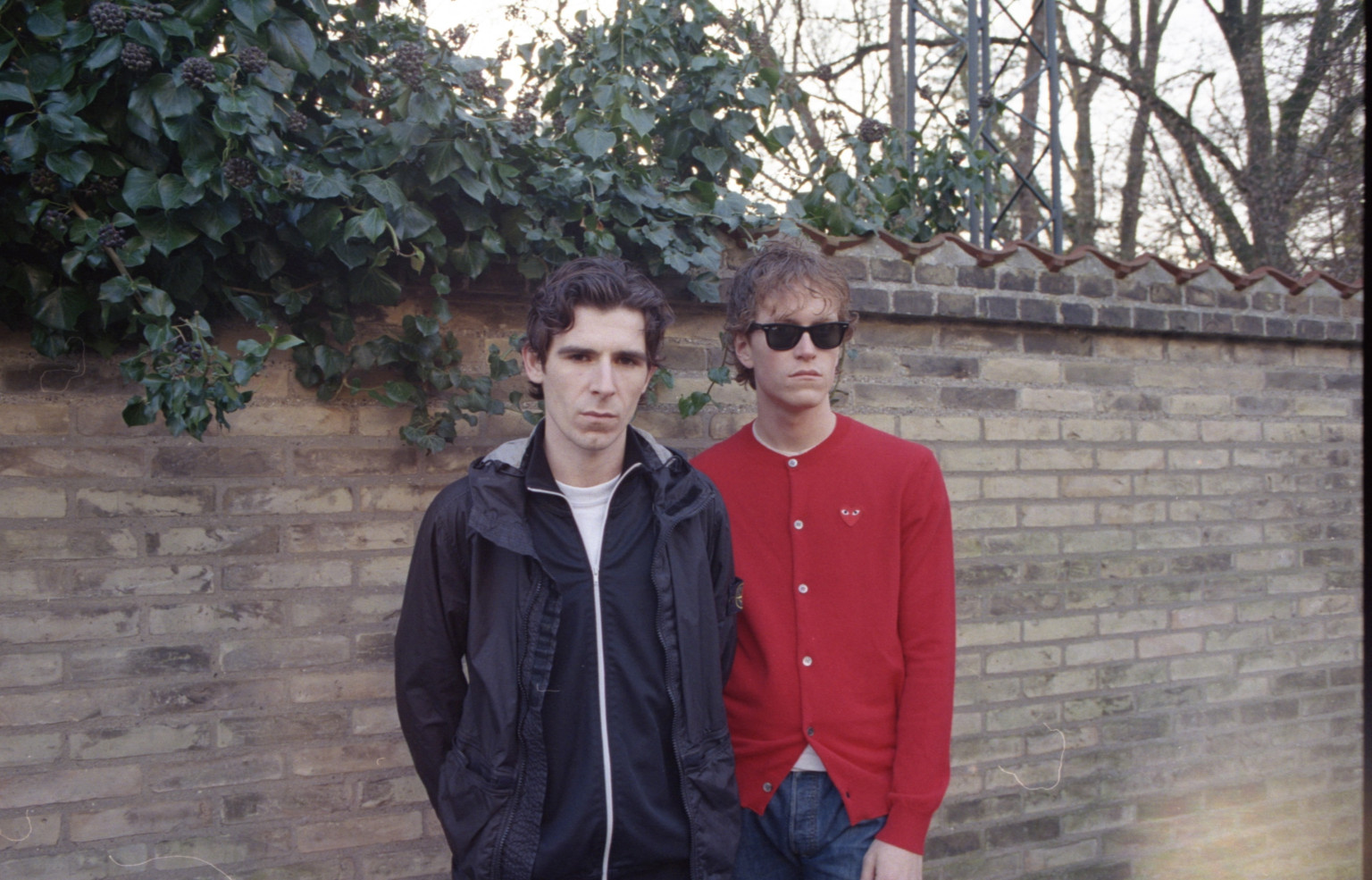
»For us, music is a passion, a livelihood, and a focal point for us and our best friends in the band.«
Barselona consists of Rud Aslak and Rasmus Theodor. The band was formed in 2016 after a year at Ollerup Musikefterskole and has since released five albums and two EPs, most recently the album *Tag Min Hånd, Så Slipper Vi*, which is set for release in September 2026.
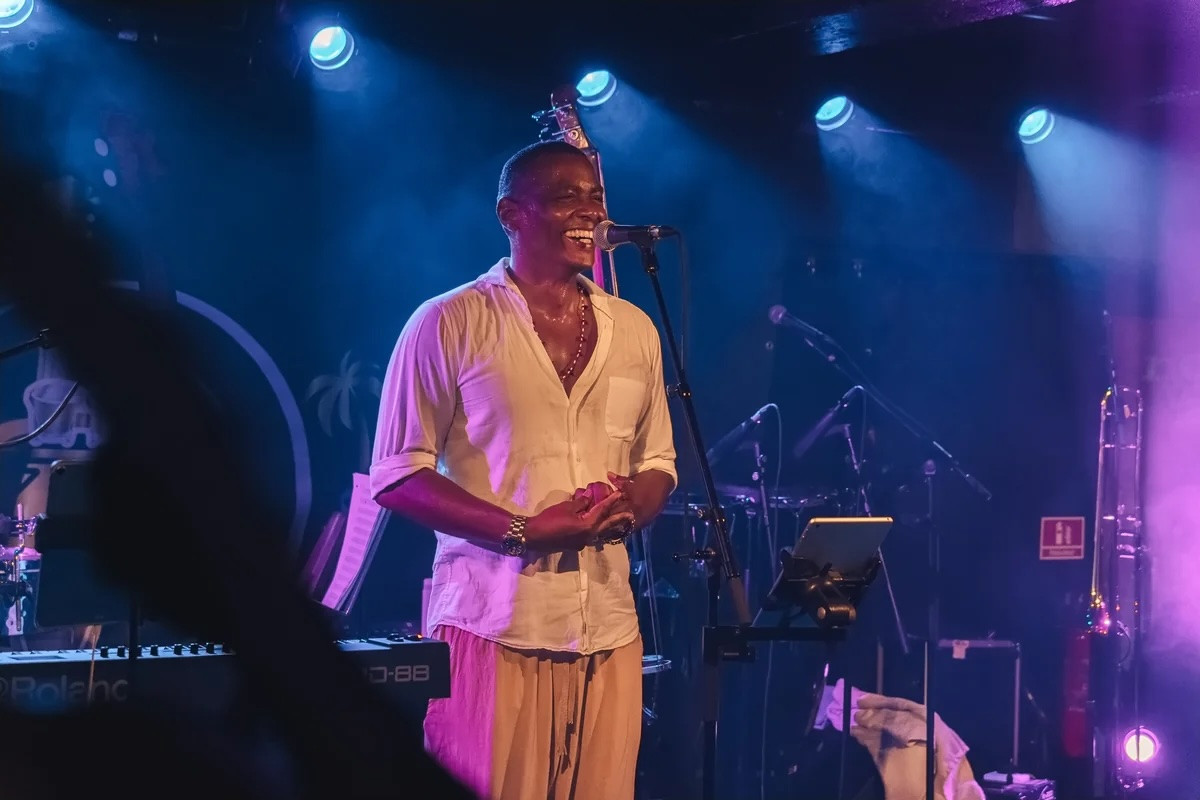
»To me, music is humanity, community, a smile, a conversation, a moment, an eternity«
Abel Alazo Rangel is the founder, curator, and producer of the Nova Concerts Series in Copenhagen. Nova began as a festival in 2003 and was relaunched as a concert series in 2023. Through Nova, he presents musicians and creates musical encounters that bridge the Cuban, Latin American, Danish, and international music scenes.