in brief
20.04.2021

Selvsikker storbyfart og legesyge

Alice Archives: Caktus + Selvhenter
Maria Dybbroe i front for Caktus. Still fra video. © Alice

Caktus’ to altsaxofoner, kontrabas, cello og trommer vidner om en kvintet, der har placeret sig et sted imellem jazzen og kammermusikkens verdener. Dette kan umiddelbart lyde som en svær balancegang, men orkestret er heldigvis fortrolige med blandingsforholdene.

Fra indledningen med kun en enkelt saxofon og bas, inklusive en ultrakort (intentionel?) reference til John Coltranes »Welcome«, føres jeg gennem introspektive, opbyggende passager og udfarende, eksplosive forløsninger. Saxofonerne både hvisker og hviner, strygerne stryges og plukkes, trommerne tier og larmer. Fra storbyidyl til højhastighedstrafikinferno og alt derimellem.

Det er kompetent og selvsikkert, men indimellem savner jeg lidt mere usikkerhed i balancegangen, at orkestret trækker musikken lidt længere ud i begge retninger.

Mens Caktus spiller på vekselvirkningen mellem to traditioner, så gør Selvhenter brug af en helt anderledes tilgang. Med en besætning på altsaxofon, basun og trommer kunne man forvente en jazztrio, men Selvhenter er meget mere – eller måske noget helt andet – end det.

Begge blæsere er næsten konstant underlagt en række pedaleffekter, og det er sjældent, at de to instrumenter rent faktisk lyder som sig selv. Saxofonisten får til tider sit horn til at lyde som en Fisher-Price-plasticmelodica, mens basunisten blandt andet producerer en lyd, der bedst kan beskrives via referencer til Black Sabbath-riffs. Trommerne er til sammenligning mere konventionelle i deres lyd og funktion, og de forankrer dermed på fornemste vis de ellers højtragende idéer.

Selvhenter udviser en larmende, søgende legesyghed, og som det er kutymen i den søgende musik, så er der nogle momenter, der fanger min opmærksomhed mere end andre. Men den allestedsnærværende legesyge smitter.


© PR

»For us, music is a transcendent force with transformative potential – something we get to experience and shape when we create sound together. It is an opportunity to describe one’s innermost universes without words, and the best way for an introvert to express intense emotions at full volume.« 

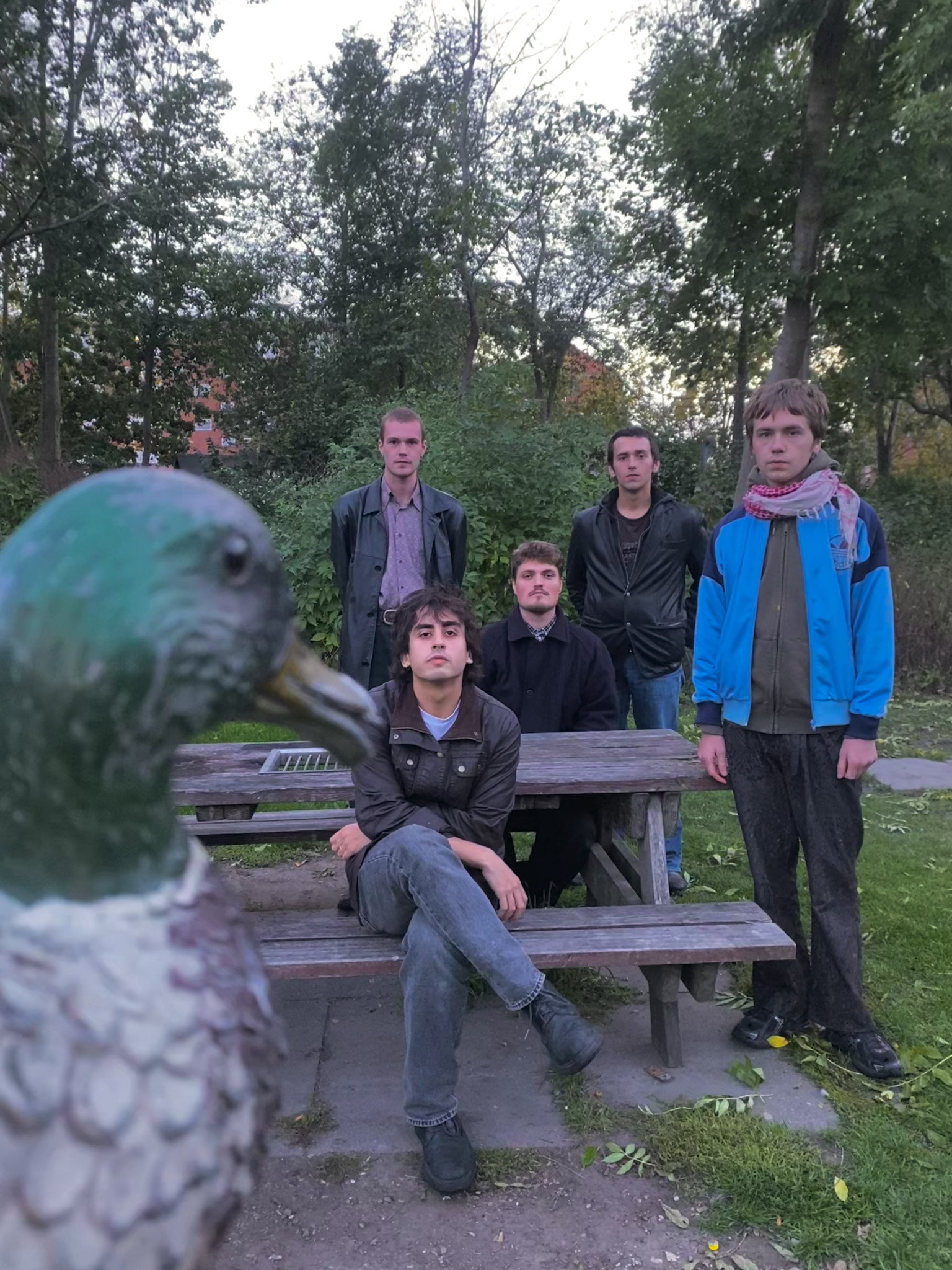
With roots in Copenhagen’s experimental jazz and punk scene, Echo, Bravo challenges the notion of what a rock band can sound like. The quintet blends post-punk, free punk, and noise rock into a raw and unpredictable soundscape. They describe the music themselves as a kind of »empty-the-fridge soup,« where various leftovers come together. »Best enjoyed as a hot meal in a cold industry.«


© Ultima
© Ultima

Thorbjørn Tønder Hansen has died. With Thorbjørn’s passing, the art music community has lost one of the Nordic region’s most significant producers, curators and cultural leaders.

© PR

»Music is the best way to discover myself and understand the world around me.«

Luca Quintavalle is a harpsichordist, fortepianist and conductor. He has performed with ensembles including Concerto Köln, Harmonie Universelle, the Mozarteum Orchestra Salzburg and the Kölner Kammerorchester at venues and festivals such as the Kölner Philharmonie, Salzburg Festival and Enescu Festival. He was harpsichordist of Les Musiciens du Prince, led by Cecilia Bartoli, for over five years, and has conducted ensembles including the Orchestra and Chorus of Teatro dell’Opera di Roma, Concerto Köln and Deutsche Kammerakademie Neuss. His recordings include Mirrors, released by Berlin Classics and awarded an OPUS KLASSIK.

in brieflive
21.09

The Trombone Finds Its Quiet Side

Francisco Coll: »Tapias«
© PR
© PR

At 19, the Spanish composer (and trombonist) Francisco Coll wrote a wild-child of a trombone concerto that pushed the instrument out of its comfort zone. 22 years later he has created a new piece from some of that material. Its priorities are the opposite.

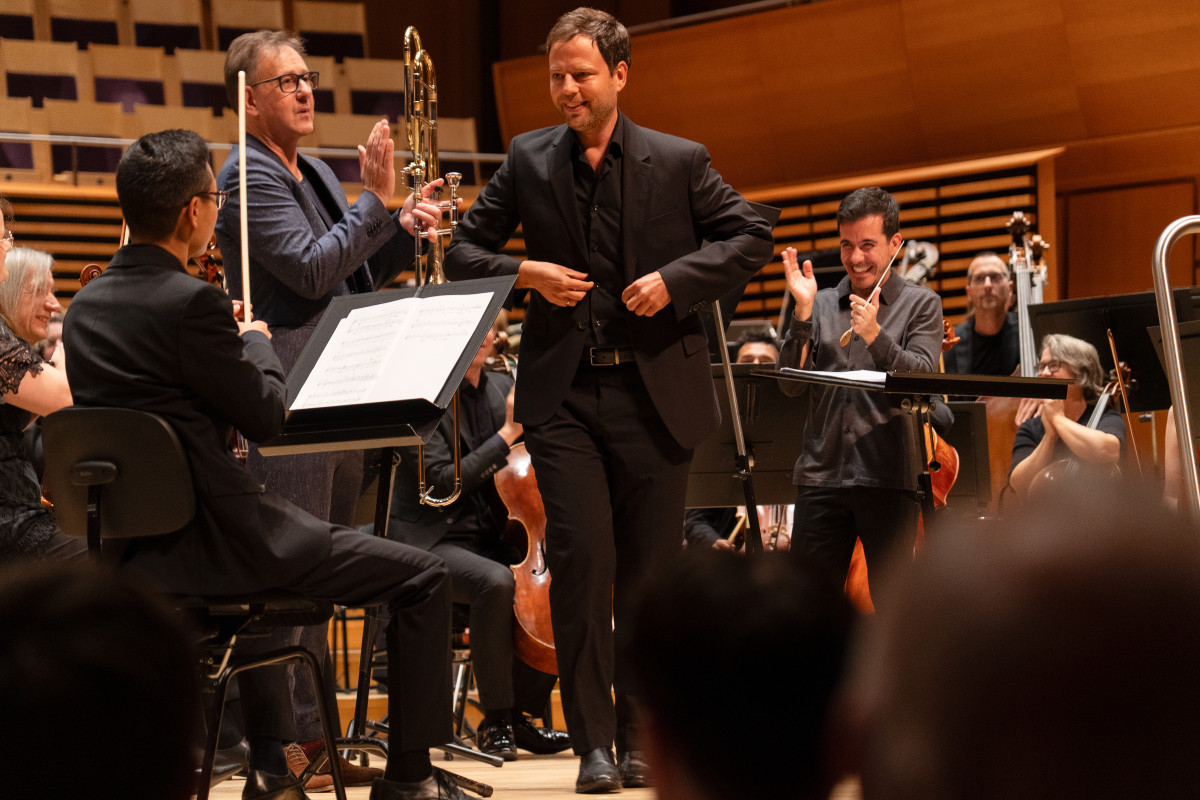
Tapias embraces the lyrical, ethereal qualities of the trombone. It is not a concerto, insists Coll. Perhaps it could be described as a set of frescoes for trombone and orchestra. Whatever the category, it’s a beguiling piece that was gorgeously birthed on Thursday by Ian Bousfield, conductor Nuno Coelho and a sumptuous-sounding Stavanger Symphony Orchestra.

Composers from Sibelius to Turnage have reacted against caricatures of the trombone as brusque and clowning by exploring its dark-hued lyricism. Coll does something more, setting his soloist’s introspective, intervallic melodies in evocative and provocative orchestral contexts. The soloist’s lines can resemble spray-canned tracings on walls already heavy with the patina of history, decoration and graffiti.

Initially the trombone appears to seek repose. The second movement draws it into more agility but the dancing is suppressed: a layered burying of all manner of rhythms from flamenco to Hiphop. Great wodges of rich harmony weigh the boogying down for good. 

The trombone does find peace in the final movement – its long, soulful melodies more yielding. But not before Coll has conjured up moments of huge harmonic strain and conscious orchestral magnificence. They sat well next to Coelho’s fierce performance of Shostakovich’s Symphony No 5 after the interval. But Bousfield’s heartfelt journey through Tapias, sounding entirely at one with the orchestra, will linger longest in the mind. 

© Clara Linn & Amalie Lee Bjørn

»For us, music is a passion, a livelihood, and a focal point for us and our best friends in the band.«

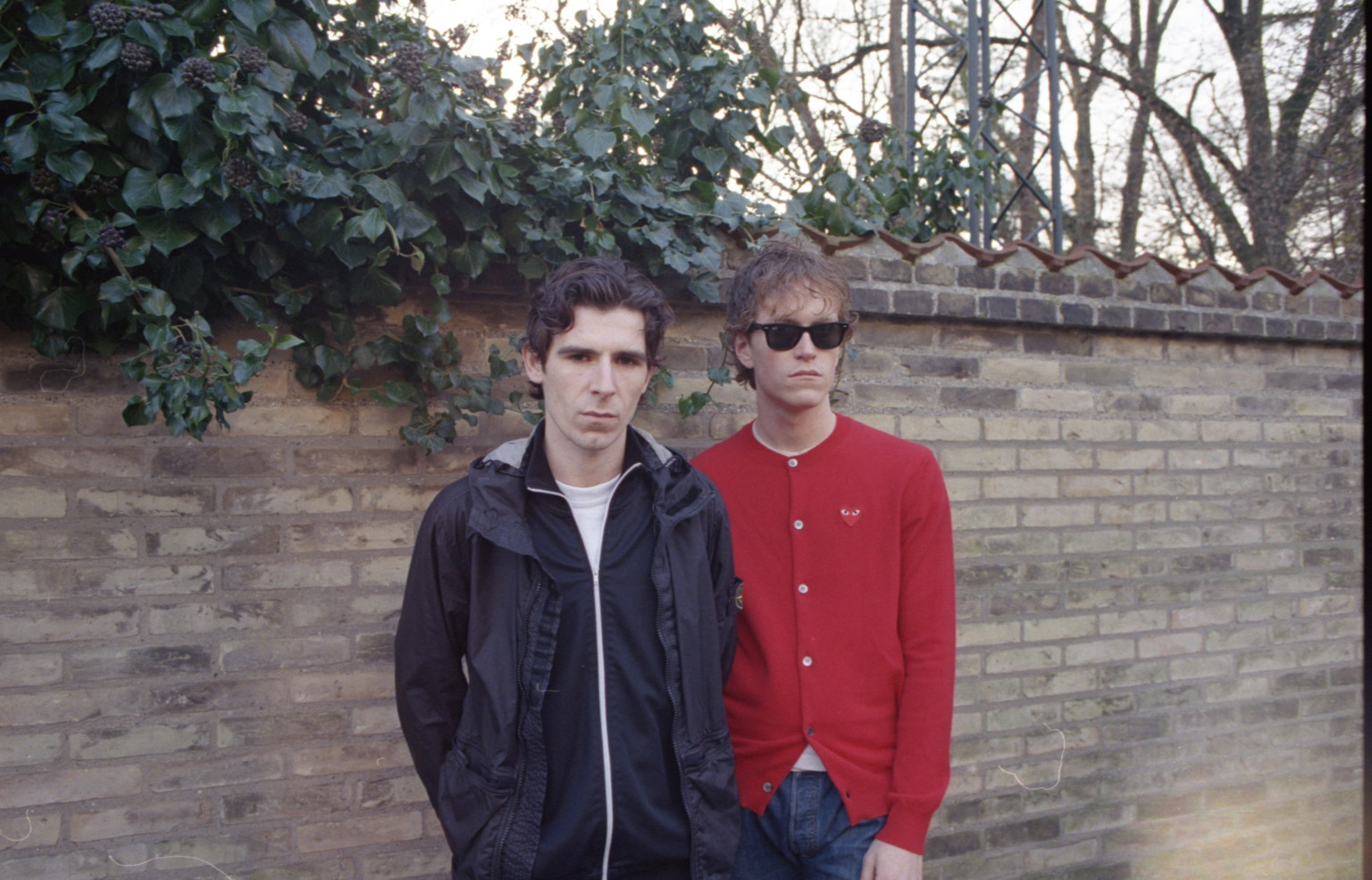
Barselona consists of Rud Aslak and Rasmus Theodor. The band was formed in 2016 after a year at Ollerup Musikefterskole and has since released five albums and two EPs, most recently the album *Tag Min Hånd, Så Slipper Vi*, which is set for release in September 2026.