At jage solen
Publikum på Takkelloftet blev suget ind i et sort og abstrakt mytisk univers til Book of Mountains and Seas, et musikdramatisk værk af komponisten Huang Ruo og dukkeførermesteren Basil Twist. Det var intenst og urovækkende med 2400 år gamle kinesiske skabelsesmyter, som blev fremmanet af seks dukkeførere, to slagtøjsspillere og tolv sangere fra Ars Nova Copenhagen. I det sorte tomrum dukkede sangernes oplyste ansigter frem som flyvende æg, kropsløse og uidentificerbare. Med flakkende øjne kiggede de ildevarslende op for at følge Paul Hillier, som dirigerede bag publikum, og det føltes voldsomt og næsten grænseoverskridende at sidde imellem dem i en konstant strøm af højkoncentreret chi-energi.
Dukkeførerne bevægede sig omkring koret og formåede at skabe liv i kæmper, fugle, sole, floder ved hjælp af døde træstammer, lysende rispapirslamper og bølgende silke. Det var imponerende effektfuldt, og dukkeførernes kroppe og bevægelser gav de store abstrakte myter en form for menneskelighed og anskuelighed.
Musikalsk var værket splittet mellem amerikansk minimalisme og kinesisk traditionalisme, og samspillet mellem slagtøj og stemmer bidrog til værkets ritualistiske karakter. Kinesiske sætninger blev sunget med nordisk accent og vokalfarve i konflikt, og fravalget af overtekster gjorde, at det var umuligt for et dansk publikum at tyde, hvad der blev sunget om. I stedet måtte man altså blot overgive sig til det uforståelige – klangene, stemningerne og drømmebillederne på scenen.
»What is music to me? Expression.«
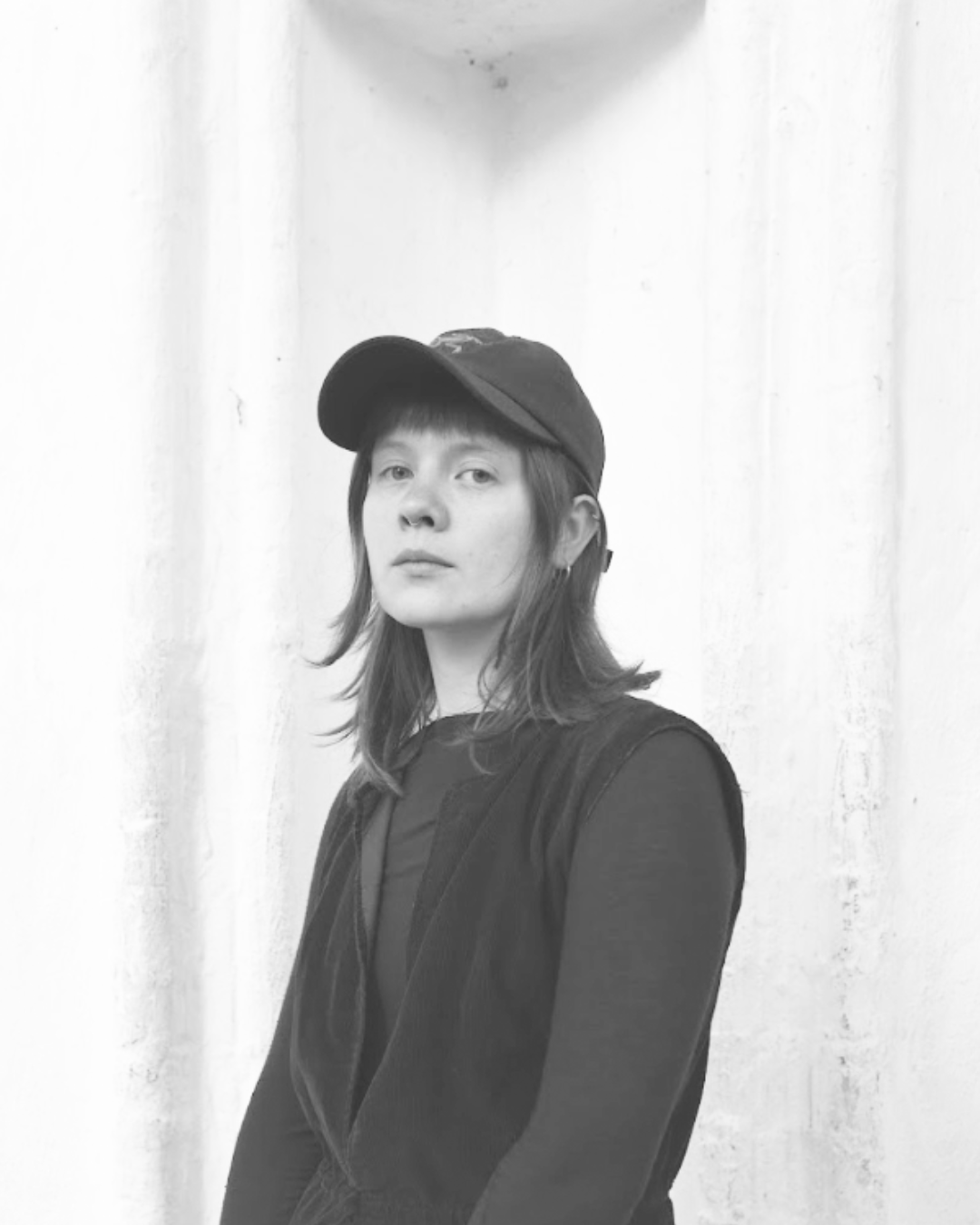
Producer and DJ who started out with house and cloud rap, influenced by the new wave of Mauritian dancehall, tripes navigates between genres, blending in influences from his island. He released his first EP, Sega Tron, on Paradoxe Club, where heavy sounds and electronica meet Mauritian sega, Reunionese maloya and all the musical influences of the sister islands, coming from both the african and indian continents.
Through his shows on Oroko, tripes has fully embraced the radio station's mission: to refocus narratives, explore its heritage and highlight emerging artists from the islands, the continent and its diaspora.
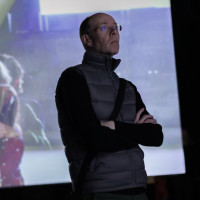
»For us, music is a lifelong fascination – something you can never fully get to the bottom of. You can study the mathematics, the rules, and the logic. But music also contains an element of magic – that aspect which creates an emotional resonance between the creator and the listener, transcending place, time, and language.«
Inspired by the playful, off-kilter alternative rock of the 90s, Inventory has forged a distinct sound comprising equal parts pop hooks, dissonant tension, and jazzy textures. It is guitar-driven music that embraces the unexpected, the quirky, and the soothing – navigating the space between the immediate and the challenging. Inventory is set to release their debut album, People Pyramids, in early 2027.
A Recipe for Ecstasy and Despair
If a meal is good, it’s worth making twice, right? That’s the approach taken by Krzysztof Wołek on his latest album Cookbook for the Modern Boygirl, where the song cycle is interpreted twice. The ingredients are straightforward: one girl (Agata Zubel), one boy (Chad Sloan), and a variety of electronic elements carefully assembled not simply to complement but also contradict each other. As for the recipe, that comes from poet Bunny Morris, in the form of seven texts exploring the body as a site of vulnerability and conflict.
Desire versus repulsion is the central tension running through the song cycle. Wołek accentuates this by atomising the vocal part, which doesn’t so much sing as gasp and stammer, its never-ending contortions enclosed in an atmosphere that pressurises the voice as much as it allows it to radiate.
Eruptions of sharp glitch fragments sound as both celebratory fireworks and shards cutting into flesh, playing into the songs’ continual blurring of food allusions with animalistic reflections on the body’s limbs, processes, sensations and fluids. As if to counter the challenges, the voice often resorts to overelaborate ornamentation, elsewhere receding into hissing whispers as if to hide from them.
The two interpretations are strikingly individual, Zubel leaning into frenetic histrionics, like an unhinged bird, Sloan into impassioned lyrical agonism. Though seemingly emanating from parallel universes, both versions unite in the impossibility of knowing what’s desperation or ecstasy, epitomising the fundamental instability of identity at the core of these dazzlingly visceral songs.