in brief
26.05.2022

Nådesløs massage 

Merzbow & Arcane Device: »Merzbow & Arcane Device«
© Merzbow & Arcane Devine

Da jeg så, at japanske Merzbow og amerikanske Arcane Device havde lavet et album sammen, var jeg med det samme både nysgerrig og lidt overrasket: Nysgerrig fordi både Merzbow og Arcane Device gennem fire årtier har stået bag nogle af støjmusikkens efter min mening mest spændende udgivelser, men også overrasket fordi de for mig at se repræsenterer to vidt forskellige æstetiske retninger inden for genren. Hvor Merzbows musik er overvældede og grænseoverskridende som at befinde sig inde i en mastodontisk, brutalistisk betonbygning imens den er ved at blive revet ned, er Arcane Devices musik ulmende, fremmedgørende og let uhyggelig som at stirre dybt ind i de intenst mørke felter i et Mark Rothko-maleri. Hvordan forener man to musikalske universer, der begge er kendetegnet ved fuldstændig kompromisløshed? 

Svaret, viser det sig, ligger implicit i spørgsmålet: nemlig ved at fastholde kompromisløsheden. Fremfor at mødes et sted i midten, lyder Merzbow & Arcane Device som produktet af to kunstnere, der, på den bedst tænkelige måde, forsøger at sabotere hinanden: som en slags musikalsk tovtrækning, hvor begge forsøger at hive rebet ind på egen banehalvdel, og ingen nogensinde overgiver sig. Resultatet er en konstant afvekslende musikalsk oplevelse, hvor man som lytter har fornøjelsen af det ene øjeblik at befinde sig i en blidt summende massagestol for det næste at blive nådesløst tortureret med et tandlægebor. 

© Carsten Seidel

»Who ever said that music is ‘just’ music? To me, it is anything but that: an urge to understand and explain it all. A piece of jewelry I wear every single day. A joy that can, at times, run deep. An ever-changing imprint of millions of stitches in my heart. A longing to disappear.«

Henrik Marstal is a musician, author, and music researcher. He holds a PhD in musicology, is a senior lecturer at the Rhythmic Music Conservatory, and frequently appears in the media as an expert source on music. His areas of interest include contemporary music, such as electronic music. This winter, he will release both a new album with the pop group ibens and a book about Else Marie Pade, published by the British publishing house Bloomsbury.
© Alicja Rzepa/Sacrum Profanum
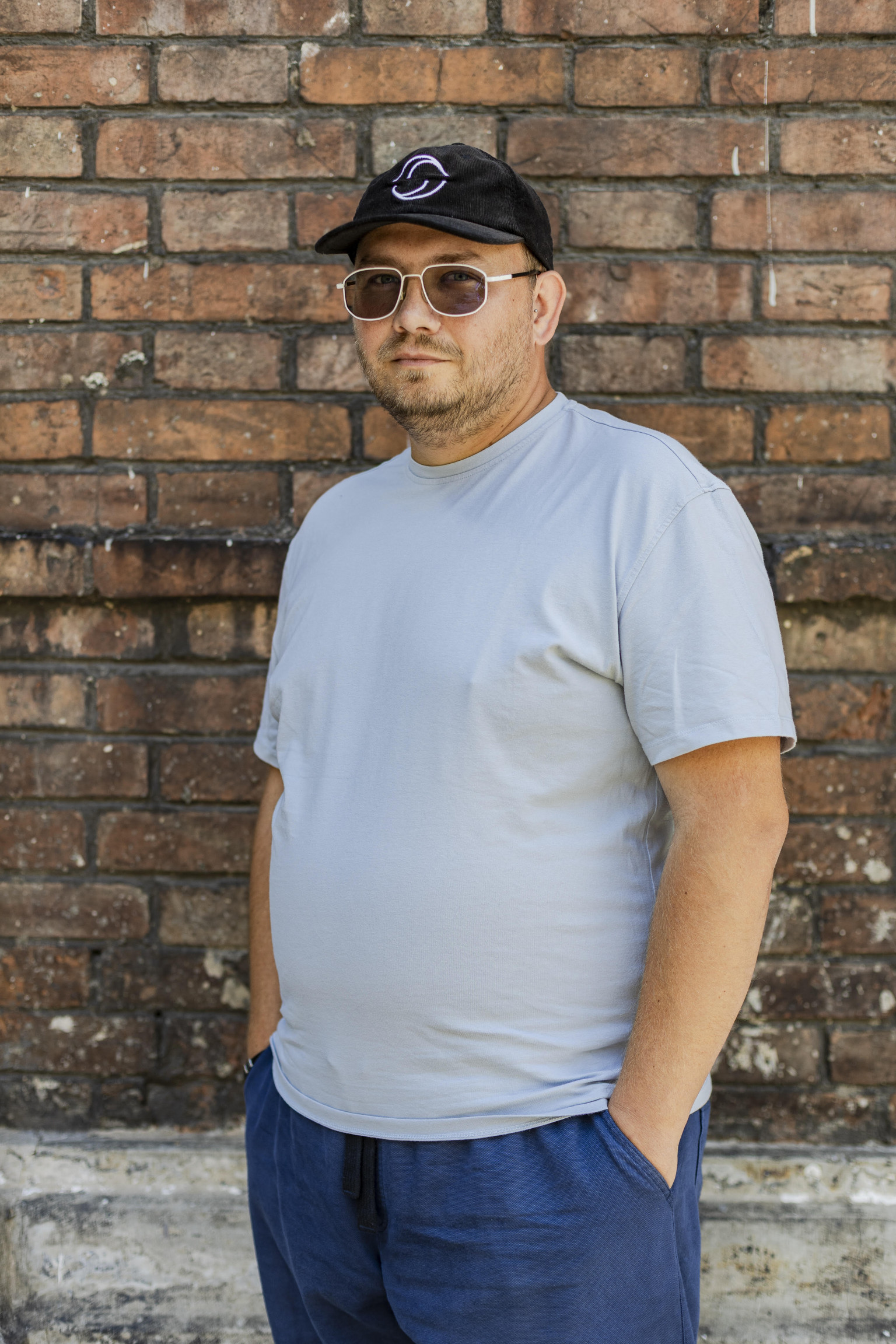
»Music helps me feel, process and regulate my emotions, giving them an outlet when I need release and bringing me calm when I need balance – it’s sort of my outsourced nervous system.«
 
Krzysztof Pietraszewski is a music journalist, editor and curator based in Kraków, Poland. Since 2016, he has served as artistic director of Sacrum Profanum, a festival dedicated to new and experimental music. He hosts Muzykoteka and the RKK Live concert rebroadcast series on Radio Kraków Kultura. He also develops listening sessions with discussions, inviting audiences to discover unfamiliar music, exchange impressions and experience listening as a shared activity. His work includes executive-producing recordings for the Sacrum Profanum Archives series. Originally from Silesia, he has made Kraków his home, sharing music through concerts, radio broadcasts, writing and, more recently, experimental DJ sets.


© PR

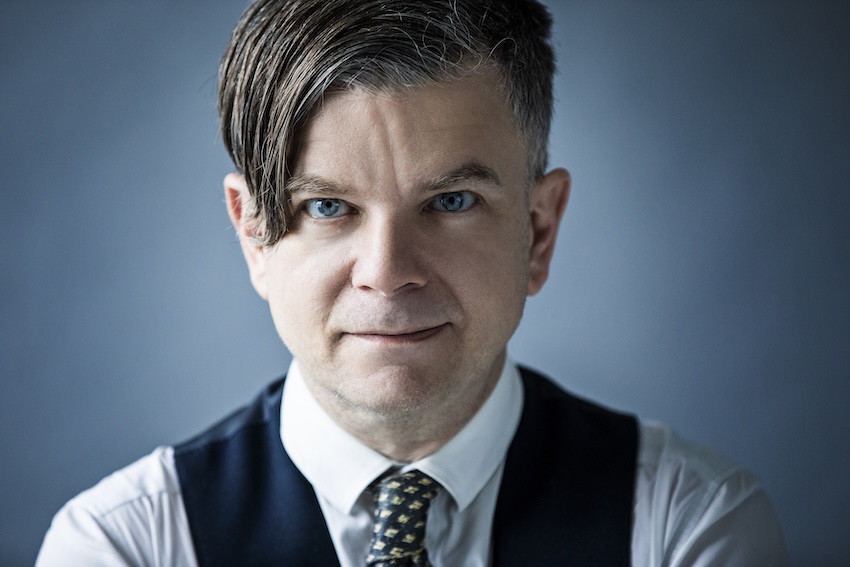
»For me, music is at its best when it appeals to both the head and the heart. I love music that plays with language and understands how words create images, while also possessing its own unique sonic quality and mood. It’s an added bonus if the music energizes me during a run, makes me dance in the kitchen, or makes me laugh. Or cry. Music can be like a chocolate-coated marshmallow treat with a surprise inside.« 

Lone Hørslev is an author of poetry, novels, and song lyrics, as well as the TV series Den gode stemning. Together with Mads Mouritz, she forms one half of the Mouritz/Hørslev Project, and she recently wrote lyrics for the musical theatre production STOLT in collaboration with Katrine Muff. The songs can be found on the album Jeg ønsker mig.

© Sam Aebi
»I think music is just the way I perceive and process the world.«
 
Raphael Loher is a pianist and composer based in Lucerne, Switzerland who combines elements of experimental electronic music, ambient, and minimalist composition. His distinct, crystalline work explores playful reduction and rhythmic abstraction, aiming to create singular resonances and aesthetic connections. His meditative style of piano playing allows shimmering rhizomatic structures to emerge, giving rise to tense narrative arcs. Loher expands his sound spectrum by preparing the piano, using effect pedals, and working with a tape recorder.
 
Loher’s new album Figuren (Präsens Editionen) is an album shaped by intuition, experimentation, and a deliberate distance from his primary instrument — the piano. Reworking intimate concert recordings made during a residency, Loher deconstructed selected melodies, tones, and resonances into new forms, transforming them further through tape manipulation. 
© PR

»For us, music is... magic? Aside from the fact that we are huge fans of silence, the closing line of one of our upcoming singles perfectly captures our relationship with music: 

'Music feels like magic to me / A superior art form in a marketplace / Trying to find an empty space'. 

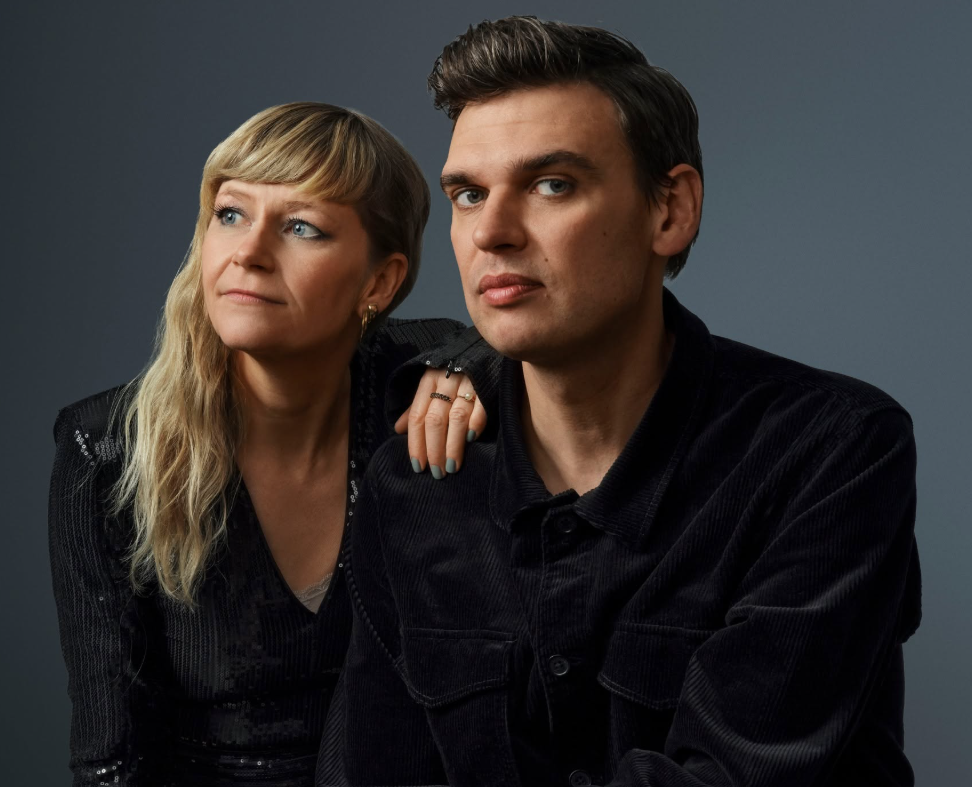
That is what it can feel like as a songwriter and performing musician. We try to hold onto an almost childlike infatuation with music, yet the art form we work in – alternative-leaning pop-rock – was created and has evolved 'in a marketplace' driven by powerful economic forces. As a romantic, that can sometimes be a bit disheartening...«

Late Runner consists of Asger Tarpgaard and Tanja Forsberg Simonsen, both formerly of the bands Superheroes and Private.