in brief
16.06.2022

Moog til folket

Klang Festival: »The Minimoog Project« – Sebastian Berweck
© Alexander Banck-Petersen

En bedaget døs af musikhistorisk revisionisme meldte sig i Musikhusets forgyldte lokale: Nu skulle Minimoogen skrives ind i den klassiske kanon med koncerten The Minimoog Project. »Synthesizernes Stradivarius«, som hovedpersonen Sebastian Berweck varedeklarerede. 

Der gik Darmstadt i den: Skulle vi nu til alt det med de »nie erhörte Klänge« én gang til? Ikke rigtig. Futurisme var ikke en del af startopstillingen. I stedet havde man sat retromani på banen i form af Dorit Chryslers theremin-tryllerier i værket Fracture 22. Magien udeblev i det forudsigelige plot, hvor instrumenterne startede i hver sit frekvensland men til sidst fandt sammen i fælles filtrering.

Heldigvis blev der skiftet ind med værker, der rent faktisk havde noget på hjerte. Juan David Perez’ støjende tandrodsbehandling i Abstraco Model – Ducil Artefacto gjorde nas. Misha Cvijovics filmiske granatchok Iktuarspok var – trods den slidte symbolisme – en smagfuld drone, som smidigt mixede Moogens bløde og hakkende kurver. 

Befriende var det, da Kirstine Lindemann stødte til og førte synth-æstetikken væk fra sig selv og ind i kroppen. Værket TRIO fascinerede i sin telepati mellem de to performere, der – med lukkede øjne – virkede introspektive og forbundne på samme tid. Hænderne bevægede sig op og ned som scannere i penduler med den opkoblede vejrtrækning. Hvad viste Lindemanns røntgenbillede? En nysgerrig forløsning af Minimoogen som en del af et kropsligt ritual.

© Ditte Marie Walter Thygesen

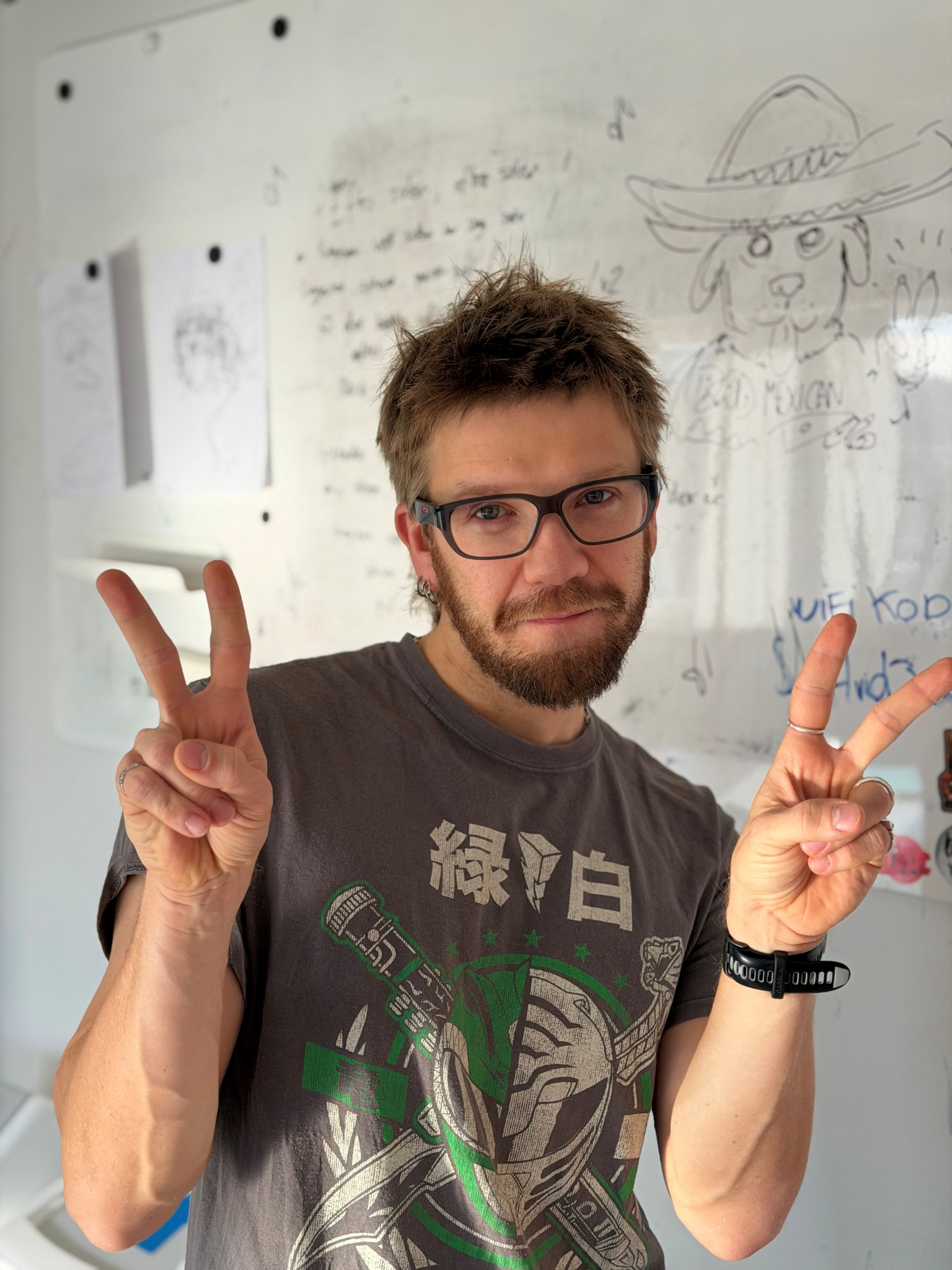
»I listen a lot to music from games that I play myself. Furthermore, through my work as a director, I am introduced to a wealth of fantastic music by my wonderful colleagues on every new project. I use music as a tool in my theatrical processes – both to get into the right mood when preparing to convey meanings and directions to the artists, designers, and performers involved, and simply to wake up in the morning while making my coffee. Music often communicates more clearly than words; much like scenic actions and visual expressions, it can be highly precise in conveying emotional content – often more so than the spoken or written word. I love that kind of affect!«

Emil Rostrup is a theatre director. In recent years, he has directed productions such as Bad Mexican Dog (2026) at Sort/Hvid, Crip (2026) at Revolver, Klodshans og Prinsessen (2026) at Aalborg Teater, Prometheus (2025) at Nørrebro Teater, Vi, de druknede (2025) at Republique, and Pow Pow Pow (2024) at Revolver.

He graduated from the Danish National School of Performing Arts in 2020 as a theatre director. His graduation production was Woyzeck Ehxibited – a devised paraphrase of Georg Büchner’s classic, Woyzeck.

© Carsten Seidel

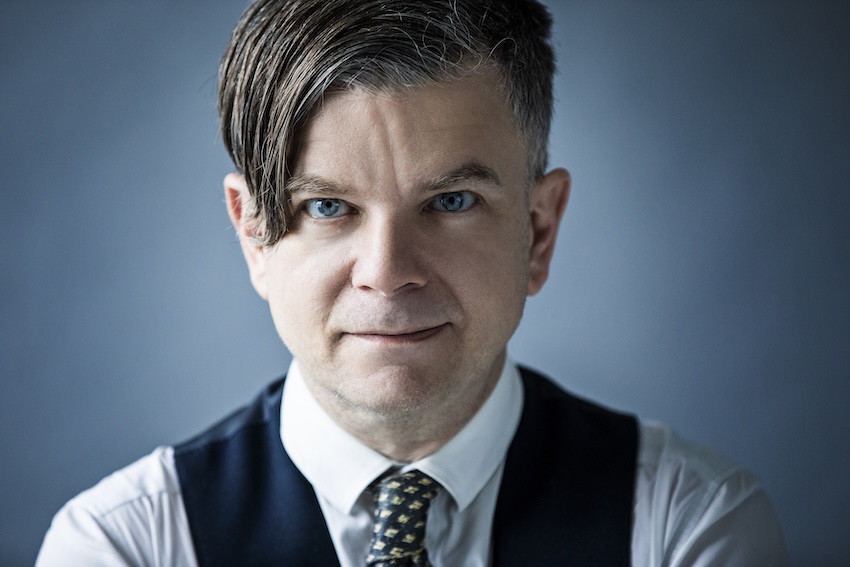
»Who ever said that music is ‘just’ music? To me, it is anything but that: an urge to understand and explain it all. A piece of jewelry I wear every single day. A joy that can, at times, run deep. An ever-changing imprint of millions of stitches in my heart. A longing to disappear.«

Henrik Marstal is a musician, author, and music researcher. He holds a PhD in musicology, is a senior lecturer at the Rhythmic Music Conservatory, and frequently appears in the media as an expert source on music. His areas of interest include contemporary music, such as electronic music. This winter, he will release both a new album with the pop group ibens and a book about Else Marie Pade, published by the British publishing house Bloomsbury.

Viner Khaiitov. © Tatita Zhiliaeva
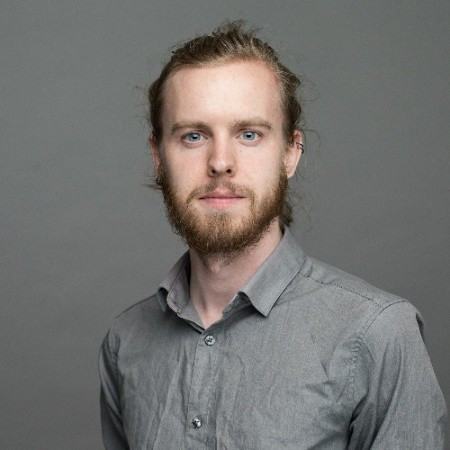
»Music is the opposite of escape for me right now: it’s where the tension gets held, repeated and turned into rhythm.«
 
Viner is a DJ and producer based between Marseille and Barcelona, where he runs the label and art lab PATAR. Born in Ulyanovsk to an Uzbek, Tatar and Bashkir family, he started making music in Kazan. In 2022 he recorded across Uzbekistan: Navruz in Tashkent, the Stihia festival in Muynak (where he was technical director), and street sound in Khiva, Bukhara and Samarkand. On 2330 (PATAR, November 2026) those recordings are cut into fragments of two seconds or less and set into three-beat loops running against the main pulse, »doira« patterns that take several bars to come round, and bass in blunt, distorted blocks. The sources stay half-legible. What carries is the friction, held for five tracks and never quite released.


© PR

»For me, music is a kind of secret path – a gateway to emotions, thoughts, and ideas that might otherwise be difficult to access. It serves as a shortcut to daydreaming and creativity – to those moments when I feel most connected to my own humanity and that of others. Through music, my own life intertwines with the artist’s, and together we create something entirely new.«

Kristoffer Møllegaard holds an MA in Russian Language and Culture from the University of Copenhagen (2017), with a specialization in future speculation within Russian art and philosophy. He writes regularly about Russian culture and, in his spare time, is active as a visual artist and amateur saxophonist. He has been a contributor to Seismograf since 2020.

© PR

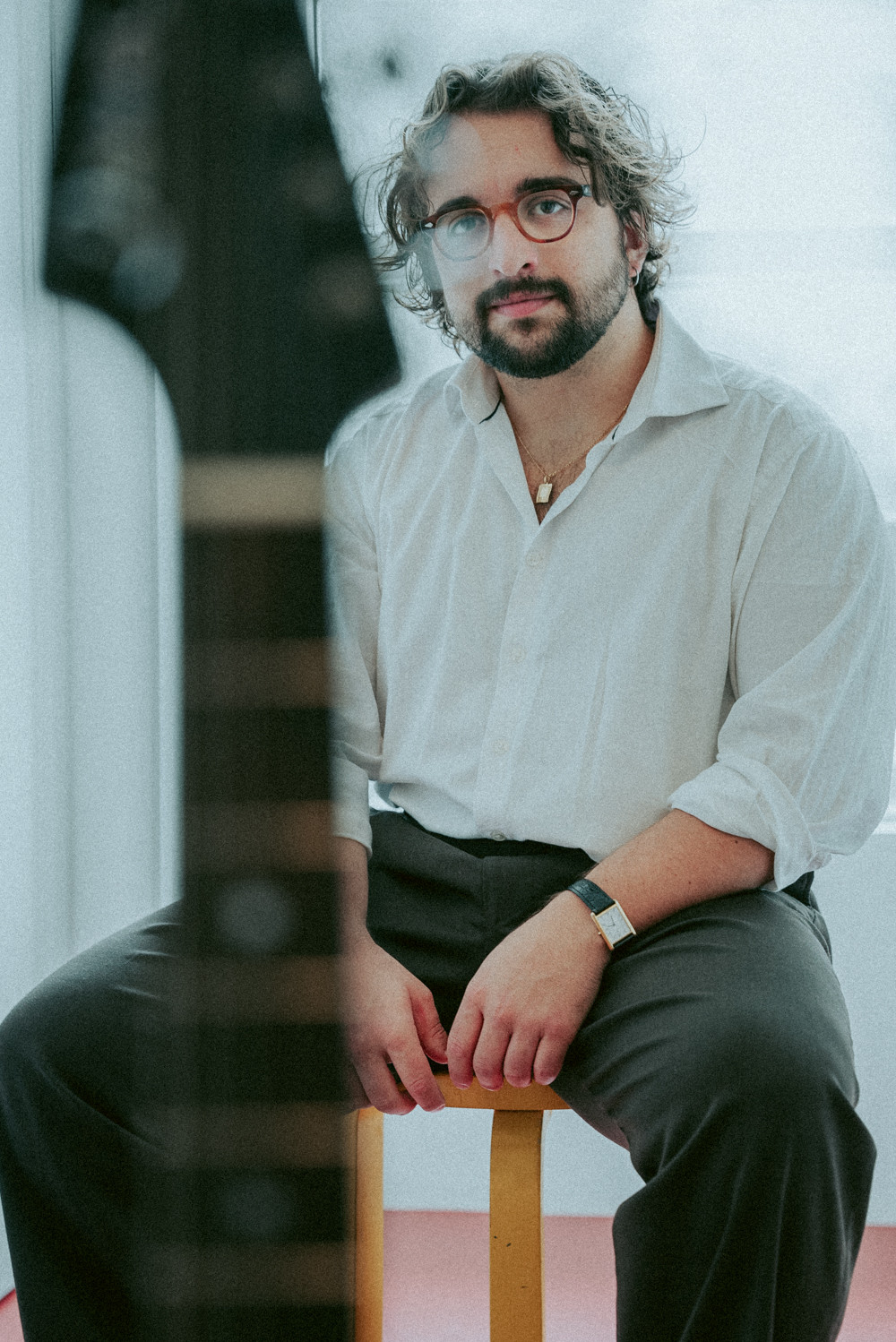
»Music is like a black hole that sucks you in and shoots you out on the other side of the universe.«

Francesco Rista is a guitarist working across classical and electric guitar. His recordings have been reviewed by international music magazines and broadcast on BBC and RAI Radio 3. After studying at the Royal Danish Academy of Music and Lund University, he focused on studio recordings, exploring guitar repertoire from the Baroque and Romantic periods to contemporary music, as well as the instrument’s varied tonal possibilities. Rista is currently based in Iceland, where he teaches guitar, composes music, and collaborates with contemporary composers.