Allan Gravgaard Madsen
27




I arbejdet med Concerto Grosso (2018-2022), som Allan Gravgaard Madsen har skrevet i tæt samarbejde med den amerikanske Jack Quartet, har komponisten opstillet et par benspænd omkring Concerto Grosso-formatet: Strygekvartetten skulle spille op mod Aarhus Symfoniorkester i »et finmasket net af talsystemer, musikhistoriske hilsner og personlige fortællinger«. Med den for AGM typiske begrænsning til det traditionelle symfoniorkesters instrumenter – om end de bliver brugt i deres yderste potens – lykkes det at fastholde en behageligt pirrende æstetik, der efterlader mig fremadlænet gennem hele værket.
Benspændene virker ikke begrænsende, men er mere rammer indenfor hvilke, han arbejder frit og legende og med en klanglig finfølelse. Som substitut for harmonisk progression og teleologi fokuserer AGM i stedet på timbre og klang. Dragende er det. Selv har jeg ikke fundet den forvrængede reference til Irving Berlin, som AGM skriver, værket rummer, men til gengæld er der klanglige ligheder med blandt andre Arvo Pärt og Bent Sørensen. Sidstesatsen, »Notturno II«, afslører en komponist, der ikke har travlt med at være udfordrende kompleks; han hviler i det minimale – dropper symfoniorkesterets instrumenter og lader musikerne summe »con bocca chiusa« og gnide sig i hænderne (bogstaveligt talt) som drømmende ambience til JACK Quartets afrunding af concertoen.
Concerto Grosso er moderne minimalisme (findes online i en lækker videoproduktion), og det er rimeligt at kalde det Allan Gravgaard Madsens æstetiske magnum opus.
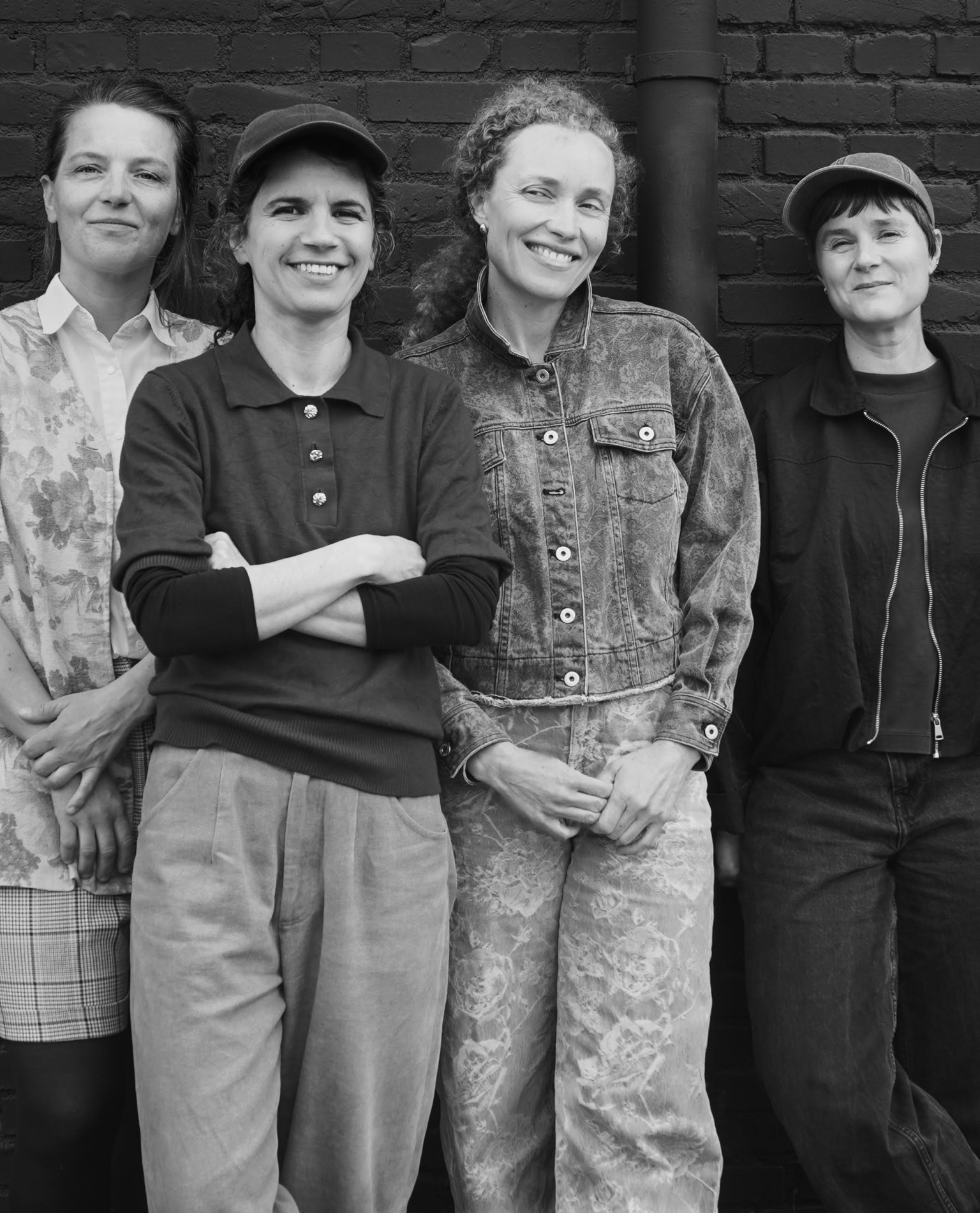
»Music, for us, is a fusion of different consciousnesses into a single shared focal point.«
The band Selvhenter was founded in 2010 by trombonist Maria Bertel, saxophonist Sonja LaBianca, violinist Maria Diekmann, and drummers Jaleh Negari and Anja Jacobsen. In 2017, Maria Diekmann left the group, and Selvhenter continued as a quartet.
Selvhenter’s sound is driven by a deep fascination with sonic textures, rhythmic displacements and polyrhythms, acoustic and electronic melodies, hard-hitting compositional choices, improvised beauty, and a sheer joy of creating and performing music. Selvhenter has played concerts both in Denmark and internationally. The group is also the nucleus of the artist collective Eget Værelse, which houses the members’ solo projects as well as collaborations such as Valby Vokalgruppe, SOLW, Nina Garcia & Maria Bertel, and G.E.K.
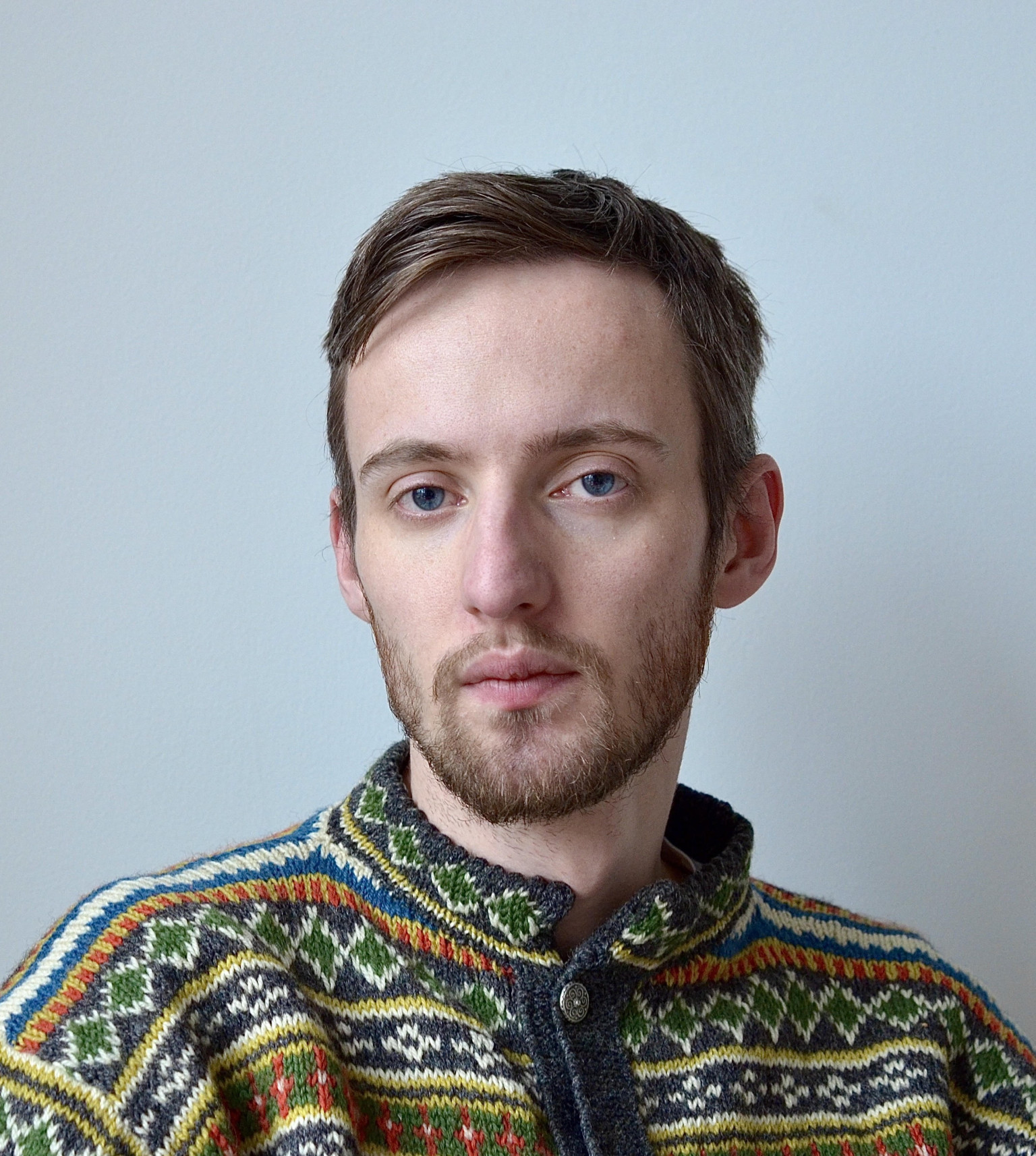
»Music for me remembers.«
Håkon Guttormsen is a Norwegian composer and trumpeter living in Copenhagen. He is educated at the Royal Danish Academy of Music and the Royal Academy of Rhythmic Music. He primarily composes scores for ensembles as well as music drama and opera. He is currently working on a work for solo violin and electronics for ILK Music’s concert series during CPH Jazz 2026 and on his first symphonic work, which will premiere at the academy in 2027. He is a member of nyMusik’s composer group in Norway and a board member of UNM Denmark.
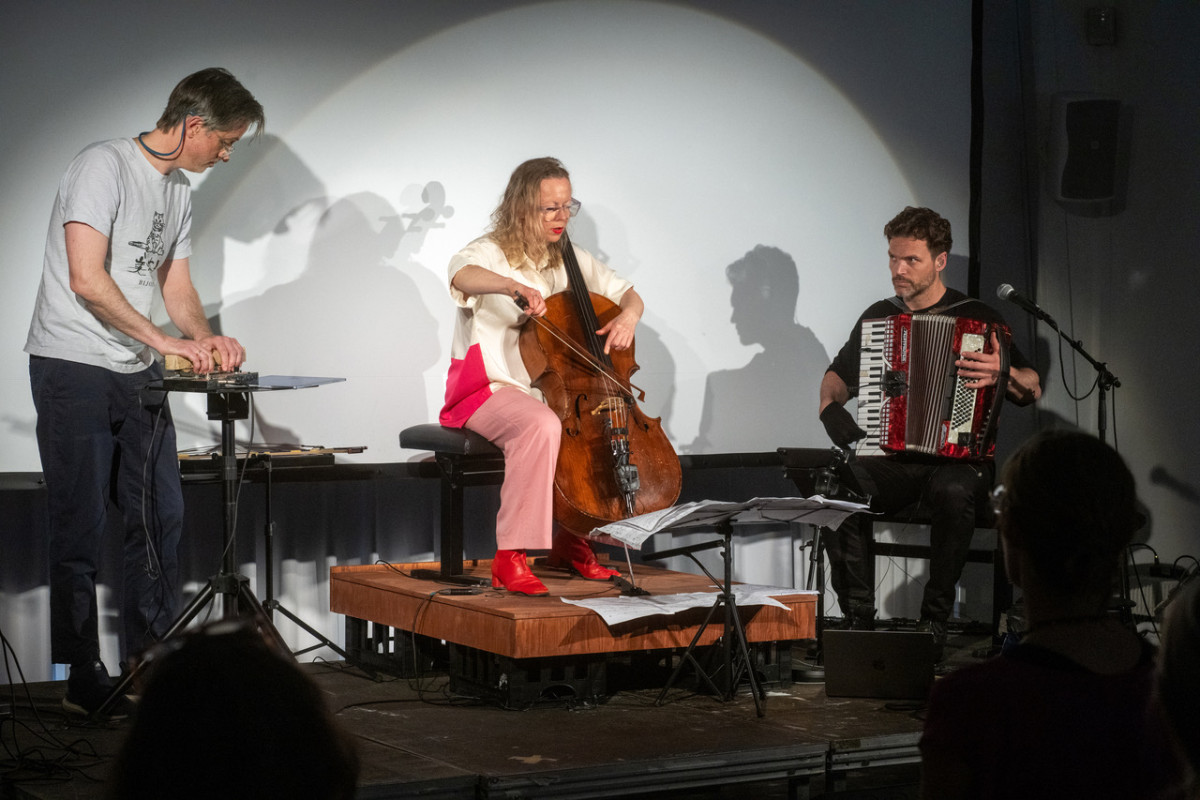
New Sounds at Louisiana is an initiative in which the Louisiana Museum of Modern Art has invited the record label Dacapo and the music publisher Edition S to curate concerts featuring living composers. Simon Steen-Andersen was the first composer in the series, and he seized the opportunity to assemble a programme that was not only overwhelming and exhilarating, but also deeply unsettling. Lasting an hour, the concert unfolded as a continuous sequence in which each work flowed seamlessly into the next, forming a single extended statement of at least part of the composer’s artistic practice and philosophy.
Combining video and live performance, the concert served as a manifestation of several of Steen-Andersen’s key artistic strategies. Central among them are techniques of estrangement and defamiliarisation, exemplified by Asthma (2017) for accordion, air pumps, and video, a work that explores and interrogates human breathing in all its positive and negative dimensions. Amid the many grotesque and humorous scenes – accompanied by Håkon Stene’s brilliant Foley-style soundtrack of air noises, sound effects, and spoken commentary – a brief clip of brutal police violence suddenly appears. In it, an officer methodically sprays pepper spray into the faces of handcuffed demonstrators. In that instant, everything else no longer seems quite so funny, and the crooked smile freezes.
The concert was a veritable sensory bombardment. Presenting all the works attacca undoubtedly created a powerful sense of flow, but it also left the audience almost saturated with impressions. Even so, the subsequent conversation between Simon Steen-Andersen and music critic and author Thomas Michelsen felt far too brief. Yet the composer succeeded in making his point: everything he does, he said, is a form of »deadly serious play.« Exactly.