






Blændende Femme
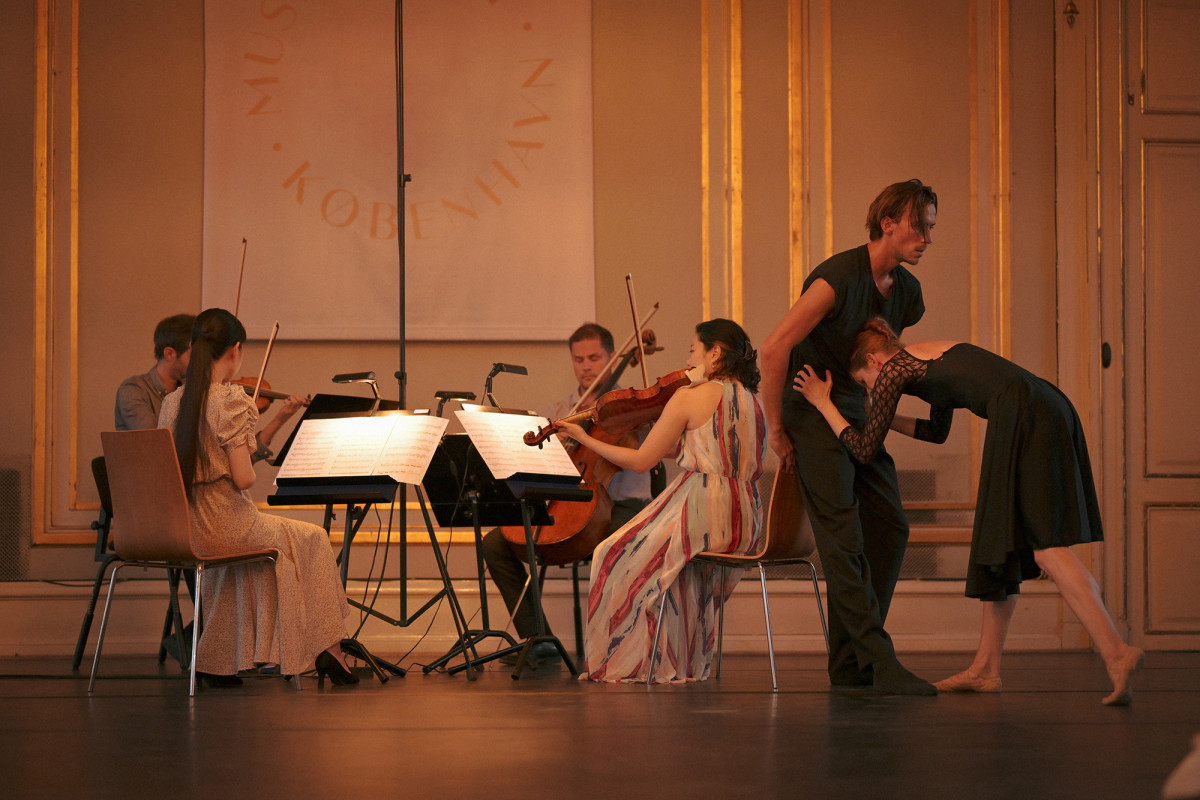

Equinox Chamber Music Festival sætter i år fokus på glemte stemmer og tabte skatte. Helt oplagt var derfor torsdagens kammerkoncert No Man’s Land, fuldt dedikeret til kvindelige komponister, hvilket tiltrak et stort og ualmindeligt ungt og hipt publikum til Musikhusets støvede rammer. Ny musik af Jessie Montgomery og Caroline Shaw gav koncerten særlig relevans og nerve, hvor instrumenternes klange blev sat yderligere i bevægelse af dansere på scenen. Som historisk modspil stod den på ældre værker af de tidlige pionerer Louise Farrenc og Amy Beach.
Den energiske Strum af Jessie Montgomery fungerede perfekt som koncertåbner. Som et ustoppeligt kraftværk spurtede strygerne frem med livlige folkerytmer, dybe strøg og grov pizzicatostrumming, og danserne spejlede hinanden i en koreografi fuld af nydelse og frihed.
Farrencs brusende sekstet bød på intens farvespil og dynamisk variation, hvilket til dels skyldtes den usædvanlige besætning for klaver og fem blæserinstrumenter, hvor den franske klavervirtuos Yannick Rafalimanana var blændende på tangenterne. Hos Beach flød senromantisk nostalgi tykt og overmættet, så det til tider føltes klaustrofobisk, og det havde måske været oplagt at erstatte et af hendes værker med endnu en ny komponist.
Caroline Shaws Entr’acte blev koncertens absolutte højdepunkt. På fineste vis åndede en strygekvartet Shaws cirklende suk, intime pauser og kollapsende harmoniske strukturer. De to dansere forstærkede musikkens varme poesi i Matteo Di Loretos dirrende smukke koreografi, der var umulig at fjerne blikket fra. Jeg hungrede efter mere, og må jo blot vente til næste år.
Gąsiorek Never Looks Back


Polish-born Szymon Gąsiorek has done it again – created a cornucopia of an album that both overwhelms and delights with its endless wealth of eclectic ideas, styles, and sound sources. As is often the case with this kind of release, where each track has its own distinct identity, personal favorites quickly emerge.
One clear favorite announces itself right away. The opening track, »TAK TAK NIE NIE«, explodes with an energy reminiscent of early Boredoms – a heavy dose of noise rock with shouted vocals, electric guitar, saxophone, gunshots, screams, synths, piano, and more. The third track, »STRACH LĘK NIEPOKÓJ«, also shines with a zeuhl-like momentum driven by militaristic vocals, insistent drums, jagged guitar, and saxophone. And even beyond the most immediately impressive tracks, Polofuturyzm is so packed with highlights and playful surprises that even half of it would have sufficed. Take, for example, »90s [NADZIEJA]«, featuring a trancey synth quickly and effectively sabotaged by free jazz-style drums and saxophone, or »JEDNOKIERUNKOWY«, which sounds like classic disco polo thrown in a blender and mixed with pitch-shifted vocals and clubby keyboards. Not to forget the eight-second slapstick piano flourish on »RĘCE«.
Polofuturyzm is driven by a manic refusal to ever look back. The only constant is the absence of consistency. Gąsiorek has been here before, but it still feels just as radical and refreshing.
English translation: Andreo Michaelo Mielczarek
Composition for Stone Walls
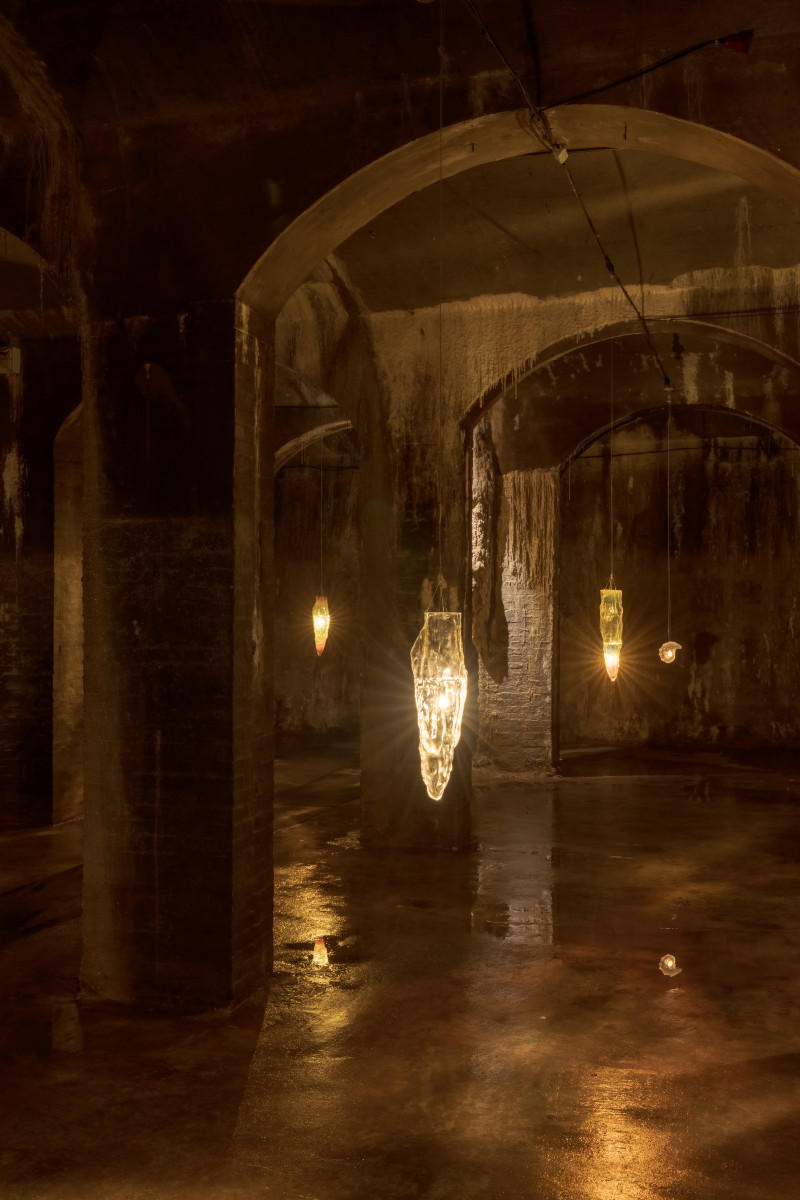

The contrast is striking when, on the hottest day of the year, you step down from the green lawns of Søndermarken into the underground world of the Cisterns, Copenhagen’s old water reservoir. The humidity is high, the light sparse, and stalactites hang from the vaulted ceilings, casting shadows in the puddles on the floor. And then there is the sound: in the empty columned halls, the reverberation can last up to 17 seconds. Even the slightest scrape echoes down here.
Since 2016, the Cisterns have functioned as an exhibition space, and this year Jakob Kudsk Steensen has transformed the halls into an underwater landscape of video projections, sculptural objects, and a soundscape created by Lugh O’Neill featuring Bjarke Mogensen on accordion. Mogensen, who is performing this evening, has a versatile taste. Perhaps a bit too versatile, I think to myself as I read the evening’s program, which spans from Bach to folk melodies from Bornholm. It turns out to hold together better than one might expect. These are compositions that seem to stretch time itself, where long tones – amplified and extended by the reverberation – form a murky foundation for short, pearling attacks, like marble balls ricocheting off a stone wall.
A shimmering, sorrowful composition by Nick Martin, inspired by Michelangelo’s Pietà – marble again – is followed by a meditation on echo among the cliffs of Bornholm by Frederiksberg-based composer Martin Lohse. Another piece rises slender and sacred like high vaults, while Mogensen’s own Passage crackles, snaps, and crunches like stones being broken. Mogensen’s accordion is in constant dialogue with the space; he calls, and the dark colonnades answer back – or is it the other way around?
The audience sits petrified, completely absorbed in the sound, as Mogensen masterfully makes his instrument sound like everything from a rapid breath to a thunderclap. When we finally emerge, heavy clouds hang over Søndermarken, and the heat is gone. The park feels transformed. The contrast is tangible.
English translation: Andreo Michaelo Mielczarek
Kristine Tjøgersen Crafts Unreasonably Beautiful Eco-Poetry

The wildlife of nature is both beautiful and playful – especially in Kristine Tjøgersen’s music. At the center of her new album Night Lives is the wild, unpredictable life of the night beyond the human domain. The album was created as part of the Ernst von Siemens Prize, which Tjøgersen recently received as the first Norwegian composer ever to do so.
The album is a seven-movement sonic version extracted from a staged work premiered at the Ultima Festival in 2023, and it works perfectly well as a standalone, semi-acoustic version performed by the Cikada Ensemble. The music ranges from playful, experimental, rhythmical soundscapes—full of rattling and crackling instruments – to intense, pulsating passages. Tjøgersen possesses a uniquely sensitive understanding of instrumental timbre, allowing her to morph seamlessly between acoustic and electronic worlds, cultural environments, and eras. From a simple, extended flute solo to a dancing computer universe – without blinking an eye.
Forty to fifty years ago, it was called postmodernism when old music appeared in new compositions as reused material. Back then, it made sense because many people had a mental library of historical classical music, a reflective space in which all new music was interpreted. Today, audiences’ minds are different. For example, Kristine Tjøgersen can easily use a completely straightforward Baroque movement as the album’s conclusion – serving as a starting point for music that gradually thins out and dissolves into a stunningly beautiful utopian world of acoustic strings and synthesizer. Without making you feel she is negotiating your sense of past and present. Natural sounds, imitations of nature, harmonies, and entire sequences are simply building blocks in her personal experimental lab. And what a lab it is!
English translation: Andreo Michaelo Mielczarek
When the Experiment Becomes Tragically Beautiful
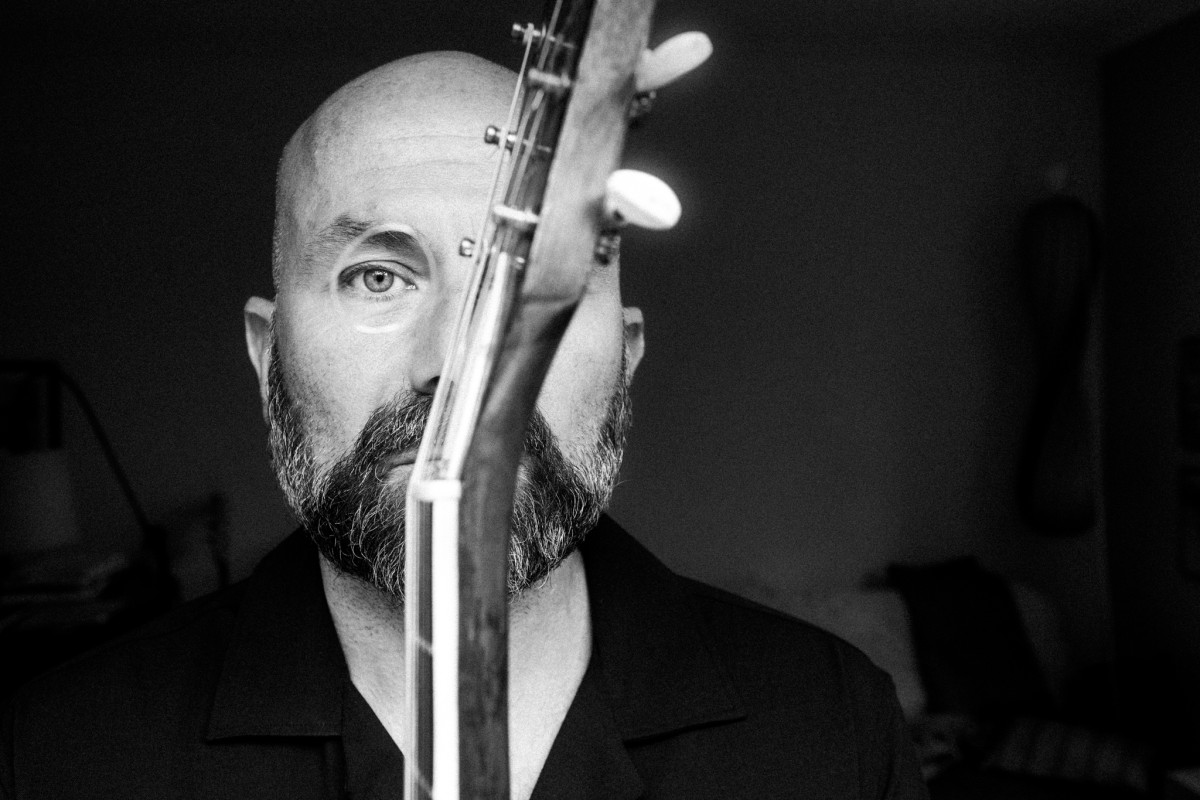
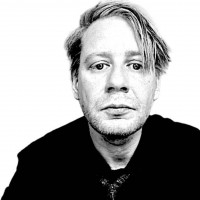
Normally, I avoid quoting press releases directly, but this description of the intimate and multifaceted Confluencia is hard not to echo. On this album, the Danish guitarist and experimentalist has assembled a small ensemble of musicians from the borderlands between neoclassicism and jazz. The real stars of the record are pianist Simon Toldam and – especially – Susana Santos Silva, whose trumpet bleats, breathes, and scrapes against the ear. She toots in ways rarely heard in postmodern experimentalism.
Confluencia seeks to reflect modern communication – a kind of communication that ought to transcend boundaries of race, gender, and other dividing forces – through instrumental music. A form that seems to be fading day by day in a haze of misinformation, miscommunication, and mistrust. Toldam’s piano leans toward eerie dissonance, while Solborg’s guitar adds a tender, almost vulnerable tone – especially on »Southern Swag«. The music is at its strongest when the instruments converge in conversation and unison moments, such as in the strange funeral ballad »Planes«, which teeters on the edge of collapse with ghostly piano figures and diabolical chimes.
Confluencia moves between jazz, folk, ambient, and avant-garde – with a chamber-like intimacy that insists on intensity, melancholy, and reflection. What makes the album truly powerful is precisely what many experimental releases lack: space for contemplation and dialogue with the listener. Tungemål dares to be experimental without overpowering itself – and paints with a broad emotional brush, where tragedy is always lurking on the horizon.
English translation: Andreo Michaelo Mielczarek
The Ever-Changing Waters Of the Mind
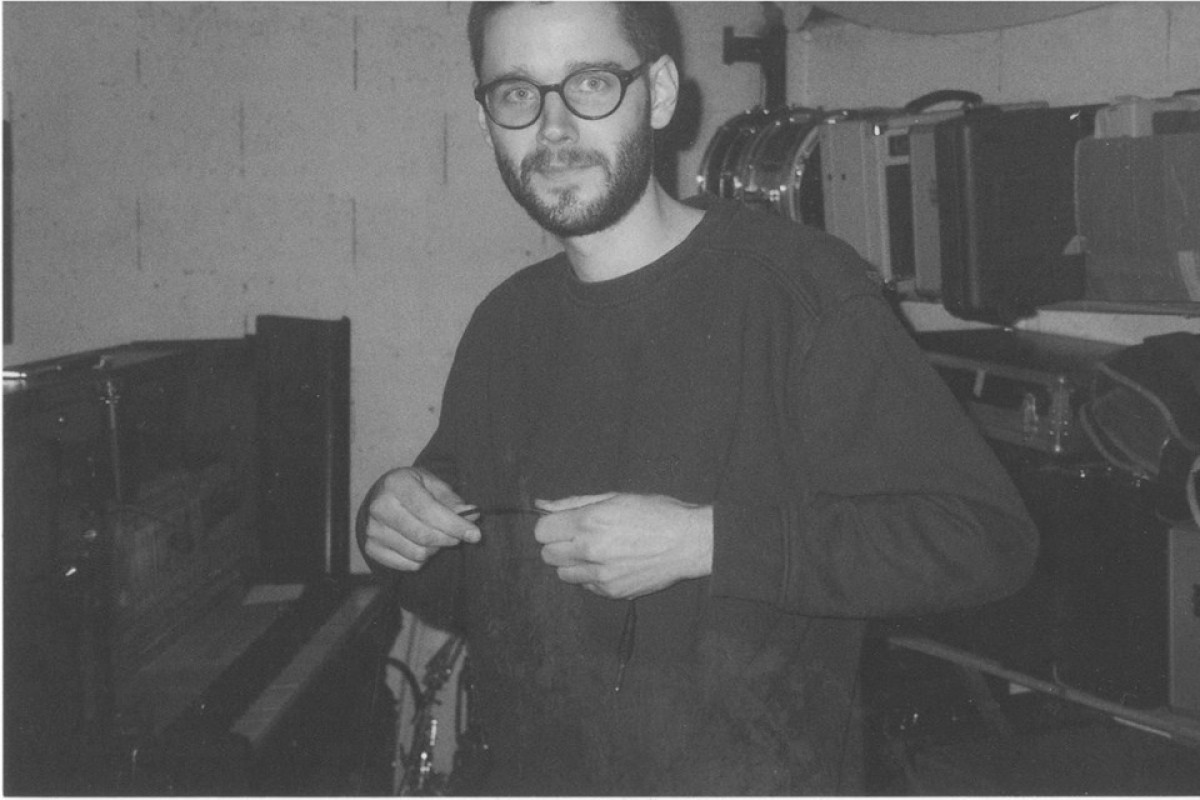

The sea is a powerful metaphor for the nature of identity – from stormy defiance to tranquil stillness, our individual traits drift in an eternally shifting ocean. On Original Spirit, French musician Les Halles drops anchor in the mutable waters of the mind, using pan flutes and dusty echoes as his compass.
The eight tracks are deeply rooted in the enveloping world of ambient music, and from the opening piece, »Angels of Venice«, the sound washes over the listener like gentle waves. Soft, bending synth textures accompany recurring flute runs, while echoes of the past flicker by like faded Kodak moments – faint glimmers of memory in a foggy inner landscape.
The word ambient can be traced to the Latin ambire, meaning »to go around«, and the genre is thus defined by music that »surrounds« the listener. Les Halles, also known by his real name Baptiste Martin, fully embraces this quality. The music is gentle, devoid of dominant melodies or rhythms – like a safe little bubble one can freely float in.
Like much ambient music, Original Spirit is free of lyrical frames of interpretation. However, the accompanying press text frames the album as a letter, written by Baptiste Martin during a disoriented period, including a stay in psychiatric care. As listeners, we’re invited to drift in a turbulent yet mirror-still sea of lost identities and lose ourselves in the warm current of consciousness the music creates. It certainly doesn’t break any ambient conventions – but it’s a pleasure to be swept away nonetheless.