
in brief
18.09.2022

Månelys i undergrunden

Signe Lykke: »Dødevande 1«
© Johan Rosenmunthe
© Johan Rosenmunthe

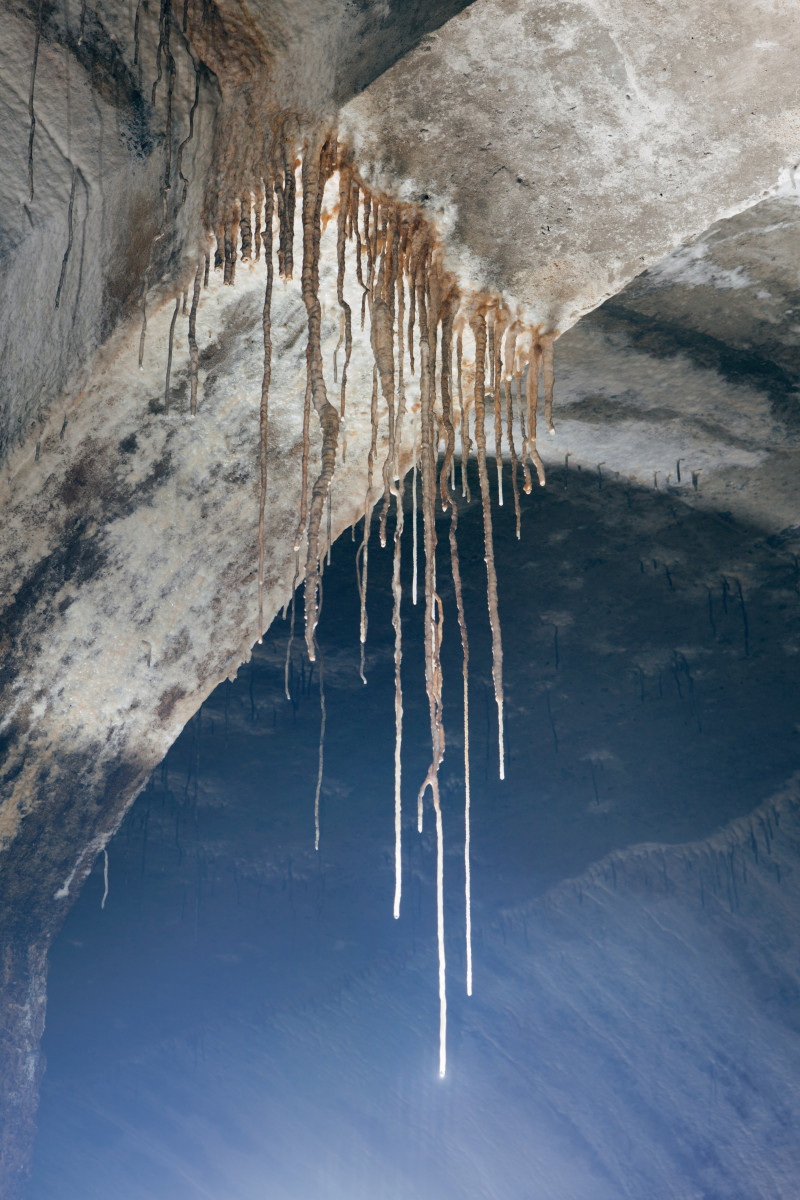
»Tiden larmer,« lød det hen mod slutningen af Signe Lykkes værk Dødevande 1. Vokalensemble UngKlang var blevet generationsudvidet til anledningen med to ældre kvindevokaler. Det var lige før, man kunne nå at gribe fat om de to ord i Cisternernes 17 sekunders enorme rumklang. 

Koret var placeret foran den japanske kunstner Chiharu Shiotas glinsende spindelvævsinstallation, og på samme måde var værket også spændt op mellem det krystalklare og det tæt kondenserede. Formen blev spundet af melodiske sekvenseringer og imitationer, der egentlig tegnede en klar retning, men havde det med at fordufte i hjemløse, obskure klangsøljer. 

Der var lys i den svampede undergrund: Luminøse, pure klange i sopranerne virkede som et overjordisk kald. Abrupte kraftfulde klarsyn i det kalejdoskopiske univers af talte ord, luftige droner og jazzede tilsnit. Et citat tonede stille frem: vuggevisen »Pjerrot sagde til månen.« Nynnet ungdommeligt og forventningsfuldt og spejlet i det dybere register som en modnet refleksion. Et minde, måske, dirrende på tærsklen mellem forskellige tider. 

På meget elegant vis fik Lykke syet generationer sammen, så det adspredte kom til udtryk som noget fintmasket og uigennemtrængeligt. Egentlig var der ikke behov for, at koret til sidst skulle bevæge sig ud blandt publikum. Det endte som en lidt for tyk understregning af den stedspecifikke forankring, der allerede var klart defineret af den betagende kompositionelle dialog med Shiotas uendelige spindelvæv. 

© PR

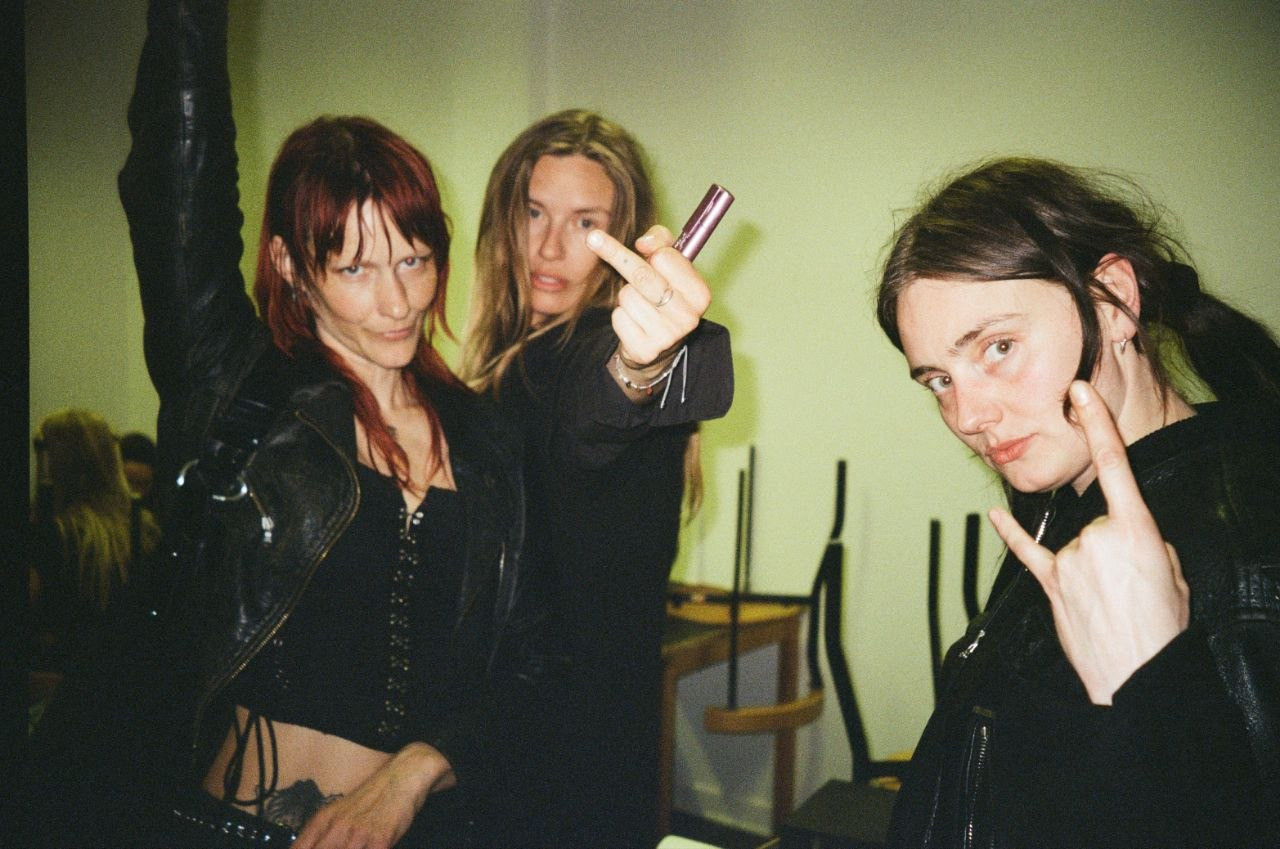
»Music is, to us, a kind of closed club of nepotism, networking and Copenhagen cowboy energy. But in reality, it’s got nothing to do with expensive guitars or technical skill. For us, music is something you can feel in your chest, or something that gives you goosebumps. The best concerts are when someone screams so earnestly that the rest of us don’t have to. The best music expresses emotions in a way that would get you picked up by an ambulance if you did it out on the street. For us, music should fuck with the people who have it too comfortable, and give those who have it fucked a feeling that they’re not alone. Boom. And what the fuck is a chord and a key anyway? Kisses from Nightmaries.«

Nightmaries blend saws, guitars and voices into a dark-country, no-wave, cowboy-doom nightmare. They create the kind of soundtrack that feels like a fever dream you somehow don’t want to wake up from. As the world gets stranger and darker, Nightmaries lean into the madness, serving up slow-burning songs that creep under your skin like a poison that takes its sweet time. Put on your favourite steel-toe boots, dip your smoky eyes in an ashtray, and prepare yourself for sloppy doom with punk energy.
© PR

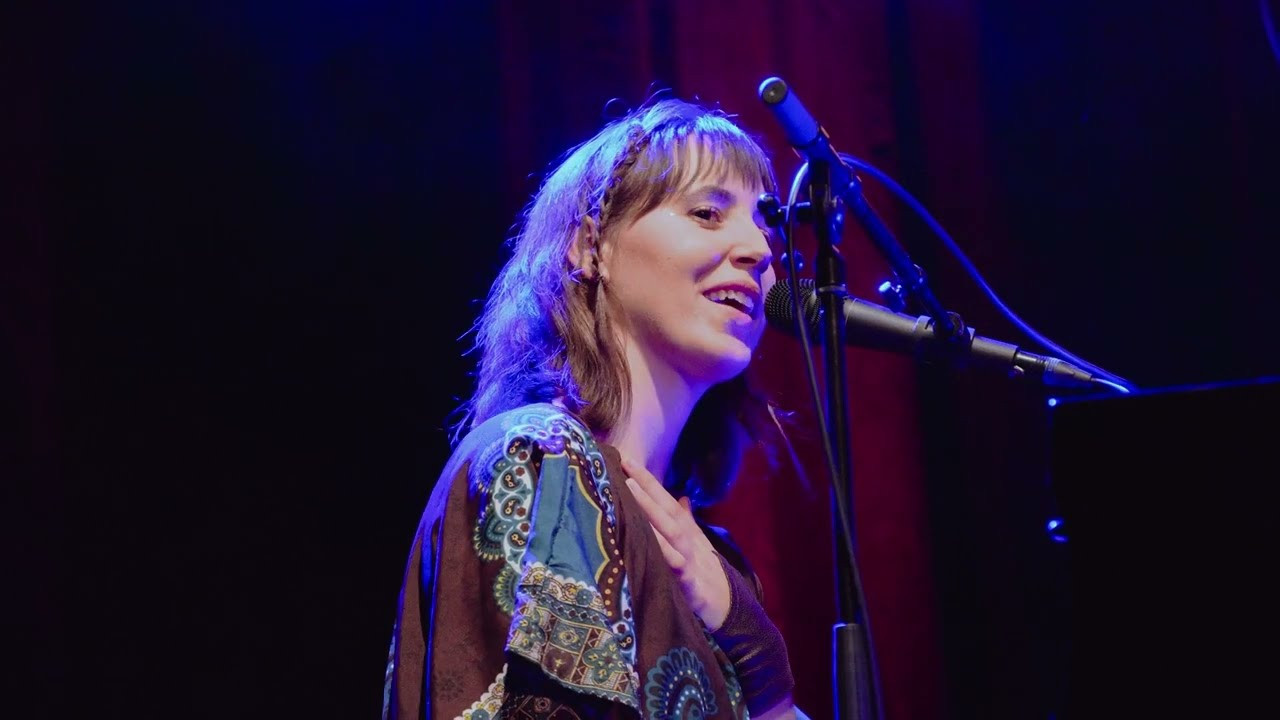
»To me, music is love. I love how music allows you to skip the small talk and connect directly with people’s innermost selves. It is an extraordinary and moving way to meet one another.«

Fenja wrote her first song at the age of twelve – about a polar bear dying due to climate change – and themes of existentialism, nature, and her own sensitive nature came to define the lyrics and sound she has since developed. She released her debut album, Flugtdyr, in 2021, and in February 2026, she released the album Menneskedyr.

© PR
© PR

Danish composer Sofus Forsberg has died at the age of 56. With his distinctive blend of melodic sensibility, electronic processing and rhythmic precision, he created a musical world that moved effortlessly between IDM, pop and the avant-garde.

© Simon Weyhe

»Music for me is my hobby, my job, my outlet, my mood, an endless source of discovering new music and new, old music, some of the best and can be some of the worst. And I love it!« 

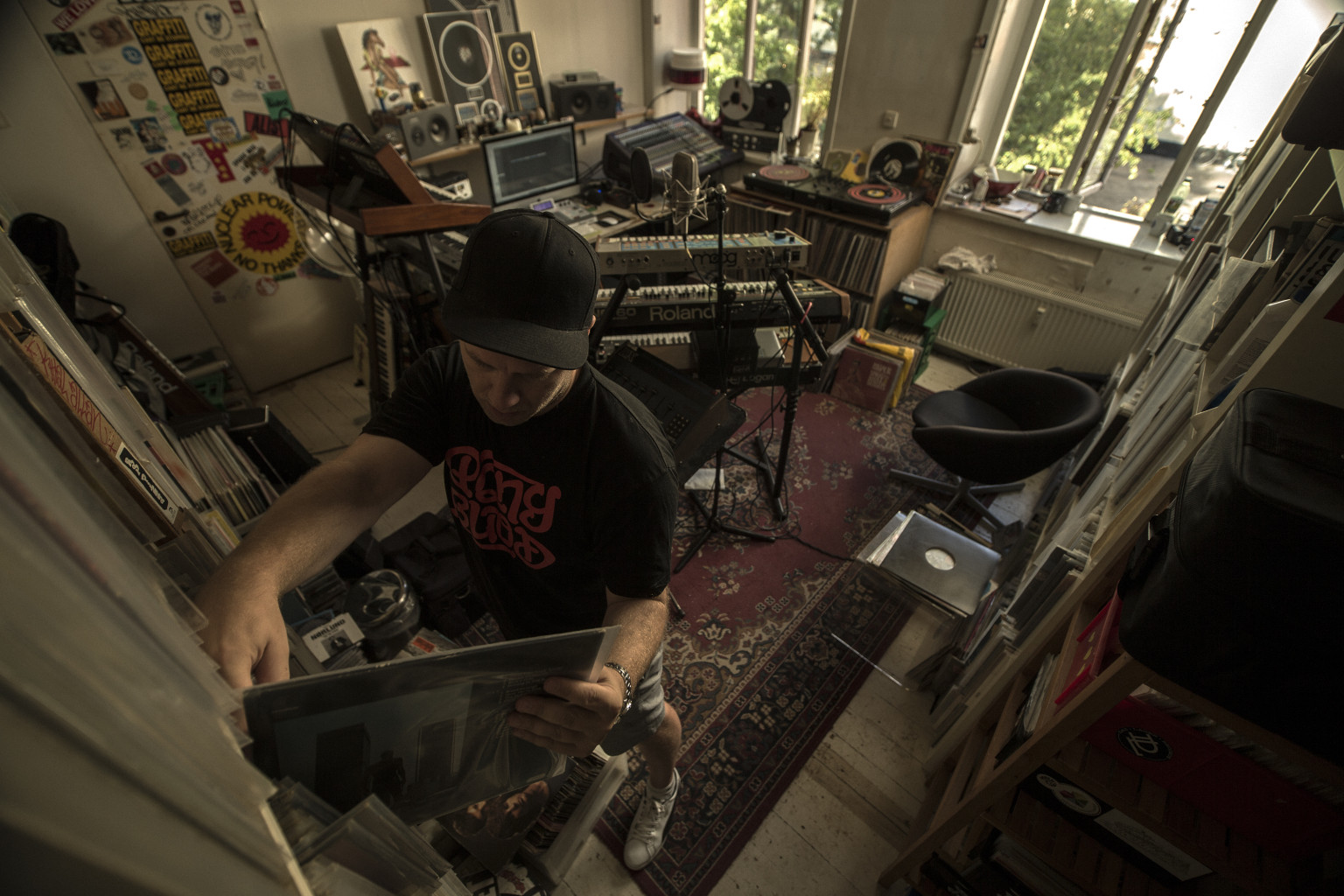
Track72 aka Tue Track aka Anders Lundby Brixen. Producer, DJ, rapper and more. Known for his role in the trio Malk De Koijn, which since the mid-1990s has created a personal universe in Danish hip-hop. Has performed in Ponyblod, Xtra Naan, Track Abdullah Rock, Booty Cologne and others.

© PR
© PR

On Wednesday, 5 August 2026, it happened again: a chord in John Cage’s Organ2/ASLSP (As Slow as Possible) changed after two and a half years. Classic FM reports.

The work was written by the American avant-garde composer John Cage in the mid-1980s. The score consists of eight pages of music, and, as the title suggests, the instruction is to play it »as slow as possible.«