
in brief
11.01.2023

Flipping the bird with a broken thumb

Faust: »Daumenbruch«
© PR
© PR

Siden dannelsen i 1971 har Faust altid været Krautrocks »enfant terrible«. For det første, selvom de har produceret et nummer, som netop hedder »Krautrock« på deres mytiske album Faust IV fra 1973, har de aldrig passet til nogen tag eller kliché forbundet med tysk rockmusik. Mindre »kraut« end Can eller Electric Sandwich har de en tendens til at rykke tættere på de tidlige improvisationsinkarnationer af Amon Düül og Ash Ra Tempel, med en tung dosis industriel elektronik fundet i Die Krupps eller Einstürzende Neubauten.

Daumenbruch (»Brækket tommelfinger«) – bandets 16. album til dato – er en perfekt fortsættelse af deres oprørske karriere. Det er et konceptalbum skabt med gæstemusikere fra andre tyske bands som blandt andre Einstürzende Neubauten og Schneider TM, der tilføjede deres lyd til nummeret uden at vide, hvad de andre spillede. Resultatet er et hypnotiserende album med tre numre (»Weissechokolade«, »Default Mood«, »Border River«), der næsten kunne defineres som »kvantemusik«, da det synes at indtage forskellige rum og epoker på samme tid. Konstruktionen af ​​hvert nummer plus kompositionen af ​​albummet gør, at man umiddelbart føler sig hjemme og i en helt anden dimension. Ekkoer af moderne industriel- og ambientmusik blandes, mens minder om ældre radikale tyske projekter som DOM eller Embryo dukker op.

Tilsyneladende venligere over for lytteren end Faust Tapes fra 1973, men musikken kræver ikke desto mindre et åbent sind og en nysgerrighed efter dissonanser og teksturer. Bag albummet står musikalske genier, der aldrig rigtig har bekymret sig meget om hypen, og som beviser det endnu en gang uden at knibe. Selv med en brækket tommelfinger formår Faust give en fuckfinger til mainstream og den moderne musikalske sovs.


Oversat fra engelsk af Andreo Michaelo Mielczarek

© Kåre Viemose

»Recently, I discovered that when a couple of thousand people clap their thick gloves in minus 30 degrees, it sounds like the softest techno – a freezing space where the cold air turns into a wave of warmth, and we, in a moment of collective devotion, become one with the rhythm, one with the invisible bond that connects us in the warmth of silence. Music is not just sounds, but a vain attempt to capture the infinite, which has always been and always will be.«

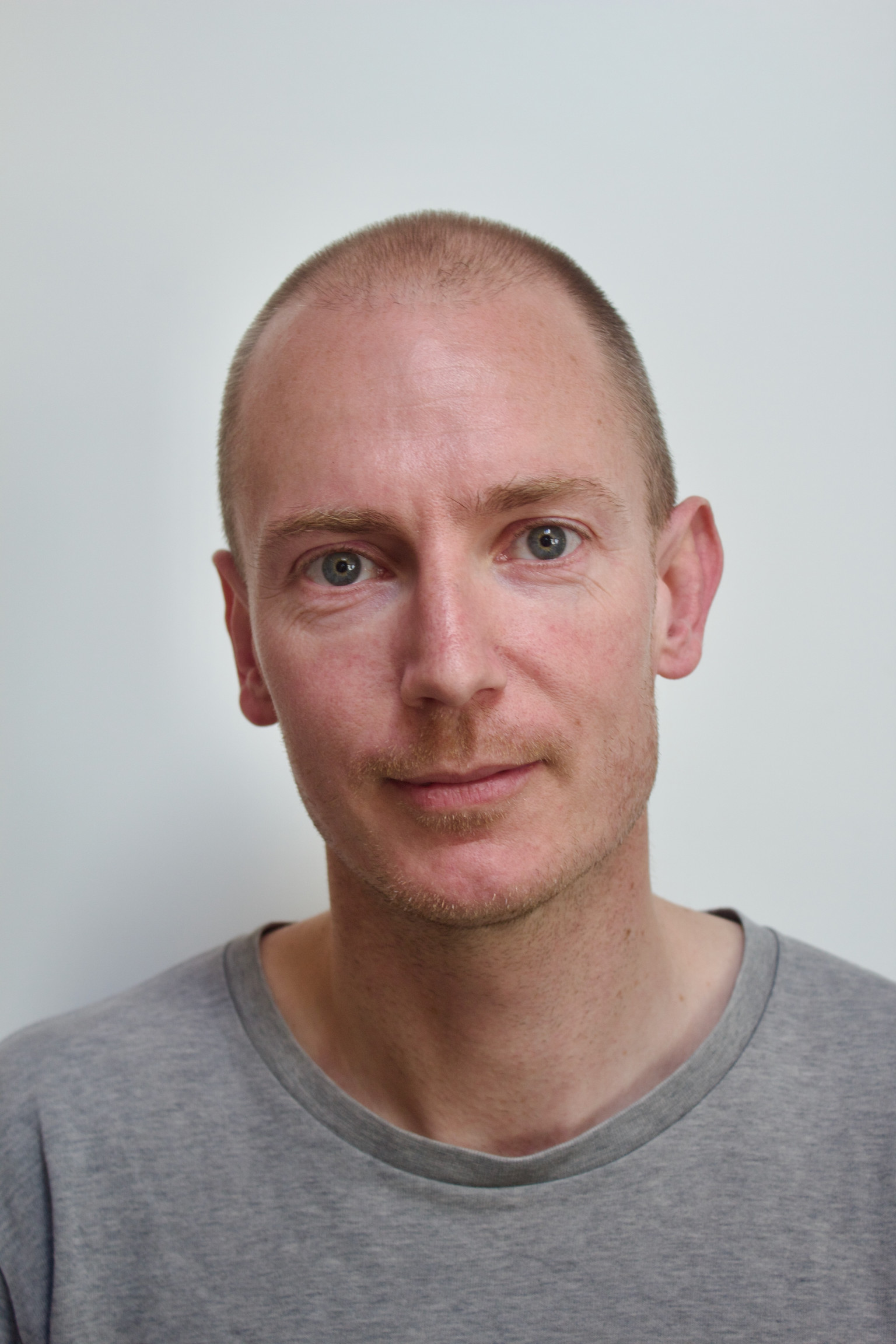
Andreo Michaelo Mielczarek has been the editor-in-chief of Seismograf since 2021. He is also a music critic and cultural journalist at Kristeligt Dagblad and Århus Stiftstidende/Avisen Danmark and has over the years written to publications such as Kunsten.nu, Glissando (Poland), Neural (Italy), Raw Vision (UK), Nutida Musik (Sweden), Kunstkritikk (DK/Sweden), Iscene.dk, B.T., and Jazz Special. He is the author (together with Lars Muhl) of the book HVA' SAA! En guidet rutsjebanetur gennem Aarhus – før, nu og i fremtiden (2024) and has also contributed to the anthology on music criticism Man skal høre meget (ed. Thomas Michelsen and Claus Røllum-Larsen, 2024). He is a founder and partner in the Polish-Danish cultural organization Kultur(a), and wherever there is a piano, he will be there, eager to coax a melody from it.
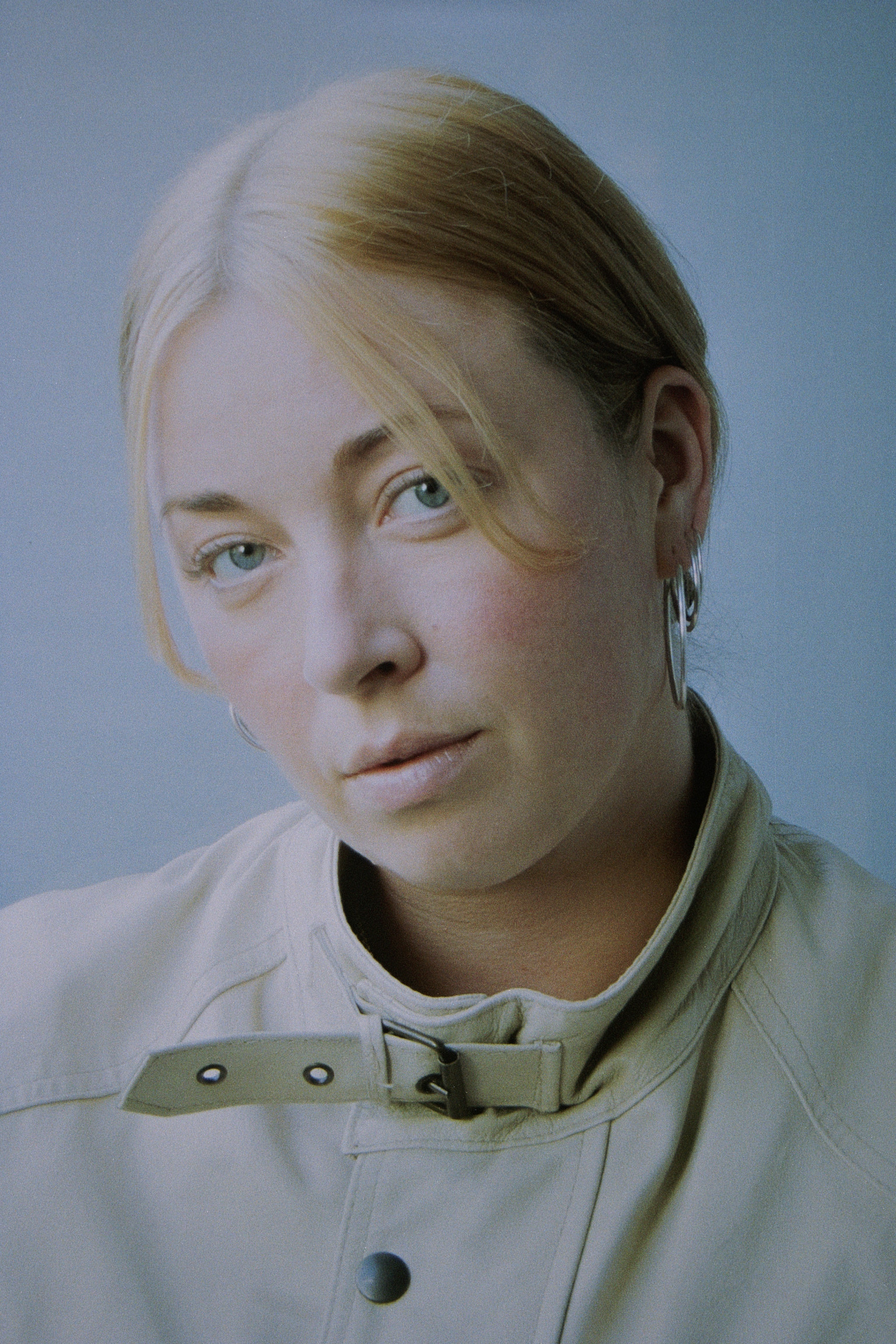
© Aria Leth Schütze

»For me, music is an opportunity for transformation.«

Aria Leth Schütze is based in Copenhagen and is the creative force behind the music projects Alto Aria and Samler På Dig. They are a co-founder of the record label Rhizome and a co-editor of the music magazine Passive/Aggressive. Their practice brings together electronic and acoustic music in an exploration of transformation.
 

© PR

»For me, music is the art form that – if measured in hours and minutes – occupies by far the greatest part of my life. I cannot sing, nor can I play an instrument, but I can listen – as a happy amateur – while cycling, on the dance floor, and, above all, at the office. I almost always work – that is, write – to music.« 

Mikkel Krause Frantzen (b. 1983) is an associate professor at the Department of Arts and Cultural Studies, a literary critic for Politiken, and the author of several books in English and Danish, such as En fremtid uden Fremtid (2018), Klodens Fald (2021), and Slutspil (2024).

© Mads Nissen
»Music is what gets my gears turning. It sets both my body and mind in motion – and on a good day, even gets them up to speed. My listening habits are entirely shaped by my mood... and by the musical tastes of my two children, which shift every eight minutes... so the home stereo gets exposed to a bit of everything. In a way, that’s exactly how it should be. Room for everything and everyone.«
 
David Dyrholm (b. 1990) is a food and music critic for Politiken, focusing on jazz – ranging from the traditional to the modern—and avant-garde music. Alongside this, he has worked for the Modern Jazz Days festival, served on the jury for the DMA Jazz awards, and previously released a number of records with the hip-hop collective DoktorDoktor.
in briefrelease
25.09

An Organ in the Dark Forest of Doubt

Calum Builder: »Although Changed, I Arise the Same«
© PR
© PR

Last year, Builder released Poor_in_Spirit, an album in which he explored, on his own, the sonic possibilities of his self-built organ. It was an album shaped by this exploration, but ultimately also by the limitations of the organ itself. On Although Changed, I Arise the Same, the composer finds a way beyond them.

The organ is now joined by three additions: Builder’s own alto saxophone, along with the voices of Zola Mennenöh and Johanna Sulkunen. It makes all the difference, providing the diversity of instrumentation that Builder has repeatedly demonstrated his ability to compose for. At times, the organ’s bass sinks beneath the voices and saxophone like a light haze; at others, it envelops them in a heavy fog. It howls like wind in the trees and roars like a train in the night. Mennenöh and Sulkunen sing, chant and breathe simple, repetitive phrases about spiritual uncertainty and searching, as though lost in the dark forest of doubt.

It is a Spartan form of storytelling, giving the listener enough lyricism and atmosphere to set the mind in motion, but never so much that it becomes overwhelming. This is where Builder’s strength lies: his music clearly grows out of his life and experiences, yet he composes in such a way that the listener is invited to enter the story with their own imagination.

Builder determines the colours, but leaves part of the picture to the listener. It is an album that is far more restrained in its dramaturgy than previous releases. No less beautiful or inspiring for it.

English translation: Andreo Michaelo Mielczarek