in brief
15.02.2023

Synkoperede skåltaler

Hess Is More: »Apollonian Blackout«
© Christian Friedländer

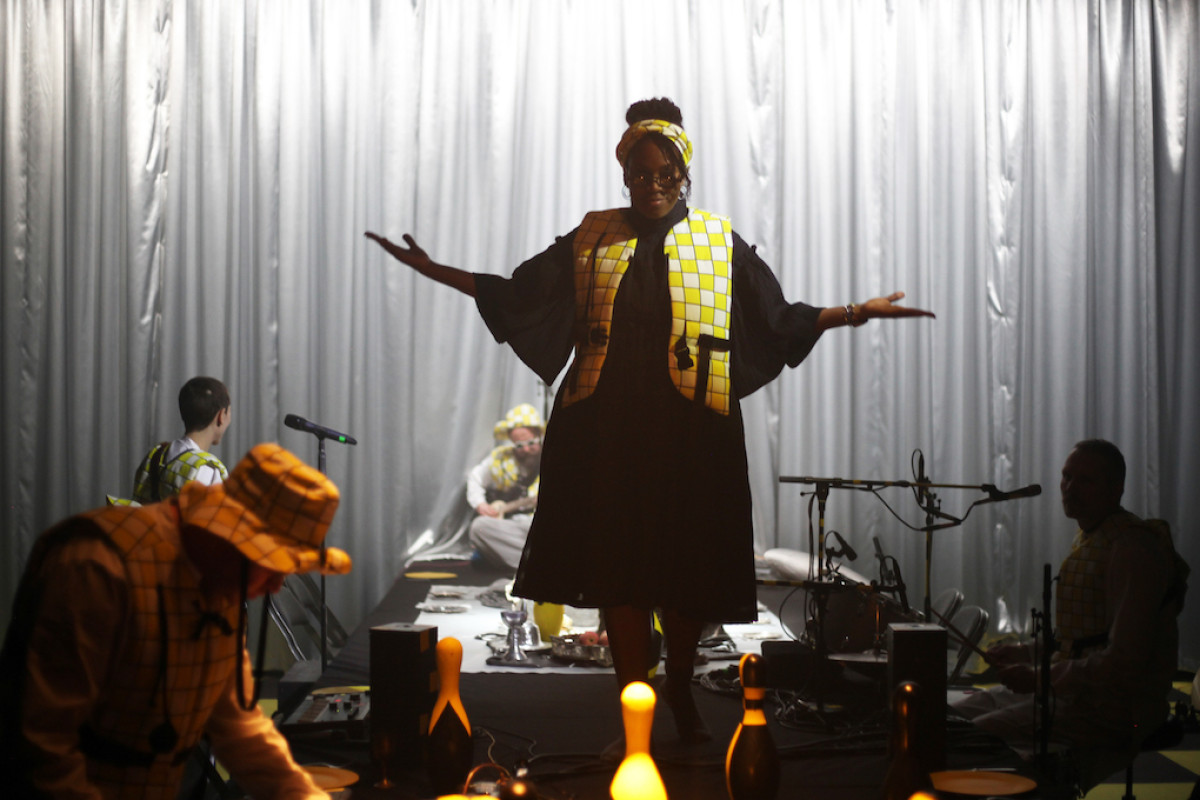
En familiefest i fire scener – det er den rituelle ramme for Apollonian Blackout. Ceremonier, død og genfødsel i et krydsfelt mellem performance, koncert og installation. Først pumper en hjerterytme fra en trommemaskine, vibrerende 80’er-synth-frekvenser ulmer, mens John Carpenter scorer sin egen begravelse. Et stemningsfuldt anslag, der dog ikke når et fyldestgørende klimaks i sine melodiske forskydninger, inden tæppet falder, og man bevæger sig videre langs det spisebord, der er scenografiens omdrejningspunkt. 


Musikere dukker op med slagtøj og akustiske streng- og blæseinstrumenter, eksperimentende, jazzet, groovy er det, og publikum inviteres til at udfylde pauserne med taktslag på bordets vinglas. Der chantes i tekstbidder – fragmenter fra generationers skåltaler væves ind i musiktapetet. Kærlighed, minder, længsel.. 

Det »transatlantiske ensemble« kan både være jamband og New Yorker-kantet som Laurie Anderson med hverdagslige og sloganklingende ordlyde. Stramt eksekveret men også legende som i cirkus med høje hatte og candyfloss som skrub-af-mad.

Der bydes op til dans, og trancen indfinder sig. Eskaleringerne muterer i dissonans og disciplineret polyrytmisk feberdrøm. Spisebordet udmunder i et ormehul malet på endevæggen; stedet hvor tiden strækkes og det lineære og cirkulære smelter sammen. Lidt for letkøbt højpanderi? Måske, men også en variation over Hess Is More’s udforskning af scenografiens materielle afsmitning på kompositionen fra forgængeren Apollonian Circles, som arbejdede med det cykliske. Apollonian Blackout undersøger, hvornår et konstant udviklende forløb bider sig selv i halen. 

Trådene samles i festens rytmiske ophav – den afrocubanske musiks gyngende gentagelser. Beruset forlader man familiefesten, hyperopmærksom på kroppen, sanseapparatet og hjertets banken.


© Niklas Ottander

»Music is a deep, but not serious, spiritual practice, in which creator, collaborator, and consumer alike are their own personal pope.«

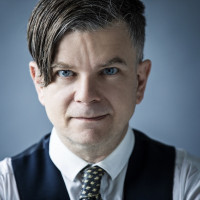
James Black (b. 1990) is a composer, performer, and artistic director of Klang Festival – Copenhagen Experimental Music. Originally from Bristol, England, they moved to Copenhagen in 2013. Black's works have attracted a large amount of attention both nationally and internationally for their signature combination of artistic courage and vulnerability, described by the Danish Arts Council as »a universe of real madness where everything goes«. Their work is a deep and personal exploration of topics such as religion, loss, and queer identity, that is unafraid to be stupid or serious in any direction.

© Christian Klintholm

»Music is just something for me.«

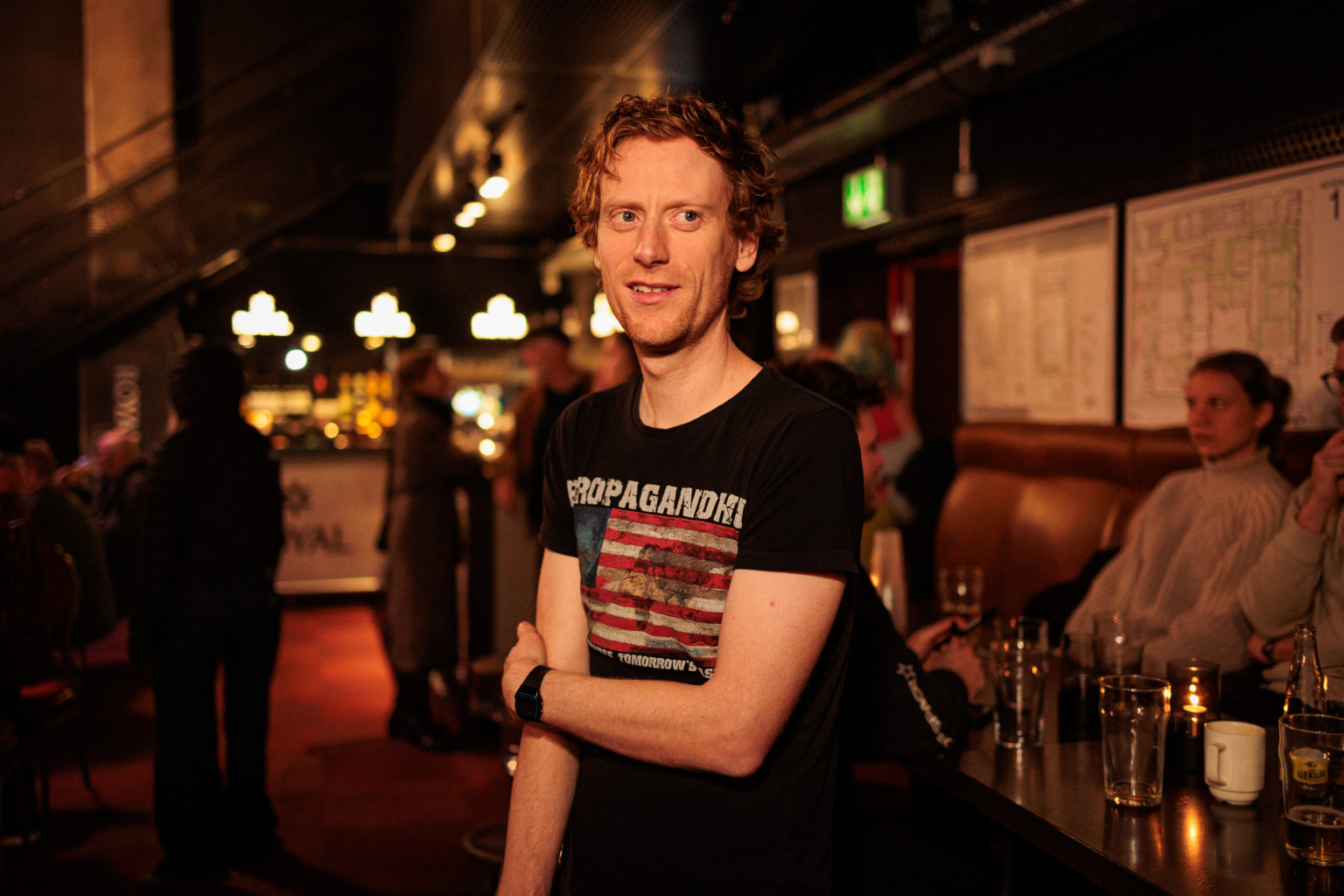
Christian Juncker is a Danish musician and songwriter who has released a number of Danish-language albums. He debuted in 1995 with the band Bloom. Together with his friend Jakob Groth Bastiansen, he formed the duo Juncker in 2002. He is also behind the Christmas carol »Luk julefreden ind« from 2024.

© Guy Wasserman

»Music, for me, reveals the emptiness of boundaries and definitions – in consciousness, in space, and in music itself.«

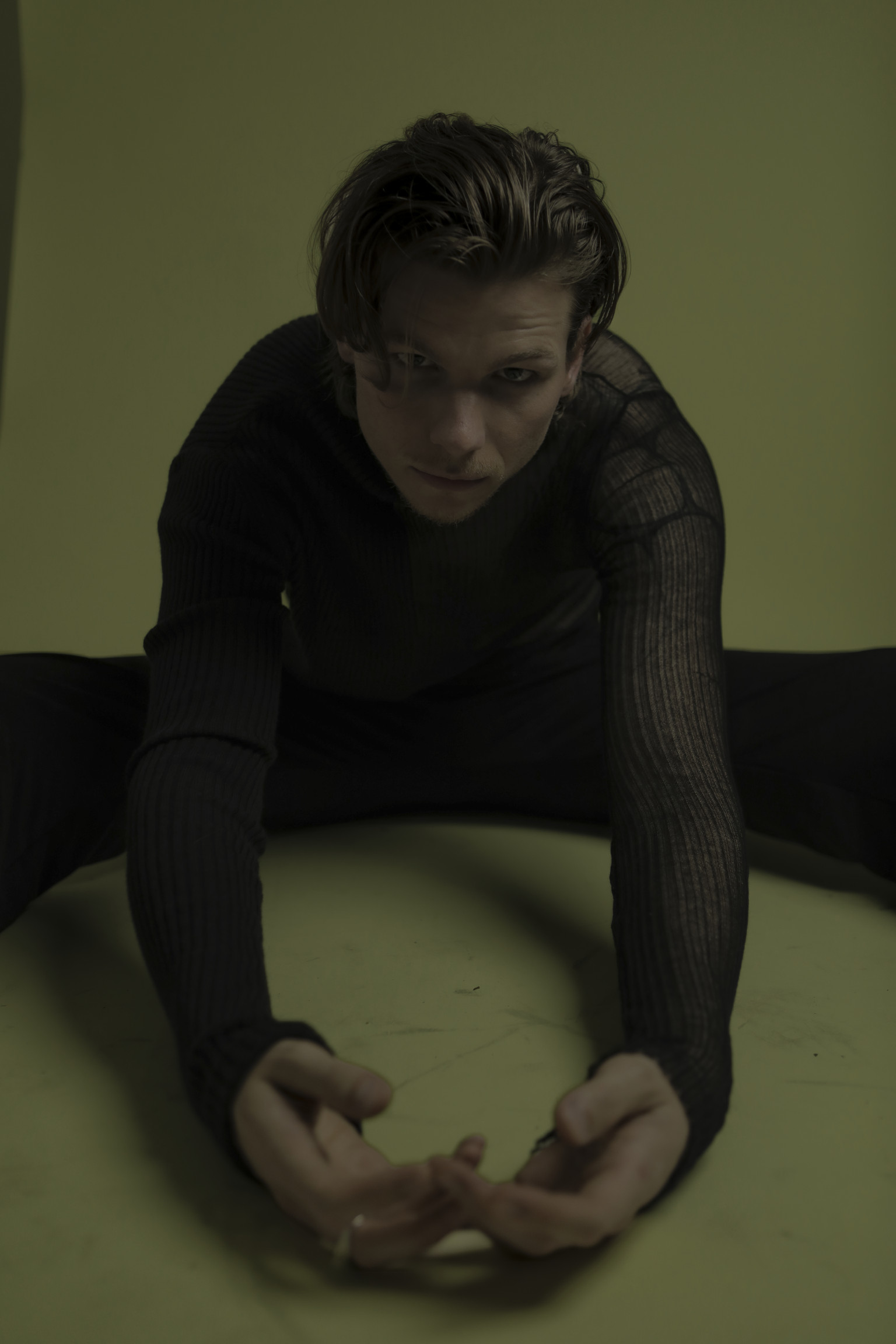
Idan Elmalem is an oud player and composer working across world and popular music, now presenting his debut instrumental EP and live performance project. Following years of collaboration within the Israeli music scene, he turns toward a more personal and intimate musical voice, blending traditional oud with a contemporary sensibility. Influenced by his studies with master Nissim Dakwar, Elmalem’s music explores the space between tradition and innovation. His debut EP, Time, features three live-recorded pieces that move between past, present, and future, combining classical Arabic and Persian elements with jazz, minimalism, and cinematic sound. Based in Tel Aviv, Elmalem draws on his Moroccan-Danish heritage in his work. He is a graduate of the Jerusalem Academy of Music and Dance and is currently pursuing a Master’s degree in Ethnomusicology at the University of Haifa, alongside his work as a player and composer.

© PR

On May 29, the Aalborg-based collective Datahaven9000 takes over the venue Skråen, transforming its main hall into a concentrated one-day festival of electronic music. The event is part of the concert series Bystanders #3, where the stage is handed over to local scenes rather than the venue’s in-house programming.

© PR
© PR

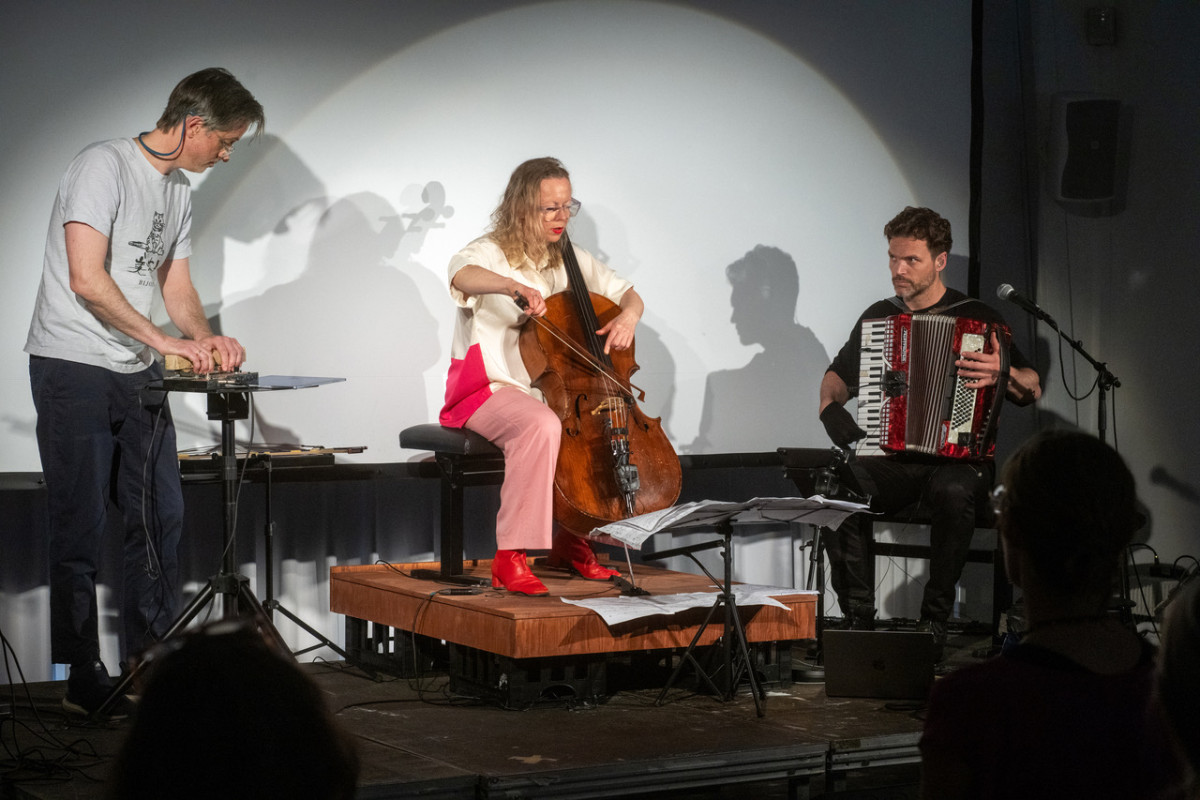
Two of contemporary music’s most uncompromising material thinkers meet on Music for Intersecting Planes: the American organist Kali Malone and the French cellist Leila Bordreuil. Malone works with oversaturated blocks of sound and sonic mass as a sustained pressure, while Bordreuil seeks friction – her cello a recalcitrant organism that creaks and resists.

What they share is an ascetic attention to the specificity of their instruments. The organ and the cello are pushed to their outer limits, where recognizability dissolves and overtones emerge like hidden entities.

The title pieces, »Intersecting Planes I» and »II«, unfold as undulating ruptures of sound: animalistic, almost elephantine cries that surge forward and recede again. Only rarely can the sound be identified as organ or cello. (»Pilots in the Night« comes closest to a familiar balance between the organ’s gravity and the cello’s resistance.) Otherwise, the music moves within a field between the metallic and the electronic, as if the sound originates neither from strings nor pipes.

It is not mass that is being explored here, but rather a kind of hollowness: an airiness that is not light, but permeated by an indeterminate resonance – something ancient, almost ceremonial. The album holds something far more porous and open than Malone and Bordreuil’s earlier works. The sound appears as a concave form, bending inward, like an absence of material. The sonic landscape carries its own dissolution within it as an inherent delay – as if the music exists, first and foremost, as the erosion of something one thought one heard.

English translation: Andreo Michaelo Mielczarek