Eivind Buene
10




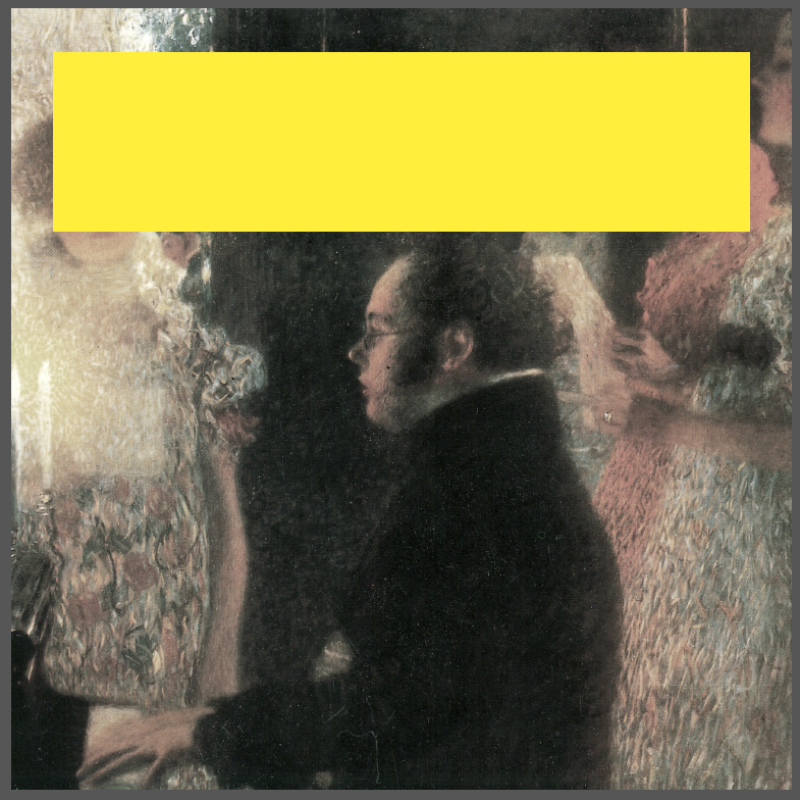
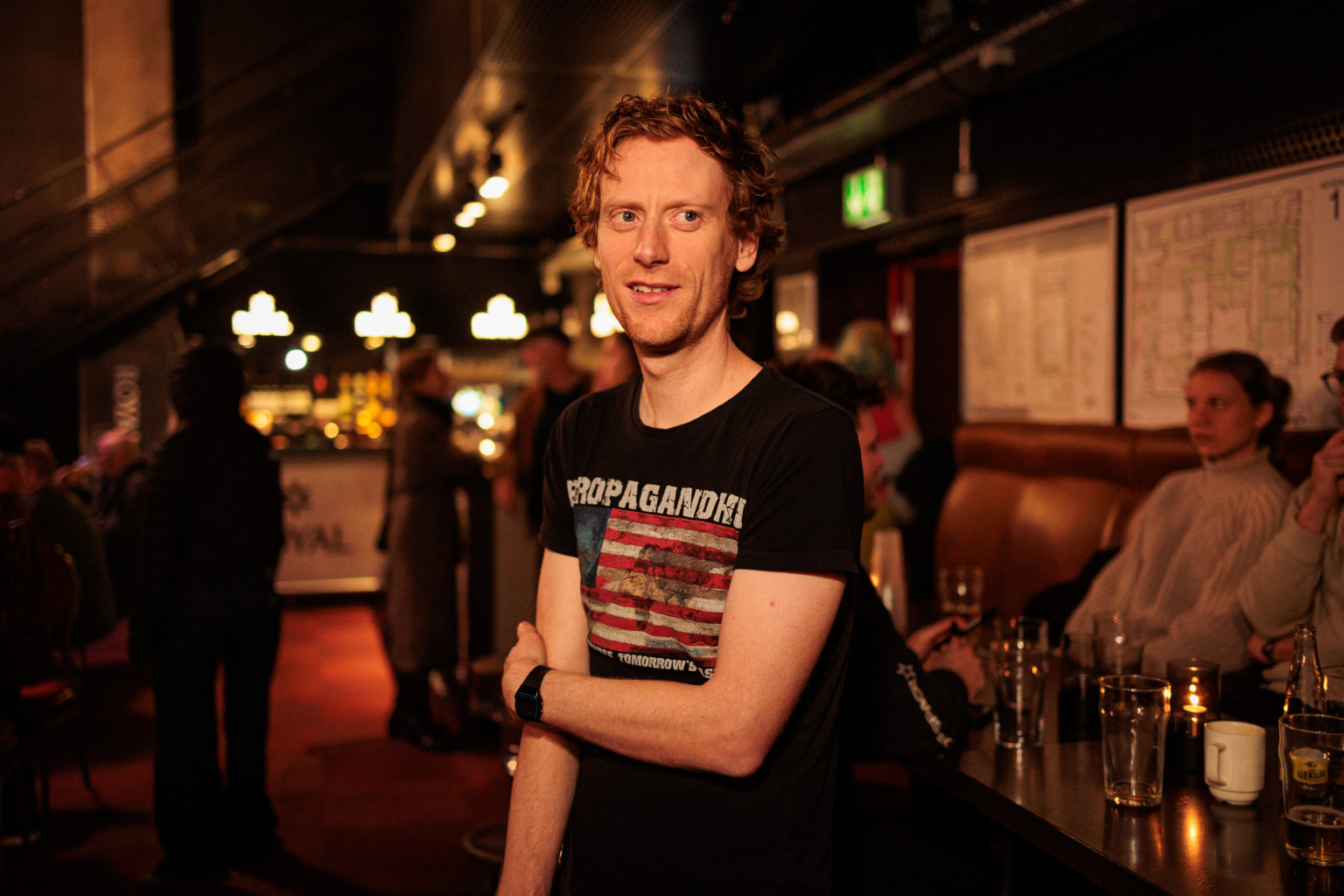
It is always a huge risk to re-interpret classical icons and drag them onto the contemporary scene, especially if you are an award-winning composer and musician of international fame, such as the Norwegian Elvind Buene. Classical music, like all genres, has its small circle of purists and aficionados that are prompt to flag down any attempt to move the statues they adore out of their mausoleums. And this is exactly what Eivind Buene does in his Schubert Lounge album.
The title itself announces an unorthodox approach to the famous German Romantic musical genius: a lounge is not exactly the type of room or architectural installation one would immediately associate with Franz Schubert. But what Buene points to is that Schubert’s music, and more specifically his songs, the famous lieder sung by Kathleen Ferrier and Dietrich Fischer-Dieskau, are about intimacy and that they can be heard today in the half-lit comfort of a lounge, as they were in a salon by candlelight.
There are ten songs on the album, all with their titles in English and without the corresponding German name. For instance, we have »The Sea« and »Beautiful Moon«, which are (very well) known as »Am Meer« and »An Den Mond«. The songs themselves are translated (or adapted) into English, turning the whole project into a singular musical object, which totally deconstructs the traditional prison walls of music history.
Eivind Buene’s voice does not compare with Ferrier’s or Fischer-Dieskau, and it doesn’t even try to. By re-arranging harmonics in modern dissonances and replacing the nuances with a surprising flatness of tone, sometimes switching to delicate higher notes, Buene tells us that classical music is not what we assume it to be: a motionless monument that keeps repeating itself. Turning Schubert into a transnational composer is a radical choice, and a real dangerous one, the risk being to be laughed at, shunned or, even worse, ignored. A Norwegian artist deciding to sing 19th century German lieder translated into English in 2022 is not just an act, it is a radical manifesto. As Buene has written in an article published online, »Music is always now in the sounding moment. Music is, in a sense, a history of unfinished work.«
And this album absolutely proves it.
»Music, for us, is a fusion of different consciousnesses into a single shared focal point.«
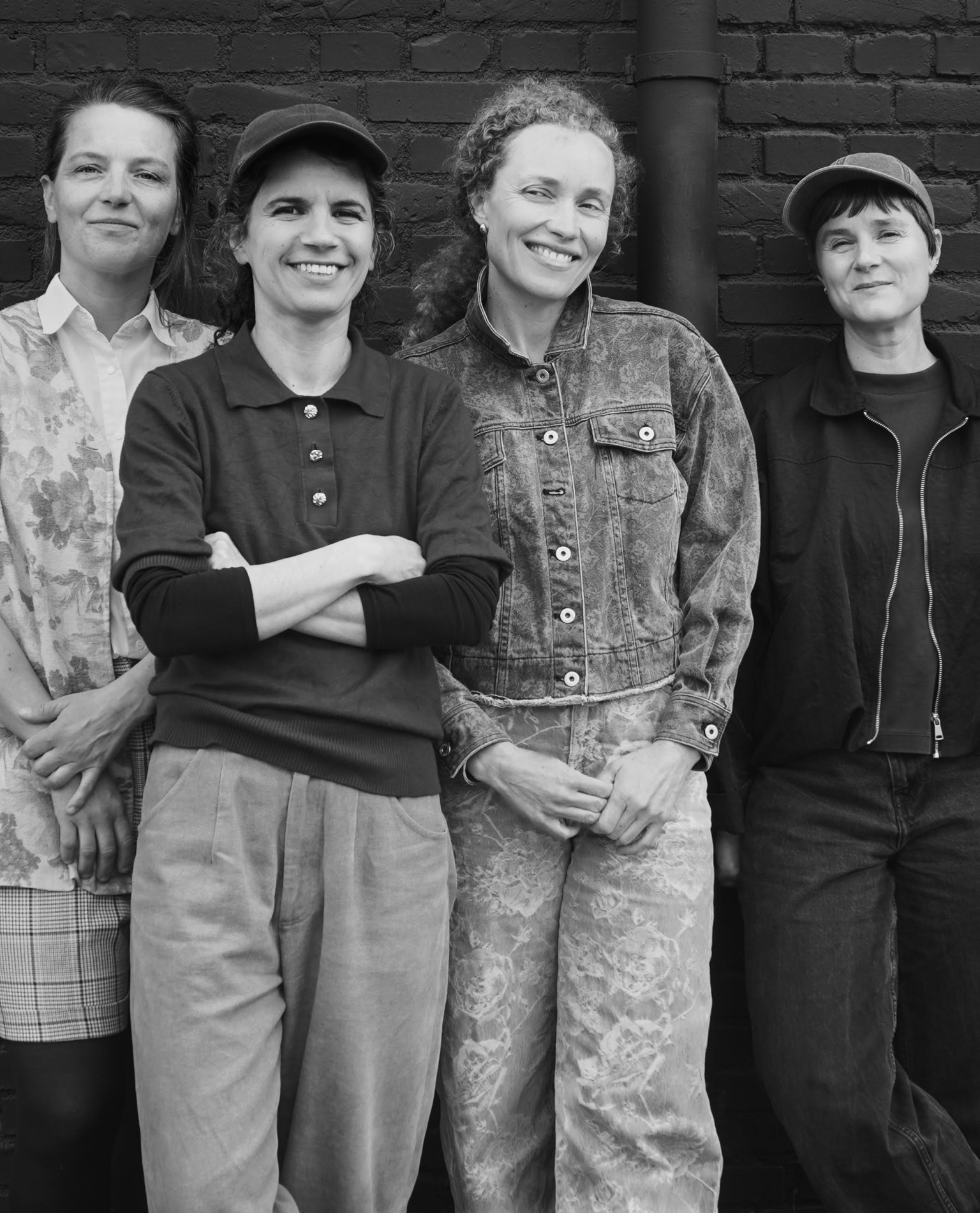
The band Selvhenter was founded in 2010 by trombonist Maria Bertel, saxophonist Sonja LaBianca, violinist Maria Diekmann, and drummers Jaleh Negari and Anja Jacobsen. In 2017, Maria Diekmann left the group, and Selvhenter continued as a quartet.
Selvhenter’s sound is driven by a deep fascination with sonic textures, rhythmic displacements and polyrhythms, acoustic and electronic melodies, hard-hitting compositional choices, improvised beauty, and a sheer joy of creating and performing music. Selvhenter has played concerts both in Denmark and internationally. The group is also the nucleus of the artist collective Eget Værelse, which houses the members’ solo projects as well as collaborations such as Valby Vokalgruppe, SOLW, Nina Garcia & Maria Bertel, and G.E.K.
»Music for me remembers.«
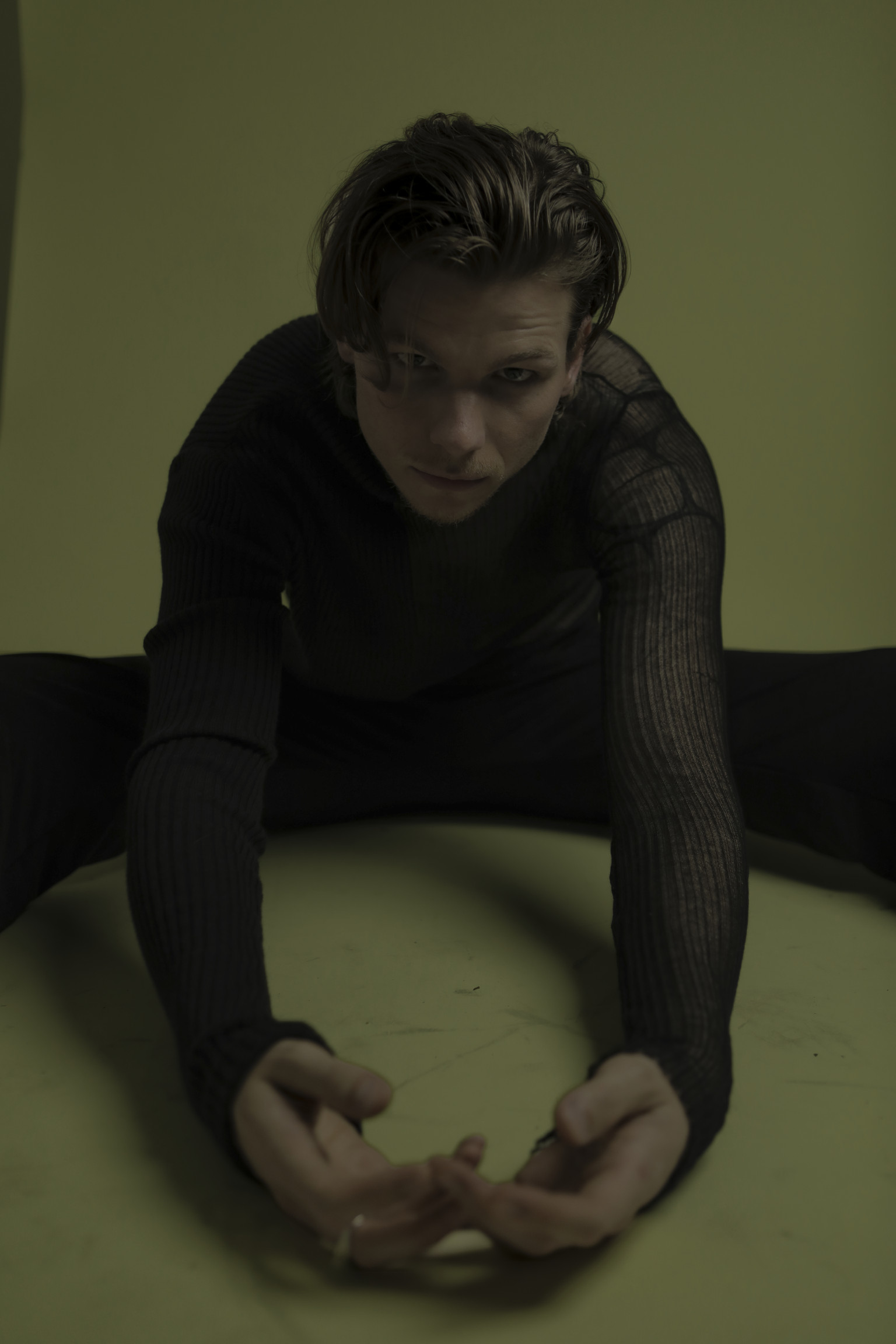
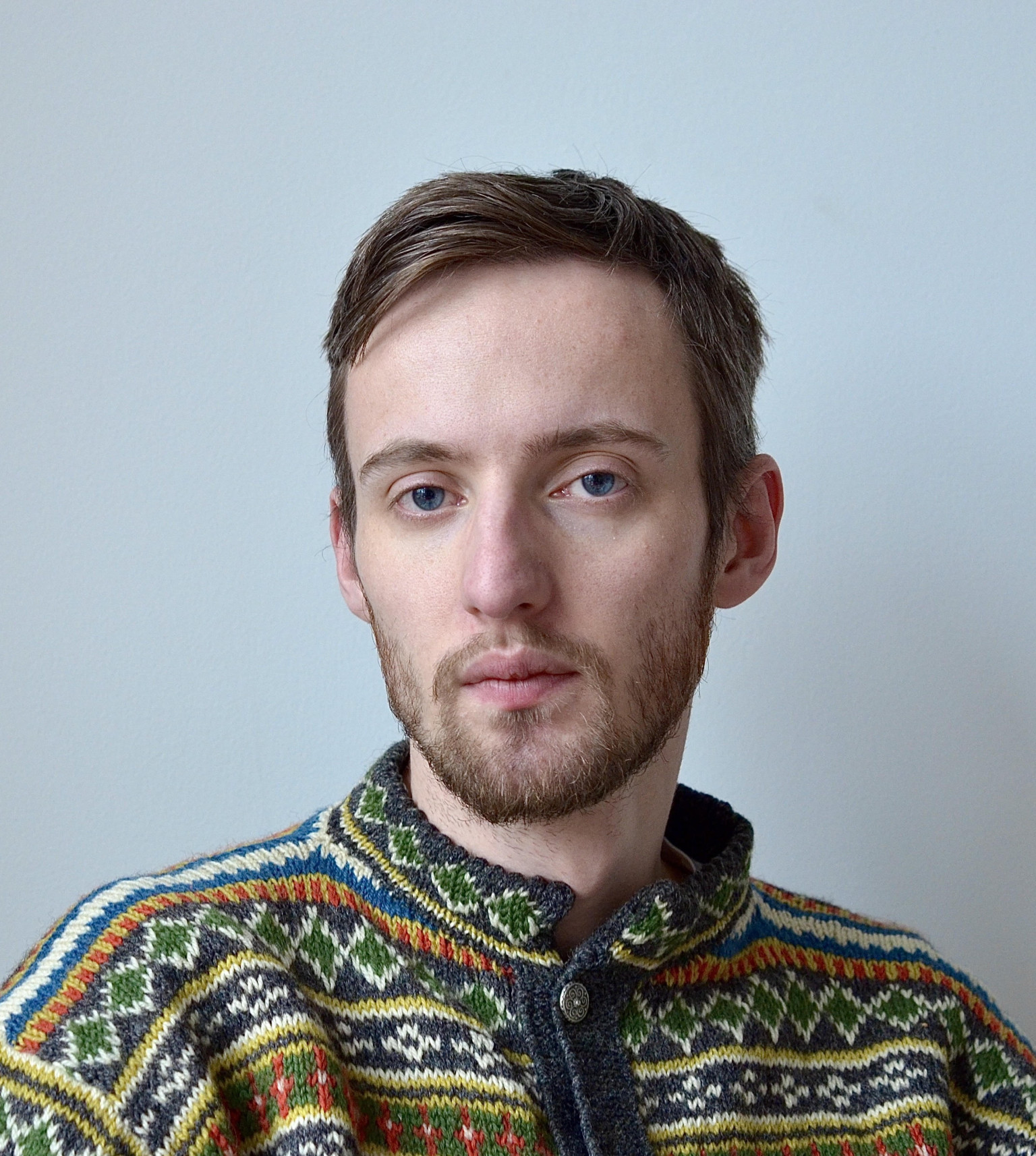
Håkon Guttormsen is a Norwegian composer and trumpeter living in Copenhagen. He is educated at the Royal Danish Academy of Music and the Royal Academy of Rhythmic Music. He primarily composes scores for ensembles as well as music drama and opera. He is currently working on a work for solo violin and electronics for ILK Music’s concert series during CPH Jazz 2026 and on his first symphonic work, which will premiere at the academy in 2027. He is a member of nyMusik’s composer group in Norway and a board member of UNM Denmark.
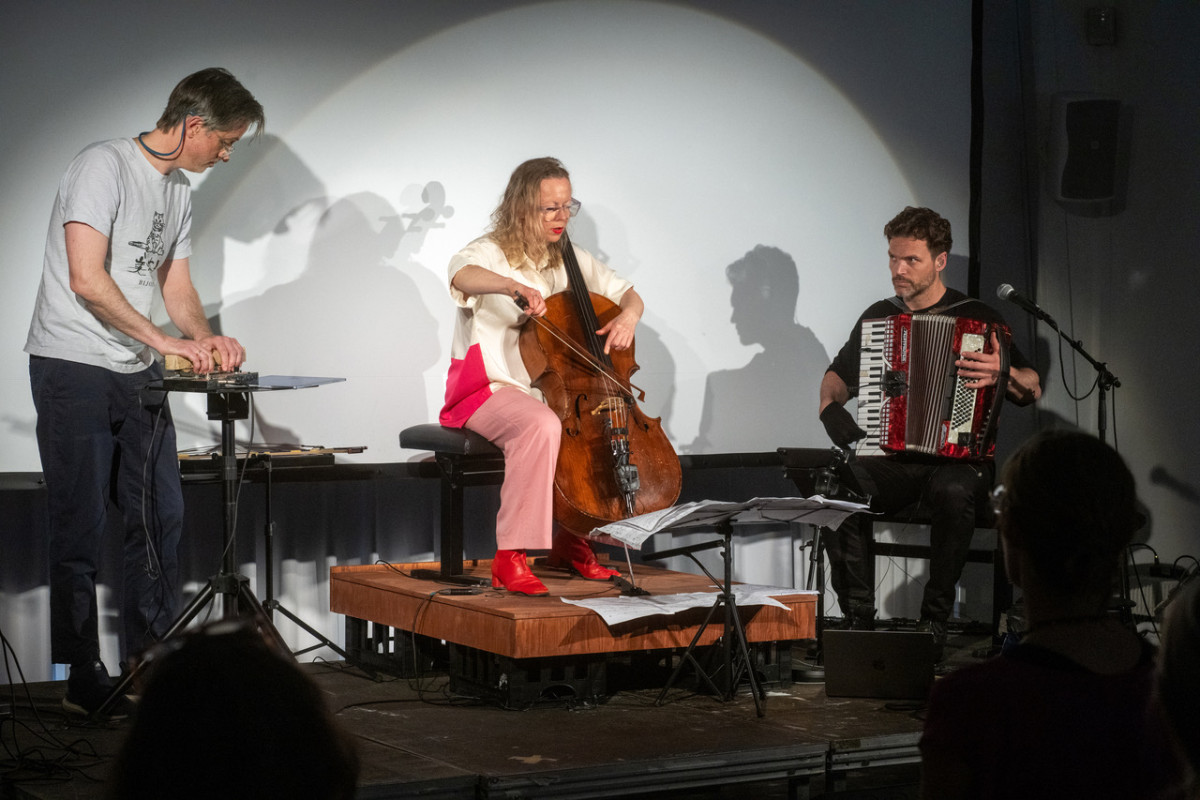
New Sounds at Louisiana is an initiative in which the Louisiana Museum of Modern Art has invited the record label Dacapo and the music publisher Edition S to curate concerts featuring living composers. Simon Steen-Andersen was the first composer in the series, and he seized the opportunity to assemble a programme that was not only overwhelming and exhilarating, but also deeply unsettling. Lasting an hour, the concert unfolded as a continuous sequence in which each work flowed seamlessly into the next, forming a single extended statement of at least part of the composer’s artistic practice and philosophy.
Combining video and live performance, the concert served as a manifestation of several of Steen-Andersen’s key artistic strategies. Central among them are techniques of estrangement and defamiliarisation, exemplified by Asthma (2017) for accordion, air pumps, and video, a work that explores and interrogates human breathing in all its positive and negative dimensions. Amid the many grotesque and humorous scenes – accompanied by Håkon Stene’s brilliant Foley-style soundtrack of air noises, sound effects, and spoken commentary – a brief clip of brutal police violence suddenly appears. In it, an officer methodically sprays pepper spray into the faces of handcuffed demonstrators. In that instant, everything else no longer seems quite so funny, and the crooked smile freezes.
The concert was a veritable sensory bombardment. Presenting all the works attacca undoubtedly created a powerful sense of flow, but it also left the audience almost saturated with impressions. Even so, the subsequent conversation between Simon Steen-Andersen and music critic and author Thomas Michelsen felt far too brief. Yet the composer succeeded in making his point: everything he does, he said, is a form of »deadly serious play.« Exactly.