Eivind Buene
10




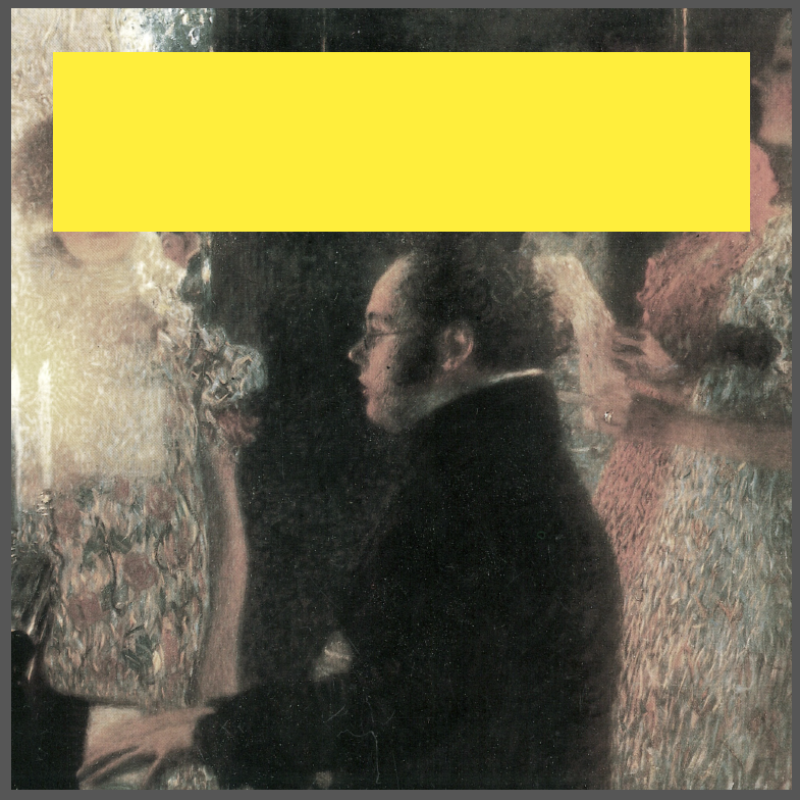
Det er altid en stor risiko at genfortolke klassiske ikoner og trække dem ind på den moderne scene, især hvis man er en prisvindende komponist og musiker af international berømmelse som fx nordmanden Eivind Buene. Klassisk musik har, som alle genrer, sin lille kreds af purister og aficionados, der er prompte til at afvise ethvert forsøg på at flytte de statuer, de elsker, ud af deres mausolæer. Og det er præcis, hvad Buene gør med sit album Schubert Lounge.
Selve titlen annoncerer en uortodoks tilgang til det berømte tyske romantiske musikgeni: en lounge er ikke ligefrem den type rum eller arkitektonisk installation, man umiddelbart ville forbinde med Franz Schubert. Men hvad Buene peger på, er, at Schuberts musik, og specifikt hans sange, de berømte lieder sunget af Kathleen Ferrier og Dietrich Fischer-Dieskau, handler om intimitet, og at de kan høres i dag i den halvt oplyste komfort i en lounge, som de blev det i en salon med levende lys.
Der er ti sange på albummet, alle med deres titler på engelsk og uden det tilsvarende tyske navn. For eksempel »The Sea« og »Beautiful Moon«, som er (meget) kendte som »Am Meer« og »An Den Mond«. Selve sangene er oversat (eller tilpasset) til engelsk, hvilket gør hele projektet til et enestående musikalsk objekt, som totalt dekonstruerer musikhistoriens traditionelle fængselsmure.
Eivind Buenes stemme kan ikke sammenlignes med Ferriers eller Fischer-Dieskaus, og det forsøger den ikke engang. Ved at omarrangere harmonier i moderne dissonanser og erstatte nuancerne med en overraskende flad tone, og nogle gange skifte til sarte højere toner, fortæller Buene os, at klassisk musik ikke er, hvad vi antager, den er: et ubevægeligt monument, der bliver ved med at gentage sig selv. At gøre Schubert til en transnational komponist er et radikalt valg og et ret farligt valg, idet risikoen er at blive til grin, undgået eller, endnu værre, ignoreret. En norsk kunstner, der beslutter sig for at synge tyske lieder fra 1800-tallet oversat til engelsk i 2022 er ikke bare en handling, det er et radikalt manifest. Som Buene har skrevet i en artikel offentliggjort på nettet, »Musik er altid nu i det klingende øjeblik. Musik er på en måde en historie om ufærdigt arbejde.«
Og dette album beviser det absolut.
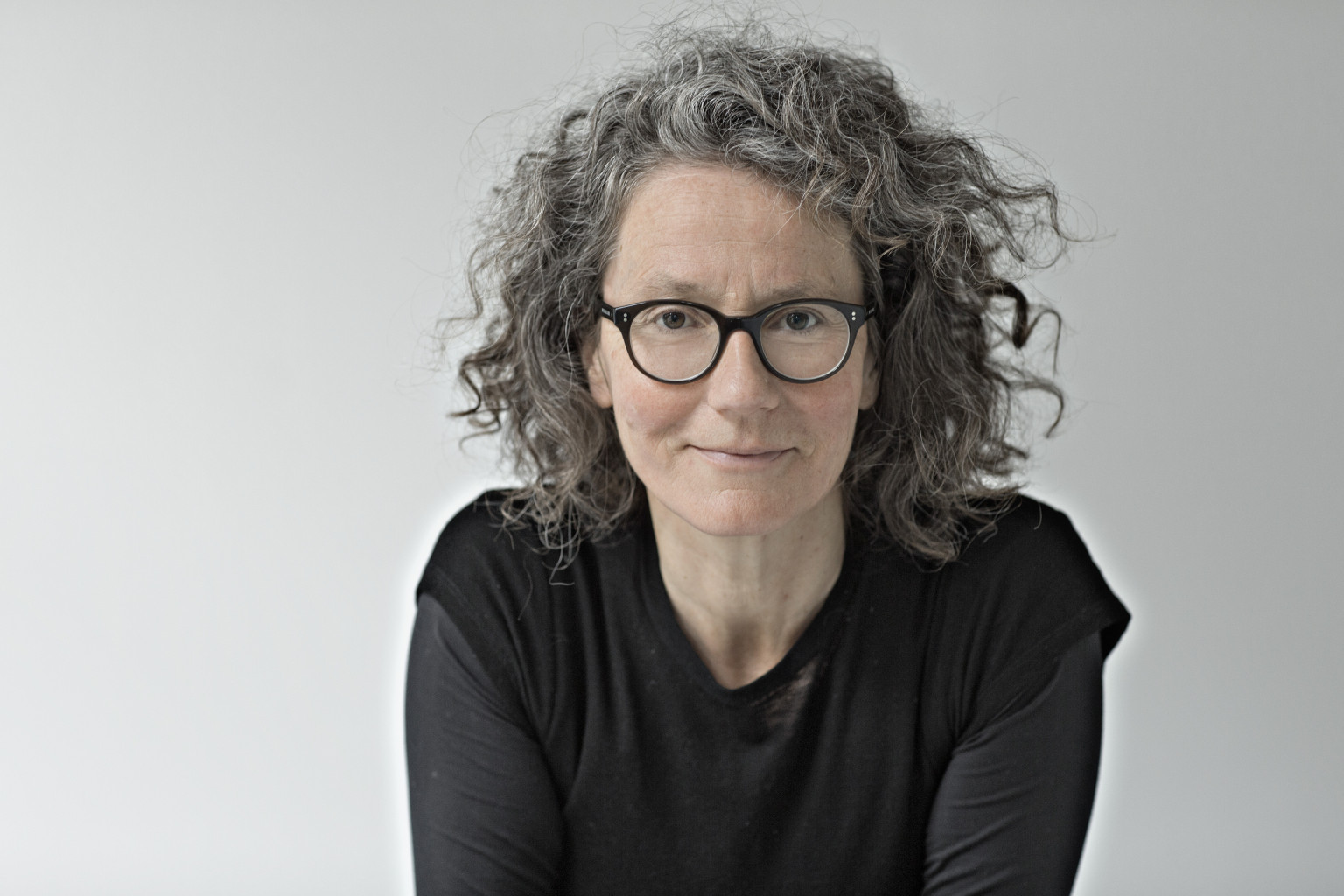
»I listen to music at all hours of the day when I’m at home – surrounded by family – or when I’m working and travelling. My playlist changes every day. It reflects my state of mind here and now, and the ideas, memories, joys and sorrows that currently occupy me. The last piece, Salve Regina, was only added late this evening, after I experienced Poulenc’s magnificent opera Dialogues des Carmélites at the Royal Danish Opera.«
Louise Beck is a scenographer, stage director and artistic director of OPE-N – and from the 2027 season, artistic director of Copenhagen Opera Festival. For nearly three decades, she has developed opera as a living and contemporary art form at the intersection of the established opera field and the independent music-theatre scene. She has created a number of critically acclaimed and award-nominated works, including Den Sidste Olie and LOL – Laughing Out Lonely, and, together with Niels Rønsholdt, stands behind the opera trilogy Den Stærkes Ret – Den Svages Pligt, whose second part will be presented at the University Library of Copenhagen during the 2026 festival.
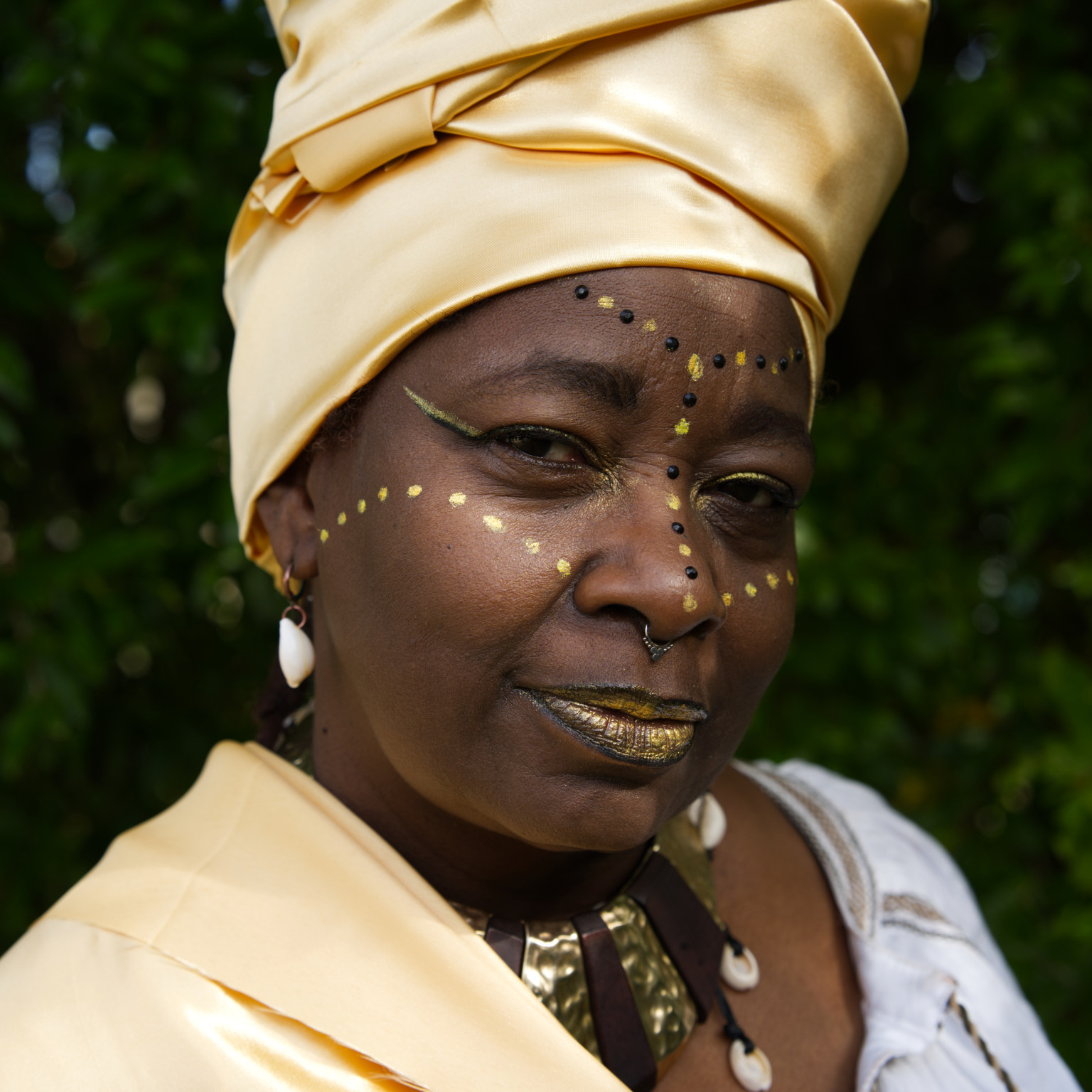
»Music is my daily nourishment, helping me become a better person. It's a formula of emotions, full of energy, that gives me the courage to always have hope.«
Nilza Costa is a Brazilian singer and songwriter from Salvador de Bahia and now living in Ferrara, Italy, whose heart beats with the ancestral rhythms of Africa, rhythms she channels through her voice into a singular and deeply original artistic language. Her new album Cantigas – released in February 2026 on Brutture Moderne Records – is inspired by and dedicated to the Cantigas, or Orin, the sacred songs passed down through African languages, in this album Yoruba, Kimbundu and also Brazilian Portuguese. Nilza Costa’s voice has long given life to the revolution of a people who, through music and spirituality, have reclaimed their path toward emancipation. Her songs tell the stories of men and women torn from their homeland — narratives filled with both melancholy and hope.
Throughout her career, Nilza has collaborated with renowned artists such as Roy Paci, Etnia Supersantos, and Senegalese musician Elhadj Demba S. Gueye. With her current band, she has performed on numerous international stages (Austria, Germany, Croatia, Hungary, Bulgaria, Romania, the Netherlands, Luxembourg, Poland, Belgium, Slovenia, and more) and has appeared at major festivals across Italy.

When Louise Beck presented her first opera at Copenhagen Opera Festival in 2022, the audience was asked to bring ski wear and thermal suits. Den Sidste Olie (The Last Oil), about the colonisation of Greenland and the exploitation of nature, unfolded on the ice at Østerbro Skøjtehal. It marked the beginning of a fruitful collaboration on newly written works that expand the frames and spaces of opera. Now that collaboration enters a new phase: from 1 September, Louise Beck will become the festival’s new artistic director.
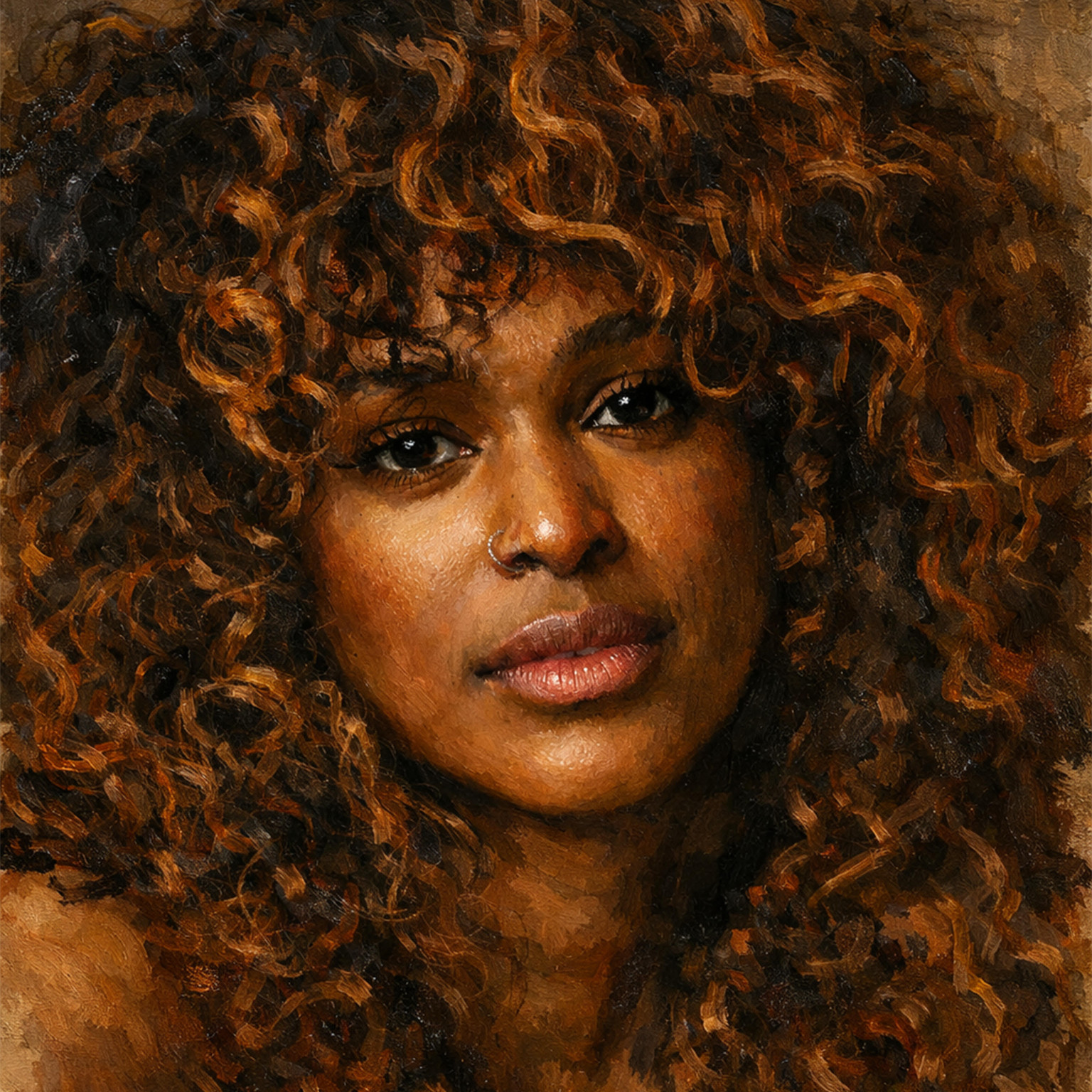
»Music for me is peace.«
Iris Gold is a Danish singer. She was born in London but raised in Christiania. She made her recording debut in 2015 with the single »Goldmine« and has since released a number of singles. Her debut album Planet Cool was released in 2019. She has just released the album Sugar on My Lips.
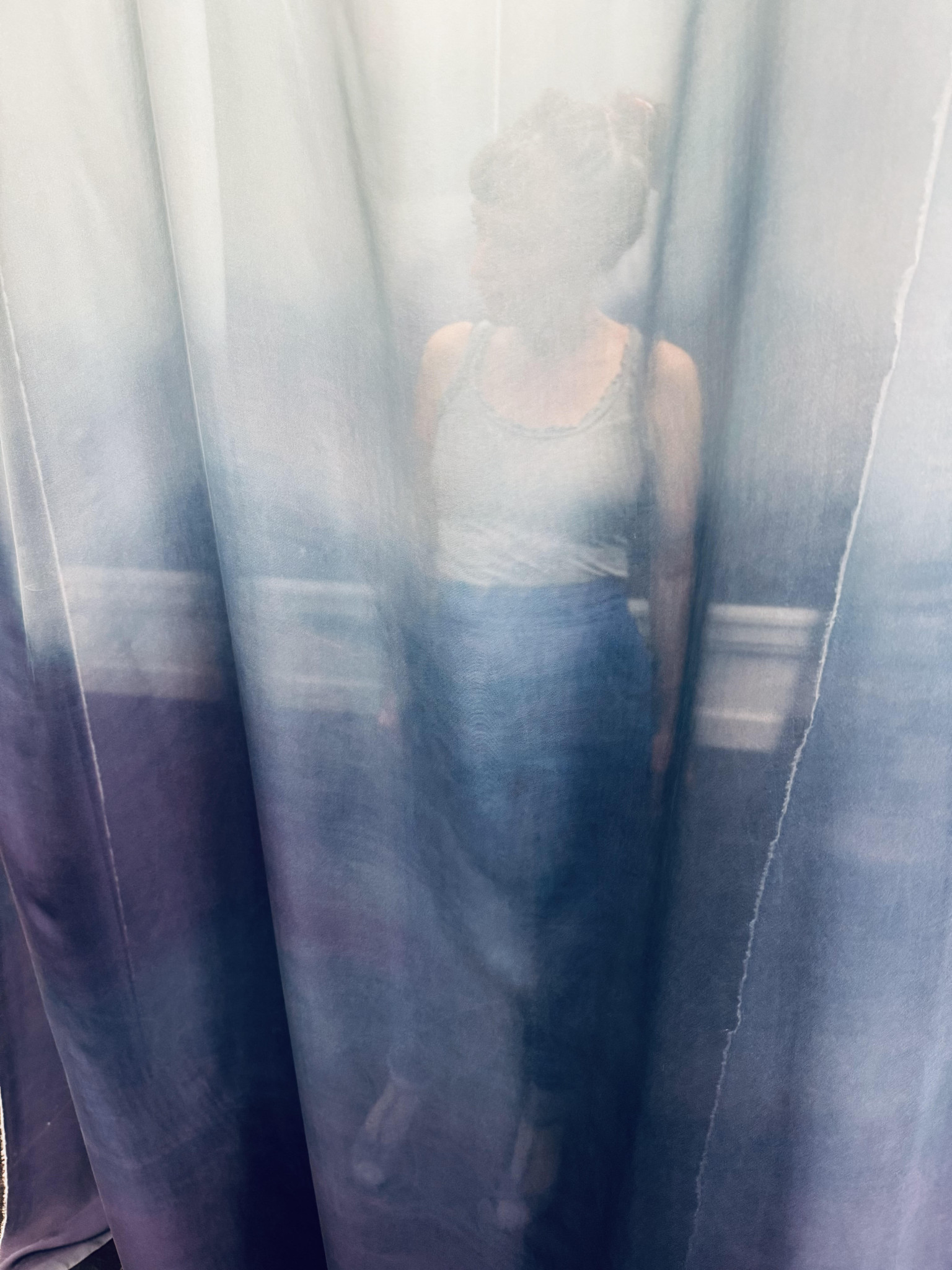
»Resonance – music is for me an indispensable inspiring resonance. In music, the big emotions fall into place, and the small ones bubble up. My grandfather introduced me to opera as a child – so loudly that my heart jumped in my ears, and I fell head over heels and deeply in love with these grand and dramatic compositions. Through it, I was introduced to the big emotions in the world – in music there was room for them in a way that I had not experienced anywhere else before.«
Astrid Kruse Jensen (b. 1975) is a Danish visual artist living in Copenhagen. Throughout her artistic career, she has been preoccupied with photography and its relationship to memory. With her poetic shifts of reality, she explores the borderland between the apparent and the hidden, between the real and the imaginary, between past and present. She has exhibited widely both in Denmark and internationally, with exhibitions in galleries and museums – from solo to group exhibitions in Slovenia, Lithuania, Poland, Sweden, Iceland, Finland, France, Belgium, the Netherlands, Germany, Spain, Italy, India, China, Korea, Ghana, Canada, the USA and the UK. In Denmark, her works have been exhibited at, among others, the Brundlund Castle Art Museum, Esbjerg Art Museum, Heerup Museum, Rønnebæksholm, Brandts, Aros, Kunsten, Skagen Museum, Willumsen Museum, Sorø Art Museum, Odsherred Art Museum and Johannes Larsen Museum. Astrid Kruse Jensen is represented by Martin Asbæk Gallery in Copenhagen and Wetterling Gallery in Stockholm & Gothenburg.