Eivind Buene
10




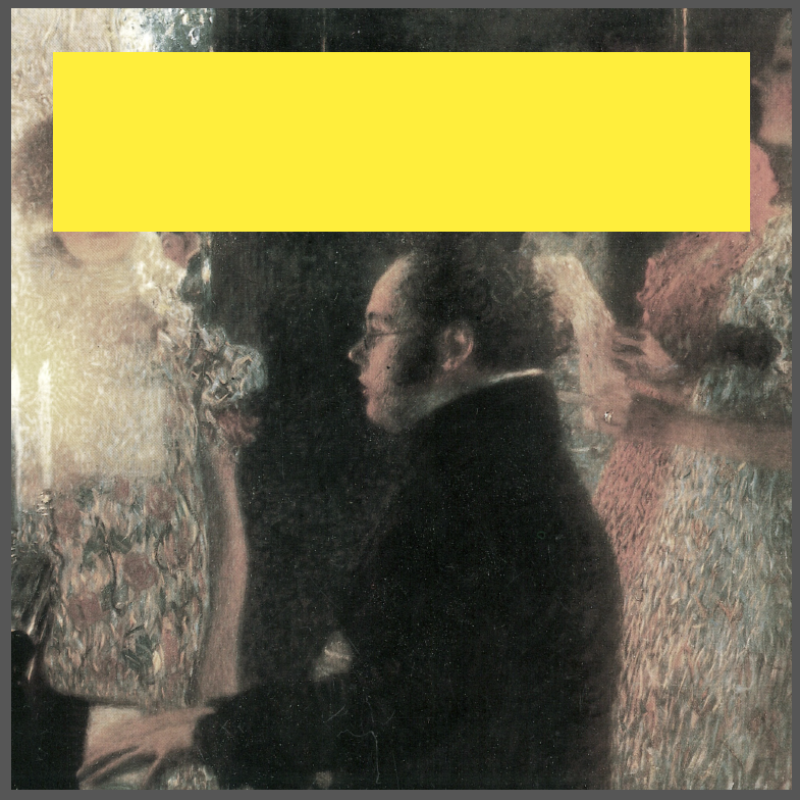
Det er altid en stor risiko at genfortolke klassiske ikoner og trække dem ind på den moderne scene, især hvis man er en prisvindende komponist og musiker af international berømmelse som fx nordmanden Eivind Buene. Klassisk musik har, som alle genrer, sin lille kreds af purister og aficionados, der er prompte til at afvise ethvert forsøg på at flytte de statuer, de elsker, ud af deres mausolæer. Og det er præcis, hvad Buene gør med sit album Schubert Lounge.
Selve titlen annoncerer en uortodoks tilgang til det berømte tyske romantiske musikgeni: en lounge er ikke ligefrem den type rum eller arkitektonisk installation, man umiddelbart ville forbinde med Franz Schubert. Men hvad Buene peger på, er, at Schuberts musik, og specifikt hans sange, de berømte lieder sunget af Kathleen Ferrier og Dietrich Fischer-Dieskau, handler om intimitet, og at de kan høres i dag i den halvt oplyste komfort i en lounge, som de blev det i en salon med levende lys.
Der er ti sange på albummet, alle med deres titler på engelsk og uden det tilsvarende tyske navn. For eksempel »The Sea« og »Beautiful Moon«, som er (meget) kendte som »Am Meer« og »An Den Mond«. Selve sangene er oversat (eller tilpasset) til engelsk, hvilket gør hele projektet til et enestående musikalsk objekt, som totalt dekonstruerer musikhistoriens traditionelle fængselsmure.
Eivind Buenes stemme kan ikke sammenlignes med Ferriers eller Fischer-Dieskaus, og det forsøger den ikke engang. Ved at omarrangere harmonier i moderne dissonanser og erstatte nuancerne med en overraskende flad tone, og nogle gange skifte til sarte højere toner, fortæller Buene os, at klassisk musik ikke er, hvad vi antager, den er: et ubevægeligt monument, der bliver ved med at gentage sig selv. At gøre Schubert til en transnational komponist er et radikalt valg og et ret farligt valg, idet risikoen er at blive til grin, undgået eller, endnu værre, ignoreret. En norsk kunstner, der beslutter sig for at synge tyske lieder fra 1800-tallet oversat til engelsk i 2022 er ikke bare en handling, det er et radikalt manifest. Som Buene har skrevet i en artikel offentliggjort på nettet, »Musik er altid nu i det klingende øjeblik. Musik er på en måde en historie om ufærdigt arbejde.«
Og dette album beviser det absolut.
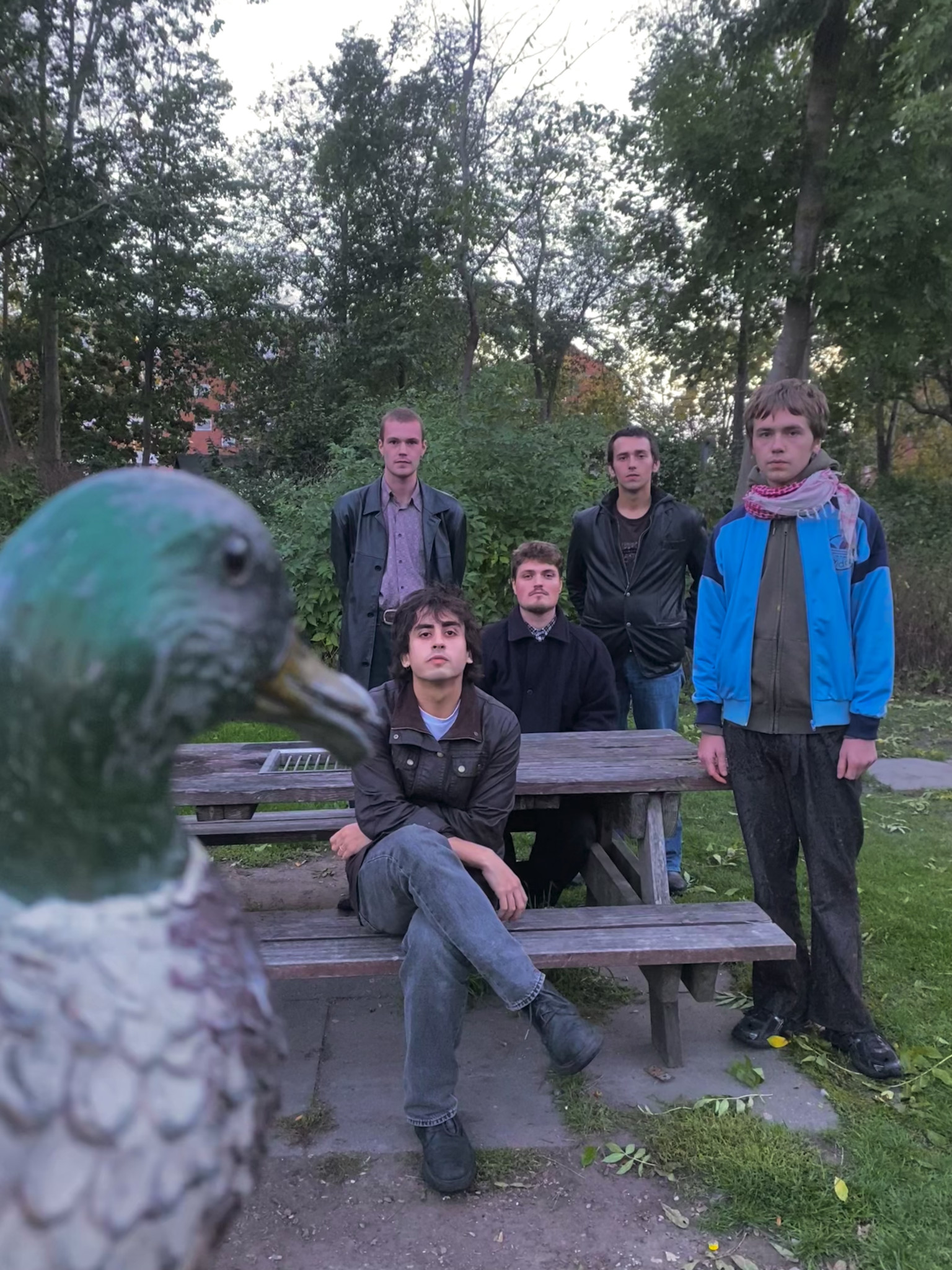
»For us, music is a transcendent force with transformative potential – something we get to experience and shape when we create sound together. It is an opportunity to describe one’s innermost universes without words, and the best way for an introvert to express intense emotions at full volume.«
With roots in Copenhagen’s experimental jazz and punk scene, Echo, Bravo challenges the notion of what a rock band can sound like. The quintet blends post-punk, free punk, and noise rock into a raw and unpredictable soundscape. They describe the music themselves as a kind of »empty-the-fridge soup,« where various leftovers come together. »Best enjoyed as a hot meal in a cold industry.«

Thorbjørn Tønder Hansen has died. With Thorbjørn’s passing, the art music community has lost one of the Nordic region’s most significant producers, curators and cultural leaders.
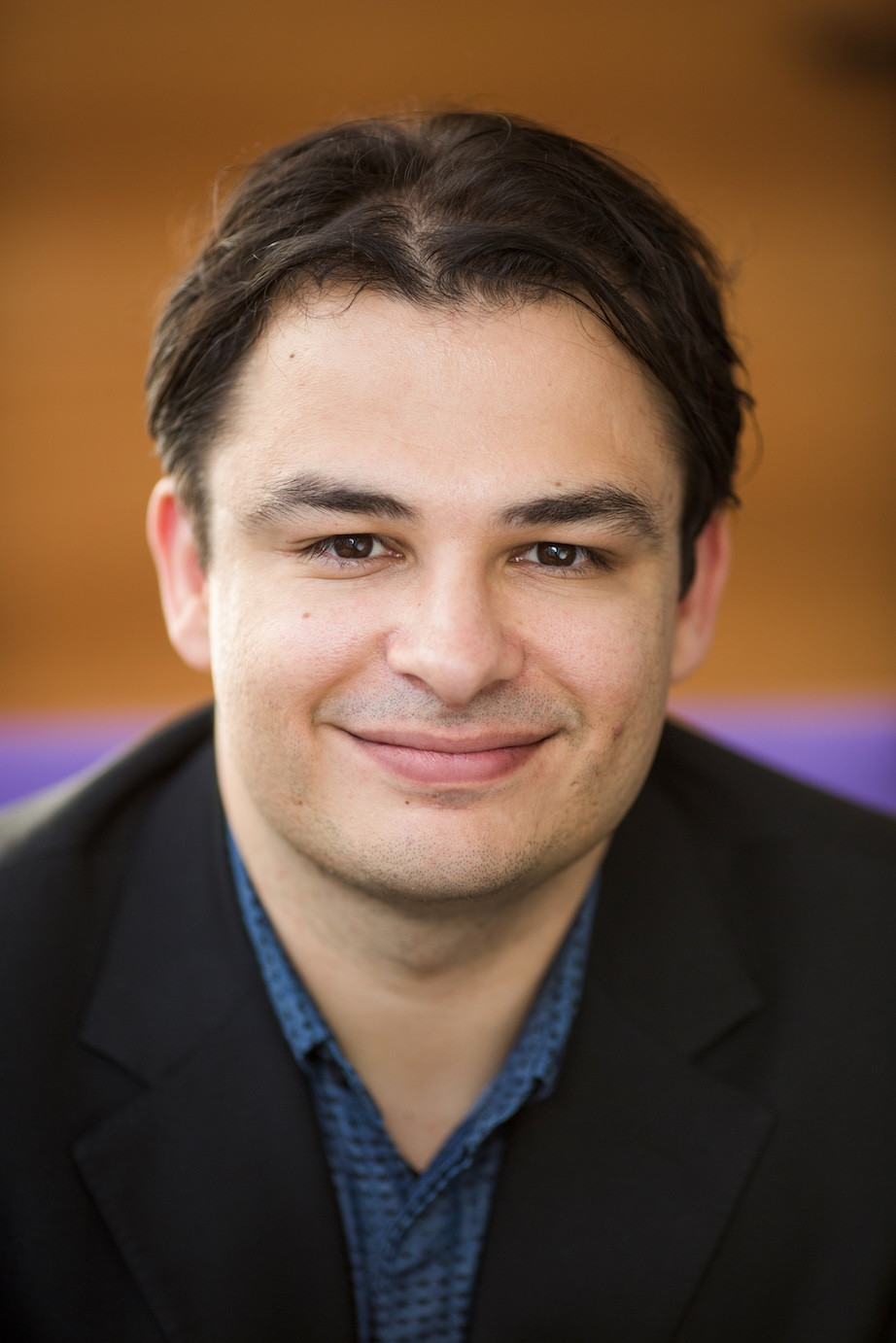
»Music is the best way to discover myself and understand the world around me.«
Luca Quintavalle is a harpsichordist, fortepianist and conductor. He has performed with ensembles including Concerto Köln, Harmonie Universelle, the Mozarteum Orchestra Salzburg and the Kölner Kammerorchester at venues and festivals such as the Kölner Philharmonie, Salzburg Festival and Enescu Festival. He was harpsichordist of Les Musiciens du Prince, led by Cecilia Bartoli, for over five years, and has conducted ensembles including the Orchestra and Chorus of Teatro dell’Opera di Roma, Concerto Köln and Deutsche Kammerakademie Neuss. His recordings include Mirrors, released by Berlin Classics and awarded an OPUS KLASSIK.
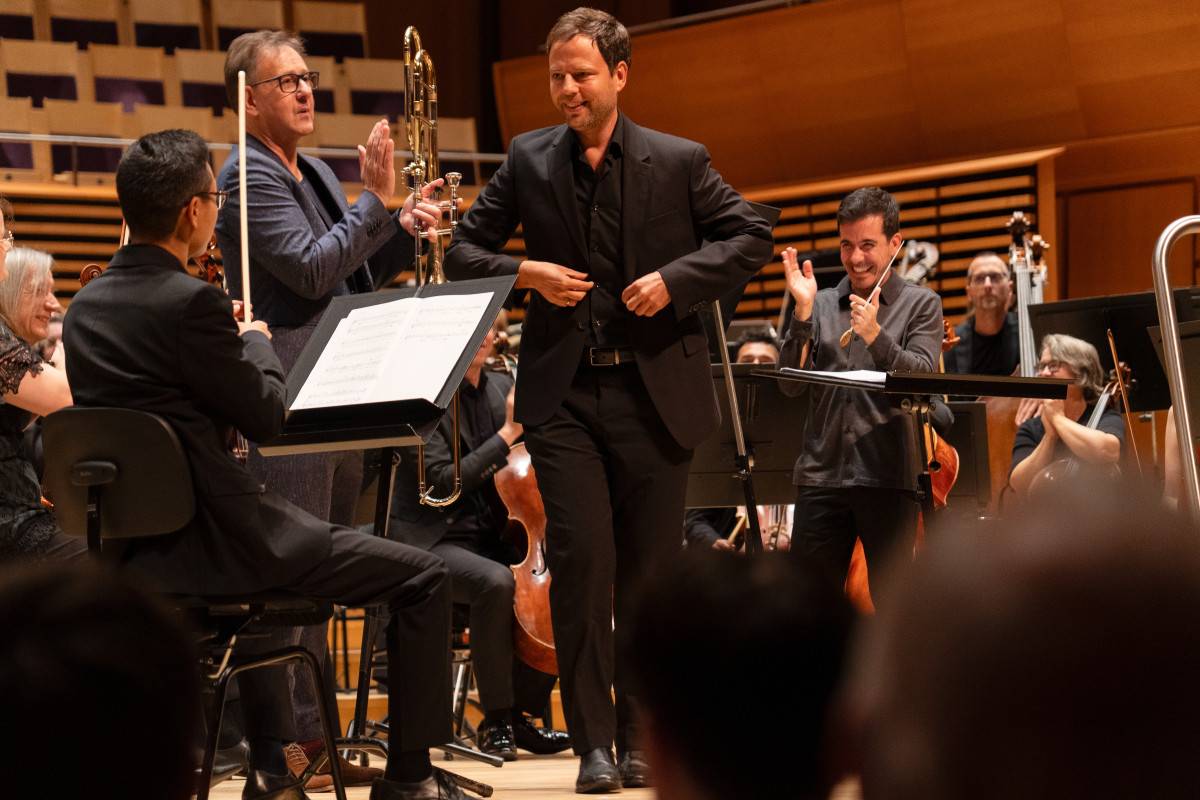
At 19, the Spanish composer (and trombonist) Francisco Coll wrote a wild-child of a trombone concerto that pushed the instrument out of its comfort zone. 22 years later he has created a new piece from some of that material. Its priorities are the opposite.
Tapias embraces the lyrical, ethereal qualities of the trombone. It is not a concerto, insists Coll. Perhaps it could be described as a set of frescoes for trombone and orchestra. Whatever the category, it’s a beguiling piece that was gorgeously birthed on Thursday by Ian Bousfield, conductor Nuno Coelho and a sumptuous-sounding Stavanger Symphony Orchestra.
Composers from Sibelius to Turnage have reacted against caricatures of the trombone as brusque and clowning by exploring its dark-hued lyricism. Coll does something more, setting his soloist’s introspective, intervallic melodies in evocative and provocative orchestral contexts. The soloist’s lines can resemble spray-canned tracings on walls already heavy with the patina of history, decoration and graffiti.
Initially the trombone appears to seek repose. The second movement draws it into more agility but the dancing is suppressed: a layered burying of all manner of rhythms from flamenco to Hiphop. Great wodges of rich harmony weigh the boogying down for good.
The trombone does find peace in the final movement – its long, soulful melodies more yielding. But not before Coll has conjured up moments of huge harmonic strain and conscious orchestral magnificence. They sat well next to Coelho’s fierce performance of Shostakovich’s Symphony No 5 after the interval. But Bousfield’s heartfelt journey through Tapias, sounding entirely at one with the orchestra, will linger longest in the mind.
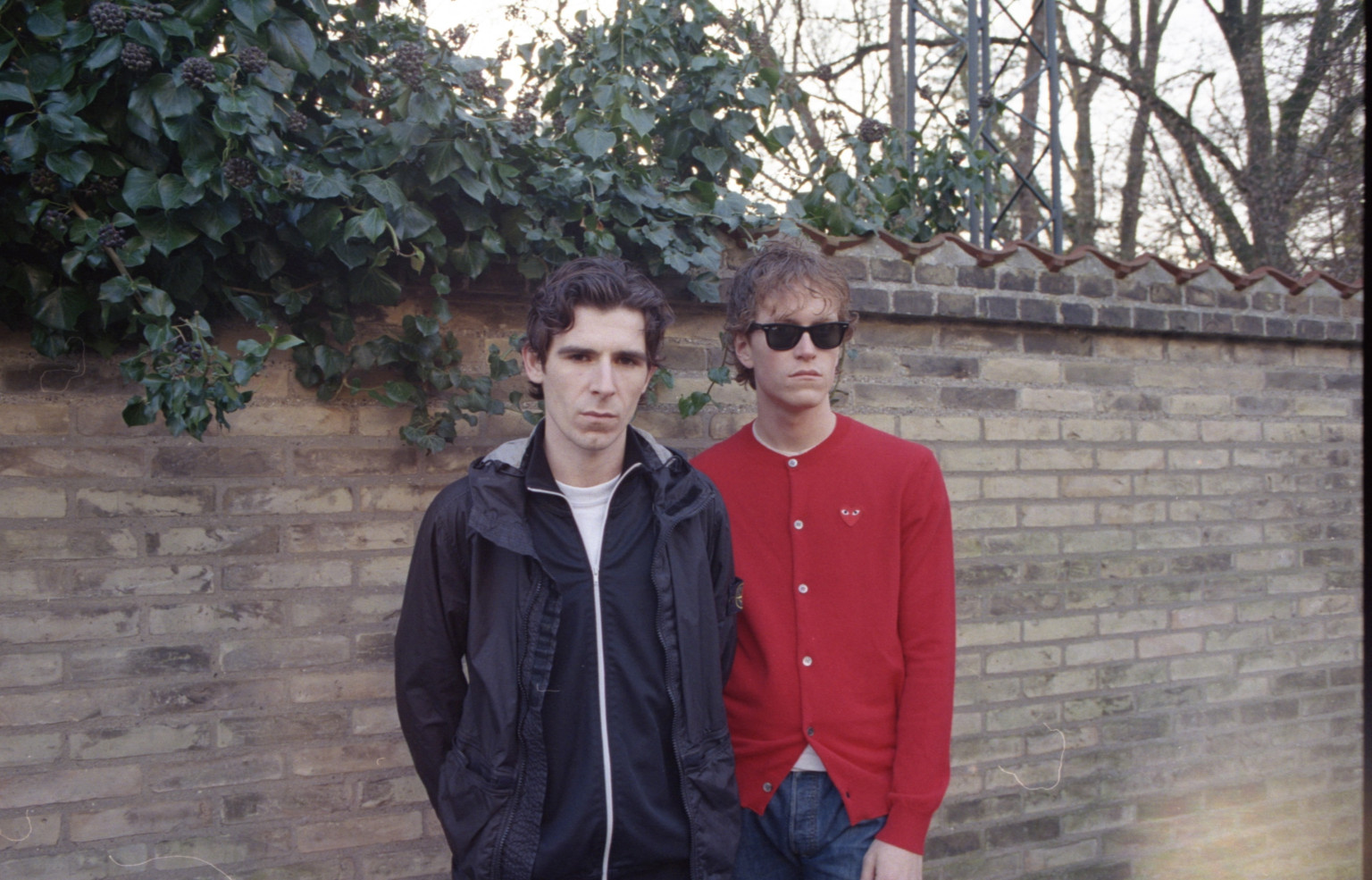
»For us, music is a passion, a livelihood, and a focal point for us and our best friends in the band.«
Barselona consists of Rud Aslak and Rasmus Theodor. The band was formed in 2016 after a year at Ollerup Musikefterskole and has since released five albums and two EPs, most recently the album *Tag Min Hånd, Så Slipper Vi*, which is set for release in September 2026.