Eivind Buene
10




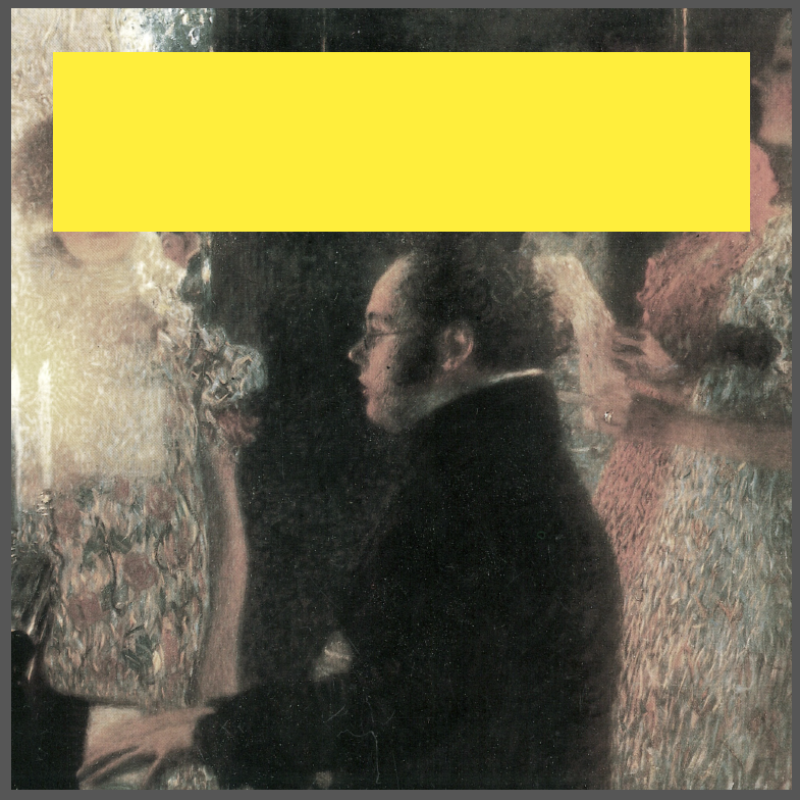
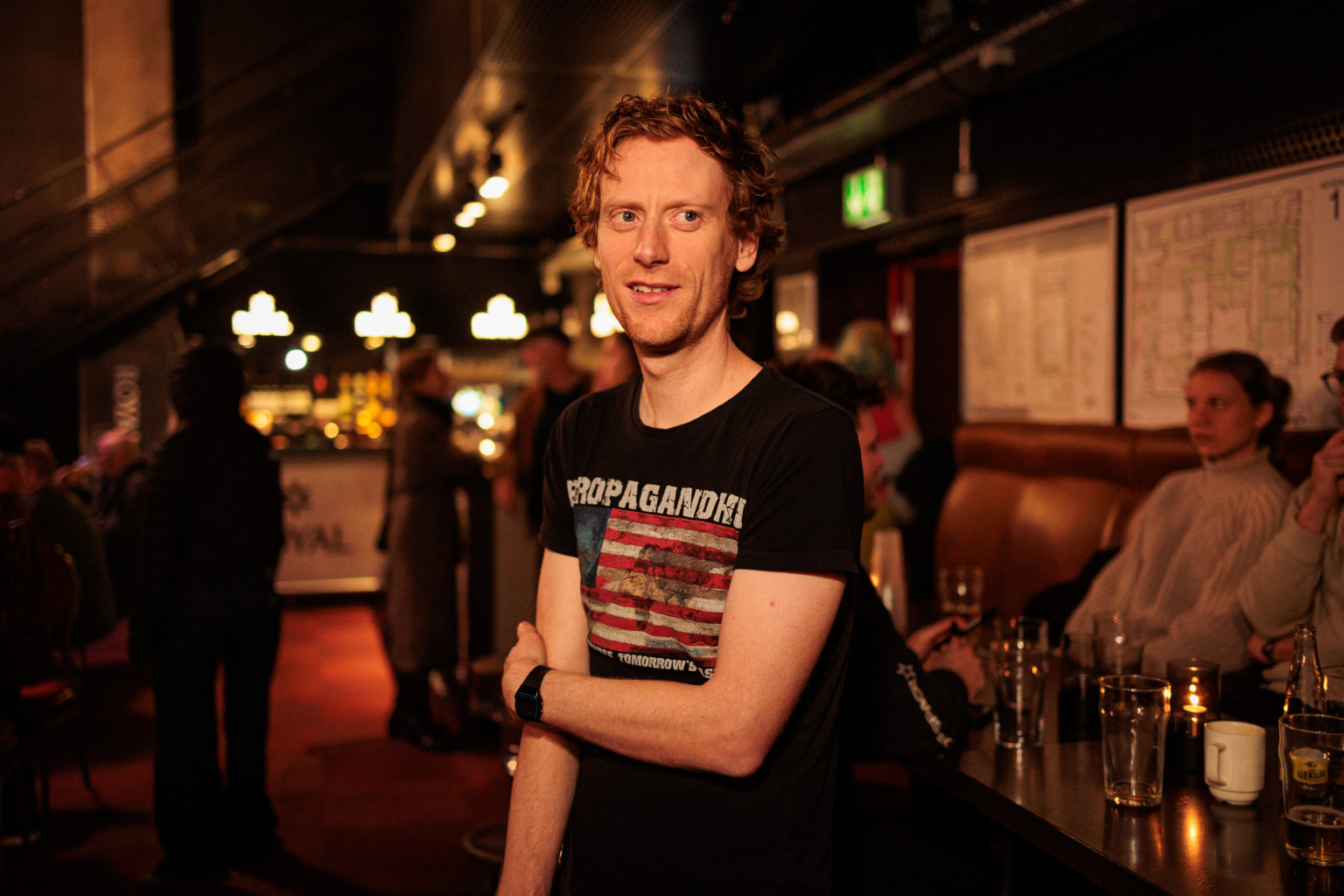
Det er altid en stor risiko at genfortolke klassiske ikoner og trække dem ind på den moderne scene, især hvis man er en prisvindende komponist og musiker af international berømmelse som fx nordmanden Eivind Buene. Klassisk musik har, som alle genrer, sin lille kreds af purister og aficionados, der er prompte til at afvise ethvert forsøg på at flytte de statuer, de elsker, ud af deres mausolæer. Og det er præcis, hvad Buene gør med sit album Schubert Lounge.
Selve titlen annoncerer en uortodoks tilgang til det berømte tyske romantiske musikgeni: en lounge er ikke ligefrem den type rum eller arkitektonisk installation, man umiddelbart ville forbinde med Franz Schubert. Men hvad Buene peger på, er, at Schuberts musik, og specifikt hans sange, de berømte lieder sunget af Kathleen Ferrier og Dietrich Fischer-Dieskau, handler om intimitet, og at de kan høres i dag i den halvt oplyste komfort i en lounge, som de blev det i en salon med levende lys.
Der er ti sange på albummet, alle med deres titler på engelsk og uden det tilsvarende tyske navn. For eksempel »The Sea« og »Beautiful Moon«, som er (meget) kendte som »Am Meer« og »An Den Mond«. Selve sangene er oversat (eller tilpasset) til engelsk, hvilket gør hele projektet til et enestående musikalsk objekt, som totalt dekonstruerer musikhistoriens traditionelle fængselsmure.
Eivind Buenes stemme kan ikke sammenlignes med Ferriers eller Fischer-Dieskaus, og det forsøger den ikke engang. Ved at omarrangere harmonier i moderne dissonanser og erstatte nuancerne med en overraskende flad tone, og nogle gange skifte til sarte højere toner, fortæller Buene os, at klassisk musik ikke er, hvad vi antager, den er: et ubevægeligt monument, der bliver ved med at gentage sig selv. At gøre Schubert til en transnational komponist er et radikalt valg og et ret farligt valg, idet risikoen er at blive til grin, undgået eller, endnu værre, ignoreret. En norsk kunstner, der beslutter sig for at synge tyske lieder fra 1800-tallet oversat til engelsk i 2022 er ikke bare en handling, det er et radikalt manifest. Som Buene har skrevet i en artikel offentliggjort på nettet, »Musik er altid nu i det klingende øjeblik. Musik er på en måde en historie om ufærdigt arbejde.«
Og dette album beviser det absolut.
»Music, for us, is a fusion of different consciousnesses into a single shared focal point.«
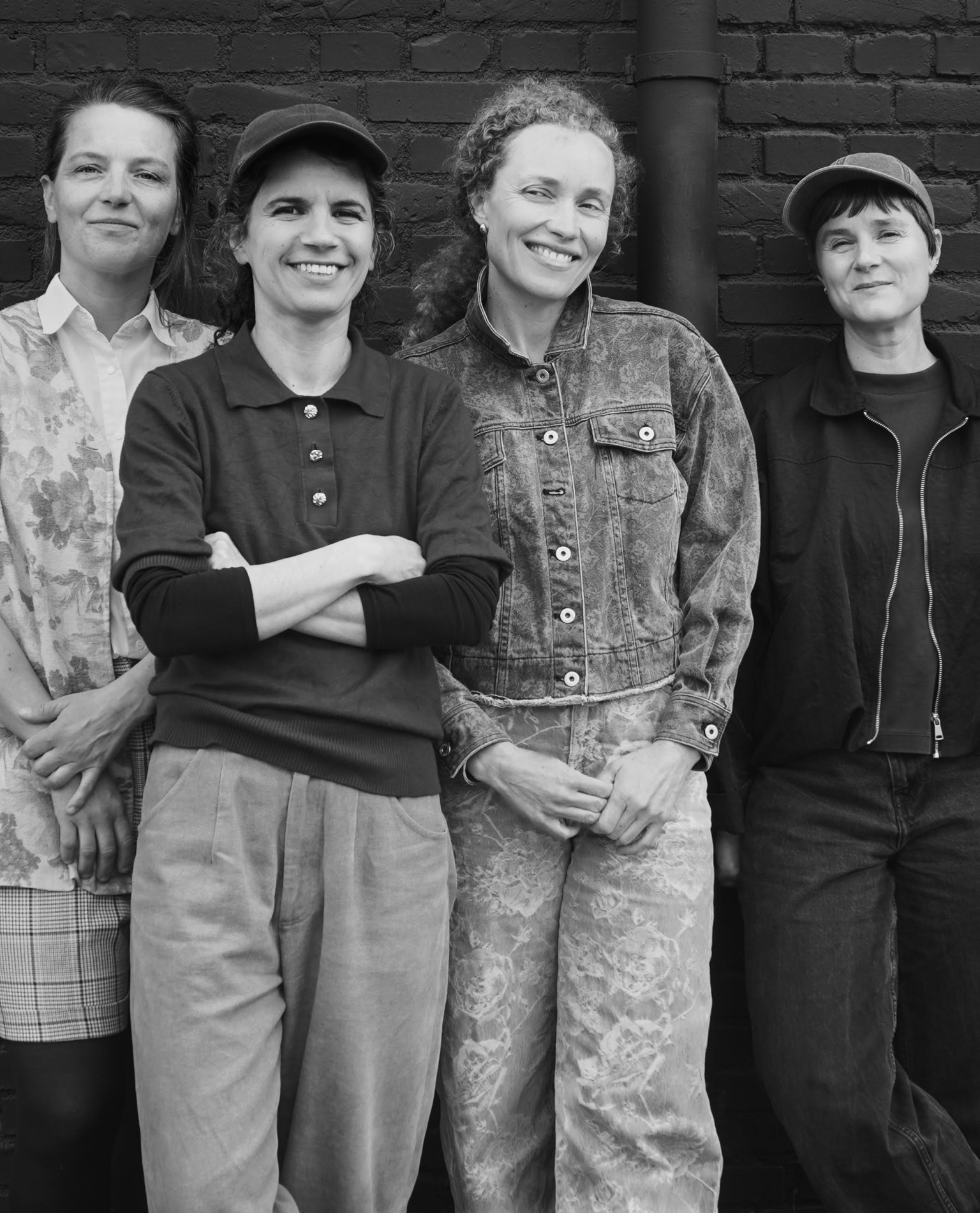
The band Selvhenter was founded in 2010 by trombonist Maria Bertel, saxophonist Sonja LaBianca, violinist Maria Diekmann, and drummers Jaleh Negari and Anja Jacobsen. In 2017, Maria Diekmann left the group, and Selvhenter continued as a quartet.
Selvhenter’s sound is driven by a deep fascination with sonic textures, rhythmic displacements and polyrhythms, acoustic and electronic melodies, hard-hitting compositional choices, improvised beauty, and a sheer joy of creating and performing music. Selvhenter has played concerts both in Denmark and internationally. The group is also the nucleus of the artist collective Eget Værelse, which houses the members’ solo projects as well as collaborations such as Valby Vokalgruppe, SOLW, Nina Garcia & Maria Bertel, and G.E.K.
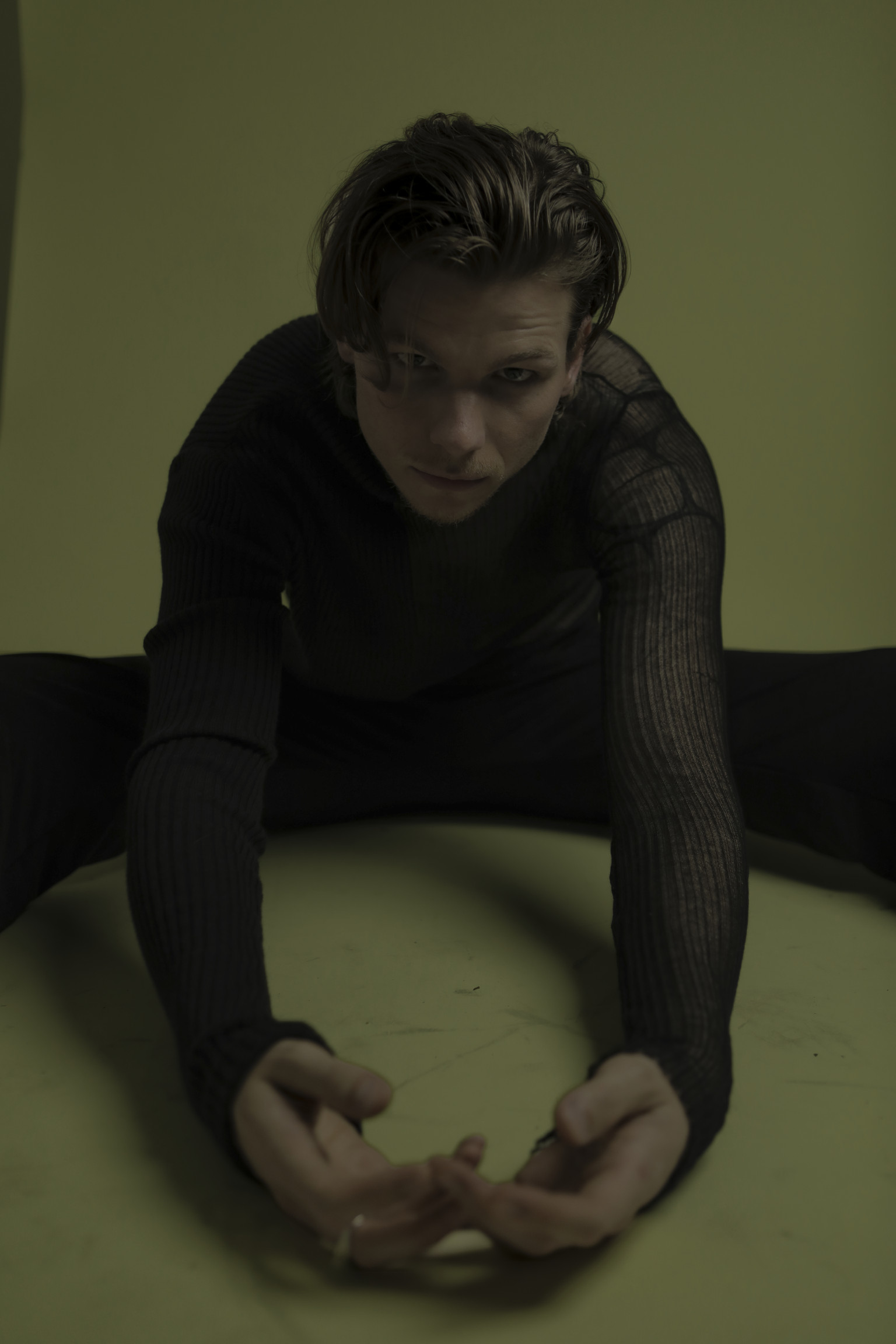
»Music for me remembers.«
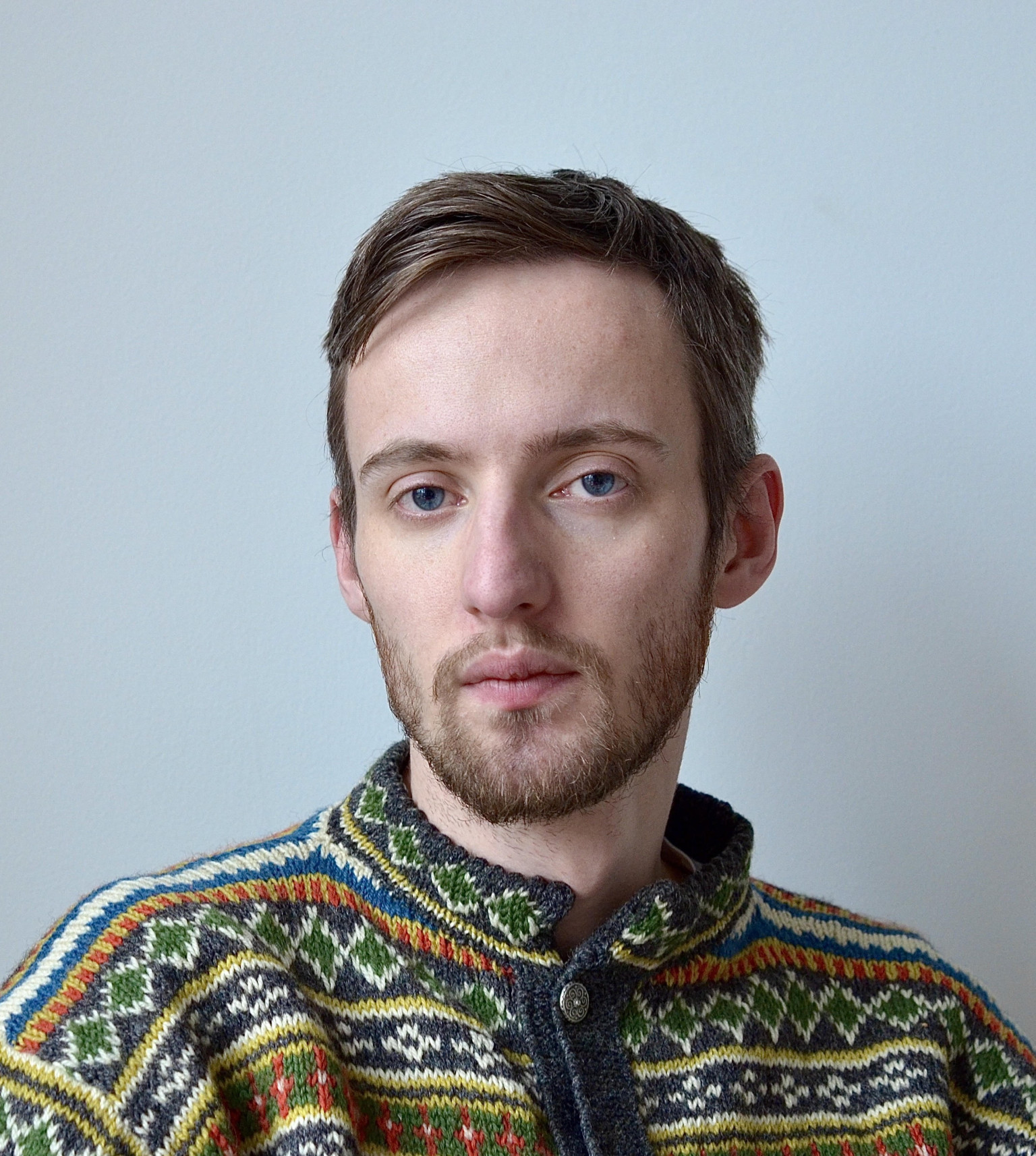
Håkon Guttormsen is a Norwegian composer and trumpeter living in Copenhagen. He is educated at the Royal Danish Academy of Music and the Royal Academy of Rhythmic Music. He primarily composes scores for ensembles as well as music drama and opera. He is currently working on a work for solo violin and electronics for ILK Music’s concert series during CPH Jazz 2026 and on his first symphonic work, which will premiere at the academy in 2027. He is a member of nyMusik’s composer group in Norway and a board member of UNM Denmark.
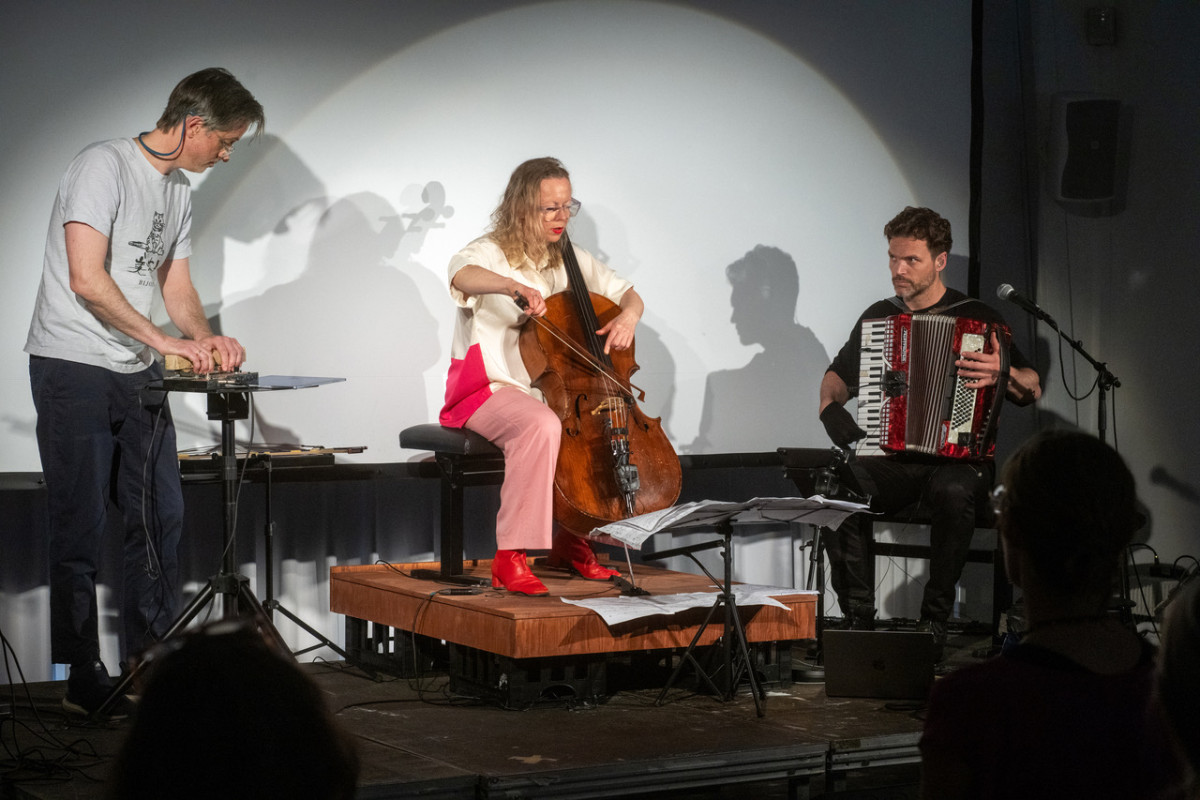
New Sounds at Louisiana is an initiative in which the Louisiana Museum of Modern Art has invited the record label Dacapo and the music publisher Edition S to curate concerts featuring living composers. Simon Steen-Andersen was the first composer in the series, and he seized the opportunity to assemble a programme that was not only overwhelming and exhilarating, but also deeply unsettling. Lasting an hour, the concert unfolded as a continuous sequence in which each work flowed seamlessly into the next, forming a single extended statement of at least part of the composer’s artistic practice and philosophy.
Combining video and live performance, the concert served as a manifestation of several of Steen-Andersen’s key artistic strategies. Central among them are techniques of estrangement and defamiliarisation, exemplified by Asthma (2017) for accordion, air pumps, and video, a work that explores and interrogates human breathing in all its positive and negative dimensions. Amid the many grotesque and humorous scenes – accompanied by Håkon Stene’s brilliant Foley-style soundtrack of air noises, sound effects, and spoken commentary – a brief clip of brutal police violence suddenly appears. In it, an officer methodically sprays pepper spray into the faces of handcuffed demonstrators. In that instant, everything else no longer seems quite so funny, and the crooked smile freezes.
The concert was a veritable sensory bombardment. Presenting all the works attacca undoubtedly created a powerful sense of flow, but it also left the audience almost saturated with impressions. Even so, the subsequent conversation between Simon Steen-Andersen and music critic and author Thomas Michelsen felt far too brief. Yet the composer succeeded in making his point: everything he does, he said, is a form of »deadly serious play.« Exactly.