in brief
04.04.2023

Rococo blue desire

Nikki Martin & Blue Luminaire: »Terroir«
©  Benjamin Tarp
© Benjamin Tarp

Nikki Martin and their ensemble Blue Luminaire sprawl across styles and centuries from early music to ambient music via jazz and more. But there’s a strong sound fingerprint on this, their first album for Bella Union.

It is an album in the truest sense of the word. Across ten tracks, Terroirs breathes steadily in and out, aching with every exhalation. It demands a pound of emotional flesh from listeners: neither the subject matter nor the intimate nature of the recording allow for purely objective listening. Martin’s clean countertenor voice is right in your ear. 

Pain, longing and some sense of catharsis are cornerstones of an album intentionally marooned in a sort of emotional no-mans-land – the tight organism of voices and instruments stuck, oscillating between two noncommittal chords (»Closeness Sighs«, »Feel Your Skin Against Mine«, »Tangled«), constrained by febrile homophony (»Held«) or ruled by the hints of old forms like passacaglia (»Falling«). A hinterland of details adds to the ambience: Rococo twists and turns, tender gamba playing, drooping avian cooing. 

All this buttoned-up desire eventually blurts out at the end of »Worlds«, a neat culmination followed by a purifying epilogue »My«. Sometimes the music tries to wring too many tears from a single word or gesture. Sometimes you long for a development that will dislodge a song from its fixed position (though that would probably defeat the object). Sometimes it’s all too close to sounding entirely worn out. But over time, Terroir sure proves an engrossing listen.

© Kåre Viemose

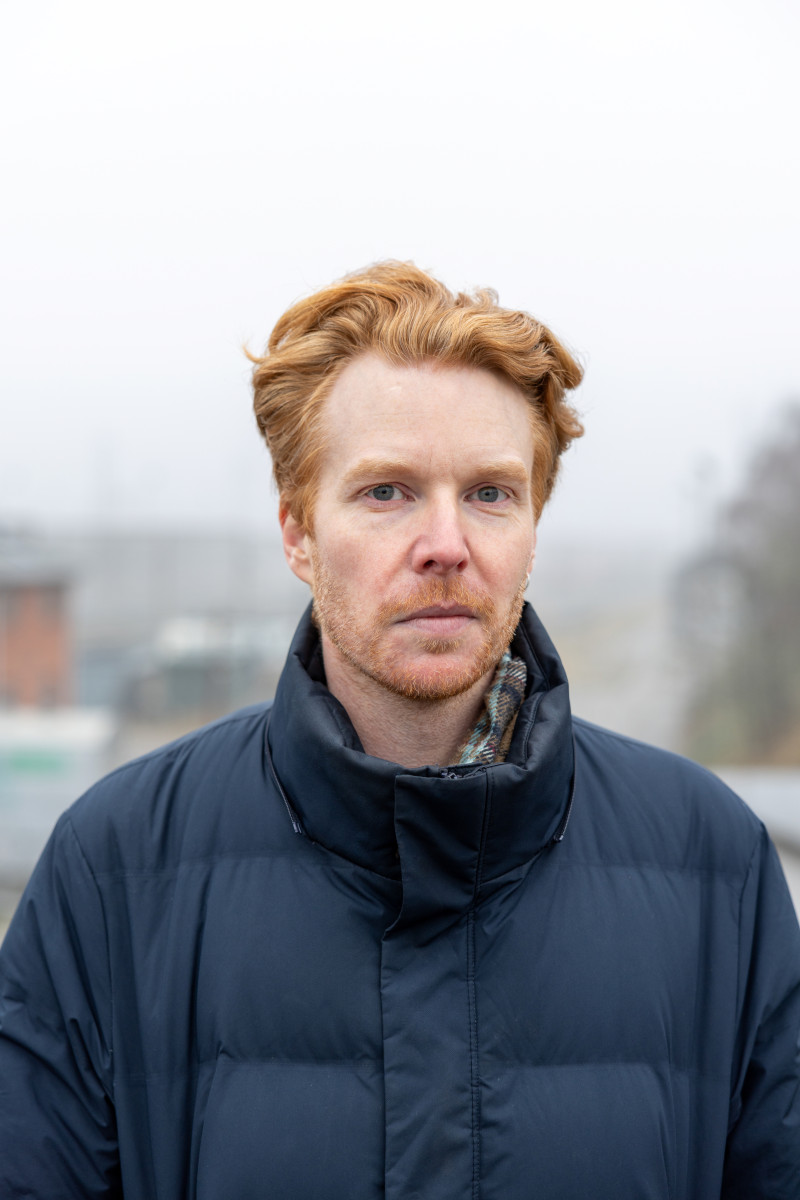
»Recently, I discovered that when a couple of thousand people clap their thick gloves in minus 30 degrees, it sounds like the softest techno – a freezing space where the cold air turns into a wave of warmth, and we, in a moment of collective devotion, become one with the rhythm, one with the invisible bond that connects us in the warmth of silence. Music is not just sounds, but a vain attempt to capture the infinite, which has always been and always will be.«

Andreo Michaelo Mielczarek has been the editor-in-chief of Seismograf since 2021. He is also a music critic and cultural journalist at Kristeligt Dagblad and Århus Stiftstidende/Avisen Danmark and has over the years written to publications such as Kunsten.nu, Glissando (Poland), Neural (Italy), Raw Vision (UK), Nutida Musik (Sweden), Kunstkritikk (DK/Sweden), Iscene.dk, B.T., and Jazz Special. He is the author (together with Lars Muhl) of the book HVA' SAA! En guidet rutsjebanetur gennem Aarhus – før, nu og i fremtiden (2024) and has also contributed to the anthology on music criticism Man skal høre meget (ed. Thomas Michelsen and Claus Røllum-Larsen, 2024). He is a founder and partner in the Polish-Danish cultural organization Kultur(a), and wherever there is a piano, he will be there, eager to coax a melody from it.
© Aria Leth Schütze

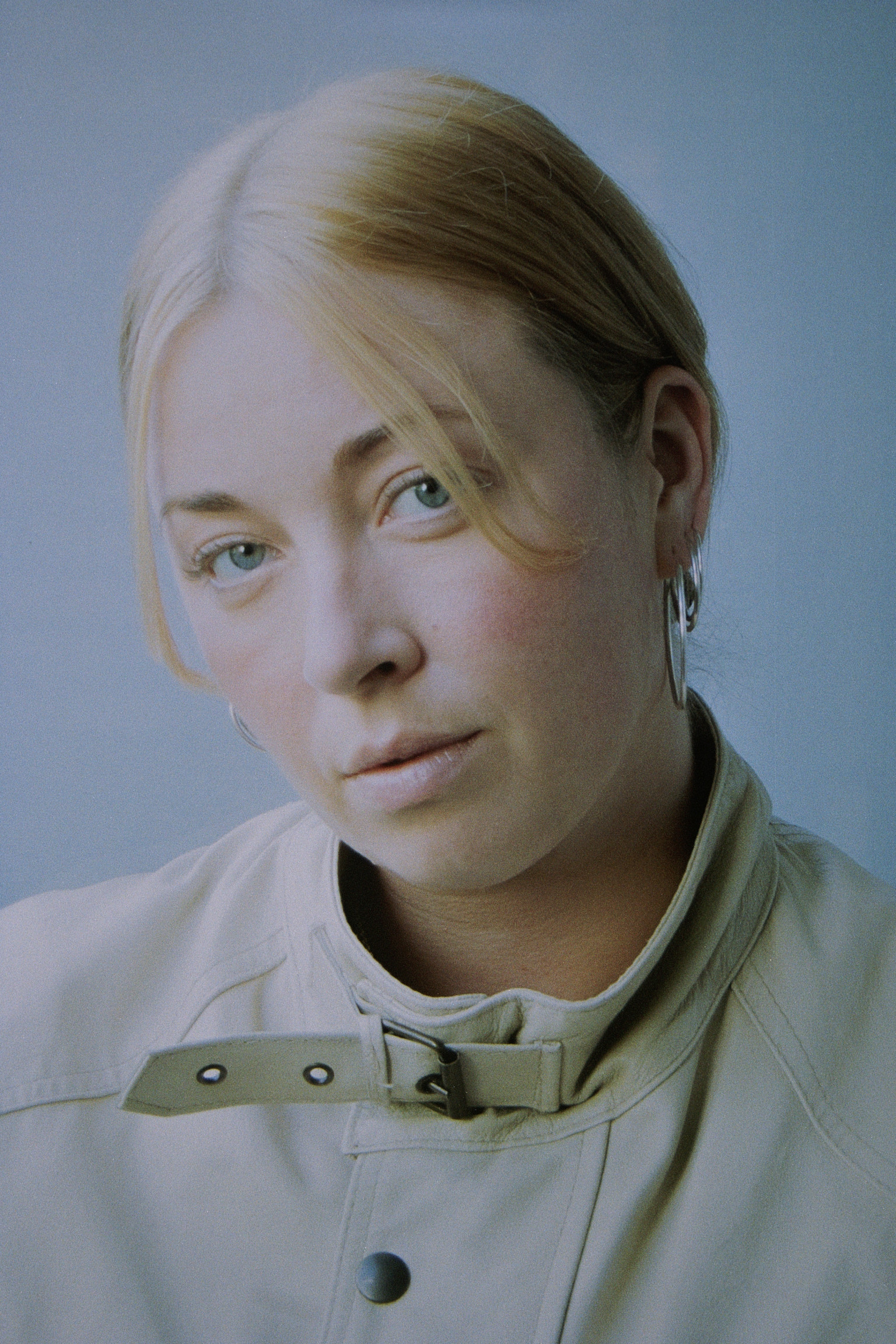
»For me, music is an opportunity for transformation.«

Aria Leth Schütze is based in Copenhagen and is the creative force behind the music projects Alto Aria and Samler På Dig. They are a co-founder of the record label Rhizome and a co-editor of the music magazine Passive/Aggressive. Their practice brings together electronic and acoustic music in an exploration of transformation.
 

© PR

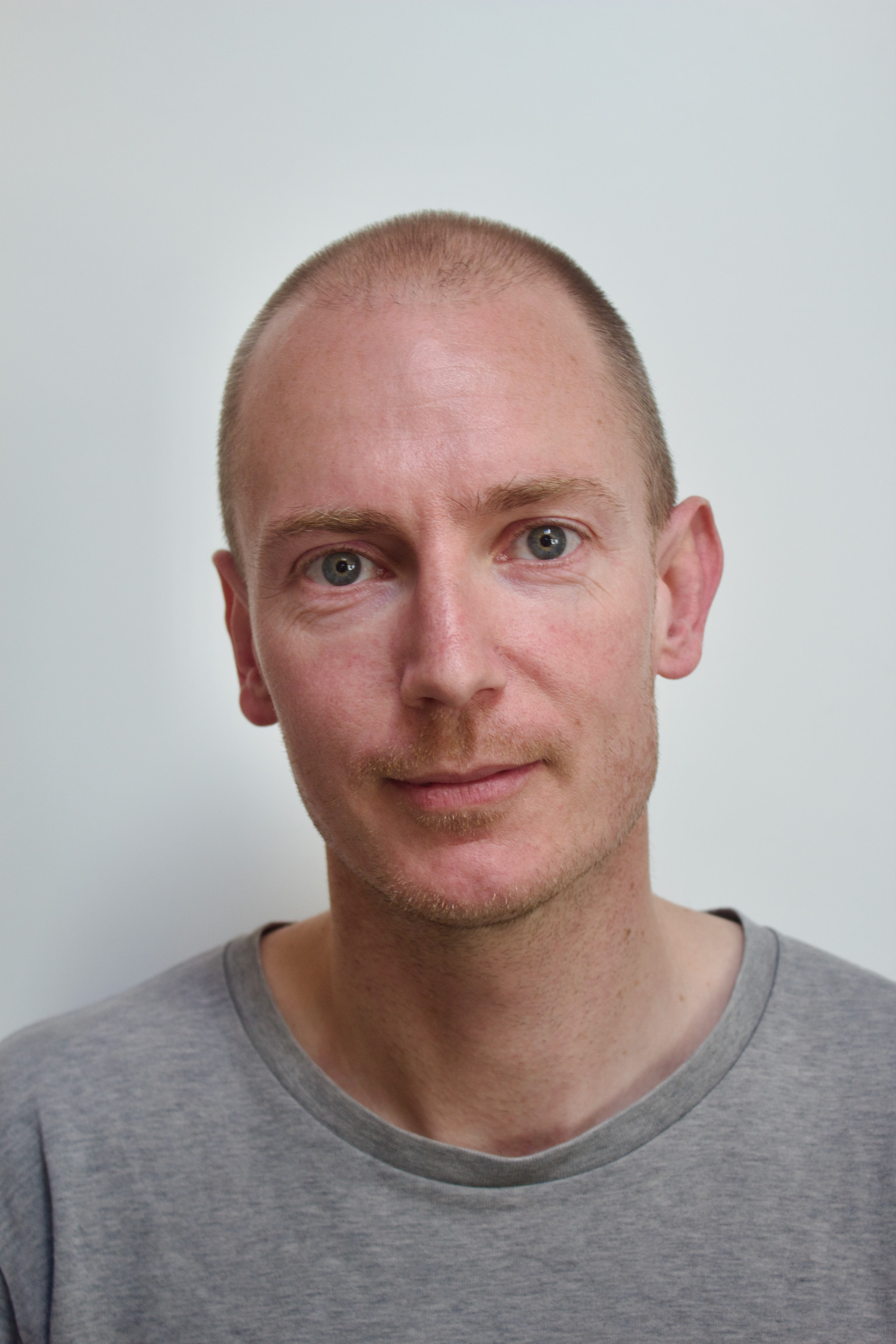
»For me, music is the art form that – if measured in hours and minutes – occupies by far the greatest part of my life. I cannot sing, nor can I play an instrument, but I can listen – as a happy amateur – while cycling, on the dance floor, and, above all, at the office. I almost always work – that is, write – to music.« 

Mikkel Krause Frantzen (b. 1983) is an associate professor at the Department of Arts and Cultural Studies, a literary critic for Politiken, and the author of several books in English and Danish, such as En fremtid uden Fremtid (2018), Klodens Fald (2021), and Slutspil (2024).

© Mads Nissen
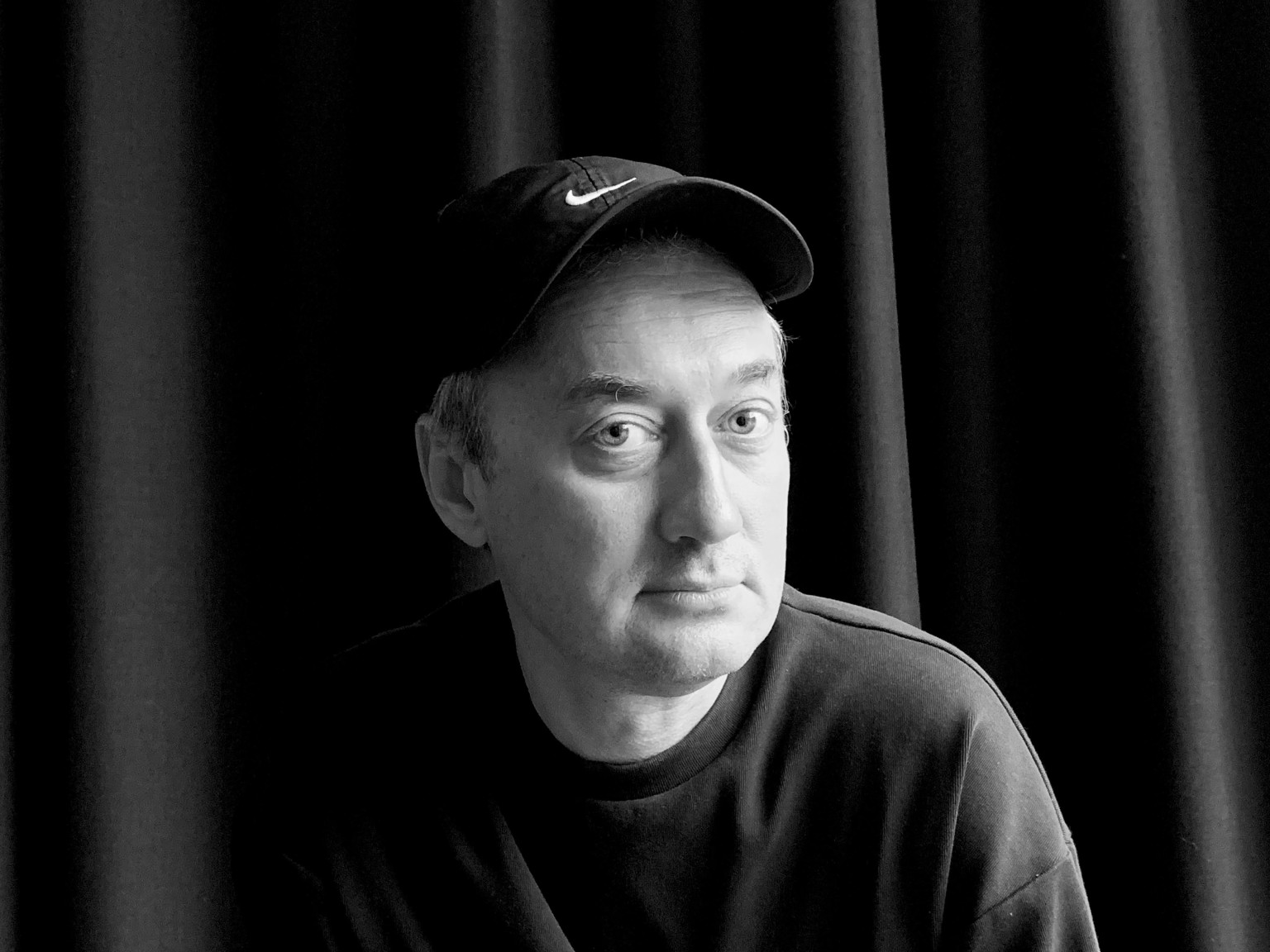
»Music is what gets my gears turning. It sets both my body and mind in motion – and on a good day, even gets them up to speed. My listening habits are entirely shaped by my mood... and by the musical tastes of my two children, which shift every eight minutes... so the home stereo gets exposed to a bit of everything. In a way, that’s exactly how it should be. Room for everything and everyone.«
 
David Dyrholm (b. 1990) is a food and music critic for Politiken, focusing on jazz – ranging from the traditional to the modern—and avant-garde music. Alongside this, he has worked for the Modern Jazz Days festival, served on the jury for the DMA Jazz awards, and previously released a number of records with the hip-hop collective DoktorDoktor.
in briefrelease
25.09

An Organ in the Dark Forest of Doubt

Calum Builder: »Although Changed, I Arise the Same«
© PR
© PR

Last year, Builder released Poor_in_Spirit, an album in which he explored, on his own, the sonic possibilities of his self-built organ. It was an album shaped by this exploration, but ultimately also by the limitations of the organ itself. On Although Changed, I Arise the Same, the composer finds a way beyond them.

The organ is now joined by three additions: Builder’s own alto saxophone, along with the voices of Zola Mennenöh and Johanna Sulkunen. It makes all the difference, providing the diversity of instrumentation that Builder has repeatedly demonstrated his ability to compose for. At times, the organ’s bass sinks beneath the voices and saxophone like a light haze; at others, it envelops them in a heavy fog. It howls like wind in the trees and roars like a train in the night. Mennenöh and Sulkunen sing, chant and breathe simple, repetitive phrases about spiritual uncertainty and searching, as though lost in the dark forest of doubt.

It is a Spartan form of storytelling, giving the listener enough lyricism and atmosphere to set the mind in motion, but never so much that it becomes overwhelming. This is where Builder’s strength lies: his music clearly grows out of his life and experiences, yet he composes in such a way that the listener is invited to enter the story with their own imagination.

Builder determines the colours, but leaves part of the picture to the listener. It is an album that is far more restrained in its dramaturgy than previous releases. No less beautiful or inspiring for it.

English translation: Andreo Michaelo Mielczarek