© PR
© PR

Nu, hvor endnu et Roskilde er forbi, kan jeg ikke lade være at tænke tilbage på festivalens allerførste koncert i år. Under sit glorificerede vejskilt af en roterende installation på Camping Vest, Understanding, stod den britiske kunstner Martin Creed på åbningssøndagen med guitar, mundharpe og et lapset jakkesæt påsyet dartpile.

Hans rablende tekster, basale akkorder og skramlede, men hurtige folk-spil var så karikeret vagabond-avantgardistisk, som man kan forestille sig. Men han ramte alligevel noget essentielt med sin gakkede performance. For hvor hans installation lignede et generisk opråb om forståelse, kæmpede han her aktivt for at nå hinsides forståelsen.

»Stop thinking!« udbrød han og legede sig helt ind bag sprogets egen logik med remser om hellere at ville præstere et »bad hi« end et »good bye«. »Let’s be vague!« fortsatte han og slog guitaren an så langt oppe på instrumentets hals, at akkorderne lød som klangsmat i de to små højttalere, der kæmpede med adskillige lejranlæg om opmærksomheden.

»All songs are glove songs,« bedyrede Creed og saboterede sin næste protest-muntre tossesang ved at spille iført skriggrønne handsker. Det rum, han med sin minikoncert åbnede for en henført lille skare under installationen, var vel netop det, årets festival i sine bedste øjeblikke præsterede at skabe: et rum uden tankens forurening af oplevelsen.

Et utopisk sted, hvor musikken tog styring over krop og sind, så man sent om natten lå under en teltdug, forelsket i verden, og spekulerede over, hvad pokker der var sket.

Gintė Preisaitė

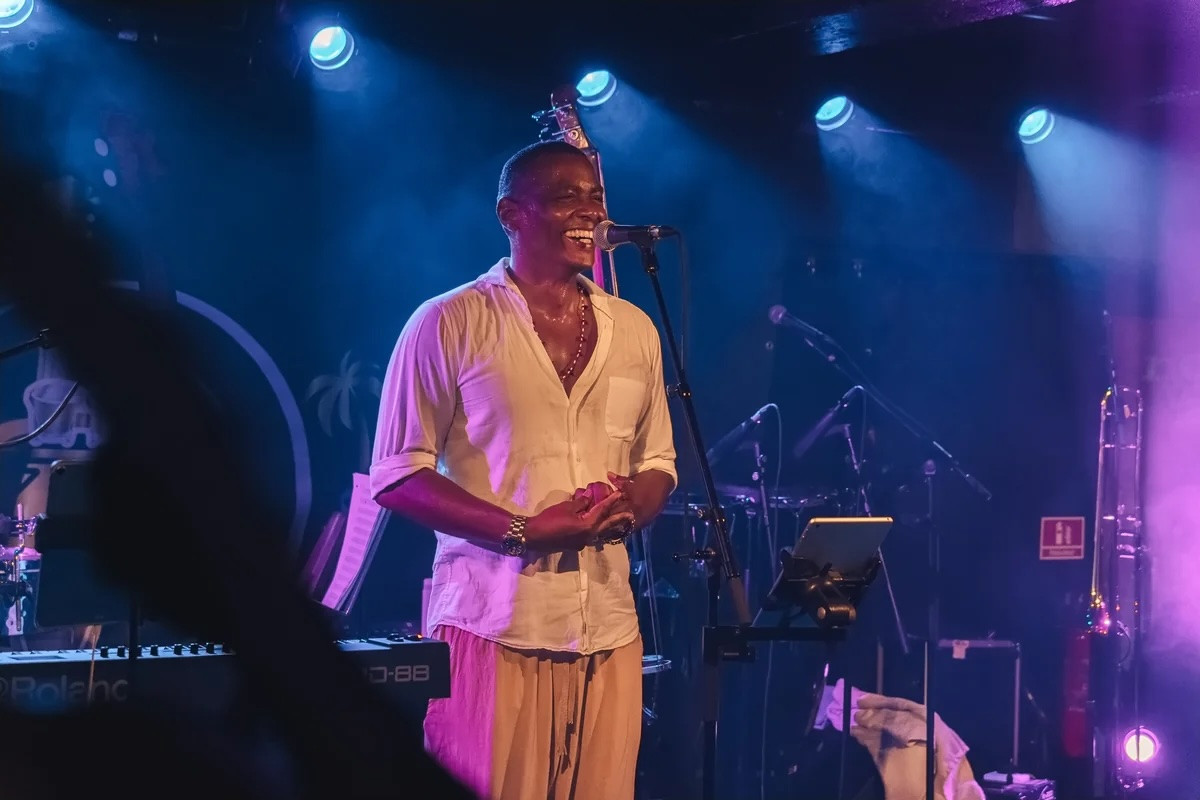
»Music for me is the purest transformation of any energy hiding inside. Through the sound it can become anything we need. It is a form of a bond and connection, it's subtle and it is direct at the same time. For me it was always the biggest exploration machine I could learn about myself, people and environments.«

Gintė Preisaitė is a Lithuanian artist based in Copenhagen who works across piano, electronics, composition and improvisation. Classically trained, she has moved steadily toward electronics, noise, free improvisation and jazz, performing in numerous constellations in recent years.

Working with prepared acoustic instruments, electronics and tape, she bridges her classical background with contemporary sonic experimentation. Through shifting timbres, textures, collaged melodies and percussive figures, she seeks to push acoustic and electronic sound into a space that feels both personal and deeply connected.

Last year she released the EP Spring Mass under the name Baraboro, followed this September by Kaiko, her trio release with Amalie Dahl and Jan Philipp Treen. She is currently developing a new project under her own name for release next year. Gintė performs widely as both a solo artist and a member of various ensembles in Copenhagen and abroad.

In brieflive
05.12

Anna von Hausswolff: The Path to the Organ’s Modern Resurrection

Klara Lewis, Anna von Hausswolff
© PR
© PR

The organ, one of Christianity’s most powerful liturgical markers, runs like a red thread through Swedish artist Anna von Hausswolff’s work. But on her latest album Iconoclasts, the long, piercing drones are toned down in favour of a sharper, driving energy. It was an energy that came through strongly at Hausswolff’s concert in Vega last night, where she was, as usual, joined by a large band. The evening opened with Swedish noise musician Klara Lewis, whose mumbling cassette-loop textures set a brutally atmospheric tone from the start.

Hausswolff’s band was this time expanded with saxophone and percussion, both central on Iconoclasts and both contributing to the slight eurodance tinge that colours several tracks. Unfortunately, the saxophone was at times swallowed by the dense soundscape. Fortunately, Hausswolff’s radiant voice cut through clearly. So did the small organetto – a kind of bellows-driven organ with long pipes. It stood like a totem at the centre of the stage and was almost embraced by Hausswolff whenever she played it. A piece like »The Whole Woman« (a waltzing duet with Iggy Pop on the album) became, in concert, a touching love ode, carried by the organ’s gentle breath as its pulse.

In recent years, a number of musicians have used the organ’s distinctive resonances to wrest it free from the weight of Christian liturgy, giving the instrument an almost iconoclastic status. Despite a slightly muddy sound mix, Hausswolff’s concert was a clear example of this contrast – still deeply rooted in ecclesiastical connotations, yet now an accomplice in large-scale modern productions and a central instrument on major stages.

English translation: Andreo Michaelo Mielczarek

© PR

»Music, to me, is … the silence that gropes – like yourself – across a black canvas.
In moments, a hissing emerges.
Nuts are cracked.«

Jørgen Teller has a long career as an electric guitarist, vocalist, electronic musician, and performer. He has released records solo as Static Teller and with Jørgen Teller & The Empty Stairs, Kaptajn Ørentvist … He frequently collaborates with local and international musicians.

© Lou Mouw

»For me, music is a non-figurative process that cannot be definitively categorised.«

Kristoffer Raasted graduated as a visual artist from the Media School at the Royal Danish Academy of Fine Arts in 2018 and is currently completing a PhD in practice-based and artistic research. Raasted has been an artist in residence at the Danish Institute in Rome and a visiting researcher at UdK Sound Studies in Berlin as part of his PhD.

© Iain Forbes

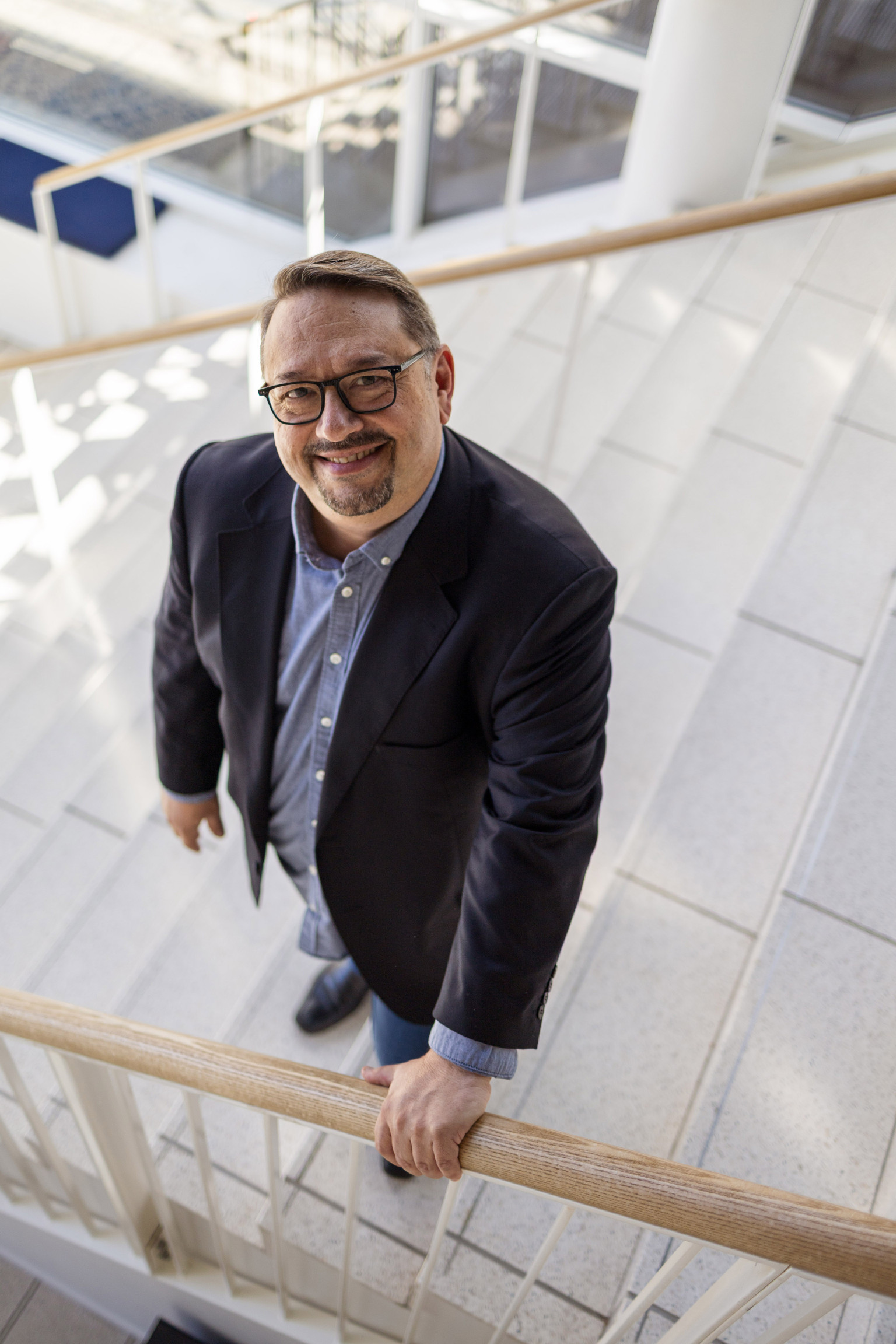
»When I search for new music, I search for sound that evokes images in my mind. It is fuel, a gateway to emotion, and my most important writing companion. When inspiration lapses, music is the tool that always jumpstarts it.«

Iain Forbes is a Scottish/Norwegian film director based in Oslo. He has studied film directing at Nordland College of Art and Film and the Norwegian Film School. His graduation film Revisited won a Student Academy Award in 2023. He has previously directed short films such as Snowman (2015) and Semper Fi (2017). His latest short After Dark won Best International Short Film at the Oscar-qualifying Foyle Film Festival in 2024