in brief
15.07.2023

There are holes in these tones from Theresienstadt

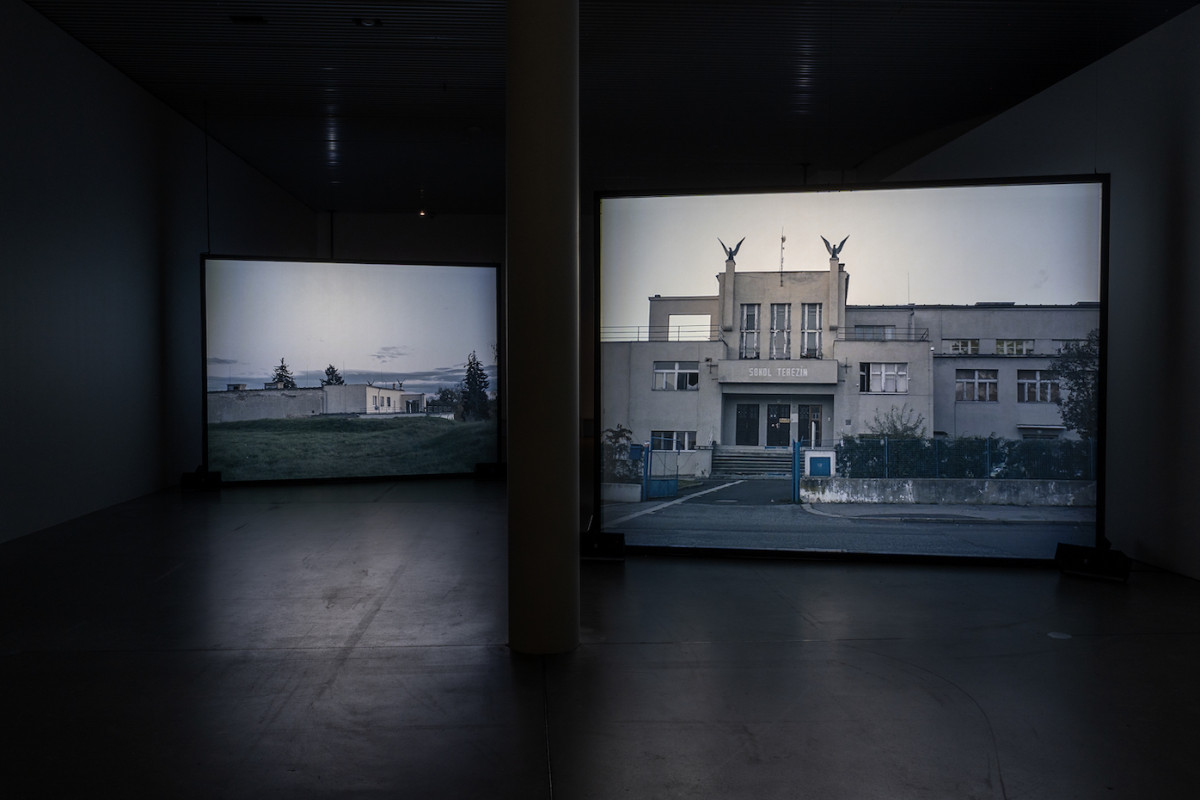
Susan Philipsz: »Study for Strings Sokol Terzín«
© Jens Henrik Daugaard

Two solitary instruments – viola and cello – are heard on separate soundtracks by separate video screens showing footage from the former concentration camp Theresienstadt: peeling walls, cobwebs, a lifeless gym hall. The composition they play was created here; the Czech-Jewish composer Pavel Haas (1899-1944) wrote an orchestral piece that the Nazis used as the soundtrack to a propaganda film about Theresienstadt. We don't hear any orchestra. This is why the two instruments sound so abandoned. Although they also talk together; tones are repeated many times, as if they are trying to breathe life into the empty spaces. The melodic lines are detached from the context they should be in, but cannot be in, because the composer was taken to Auschwitz and murdered shortly after he performed the piece.

Like other Holocaust representations, Turner Prize-winning Scottish artist Susan Philipsz lets us see that the visible traces of the atrocities have disappeared. The camera makes an effort. In that resounding emptiness, ghostly garlands of mismatched tones resound. They are full of holes – there should have been more musicians to make this piece of music sound right. In the speakers, the cello and viola sound almost electric, eerie, it's all so slow, the tones are stretched until they can't do it anymore. In his book Images in Spite of All the art theorist Georges Didi-Huberman defended using all images that exist from the atrocities. The same here: Haas' music calls to be heard, not forgotten. They are sounds, after all. Amputated, seeking for beauty, or remnants of something seeking for beauty. For no composer – even under the worst conceivable conditions – makes music that is deliberately evil.


© PR

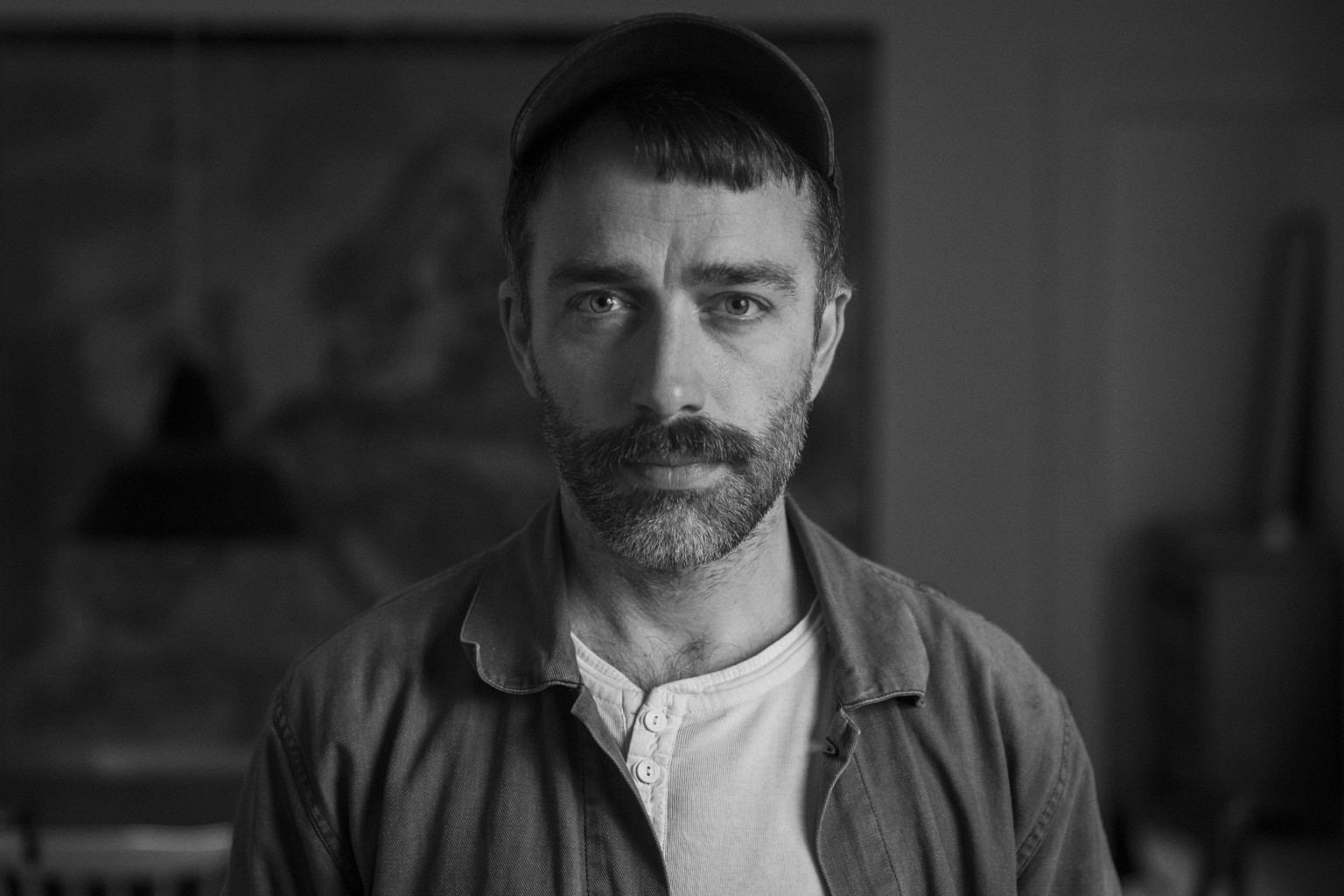
»Music is my life. It has accompanied me all the way and given me experiences, friendships and opportunities that I could never have imagined.«

Pablo Fernández is a Spanish musician and the new Head of Classical Music at the Royal Academy of Music, Aarhus/Aalborg. For many years, he was principal tuba player with the Barcelona Symphony Orchestra and has taught at higher music education institutions in Spain and Denmark. He is also active as a conductor, soloist, guest lecturer and jury member at international competitions. Fernández has extensive experience in the management and development of music projects, festivals and international collaborations. He has lived in Aarhus since 2014 and has been affiliated with the Royal Academy of Music since 2021.

© PR

»Music is, to us, a kind of closed club of nepotism, networking and Copenhagen cowboy energy. But in reality, it’s got nothing to do with expensive guitars or technical skill. For us, music is something you can feel in your chest, or something that gives you goosebumps. The best concerts are when someone screams so earnestly that the rest of us don’t have to. The best music expresses emotions in a way that would get you picked up by an ambulance if you did it out on the street. For us, music should fuck with the people who have it too comfortable, and give those who have it fucked a feeling that they’re not alone. Boom. And what the fuck is a chord and a key anyway? Kisses from Nightmaries.«

Nightmaries blend saws, guitars and voices into a dark-country, no-wave, cowboy-doom nightmare. They create the kind of soundtrack that feels like a fever dream you somehow don’t want to wake up from. As the world gets stranger and darker, Nightmaries lean into the madness, serving up slow-burning songs that creep under your skin like a poison that takes its sweet time. Put on your favourite steel-toe boots, dip your smoky eyes in an ashtray, and prepare yourself for sloppy doom with punk energy.

© PR

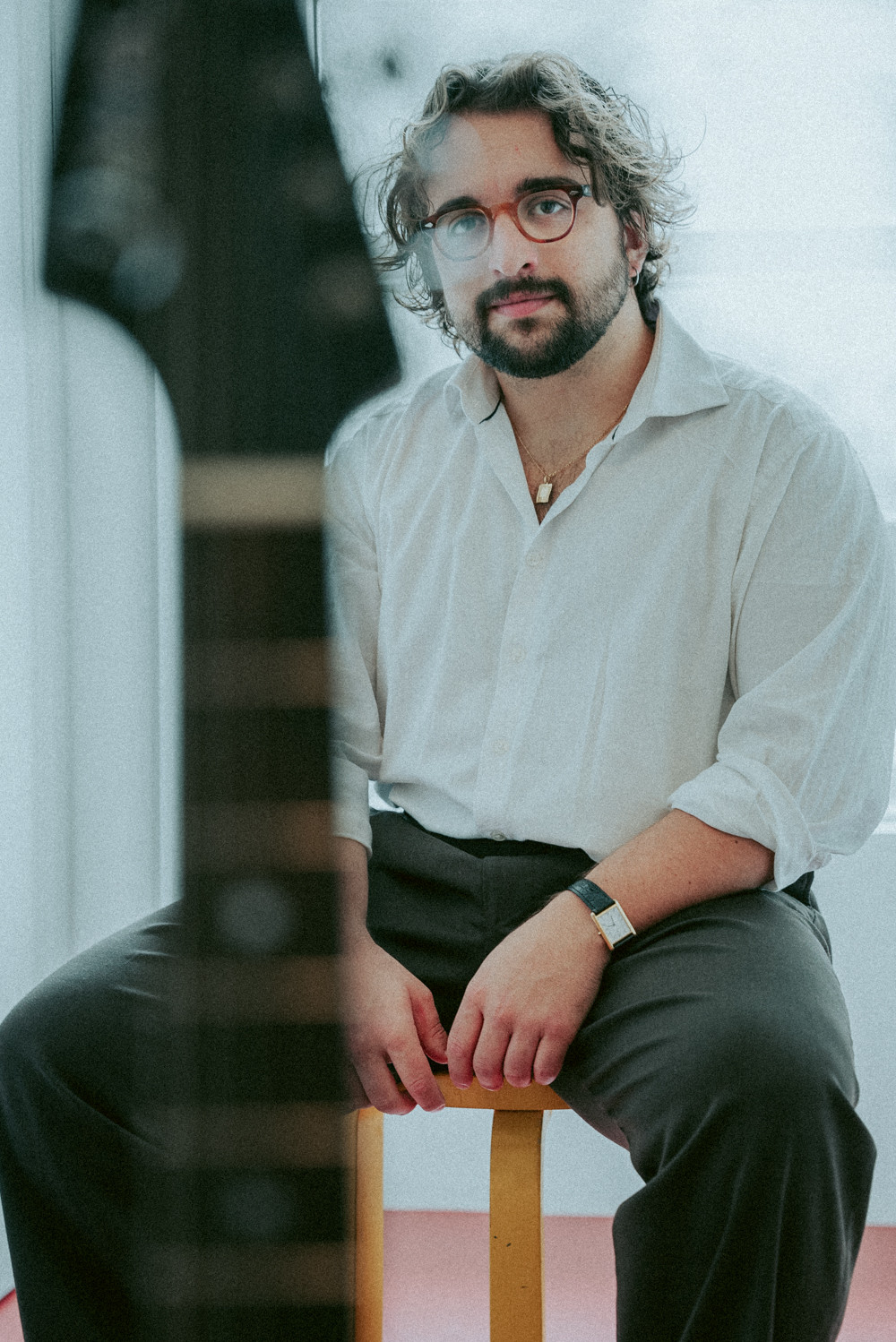
»To me, music is love. I love how music allows you to skip the small talk and connect directly with people’s innermost selves. It is an extraordinary and moving way to meet one another.«

Fenja wrote her first song at the age of twelve – about a polar bear dying due to climate change – and themes of existentialism, nature, and her own sensitive nature came to define the lyrics and sound she has since developed. She released her debut album, Flugtdyr, in 2021, and in February 2026, she released the album Menneskedyr.

© PR
© PR

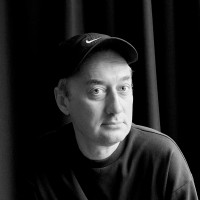
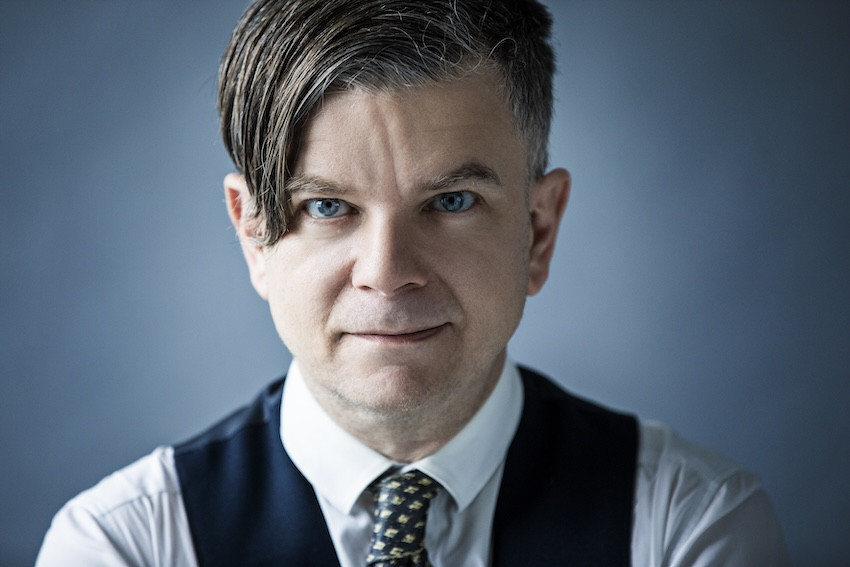
Danish composer Sofus Forsberg has died at the age of 56. With his distinctive blend of melodic sensibility, electronic processing and rhythmic precision, he created a musical world that moved effortlessly between IDM, pop and the avant-garde.

© Simon Weyhe

»Music for me is my hobby, my job, my outlet, my mood, an endless source of discovering new music and new, old music, some of the best and can be some of the worst. And I love it!« 

Track72 aka Tue Track aka Anders Lundby Brixen. Producer, DJ, rapper and more. Known for his role in the trio Malk De Koijn, which since the mid-1990s has created a personal universe in Danish hip-hop. Has performed in Ponyblod, Xtra Naan, Track Abdullah Rock, Booty Cologne and others.