in brieflive
31.05.2024

De lagde trommestikkerne og efterlod os mutters alene

Spor Festival: Sandra Boss og Datterselskabet: »Mother Soldier«
© Mateusz Szota
© Mateusz Szota

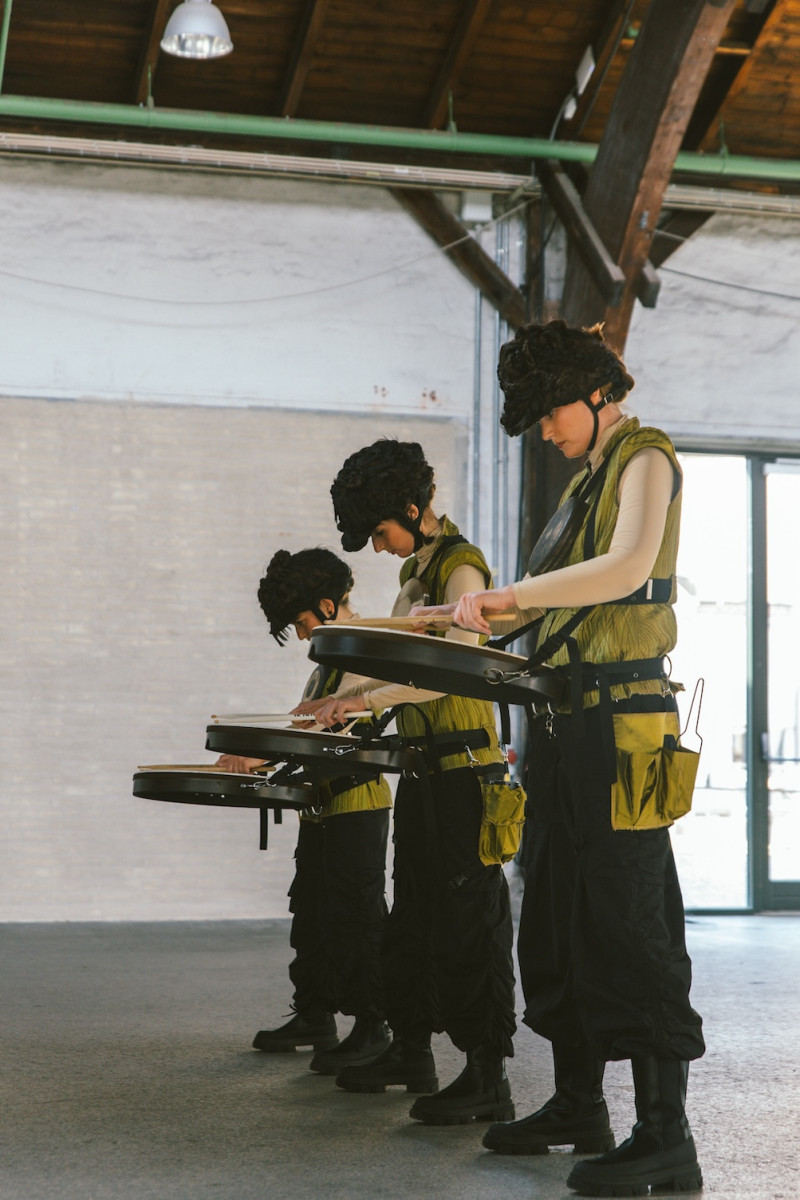
»Træd af!« lød ordren fra en af de tre kvindelige performere i (opgraderet) militærlignende tøj. Men så kørte de meget blidt deres fingre på trommen, som var fastspændt om livet. »Træd an. Gør klar!« Igen hårdt. Men skindet på rammetrommen blev næsten aet. 

I performancen Mother Soldier af komponist Sandra Boss og koreograf Simone Wieroed satte de tre percussive kombattanter hele tiden en kæp i hjulet på »krigsmaskinen«, der jo i sin natur er født effektiv og stærk som Goliath. Så loose, med så synkoperede og smådriplende trommeslag og med så lyrisk klingende koklokker ville intet militærorkester marchere. Eller spille på små gong-instrumenter fastspændt omkring det mest sårbare: hjertet. Eller låne fra helende, østerlandske meditationsritualer. En sådan sammenstilling af krig og moderskab er kun mulig i kunstens verden. 

Mother Soldier dekonstruerer ikke idéen eller æstetikken omkring marchtrommer, og hvad vi bruger dem til. Krigens mekaniske lyde er opfindsomt oversat til noget andet. De tre performere står i geled, men det gør rytmerne ikke. Der er plads til pauser, tavshed og rytmer, som følger andre logikker. Da en af performerne slog på en stor gong, åbnede hun munden til et skrig. Der kom ikke noget skrig. Der var kun lyden af den store gong. Og stum smerte. Tilhørende tusinde og atter tusinde efterladte, før, nu og i fremtiden. For tøjet signalerede også, at disse krigere måske havde set fremtiden, hvor alt tyder på oprustning. Og flere krigstrommer. Til sidst lagde de tre kvinder stikkerne. De trådte af og efterlod os alene i Godsbanens store rå hal. 

© PR

»For us, music is a transcendent force with transformative potential – something we get to experience and shape when we create sound together. It is an opportunity to describe one’s innermost universes without words, and the best way for an introvert to express intense emotions at full volume.« 

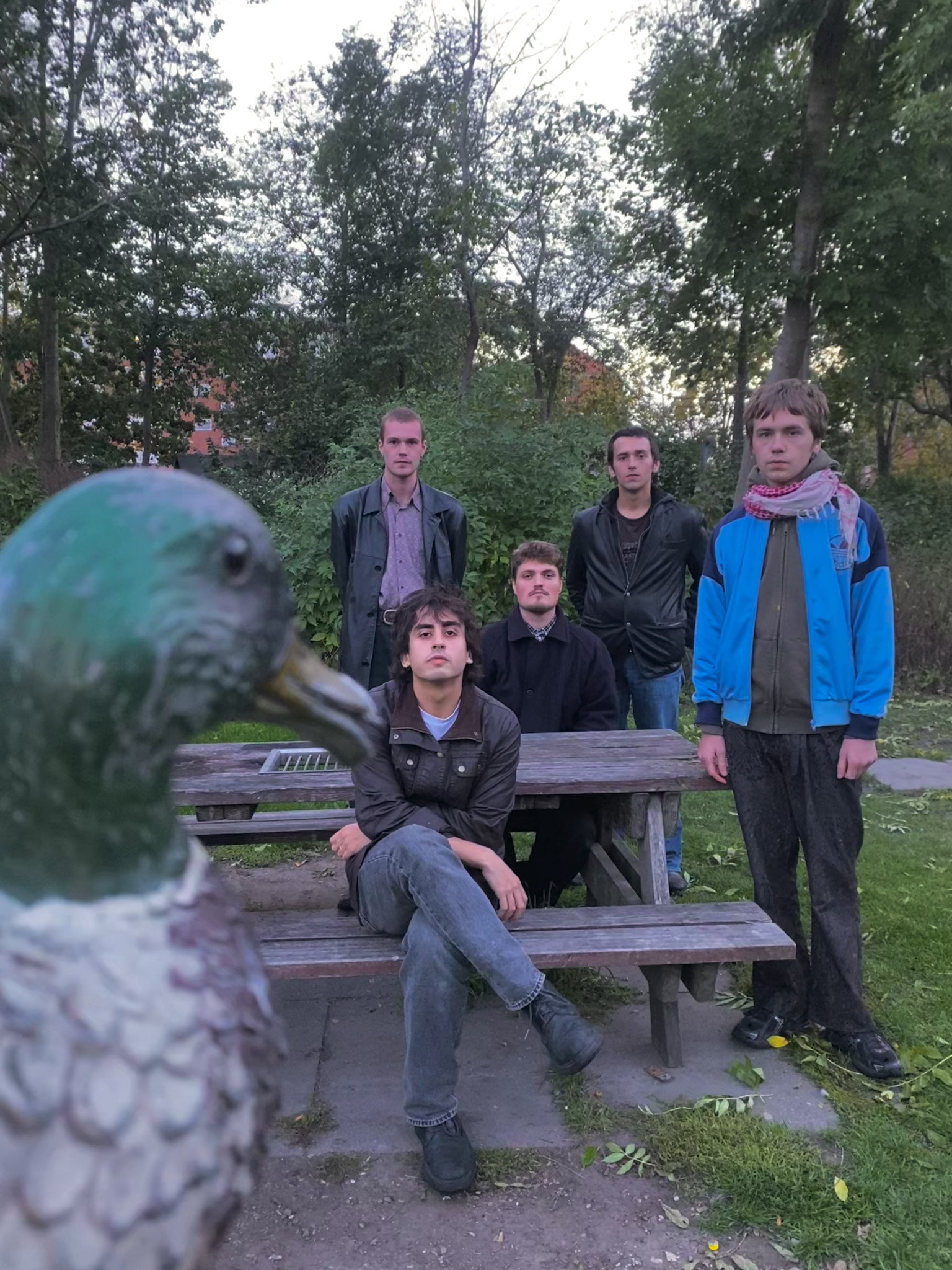
With roots in Copenhagen’s experimental jazz and punk scene, Echo, Bravo challenges the notion of what a rock band can sound like. The quintet blends post-punk, free punk, and noise rock into a raw and unpredictable soundscape. They describe the music themselves as a kind of »empty-the-fridge soup,« where various leftovers come together. »Best enjoyed as a hot meal in a cold industry.«


© Ultima
© Ultima

Thorbjørn Tønder Hansen has died. With Thorbjørn’s passing, the art music community has lost one of the Nordic region’s most significant producers, curators and cultural leaders.

© PR

»Music is the best way to discover myself and understand the world around me.«

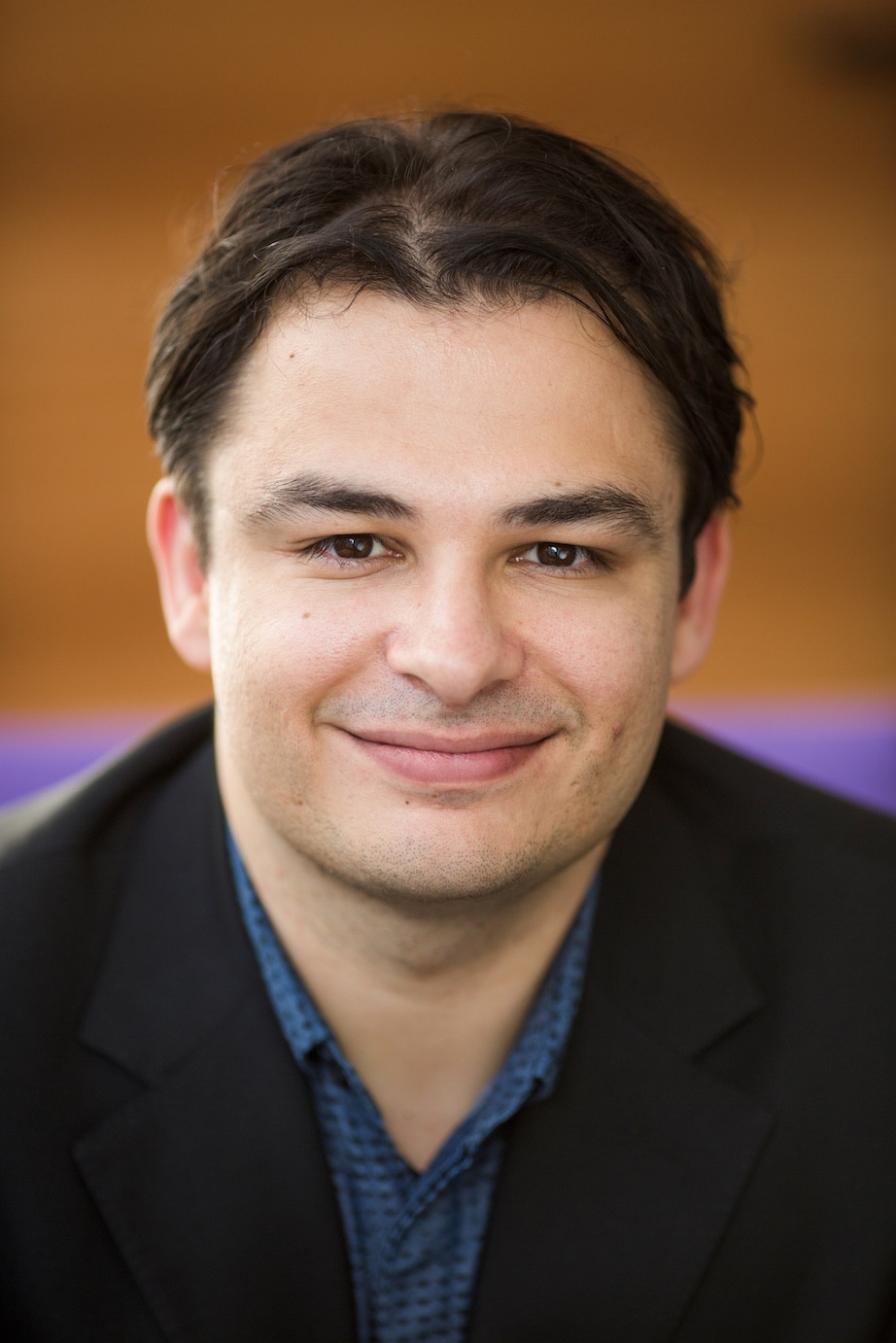
Luca Quintavalle is a harpsichordist, fortepianist and conductor. He has performed with ensembles including Concerto Köln, Harmonie Universelle, the Mozarteum Orchestra Salzburg and the Kölner Kammerorchester at venues and festivals such as the Kölner Philharmonie, Salzburg Festival and Enescu Festival. He was harpsichordist of Les Musiciens du Prince, led by Cecilia Bartoli, for over five years, and has conducted ensembles including the Orchestra and Chorus of Teatro dell’Opera di Roma, Concerto Köln and Deutsche Kammerakademie Neuss. His recordings include Mirrors, released by Berlin Classics and awarded an OPUS KLASSIK.

in brieflive
21.09

The Trombone Finds Its Quiet Side

Francisco Coll: »Tapias«
© PR
© PR

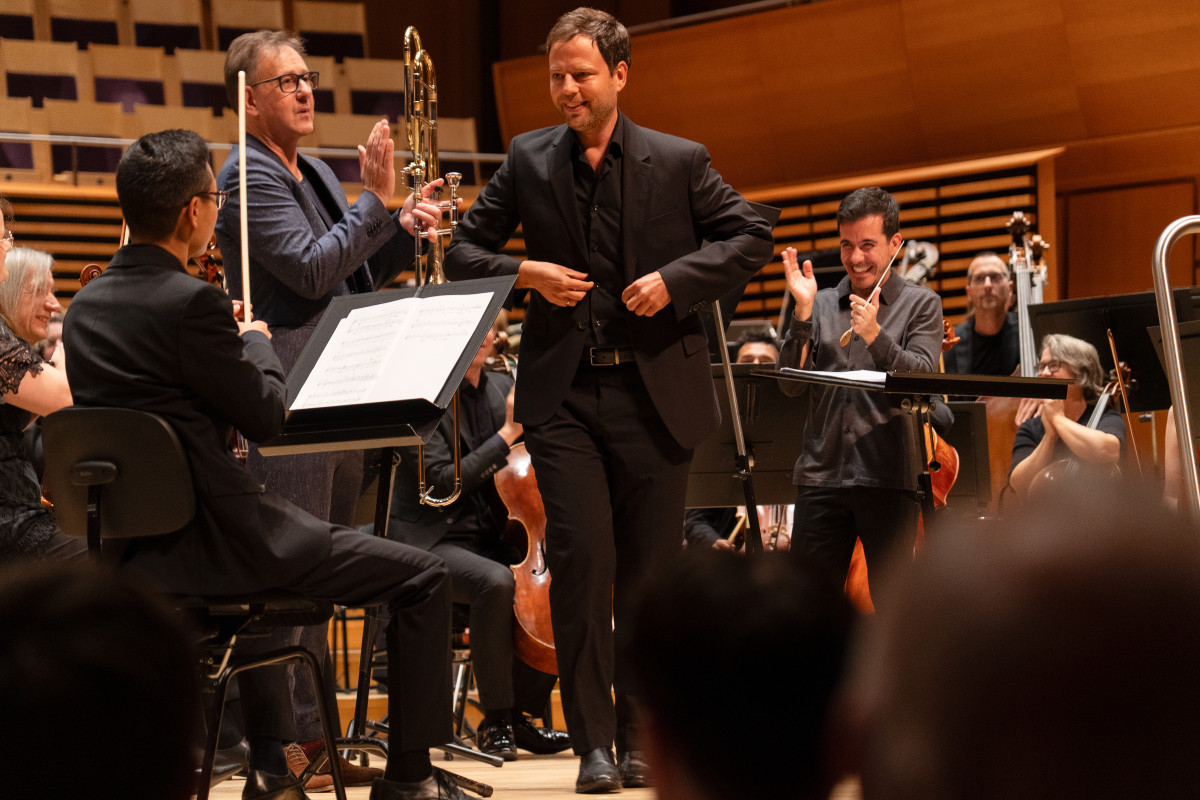
At 19, the Spanish composer (and trombonist) Francisco Coll wrote a wild-child of a trombone concerto that pushed the instrument out of its comfort zone. 22 years later he has created a new piece from some of that material. Its priorities are the opposite.

Tapias embraces the lyrical, ethereal qualities of the trombone. It is not a concerto, insists Coll. Perhaps it could be described as a set of frescoes for trombone and orchestra. Whatever the category, it’s a beguiling piece that was gorgeously birthed on Thursday by Ian Bousfield, conductor Nuno Coelho and a sumptuous-sounding Stavanger Symphony Orchestra.

Composers from Sibelius to Turnage have reacted against caricatures of the trombone as brusque and clowning by exploring its dark-hued lyricism. Coll does something more, setting his soloist’s introspective, intervallic melodies in evocative and provocative orchestral contexts. The soloist’s lines can resemble spray-canned tracings on walls already heavy with the patina of history, decoration and graffiti.

Initially the trombone appears to seek repose. The second movement draws it into more agility but the dancing is suppressed: a layered burying of all manner of rhythms from flamenco to Hiphop. Great wodges of rich harmony weigh the boogying down for good. 

The trombone does find peace in the final movement – its long, soulful melodies more yielding. But not before Coll has conjured up moments of huge harmonic strain and conscious orchestral magnificence. They sat well next to Coelho’s fierce performance of Shostakovich’s Symphony No 5 after the interval. But Bousfield’s heartfelt journey through Tapias, sounding entirely at one with the orchestra, will linger longest in the mind. 

© Clara Linn & Amalie Lee Bjørn

»For us, music is a passion, a livelihood, and a focal point for us and our best friends in the band.«

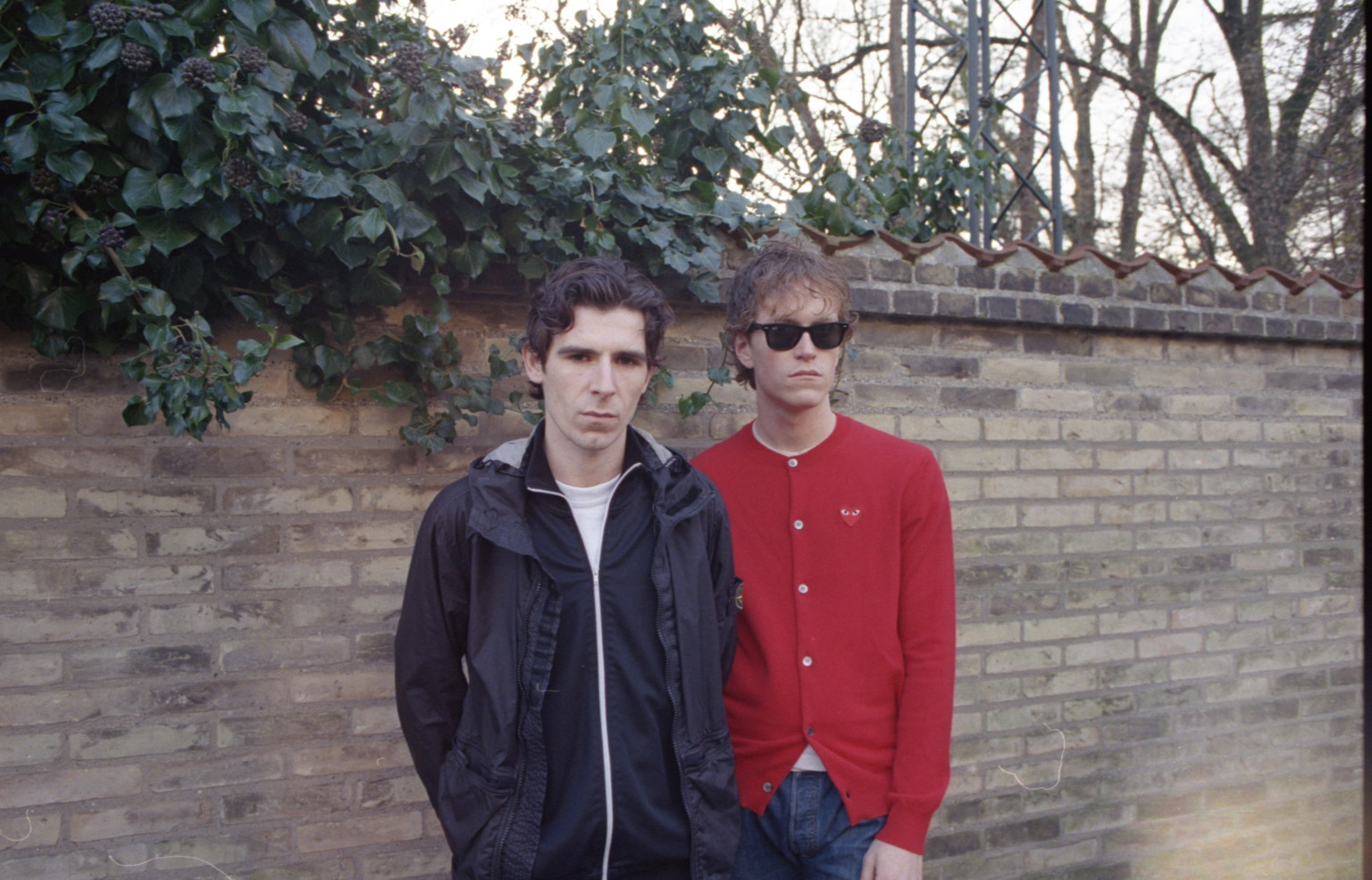
Barselona consists of Rud Aslak and Rasmus Theodor. The band was formed in 2016 after a year at Ollerup Musikefterskole and has since released five albums and two EPs, most recently the album *Tag Min Hånd, Så Slipper Vi*, which is set for release in September 2026.