© Jane Gisselman

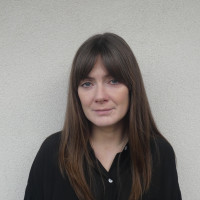
»Musik er for mig minder, følelser og oplevelser i – og af – verden. Men den handler lige så meget om at sætte noget i gang og måske – mest af alt – om at holde fast i den frie leg. At lege med andre! Og i den leg kan man proppe hvad som helst: provokationer, fortællinger, der binder os sammen som folk, åndssvage lyde fra jordbærfarvede orgler, rytmebokse af træ og strengeinstrumenter fra en nedlagt centralskole, og meget mere. Når man laver musik, ender det ofte med noget fysisk, man kan stå med i hånden og sige: ‘Det her kom inde fra mit hoved, men nu findes det fandme i virkeligheden – her, på vinyl!’ Og i morgen, du kære kaffekop, går turen i øveren, hvor vi spiller det med mit orkester. For musikken skal ud i verden. På nye eventyr. Sammen med os. Det kan musikken – og jeg – sammen. Det giver en vidunderlig følelse af frihed. Og det er en rar måde at være i verden på. Til alle tider.«

Rasmus Mørup Johansen (f. 1977) – bedre kendt som Telestjernen, men også som protestsangeren Rasmus Johansen fra Fly (tre albums) – er dansksproget sangskriver og musikalsk igangsætter. Han har desuden medvirket i sangskriverkollektiverne Keminova Cowboys og Arctic Assembly (ét album med hver). Ved siden af sit virke som sangskriver og fællesskabsbygger laver han også børnemusik til og med den lokale cirkusklub, Cirkus Højdeskræk. Herudover har han lavet musik med Onkel Reje, børneorkestre og børn fra hele landet. Aktuelt er Telestjernen ude med sit syvende album, Kultfilm fra Karup.

© PR

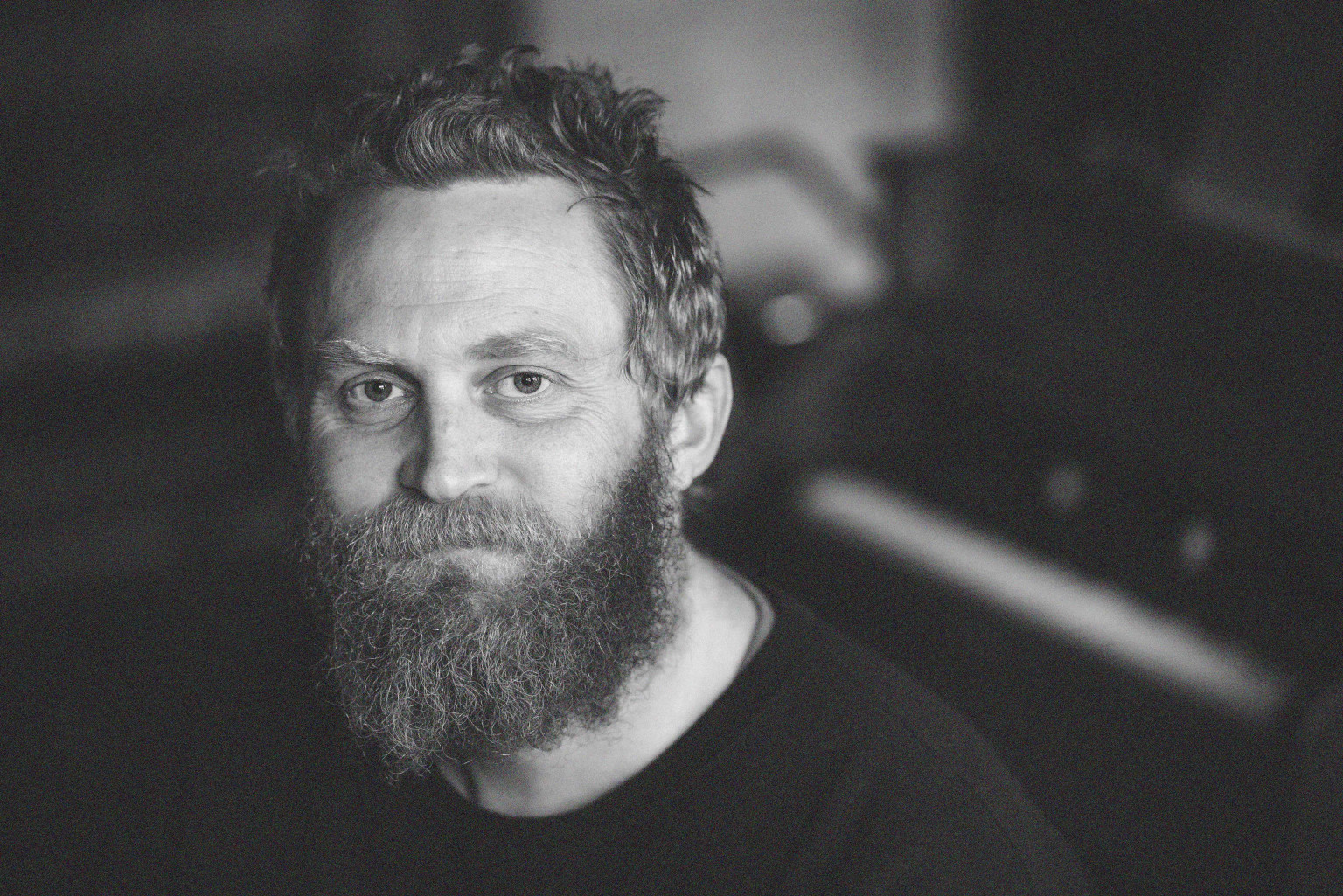
»Music for me is a universal tool for opening myself for feelings. It may be anger. It may be happiness or sadness. Music may make you wanna dance or cry. But it never leaves you indifferent to the emotional load it brings. Good music, at least. Music may tell stories. It may as well be a background, or a soundtrack for the moment, for the day, for life. That being said, music for me is a company for everyday. And I’m quite lucky that it’s my company at work as well, I guess.«

Jan Janczy is a Polish journalist and radio host at Radio Nowy Świat. His main fields of professional interest are Northern Europe, international affairs and music. He interviewed among others 3x Grammy Awards winner Fantastic Negrito, Röyksopp, Alabaster DePlume, Archive, Trentemøller and Mogwai. In 2024 together with JazzDanmark, Kultur(a) and Radio Nowy Świat he released a podcast series devoted to the history of Polish-Danish jazz connections. He is a Swedish philologist by education.

© Carlos H. Juica

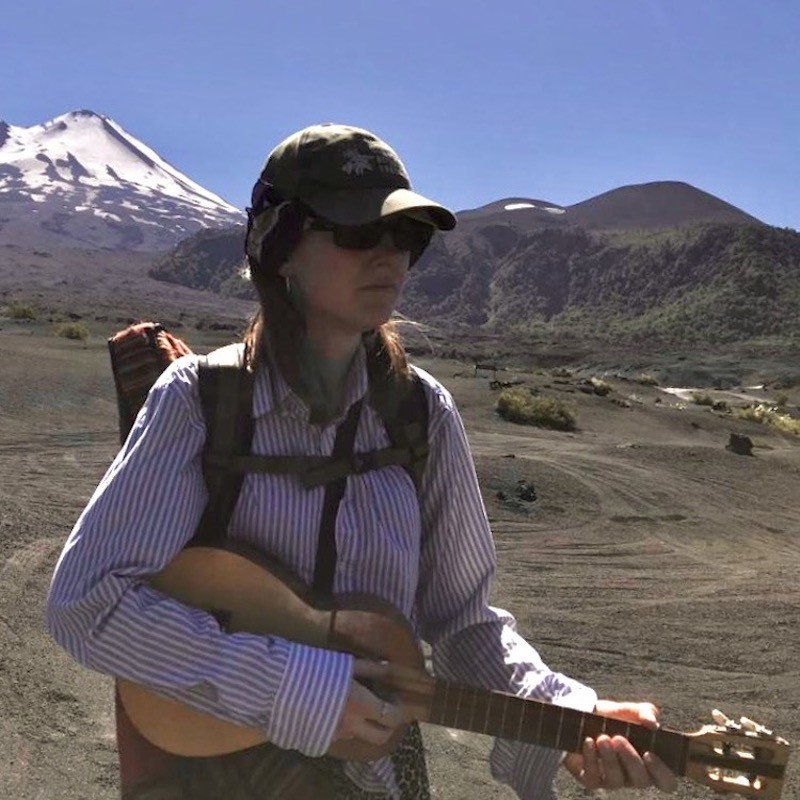
»Music is inseparable from listening: a close, attentive act. It’s not about beauty, truth or even intelligibility, but connection. This intense, focused intimacy is where meaning and everything else begins.«

Simon Cummings is a composer, writer, and researcher based in England. His music centres on two areas, both of which blur abstract and emotional impulses. The first, explored in instrumental work, involves highly intricate algorithmic processes rooted in carefully-defined behaviours, in a bespoke approach that combines stochastic and intuitive methods to realise large-scale behavioural transformations. His electronic music typically begins with visual stimuli, used to sculpt time-frequency structures investigating the boundary between noise and pitch, reappraising what defines each and their boundaries. He is currently working on a song cycle for voice and electronics for Icelandic soprano Heiða Árnadóttir, to be premièred in 2026. His research is primarily long-form critical writing on contemporary music, published on his website 5:4, as well as in assorted online and print publications.

In briefrelease
16.08

The Symphonic Statement of the Year

Søs Gunver Ryberg: »Coexistence«
© PR
© PR

My experience of Coexistence, Søs Gunver Ryberg’s ten-minute work for orchestra and electronics, unfolds in two stages.

At first, I am stunned. By the natural ease with which she handles the symphonic material, turning the orchestra into a potent hybrid of acoustics and synthesis. Such bite in the sound, such a sandstorm of granular texture churning on behind the instruments.

Here, I think enthusiastically, the sonic potential of the twenty-first-century orchestra is realised. But then doubt sets in during the second stage. For does something essentially similar happen here as in Swedish composer Jesper Nordin’s hour-long Emerging from Currents and Waves (2018): a technological quantum leap in symphonic sound that nevertheless freezes compositionally into a stop-and-go between thunder and silence?

The supply of drama in Coexistence is almost vulgar: unstable Icelandic dark drones, harsh brass blasts, trembling strings, thunderous timpani, abrupt brakes like those in Hollywood action trailers – and much more besides. It is a heavenly chaos. The contrast: muted alarms of bowed metal, collected noise and extended tones, like a fragile iron framework still shuddering after the storm.

The two temperaments alternate, and it sounds phenomenal under Dalia Stasevska’s direction of the BBC Symphony Orchestra. The work’s core is catastrophe – collapse and aftermath – and seen in that light, the black-and-white extremes make sense. The music is brutal, relentless. But could it have been more: more in colour, beyond the duel? Perhaps. Judge for yourself – Coexistence is without doubt the most striking symphonic statement of the year.

In briefrelease
11.08

Voices From a Bygone Era

Sofie Birch & Antonina Nowacka: »Hiraeth«
© PR
© PR

While Sofie Birch and Antonina Nowacka’s joint debut album Languoria, with its synth-laden sound, felt like a dream of another world, their second album comes across more as a window into a bygone time. The electronic elements have stepped into the background in favour of acoustic timbres from sitar, guitar and harp, lending the music a warmer, more grounded character. A fine example is the title track, where a gently trickling stream forms a backdrop for a relaxed dialogue between sitar, guitar and voices that shift between singing and humming. There’s a clear connection to the simple melodies of folk music and those little fragments one might find oneself humming in the kitchen while the kettle boils. It is precisely this personal and inviting tone that makes the composition so effective. The track »Nøkken« likewise testifies to the strength of Birch and Nowacka’s songwriting. With its sparse instrumentation, gentle melody and carefully balanced reverb, the piece brings out the best in their voices and appears almost weightless – transparent and ephemeral.

Together, the Danish-Polish duo create music for those who dream of another time and place – not because they necessarily wish to escape their present reality, but because the quiet moments of daydreaming are full of calm, comfort and enchantment. At times, however, the sense of security takes over slightly, and one misses something to challenge the stillness – like the more prominent synths did on their debut. But for those in the mood for unpretentious beauty and quiet reverie, Hiraeth remains a strong release from two continually compelling voices in the ambient genre.

English translation: Andreo Michaelo Mielczarek

»Music is the infinite sound of humanity, in all of its manifestations. It is the essence of who we are, what we fear and what we hope for. Nobody owns music, and yet it is absolutely who you are, the very DNA of your soul.«

Seb Doubinsky is a bilingual French dystopian fiction author and academic. His »city-states cycle« has put him on the map of notable authors of the genre. He has been long-listed for an Arthur C Clarke award, won the Foreword Reviews bronze award for Missing Signal and his latest novel is short-listed for the 2025 Foreword Reviews award. He lives in Aarhus, Denmark, where he teaches French history, literature and culture at the university.