



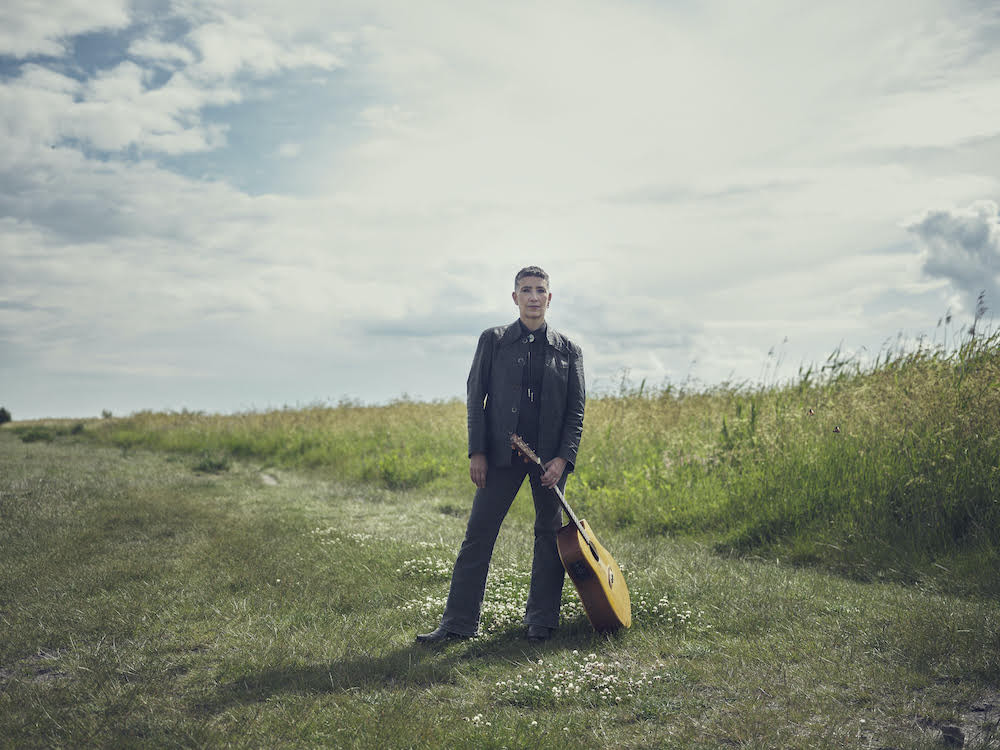
© Tuala Hjarnø

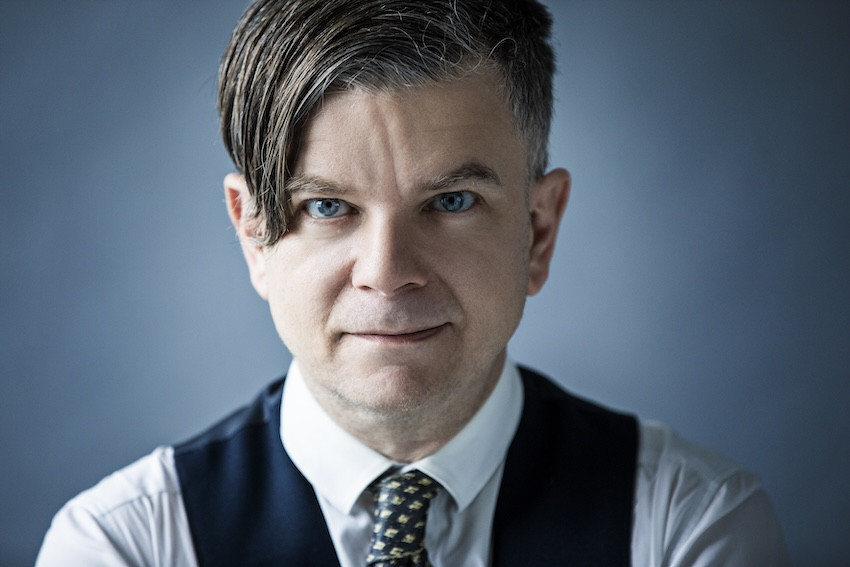
»Mit forhold til musik er dybt passioneret. Ud over at spille og arbejde med mange genrer skriver jeg også om musik – for tiden mest i Gaffa og på min egen blog på www.vaering.com. Jeg anmelder især koncerter, fordi jeg elsker at gå til koncerter og mærke både musikken og dem, der spiller den. Jeg har også en podcast, Værings Musiklytteri, hvor jeg med skiftende musik-nørdede gæster dykker ned i forskellige temaer.

Jeg plejer at sige, at jeg lytter til alt fra post-punk til country. Én rød tråd er dog nogenlunde konstant, nemlig at jeg er mest optaget af de mere håndspillede genrer. Der er undtagelser fra den regel, men som regel gider jeg ikke rigtig musik, der – som jeg kalder det – er undfanget i en petriskål.  Det organiske, det taktile, betyder meget for min oplevelse af musik. Jeg vil have levende mennesker, der river i nogle strenge, slår på noget skind og fortæller mig en historie der ligger dem på sinde. Jeg tager også gerne mine vokaler rørende, inderlige eller ligefrem uregerlige, og så vil jeg gerne have tekster med både vid og bid. Hver gang jeg har sat mig ned for at lave denne liste, er jeg gået i stå, fordi det blev for stort at udvælge fem sange til verden. Nu har jeg bestemt mig for at lægge til føje lige nu til opgaveformuleringen. Her er således fem sange/kunstnere, som jeg har lyttet til i netop denne uge – dvs. sange, der er udkommet inden for de seneste to-tre uger, altså mellem 17. januar og 7. februar 2025. Havde I fanget mig i næste uge, havde det været noget andet.«

Trinelise Væring (1965) er en dansk singer-songwriter, tekstforfatter, guitarist og bandleder. Væring debuterede på den skandinaviske jazzscene i 1992. I løbet af sin karriere har hun udforsket flere genrer gennem samarbejder, bl.a. med det norske ensemble Barokksolisterne, som bandleder for indie-jazzbandet Offpiste Gurus og senest for folk/roots-fusionsbandet Tone of Voice Orchestra. På album og turnéer har hun spillet med navne som Alex Riel, Carsten Dahl og Bobo Stenson. I januar udgav Væring sit ottende soloalbum med titlen A Songwriter’s Odyssey.
in briefrelease
11.09

A Strange Instrument, a Familiar Sound

Mike Sheridan: «Touch«
© André Hansen
© André Hansen

There is something almost dogmatic about Mike Sheridan’s latest album, Touch. Everything leads back to the Cristal Baschet – a peculiar instrument from the 1950s in which sound is produced by running wet fingers over glass rods, setting metal resonators into vibration. No strings, no keys, just glass, water, skin and friction, slowly making the metal sing.

The Cristal Baschet is not merely an instrument on Touch. It is the album cover, the subject of the press photos, and almost the very argument for the album’s existence.

It recalls the material fetishism found in the American duo Matmos, whose music is often built around a single material or sound source: metal on Metallic Life Review (2025), plastic on Plastic Anniversary (2019), a washing machine on Ultimate Care II (2016). What is interesting about such constraints is that they ought to force the music somewhere it otherwise might not be able to go.

While listening to Touch, a question therefore begins to press itself forward: Which of these sounds could not have existed without a Cristal Baschet?

There are glassy tones that hang in the air and slowly change texture. Thin, cutting vibrations. Metallic surfaces that flutter, ripple, open and close. A constant sense of droning resonance; of something vibrating just on the other side of the audible.

Sheridan’s layering is meticulous. There is a precision to the mix, an almost surgical sense of the distance between the different textures. The best moments occur when the surface is disturbed: something that scratches at or short-circuits the otherwise tightly controlled resonance. On »BOW / GROUND«, for instance, deep bass pulses suddenly enter, creating a different physical quality – crackling, heavy, like something hitting the floor.

But Touch is first and foremost a well-produced ambient album. It moves through different degrees of the same state, changing nuance without ever truly changing its skin. That is not necessarily a weakness. There is something consistent, almost meditative, in Sheridan’s insistence. But the longer one remains in the same sonic state, the more one begins to miss what ought to be the Cristal Baschet’s particular possibility.

This is where the disappointment lies: in the gap between the instrument’s strangeness and the music’s conventional appearance. The sounds have been assimilated into a familiar ambient vocabulary, where the extraordinary instrument ends up producing something surprisingly familiar. You can hear that something unusual is happening at the source of the sound. But you cannot necessarily hear why it had to be this particular instrument. Had one not been told that a rare, almost otherworldly acoustic sculpture was standing in the room, one would hardly have guessed it.

© PR

»Music is my life. It has accompanied me all the way and given me experiences, friendships and opportunities that I could never have imagined.«

Pablo Fernández is a Spanish musician and the new Head of Classical Music at the Royal Academy of Music, Aarhus/Aalborg. For many years, he was principal tuba player with the Barcelona Symphony Orchestra and has taught at higher music education institutions in Spain and Denmark. He is also active as a conductor, soloist, guest lecturer and jury member at international competitions. Fernández has extensive experience in the management and development of music projects, festivals and international collaborations. He has lived in Aarhus since 2014 and has been affiliated with the Royal Academy of Music since 2021.

© PR

»Music is, to us, a kind of closed club of nepotism, networking and Copenhagen cowboy energy. But in reality, it’s got nothing to do with expensive guitars or technical skill. For us, music is something you can feel in your chest, or something that gives you goosebumps. The best concerts are when someone screams so earnestly that the rest of us don’t have to. The best music expresses emotions in a way that would get you picked up by an ambulance if you did it out on the street. For us, music should fuck with the people who have it too comfortable, and give those who have it fucked a feeling that they’re not alone. Boom. And what the fuck is a chord and a key anyway? Kisses from Nightmaries.«

Nightmaries blend saws, guitars and voices into a dark-country, no-wave, cowboy-doom nightmare. They create the kind of soundtrack that feels like a fever dream you somehow don’t want to wake up from. As the world gets stranger and darker, Nightmaries lean into the madness, serving up slow-burning songs that creep under your skin like a poison that takes its sweet time. Put on your favourite steel-toe boots, dip your smoky eyes in an ashtray, and prepare yourself for sloppy doom with punk energy.

© PR

»To me, music is love. I love how music allows you to skip the small talk and connect directly with people’s innermost selves. It is an extraordinary and moving way to meet one another.«

Fenja wrote her first song at the age of twelve – about a polar bear dying due to climate change – and themes of existentialism, nature, and her own sensitive nature came to define the lyrics and sound she has since developed. She released her debut album, Flugtdyr, in 2021, and in February 2026, she released the album Menneskedyr.

© PR
© PR

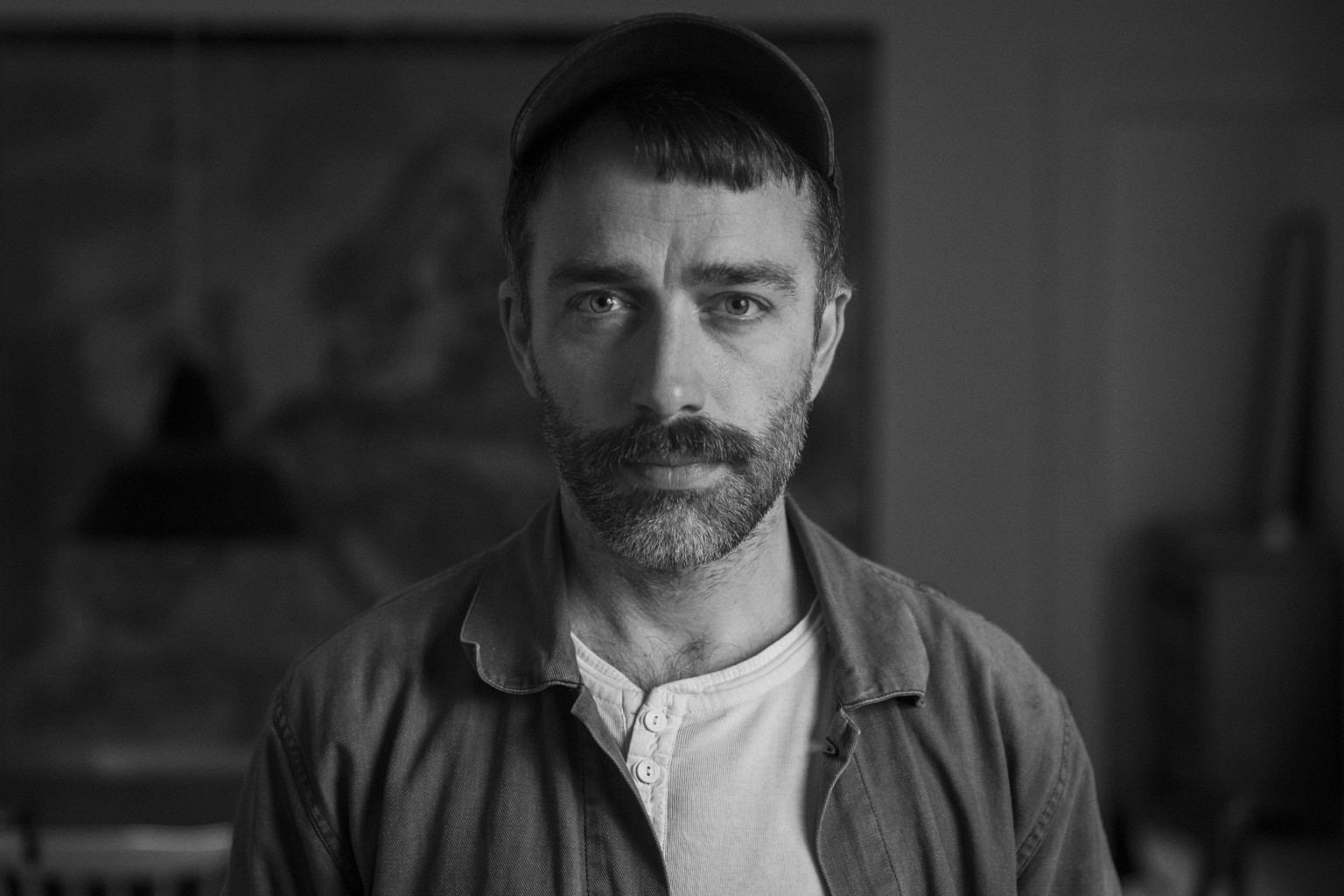
Danish composer Sofus Forsberg has died at the age of 56. With his distinctive blend of melodic sensibility, electronic processing and rhythmic precision, he created a musical world that moved effortlessly between IDM, pop and the avant-garde.