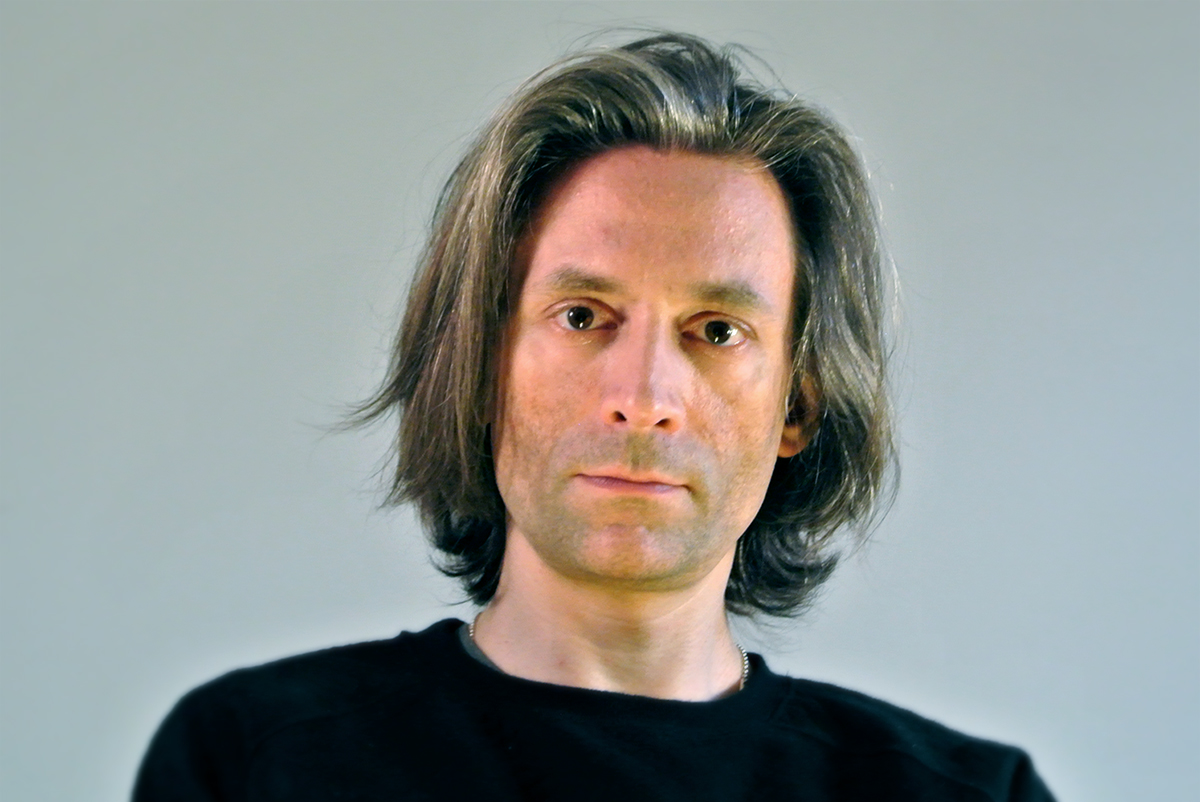
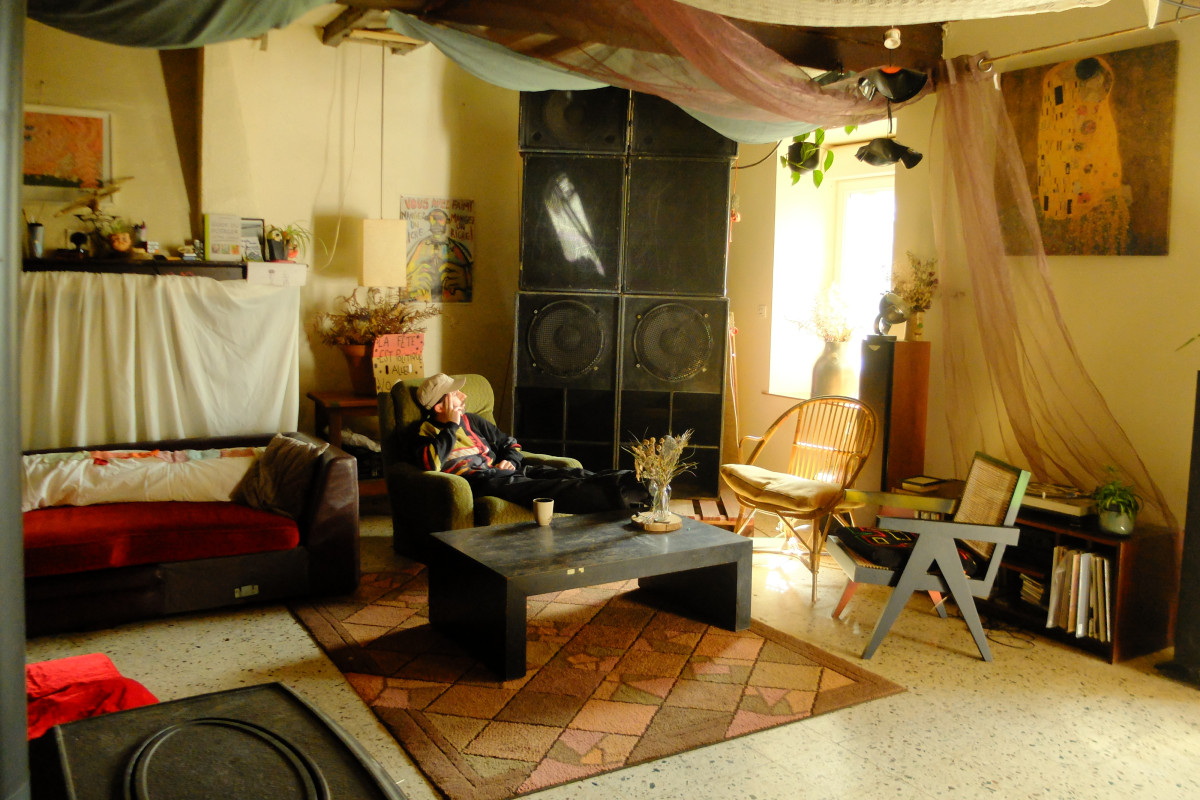
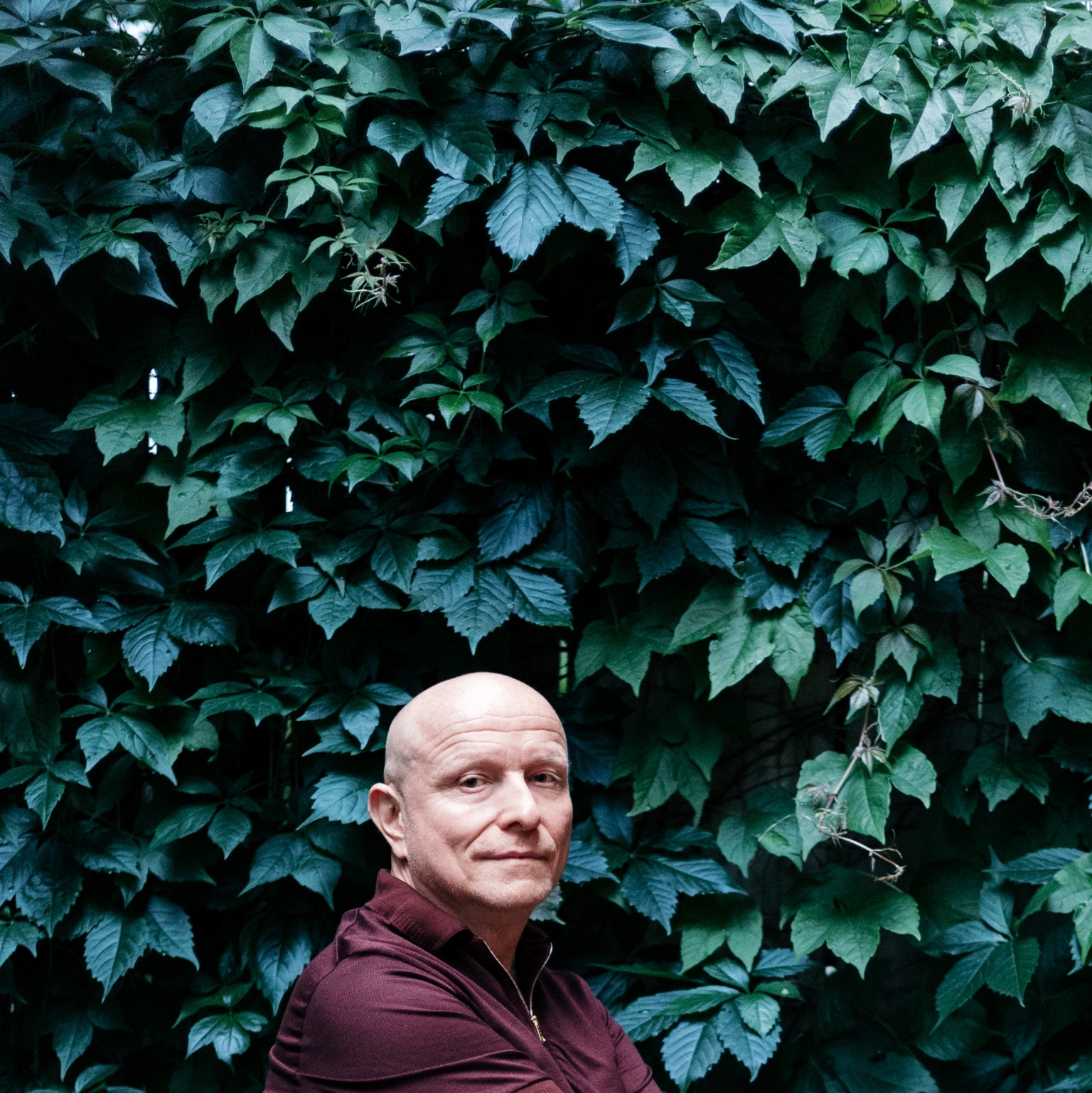
I en serie af mini-interviews spørger Seismograf/DMT forskellige aktører på musik- og lydkunstscenen til aktuelle anbefalinger af værker eller events. Se her denne anderledes og personlige værkanbefaling fra den ene af initiativtagerne til LYT TIL KBH og manden bag kunstnernavnet Krishve, Kristian Hverring.

1) Hvilket værk vil du gerne anbefale til andre?
Jeg bliver nok nødt til at vælge en drøm, jeg havde for noget tid siden. En koncert i et gammelt nedlagt biografkompleks i Bruxelles. På scenen var medlemmer af The Residents, Coil, Slayer, Velvet Underground, Guns N’ Roses og Einstürzende Neubauten. Cash, Bowie og Derbyshire gjorde også et eller andet. Arvo Pärt kom ind på scenen, men gik ud igen med det samme. Så Ligeti og Lemmy i baren. Over scenen svævede en sky af helikopterkatte. Lee Hazlewood, Scott Walker, Laurie Anderson og Ronettes sang kor. David Lynch dirigerede. Hans bidrag bestod i forundrede smil og flagrende håndbevægelser i retning af John Cage, der ved et komfur strøg en fjer mod en kogende kedel. Lars von Trier lavede lyd. Sublimt dårligt. Med vilje. Inger Christensen skammede sig bare. På alles vegne. Musikken var en kakofoni af knækket selvværd i HD. Uimodsigelig som en naturkraft, asiatisk i sin vælde, grum som et K-hole. Jeg vågnede med en underlig tilfredsstillelse i kroppen. 

2) Hvorfor er dette værk særligt?
Det er vigtigt at drømme. Og sove, hvis man kan. Det er godt for hørelsen. 

3) Hvad arbejder du selv med lige nu?
“1 + 1 = 3 [30 sekunder]” er en serie af improviserede 30 sekunders duetter med skiftende samarbejdspartnere. Det har stået på siden 2009 og viser ingen tegn på at gå væk. Kan opleves på film eller live. Er samtidig ved at tyde konturerne af to nye udgivelser. Den ene bliver en kortere ting, den anden længere, og på vinyl. Jeg glæder mig meget til at møde dem begge. Man kan se med på min hjemmeside www.krishve.com.

LYT TIL KBH er et samarbejde jeg har med arkitekten Jakob Oredsson. LYT TIL KBH bor på hjemmesiden www.lyttilkbh.dk og kan antydes med disse korte instrukser: 
 - Gå ud i byen
 - Placer dine hænder bag ørerne
 - Lyt til byens lyde

På hjemmesiden finder man en mere uddybende beskrivelse af intentionerne bag, samt binaurale optagelser fra forskellige steder i København. Vi arbejder i øjeblikket på næste trin. LYT TIL KBH er kun lige begyndt at vise sig, og vi planlægger en lang rejse.

Læs mere om Seismografs omtale af projektet.

Jeg er også involveret i et par nye projekter med Hotel Pro Forma, som jeg efterhånden har samarbejdet med i tre år. Derudover arbejder jeg på lydsiden til en udstilling på Nordatlantens Brygge til efteråret. Det lover godt for drømmene, men varsler ilde for søvnen.


© Bastian Zimmermann

It is difficult to comprehend that Andreas Engström is no longer with us. Just a couple of months ago, he wrote – as he had done so many times before – with an ambitious proposal: he wanted to review a box set of twenty releases by Dror Feiler. In the same message, he mentioned plans to come to Aarhus for the recently concluded Spor Festival.

in briefrelease
04.05

The Escape From a Hotel That May Not Exist

RÖM: »Whispering Dub«

Ladies and gentlemen, we’re deep underground – indeed, all the way to France. This EP is the latest conceptual release from French electronic producer Romain Martin, who works under the name RÖM in the borderland between ambient and techno. Whispering Dub unfolds across five tracks, drawing heavily on dub while telling a story about an escape from a fictional hotel. Escomel’s background in African percussion studies and his fondness for analog gear surface in the mysterious sonic textures and the stark contrast between arranged percussion and dubbed-out echoes, underscoring the concept’s tension between mysticism and reality.

»Oilbird« opens in dystopian ambient before sliding into the rhythmic »Eastern Temple«, which constantly shifts between filtered synths, frantic percussion, and sudden breakbeats. Things cohere more fully on the title track, which blends minimal techno into the mix and stands out by maintaining a steady pulse, while echo-laden drums cast an unsettling atmosphere within the dance framework. On the closing »Hotel Amnesia«, the narrator awakens again in a collage of the record’s electronic tendencies, questioning their own existence in the album’s only use of vocals.

Whispering Dub isn’t wildly groundbreaking or bizarre enough to push the senses into extreme reactions. But as a well-produced and effective piece of electronic music, it invites the listener into a compelling game of whispers.

English translation: Andreo Michaelo Mielczarek

in brieflive
04.05

A Trumpet, Two Illusions and a Fjord

Kasper Tranberg / Mesmer
© PR
© PR

The stage was set for a special experience on Wednesday evening at KU.BE on Frederiksberg. In the borderland between tradition and joyful madness stood birthday celebrant Kasper Tranberg, blowing his trumpet. What emerged was an insistent blend of jazz and avant-garde, laced with understated humor and delivered by a virtuoso with a calm, unmistakably Danish presence. With a wry sense of ease, he made even the most complex passages surprisingly accessible.

Tranberg presented excerpts from 12 Melodic Illusions for Solo Improviser and Melodic Illusions for Sextet with both devotion and a glint in his eye. He demonstrated how the trumpet can stand alone while still conveying abstract emotional states. Sharp trills dissolved into growling undertones, merging with the resonance of the room. At times, he employed backing tracks, creating duets with himself.

The evening’s main attraction was the trio Mesmer – Emil Jensen, Victor Dybbroe, and Anders Filipsen – who performed works from their new piece Terrain Vague II, developed through several residencies in Northern Jutland. The three compositions moved within a field of electroacoustics, contemporary music, and analogue improvisation, carrying a distinctly cinematic and nature-infused sensibility. The sonic plunges into the Limfjord were particularly striking: Dybbroe’s metal percussion and Filipsen’s lapping synth textures carved out a dark, magnetic space. In the piece inspired by Aalborg Harbour, Jensen’s trumpet cut through with long, mist-laden tones, like signals drifting in from distant ships. The result was both enchanting and, at times, deeply inspiring. It was a concert that, for now, refuses to loosen its grip on me.

English translation: Andreo Michaelo Mielczarek

© Angela Ankner

»The five tracks I'm listening to right now are recordings I discovered either four weeks or 40 years ago. They all bring me joy and inspiration. They represent who I am right now. They carry me. I feel at home and in my happy place when I listen to them. They are an integral part of my sonic persona.«

Holger Schulze is professor in musicology at the University of Copenhagen and principal investigator at the Sound Studies Lab. His sonic anthropology explores how sounds and listening in the 21st century stabilise, disrupt, and permeate everyday life. Artistic practices and everyday objects are both of equal concern to his sonic critique. Currently he works on The Bloomsbury Encyclopedia of Sound Studies in 3 volumes (as one of three editor-in-chiefs together with Jennifer Stoever and Michael Bull) and on The Bloomsbury Handbook of Sound in Museums (together with Alcina Cortez, Gabriele Rossi Rognoni and Eric de Visscher). His publications include: The Bloomsbury Handbook of the Anthropology of Sound (2021, ed.), Sonic Fiction (2021), The Sonic Persona (2018), Sound as Popular Culture (2016, co-ed.)

in briefrelease
27.04

Myths From a Dying Sea

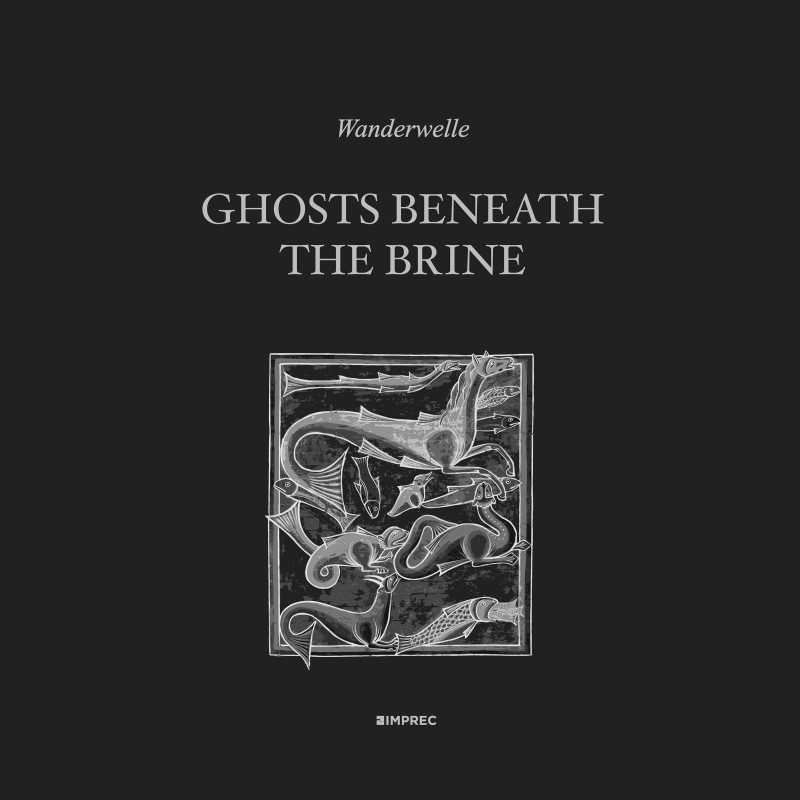
Wanderwelle: »Ghosts Beneath the Brine«
© PR
© PR

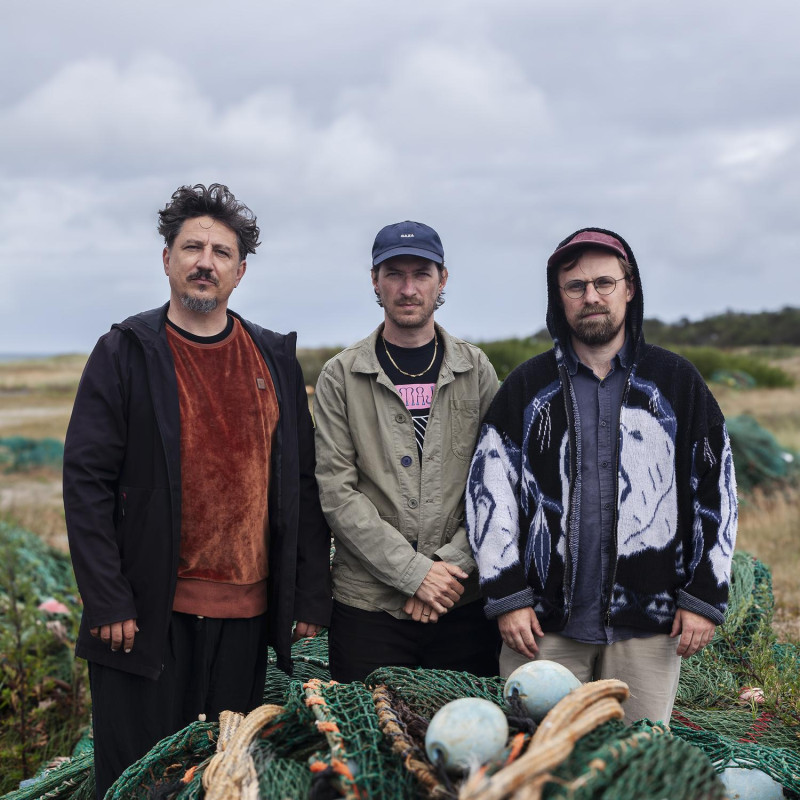
The ocean as Cape Lonesome, as a graveyard where at midnight the mythical, the real, and the endangered rise from the dead: this is the sonic world of Ghosts Beneath the Brine, the new album by Amsterdam-based experimental duo Wanderwelle.

Across eight tracks suspended between elegy and requiem, the album navigates the reality of climate change and species extinction while invoking the mythology of creatures of the deep. To sound the crisis, Wanderwelle chose not to record melting icebergs or raging wildfires. Instead, they submerged cymbals – small, bowl-shaped metal plates used since ancient rituals – in saltwater for extended periods. As the metal degraded, its sound grew darker, more fragile, more unstable, releasing ghostly overtones.

Those tones drift through the album like the critically endangered albatross – to which the sixth track is dedicated – spreading its 3.5-metre wingspan like a ghost across vast, indifferent skies. Layered with reverb and sounds evoking lamenting, whimpering animal voices, the pieces carry titles that weave myth and ecological reality: »The Seabishop's Sermon« (named after a creature allegedly caught in the Baltic Sea in 1513), »Empty Net or Dissolving Souls«. The message is clear: sharks and oysters risk becoming as mythical as sea monsters once were, if destruction continues.

And yet this is precisely where the album's beauty becomes its limitation. Ghosts Beneath the Brine sounds hauntingly gorgeous – but like the sublime spectacle of a shipwreck witnessed from a safe distance, it invites us to shudder rather than act. More ghost train than alarm bell, it offers catharsis where the moment calls for urgency.