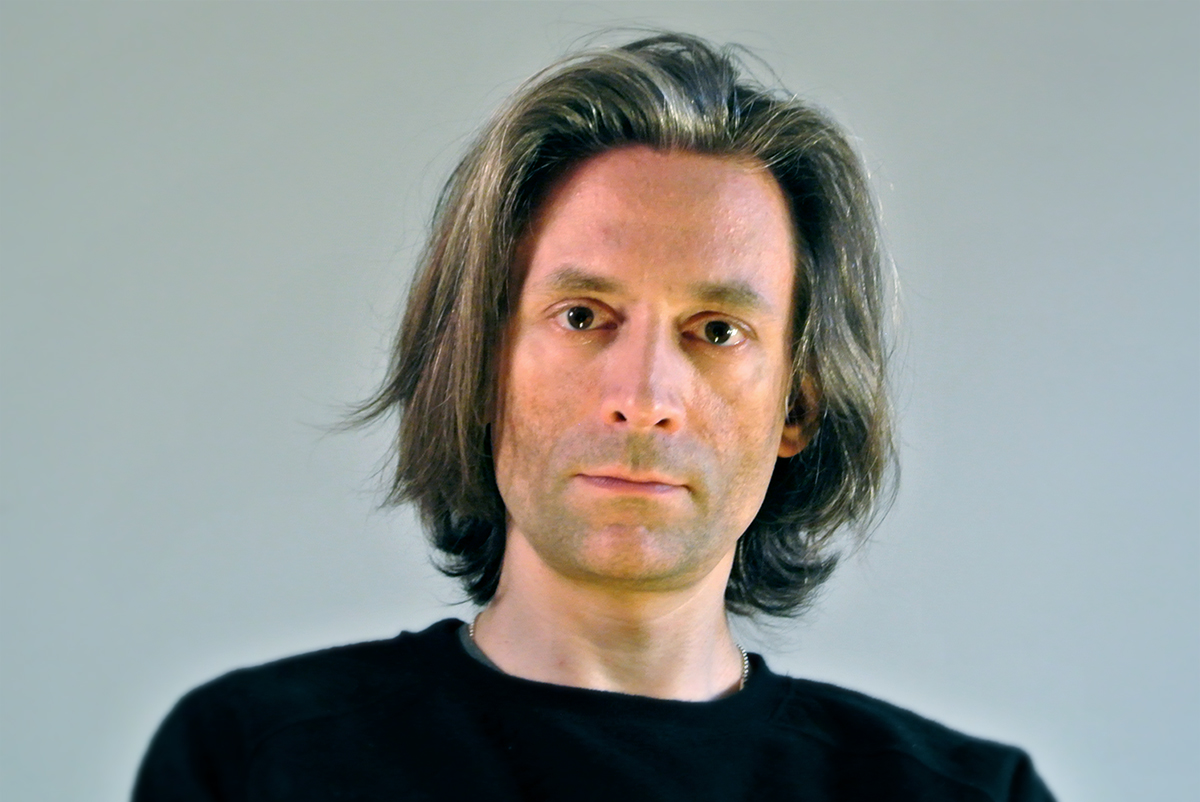
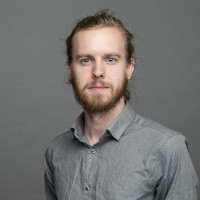
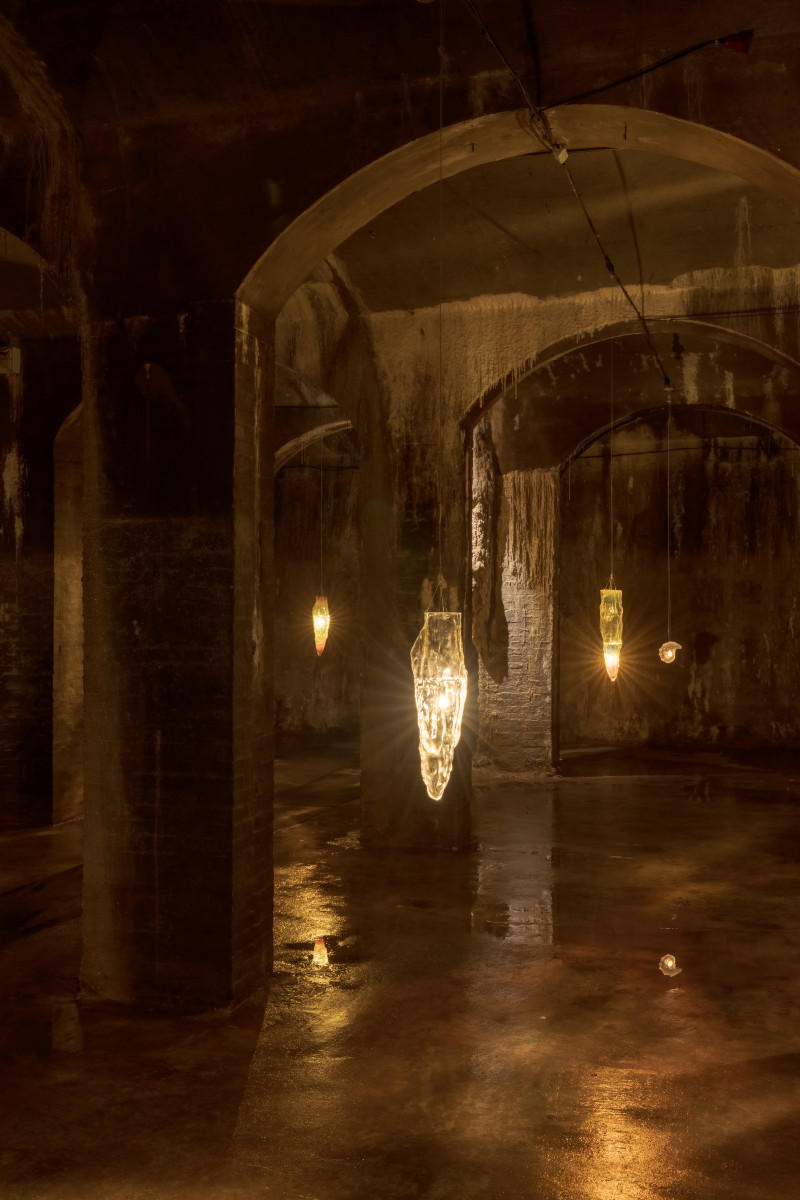
I en serie af mini-interviews spørger Seismograf/DMT forskellige aktører på musik- og lydkunstscenen til aktuelle anbefalinger af værker eller events. Se her denne anderledes og personlige værkanbefaling fra den ene af initiativtagerne til LYT TIL KBH og manden bag kunstnernavnet Krishve, Kristian Hverring.

1) Hvilket værk vil du gerne anbefale til andre?
Jeg bliver nok nødt til at vælge en drøm, jeg havde for noget tid siden. En koncert i et gammelt nedlagt biografkompleks i Bruxelles. På scenen var medlemmer af The Residents, Coil, Slayer, Velvet Underground, Guns N’ Roses og Einstürzende Neubauten. Cash, Bowie og Derbyshire gjorde også et eller andet. Arvo Pärt kom ind på scenen, men gik ud igen med det samme. Så Ligeti og Lemmy i baren. Over scenen svævede en sky af helikopterkatte. Lee Hazlewood, Scott Walker, Laurie Anderson og Ronettes sang kor. David Lynch dirigerede. Hans bidrag bestod i forundrede smil og flagrende håndbevægelser i retning af John Cage, der ved et komfur strøg en fjer mod en kogende kedel. Lars von Trier lavede lyd. Sublimt dårligt. Med vilje. Inger Christensen skammede sig bare. På alles vegne. Musikken var en kakofoni af knækket selvværd i HD. Uimodsigelig som en naturkraft, asiatisk i sin vælde, grum som et K-hole. Jeg vågnede med en underlig tilfredsstillelse i kroppen. 

2) Hvorfor er dette værk særligt?
Det er vigtigt at drømme. Og sove, hvis man kan. Det er godt for hørelsen. 

3) Hvad arbejder du selv med lige nu?
“1 + 1 = 3 [30 sekunder]” er en serie af improviserede 30 sekunders duetter med skiftende samarbejdspartnere. Det har stået på siden 2009 og viser ingen tegn på at gå væk. Kan opleves på film eller live. Er samtidig ved at tyde konturerne af to nye udgivelser. Den ene bliver en kortere ting, den anden længere, og på vinyl. Jeg glæder mig meget til at møde dem begge. Man kan se med på min hjemmeside www.krishve.com.

LYT TIL KBH er et samarbejde jeg har med arkitekten Jakob Oredsson. LYT TIL KBH bor på hjemmesiden www.lyttilkbh.dk og kan antydes med disse korte instrukser: 
 - Gå ud i byen
 - Placer dine hænder bag ørerne
 - Lyt til byens lyde

På hjemmesiden finder man en mere uddybende beskrivelse af intentionerne bag, samt binaurale optagelser fra forskellige steder i København. Vi arbejder i øjeblikket på næste trin. LYT TIL KBH er kun lige begyndt at vise sig, og vi planlægger en lang rejse.

Læs mere om Seismografs omtale af projektet.

Jeg er også involveret i et par nye projekter med Hotel Pro Forma, som jeg efterhånden har samarbejdet med i tre år. Derudover arbejder jeg på lydsiden til en udstilling på Nordatlantens Brygge til efteråret. Det lover godt for drømmene, men varsler ilde for søvnen.


© PR

»Every moment is nothing but the uttermost end of the past. Music makes this edge wide and beautiful.«

Sven Helbig is a German composer and producer known for combining orchestral and choral music with electronic elements and a strong poetic sensibility. A self-taught musician raised in Eisenhüttenstadt, he released his debut album Pocket Symphonies on Deutsche Grammophon to critical acclaim for its emotional depth and formal precision. Helbig has collaborated with ensembles such as the BBC Singers, Fauré Quartett, and Staatskapelle Dresden, as well as with artists like Rammstein and the Pet Shop Boys. He just released REQUIEM A on Deutsche Grammophon. It is a deeply personal and reflective composition, intertwining classical Latin liturgical texts with new ones written by Helbig himself. The work revolves around themes of loss, memory, and the possibility of renewal – with the »A« in the title symbolizing Anfang (beginning) and the belief in a new start after devastation.

© Kåre Viemose

»Recently, I discovered that when a couple of thousand people clap their thick gloves in minus 30 degrees, it sounds like the softest techno – a freezing space where the cold air turns into a wave of warmth, and we, in a moment of collective devotion, become one with the rhythm, one with the invisible bond that connects us in the warmth of silence. Music is not just sounds, but a vain attempt to capture the infinite, which has always been and always will be.«

Andreo Michaelo Mielczarek has been the editor-in-chief of Seismograf since 2021. He is also a music critic and cultural journalist at Kristeligt Dagblad and Århus Stiftstidende/Avisen Danmark and has over the years written to publications such as Kunsten.nu, Glissando (Poland), Neural (Italy), Raw Vision (UK), Nutida Musik (Sweden), Kunstkritikk (DK/Sweden), Iscene.dk, B.T., and Jazz Special. He is the author (together with Lars Muhl) of the book HVA' SAA! En guidet rutsjebanetur gennem Aarhus – før, nu og i fremtiden (2024) and has also contributed to the anthology on music criticism Man skal høre meget (ed. Thomas Michelsen and Claus Røllum-Larsen, 2024). He is a founder and partner in the Polish-Danish cultural organization Kultur(a), and wherever there is a piano, he will be there, eager to coax a melody from it.

© PR

»A lot is projected onto music and making music – I'm careful, singing doesn't make you more intelligent and certainly doesn't make you a better person. It's like in sexuality. A lot of things go very consciously wrong for some people. Music like sex are means of communication, people come into contact and negotiate with each other and their instruments/tools and meet themselves in it. This is also the case when I listen to music – from every conceivable genre and context, even if I always notice that as a teenager I used to play a lot of jazz guitar.«

Bastian Zimmermann lives in Munich and works freelance in the areas of music and performance. As a dramaturge, he works with artists such as the soloist ensemble Kaleidoskop, Yael Ronen and Neo Hülcker. He is editor of the German speaking magazine Positionen – Texts on Current Music and curates projects such as »Music for Hotel Bars« and the festival Music Installations Nuremberg festival. His focus is on social aspects of making music, experimental music concepts and the questioning of bourgeois structures in contemporary music. In Spring 2025 he will take over the Wolke Verlag publishing house for books on music with Patrick Becker.

© PR

»Music to me is… my work. I've landed in the best job in the world, where a core task is to discover new music, to learn its internal logic and aesthetics, who created it, and why. I'm a music researcher and have just returned from the island of Java in Indonesia with my research partner and husband Nils, where we've been visiting experimental musicians in Yogyakarta – artists we've now followed for seven years.
One recurring theme is the trance/horse dance jathilan (or jaranan), which several of the artists have introduced us to. Jathilan is on one hand an old Javanese ritual, and on the other hand a contemporary (village) culture in full development. There is no single historically 'correct' jathilan. It's a practice that follows an old spiritual ritual, but is also open to current Indonesian influences.

The playlist consists of three tracks by Senyawa, Gabber Modus Operandi, and Raja Kirik, all of whom have incorporated the ritual into their music. The fourth track was supposed to be a 'traditional' jathilan, but as far as I know, no such recording exists on Spotify. Instead, I found a related jaranan piece that includes a dangdut song – an ultra-popular genre that is often performed as part of a jathilan event. The final track is one of the most popular dangdut songs at the moment.«

Sanne Krogh Groth is Associate Professor of Musicology at Lund University, Sweden, where she conducts research on electronic music and sound art, currently with a focus on Indonesia. Sanne was editor-in-chief of Seismograf from 2011–2019. In 2015, she established Seismograf Peer, which she is still the managing editor of.