Til de der ikke kender Bergen festspillene, hvordan vil du kort karakterisere dens særpræg i forhold til andre festivaler? 
Beyer: Festspillene er stor og med 232 produktioner i 2013 større end de fleste festivaler, som har fokus på musik, teater, dans med mere. Det interessante for mig ved at arbejde med denne festival er, at den både er bred og smal, båret af stolte traditioner og samtidig vildt eksperimenterende. En undersøgelse fra 2008 viser, at 86% af Norges befolkning kender Festspillene, og en undersøgelse fra 2010 viser, at 97% af befolkningen i Bergen/Hordaland kender festivalen. Arkivet for Festspillene i Bergen er netop blevet optaget i det nyoprettede og eksklusive register «Norges Dokumentarv». 

Vi taler med andre ord om en festival, som i nordmændenes egen selvforståelse har betydet noget for Norge som nation. Hele byen er i undtagelsestilstand i 15 dage, og du er nødt til at være her, hvis du vil opleve det nye fødes og det gamle tolket af verdens bedste udøvere. Med et generøst budget og en række fantastiske støttespillere, kan vi gennemføre omfattende og komplicerede projekter, som andre ikke har administrative og økonomiske muskler til at realisere. Hvis du f.eks. samler alle vores ny musikaktiviteter i år, vil du se, at der er tale om ikke så få produktioner, faktisk en hel festival i festivalen.

Hvad ser du frem til som festivalens højdepunkter? 
Beyer: Jeg synes, at alle vores produktioner er interessante. Mens jeg skriver disse linjer (tirsdag den 21. red.), lyder en flot musik fra Festpladsen, hvor Phase7 prøver på den spektakulære event i morgen aften, hvor nye electronica beats, 300 syngende børn og unge, lurspillere og 35 lysende helikoptere svæver over byen. Før dette har vi haft premiere i Grieghallen på operaen Marco Polo af Tan Dun, som bliver en billedstorm og vokal og musikalsk eksotisme og ekvilibrisme. Det nyskabende sker ikke mindst på teaterområdet, og der har vi bl.a. verdenspremiere på Coelacanth af Alan Lucien Øyen. Det er en fem timer lang forestilling, som på alle måder er stort tænkt. Listen er lang over produktioner, jeg gerne vil nævne, måske det er bedre at invitere læserne inden for på www.fib.no – så kan de selv gå på opdagelse i vores tre indgange til programmet: Fornøjelser, forbindelser og forstyrrelser.

Hvad er årets kunstneriske sats? 
Beyer: Festspillene har tradition for at satse på unge talenter. Det er på denne festival, at Leif Ove Andsnes, Vilde Frang, Christian Ihle Hadland har fået deres kunstneriske kickstart. Vi har en nordisk solistkonkurrence for unge talenter, og vi har fokus på talentudvikling i bredeste forstand. Bergen er en ung by, en tiendedel af befolkningen er studerende på universitetet. Det er vildt spændende at tænke nye projekter med dem. Fremtidens publikum vil vi gerne nå, derfor har vi et omfattende børn- og ungeprogram. Vi har et stort, loyalt kernepublikum, som forventer klassisk musik i verdensklasse, og dette publikumssegment skal vi ikke skuffe. Festivalen er såkaldt ”knudepunktsfestival”, dvs. vi skal være motor i hele regionen og gerne i hele landet i forhold til at dele ud af vores kompetencer og netværk, vi skal arbejde mangfoldigt, med publikumsudvikling og vise Bergen som ledende kulturby. Vi arbejder i festivalen med stor virkelyst og energi for at fastholde og udbygge denne position som ledende festival i Norden på musik- og teaterområdet.

Hvordan differentierer festivalen sig fra sidste års festspil? 
Beyer: Vi har gennemført en institutionel turn-around, og er flyttet til nye lokaler. Vi har en ny strategi, nyt visuel profil og grafisk design. Vi arbejder målrettet med nye former for markedsføring, inkludering og udnyttelse af ny teknologi. Når din ambition er at rebrande en så tung og betydningsfuld institution med 61 års historie, er du nødt til at tage nogle tydelige greb i forhold til form, indhold og formidling. Du kan ikke nøjes med at flytte en lille brik i et hjørne. Du skal ville chokere.

I hvilken retning ønsker du Bergen Festspillene bevæger sig i løbet af de næste fem år?  
Beyer: Den 61-årige dame skal blive endnu mere ungdommelig, farlig og uforudsigelig.

På billede er Annar Follesø, taget af fotografen: Dag Thorenfeldt

Lars Hannibal. © Søren Solkær

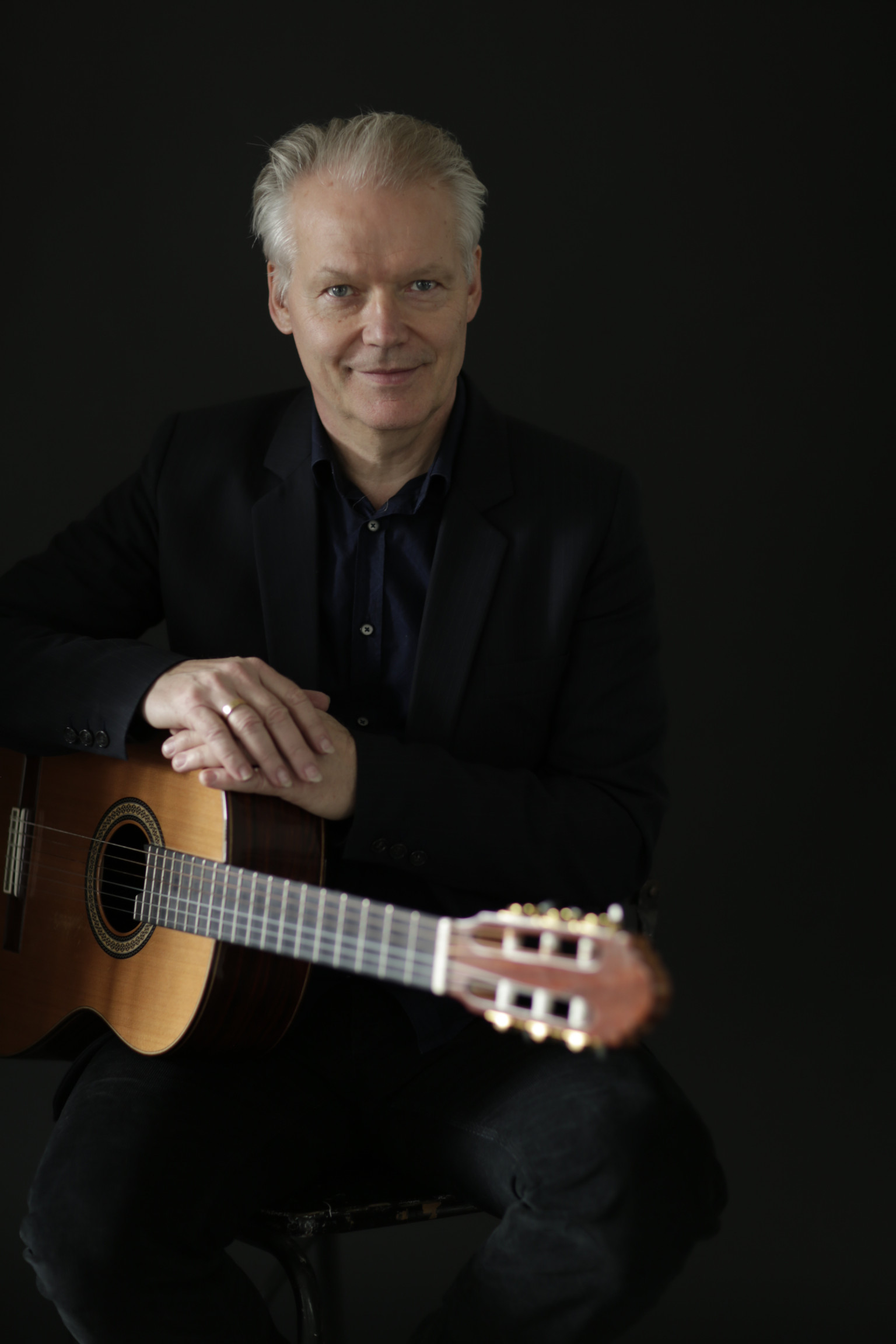
»Making a playlist is not an easy task for me. Music occupies most of my waking hours. It is a condition that began to grow when I was a teenager. If I am not playing myself, or working with the music I release or compose, music is still present, reaching out to me. I have always found it difficult to experience music in boxes or genres, so I listen very broadly and take pleasure in any music I can feel and that moves me. Music is a condition of life, and expressing oneself through music is a gift – but being able to experience music with openness is perhaps an even greater gift. I have chosen a list in which the guitar plays a part.«

Lars Hannibal began – like many others of his generation – playing folk and rock guitar at the age of fifteen. But when he heard the Spanish guitar master Andrés Segovia perform the gavotte from Bach’s Partita in E major, his musical life took a new direction, and he decided to devote himself to the classical guitar.

Since the early 1970s, Lars Hannibal has also composed songs and instrumental works. Today he performs primarily as a member of the Petri/Hannibal Duo and works alongside this as managing director of the record label OUR Recordings, which he founded together with Michala Petri in 2006, as well as a consultant for Edition Borup-Jørgensen.

in briefrelease
15.12

Uncompromising Vignettes of Silence and Sighs

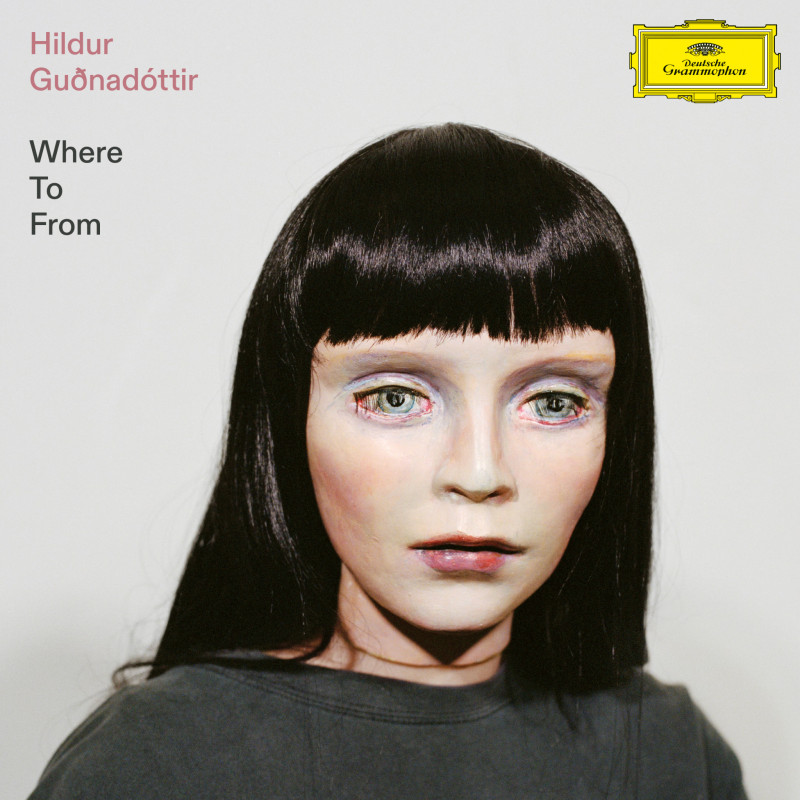
Hildur Guðnadóttir: »Where to From«
© PR
© PR

It seemed to come like a bolt from the blue when the Icelandic cellist and composer Hildur Guðnadóttir broke the sound barrier with an uncompromising, inward-looking sound situated between contemporary classical and experimental music – most widely recognised through her suffocating soundtracks for Chernobyl and Joker.

Yet on her Deutsche Grammophon debut Where to From, it is the personal spaces we are invited into. The instrumentation is pared right back to a chamber ensemble, voices, and extended passages of near-absolute silence. The result is often achingly beautiful – and deeply affecting.

The work unfolds in small vignettes, rarely lasting more than a couple of minutes, before vocals are introduced in the album’s second half – most notably in »Make Space« and the exquisite a cappella hymn »I Hold Close«. The equally beautiful »Melody of Not Knowing« explores the cello’s darkest registers, striking blue midnight tones in the echo of the heart, especially as it glides into »All Along«, where voice and strings merge.

Where to From is a powerfully mood-saturated work that moves effortlessly between chamber music and neoclassicism, finding its uncompromising character in the quietest, most intimate sighs between human and instrument. It is neither too little nor too much – always precisely measured. And for that very reason, Guðnadóttir remains such a compelling musical presence.

English translation: Andreo Michaelo Mielczarek

in briefrelease
09.12

Minimalism for Patient Ears

Lukas Lauermann: »Varve«
© Julia Haimburger
© Julia Haimburger

Varve – from the Danish varv – refers to the annual layers of sediment, a quiet geological archive of time’s passage. Lukas Lauermann’s album carries this meaning into its very sonic core. Here, organ and vocal samples taken from worn cassette tapes meet an inquisitive, almost ascetic cello that moves like fine strokes across a flickering, dust-filled soundscape.

The cello is restrained but never passive. It slips in and out of the cassette’s white noise, of fragmented voices and the organ’s gentle currents of air, until all elements ultimately merge into a single, organic texture. Lauermann himself describes the music as a depiction of irregularities, and it is precisely in these small shifts that Varve finds its quiet strength. The album’s idea of sonic sedimentation becomes an image of our longing to reconnect with nature’s tempo. The compositional motifs seem repetitive, yet they never repeat themselves entirely; they build layer upon layer, like organic growth. As a listener, one becomes witness to microscopic changes slowly unfolding – a process that can bring about an almost meditative state.

Varve is an album for those who prefer listening experiences at an unhurried pace; for those who find Hans Zimmer too grandiose and would rather follow the patient growth of grass than an orchestra’s emotional climaxes.

Gintė Preisaitė

»Music for me is the purest transformation of any energy hiding inside. Through the sound it can become anything we need. It is a form of a bond and connection, it's subtle and it is direct at the same time. For me it was always the biggest exploration machine I could learn about myself, people and environments.«

Gintė Preisaitė is a Lithuanian artist based in Copenhagen who works across piano, electronics, composition and improvisation. Classically trained, she has moved steadily toward electronics, noise, free improvisation and jazz, performing in numerous constellations in recent years.

Working with prepared acoustic instruments, electronics and tape, she bridges her classical background with contemporary sonic experimentation. Through shifting timbres, textures, collaged melodies and percussive figures, she seeks to push acoustic and electronic sound into a space that feels both personal and deeply connected.

Last year she released the EP Spring Mass under the name Baraboro, followed this September by Kaiko, her trio release with Amalie Dahl and Jan Philipp Treen. She is currently developing a new project under her own name for release next year. Gintė performs widely as both a solo artist and a member of various ensembles in Copenhagen and abroad.

in brieflive
05.12

Anna von Hausswolff: The Path to the Organ’s Modern Resurrection

Klara Lewis, Anna von Hausswolff
© PR
© PR

The organ, one of Christianity’s most powerful liturgical markers, runs like a red thread through Swedish artist Anna von Hausswolff’s work. But on her latest album Iconoclasts, the long, piercing drones are toned down in favour of a sharper, driving energy. It was an energy that came through strongly at Hausswolff’s concert in Vega last night, where she was, as usual, joined by a large band. The evening opened with Swedish noise musician Klara Lewis, whose mumbling cassette-loop textures set a brutally atmospheric tone from the start.

Hausswolff’s band was this time expanded with saxophone and percussion, both central on Iconoclasts and both contributing to the slight eurodance tinge that colours several tracks. Unfortunately, the saxophone was at times swallowed by the dense soundscape. Fortunately, Hausswolff’s radiant voice cut through clearly. So did the small organetto – a kind of bellows-driven organ with long pipes. It stood like a totem at the centre of the stage and was almost embraced by Hausswolff whenever she played it. A piece like »The Whole Woman« (a waltzing duet with Iggy Pop on the album) became, in concert, a touching love ode, carried by the organ’s gentle breath as its pulse.

In recent years, a number of musicians have used the organ’s distinctive resonances to wrest it free from the weight of Christian liturgy, giving the instrument an almost iconoclastic status. Despite a slightly muddy sound mix, Hausswolff’s concert was a clear example of this contrast – still deeply rooted in ecclesiastical connotations, yet now an accomplice in large-scale modern productions and a central instrument on major stages.

English translation: Andreo Michaelo Mielczarek