






Til de der ikke kender Bergen festspillene, hvordan vil du kort karakterisere dens særpræg i forhold til andre festivaler?
Beyer: Festspillene er stor og med 232 produktioner i 2013 større end de fleste festivaler, som har fokus på musik, teater, dans med mere. Det interessante for mig ved at arbejde med denne festival er, at den både er bred og smal, båret af stolte traditioner og samtidig vildt eksperimenterende. En undersøgelse fra 2008 viser, at 86% af Norges befolkning kender Festspillene, og en undersøgelse fra 2010 viser, at 97% af befolkningen i Bergen/Hordaland kender festivalen. Arkivet for Festspillene i Bergen er netop blevet optaget i det nyoprettede og eksklusive register «Norges Dokumentarv».
Vi taler med andre ord om en festival, som i nordmændenes egen selvforståelse har betydet noget for Norge som nation. Hele byen er i undtagelsestilstand i 15 dage, og du er nødt til at være her, hvis du vil opleve det nye fødes og det gamle tolket af verdens bedste udøvere. Med et generøst budget og en række fantastiske støttespillere, kan vi gennemføre omfattende og komplicerede projekter, som andre ikke har administrative og økonomiske muskler til at realisere. Hvis du f.eks. samler alle vores ny musikaktiviteter i år, vil du se, at der er tale om ikke så få produktioner, faktisk en hel festival i festivalen.
Hvad ser du frem til som festivalens højdepunkter?
Beyer: Jeg synes, at alle vores produktioner er interessante. Mens jeg skriver disse linjer (tirsdag den 21. red.), lyder en flot musik fra Festpladsen, hvor Phase7 prøver på den spektakulære event i morgen aften, hvor nye electronica beats, 300 syngende børn og unge, lurspillere og 35 lysende helikoptere svæver over byen. Før dette har vi haft premiere i Grieghallen på operaen Marco Polo af Tan Dun, som bliver en billedstorm og vokal og musikalsk eksotisme og ekvilibrisme. Det nyskabende sker ikke mindst på teaterområdet, og der har vi bl.a. verdenspremiere på Coelacanth af Alan Lucien Øyen. Det er en fem timer lang forestilling, som på alle måder er stort tænkt. Listen er lang over produktioner, jeg gerne vil nævne, måske det er bedre at invitere læserne inden for på www.fib.no – så kan de selv gå på opdagelse i vores tre indgange til programmet: Fornøjelser, forbindelser og forstyrrelser.
Hvad er årets kunstneriske sats?
Beyer: Festspillene har tradition for at satse på unge talenter. Det er på denne festival, at Leif Ove Andsnes, Vilde Frang, Christian Ihle Hadland har fået deres kunstneriske kickstart. Vi har en nordisk solistkonkurrence for unge talenter, og vi har fokus på talentudvikling i bredeste forstand. Bergen er en ung by, en tiendedel af befolkningen er studerende på universitetet. Det er vildt spændende at tænke nye projekter med dem. Fremtidens publikum vil vi gerne nå, derfor har vi et omfattende børn- og ungeprogram. Vi har et stort, loyalt kernepublikum, som forventer klassisk musik i verdensklasse, og dette publikumssegment skal vi ikke skuffe. Festivalen er såkaldt ”knudepunktsfestival”, dvs. vi skal være motor i hele regionen og gerne i hele landet i forhold til at dele ud af vores kompetencer og netværk, vi skal arbejde mangfoldigt, med publikumsudvikling og vise Bergen som ledende kulturby. Vi arbejder i festivalen med stor virkelyst og energi for at fastholde og udbygge denne position som ledende festival i Norden på musik- og teaterområdet.
Hvordan differentierer festivalen sig fra sidste års festspil?
Beyer: Vi har gennemført en institutionel turn-around, og er flyttet til nye lokaler. Vi har en ny strategi, nyt visuel profil og grafisk design. Vi arbejder målrettet med nye former for markedsføring, inkludering og udnyttelse af ny teknologi. Når din ambition er at rebrande en så tung og betydningsfuld institution med 61 års historie, er du nødt til at tage nogle tydelige greb i forhold til form, indhold og formidling. Du kan ikke nøjes med at flytte en lille brik i et hjørne. Du skal ville chokere.
I hvilken retning ønsker du Bergen Festspillene bevæger sig i løbet af de næste fem år?
Beyer: Den 61-årige dame skal blive endnu mere ungdommelig, farlig og uforudsigelig.
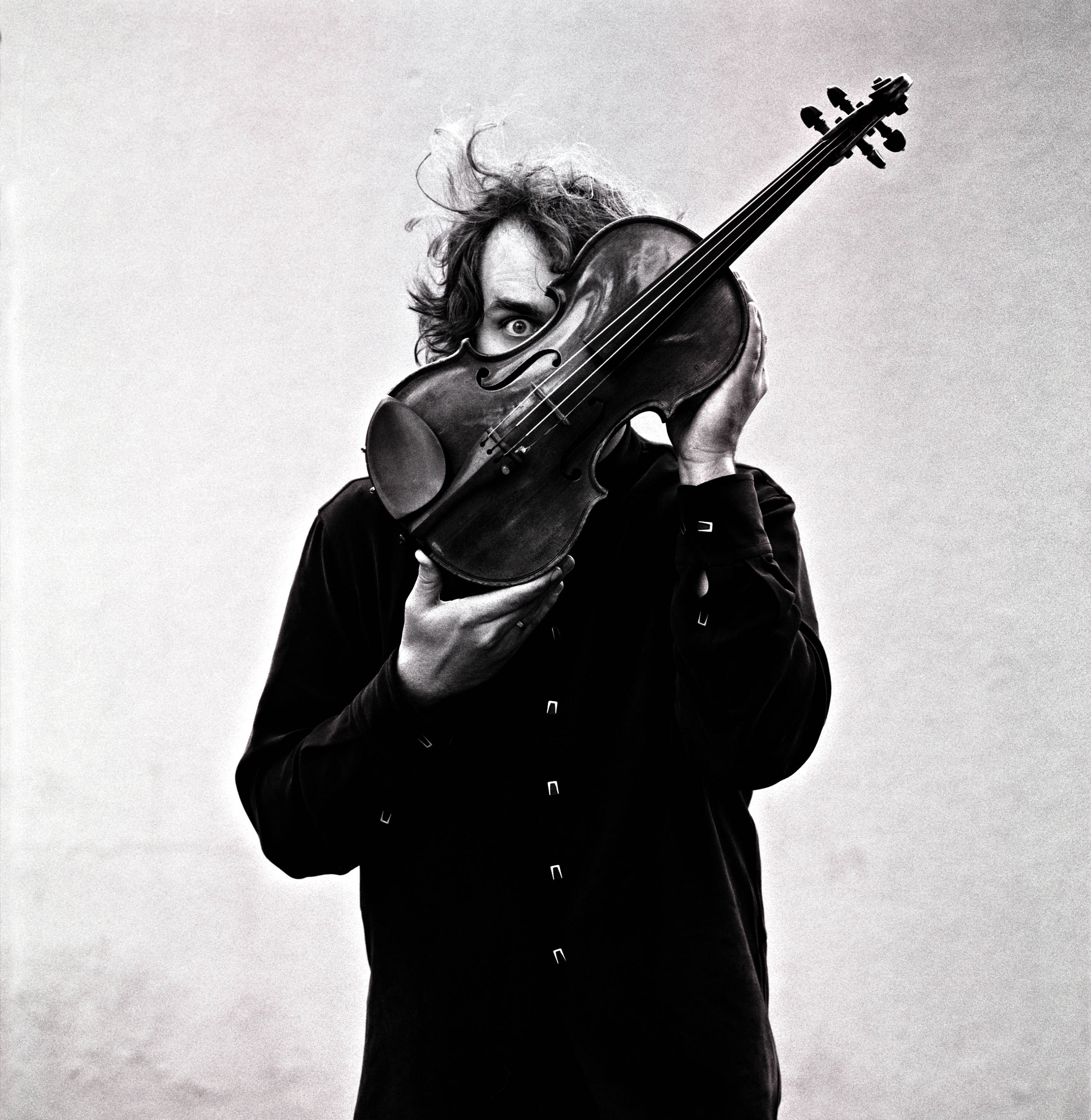
På billede er Annar Follesø, taget af fotografen: Dag Thorenfeldt
Kristine Tjøgersen Crafts Unreasonably Beautiful Eco-Poetry
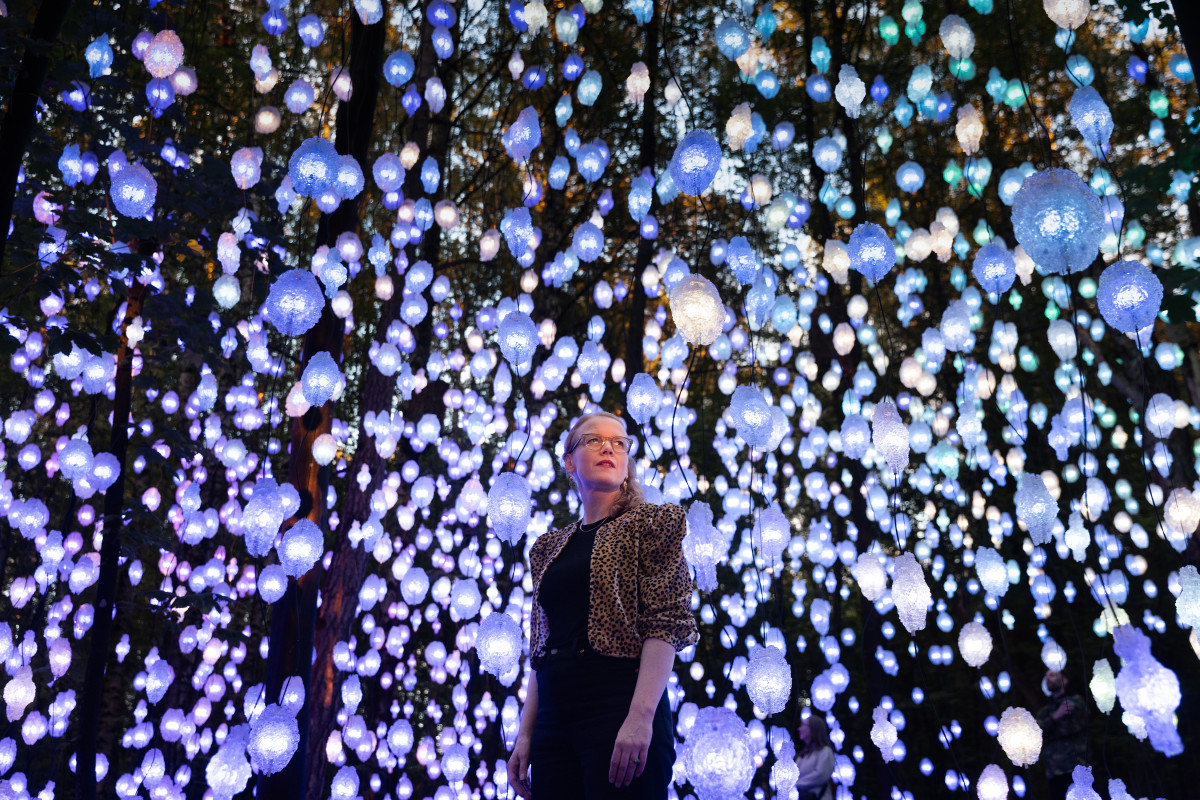
The wildlife of nature is both beautiful and playful – especially in Kristine Tjøgersen’s music. At the center of her new album Night Lives is the wild, unpredictable life of the night beyond the human domain. The album was created as part of the Ernst von Siemens Prize, which Tjøgersen recently received as the first Norwegian composer ever to do so.
The album is a seven-movement sonic version extracted from a staged work premiered at the Ultima Festival in 2023, and it works perfectly well as a standalone, semi-acoustic version performed by the Cikada Ensemble. The music ranges from playful, experimental, rhythmical soundscapes—full of rattling and crackling instruments – to intense, pulsating passages. Tjøgersen possesses a uniquely sensitive understanding of instrumental timbre, allowing her to morph seamlessly between acoustic and electronic worlds, cultural environments, and eras. From a simple, extended flute solo to a dancing computer universe – without blinking an eye.
Forty to fifty years ago, it was called postmodernism when old music appeared in new compositions as reused material. Back then, it made sense because many people had a mental library of historical classical music, a reflective space in which all new music was interpreted. Today, audiences’ minds are different. For example, Kristine Tjøgersen can easily use a completely straightforward Baroque movement as the album’s conclusion – serving as a starting point for music that gradually thins out and dissolves into a stunningly beautiful utopian world of acoustic strings and synthesizer. Without making you feel she is negotiating your sense of past and present. Natural sounds, imitations of nature, harmonies, and entire sequences are simply building blocks in her personal experimental lab. And what a lab it is!
English translation: Andreo Michaelo Mielczarek
When the Experiment Becomes Tragically Beautiful
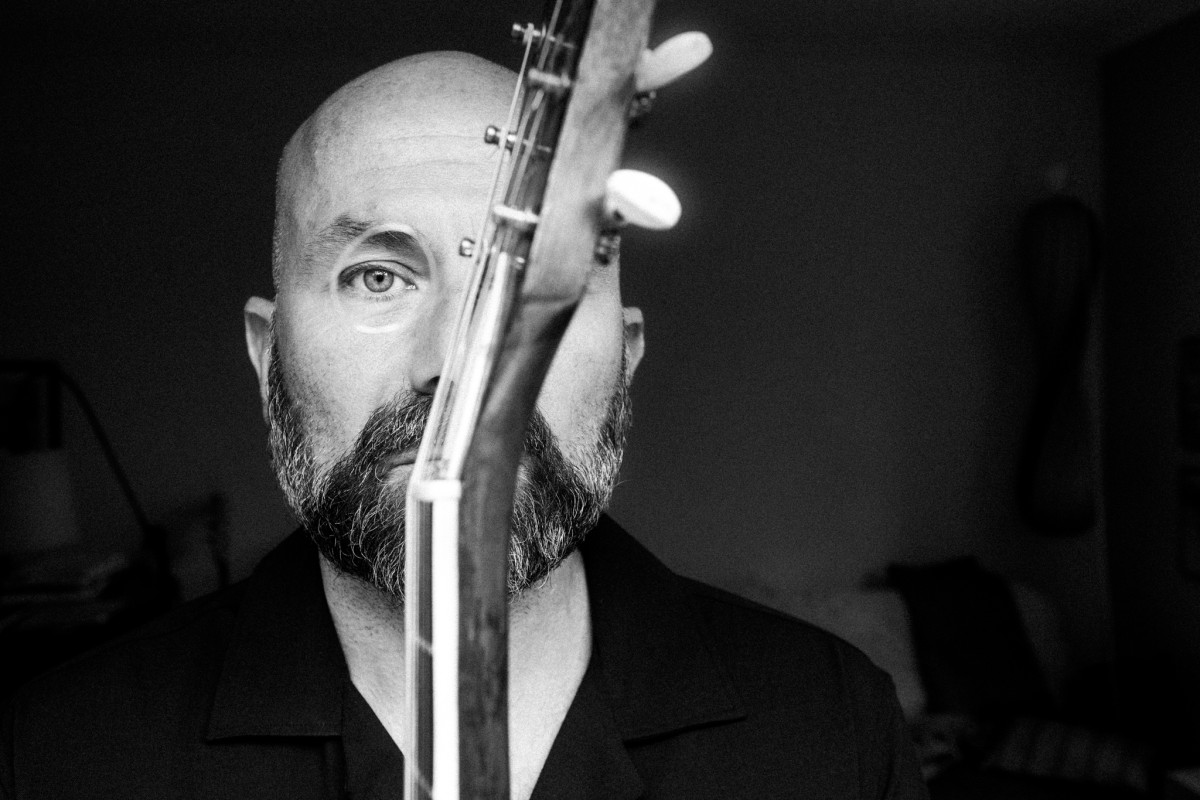
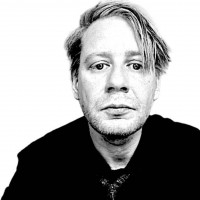
Normally, I avoid quoting press releases directly, but this description of the intimate and multifaceted Confluencia is hard not to echo. On this album, the Danish guitarist and experimentalist has assembled a small ensemble of musicians from the borderlands between neoclassicism and jazz. The real stars of the record are pianist Simon Toldam and – especially – Susana Santos Silva, whose trumpet bleats, breathes, and scrapes against the ear. She toots in ways rarely heard in postmodern experimentalism.
Confluencia seeks to reflect modern communication – a kind of communication that ought to transcend boundaries of race, gender, and other dividing forces – through instrumental music. A form that seems to be fading day by day in a haze of misinformation, miscommunication, and mistrust. Toldam’s piano leans toward eerie dissonance, while Solborg’s guitar adds a tender, almost vulnerable tone – especially on »Southern Swag«. The music is at its strongest when the instruments converge in conversation and unison moments, such as in the strange funeral ballad »Planes«, which teeters on the edge of collapse with ghostly piano figures and diabolical chimes.
Confluencia moves between jazz, folk, ambient, and avant-garde – with a chamber-like intimacy that insists on intensity, melancholy, and reflection. What makes the album truly powerful is precisely what many experimental releases lack: space for contemplation and dialogue with the listener. Tungemål dares to be experimental without overpowering itself – and paints with a broad emotional brush, where tragedy is always lurking on the horizon.
English translation: Andreo Michaelo Mielczarek
The Ever-Changing Waters Of the Mind
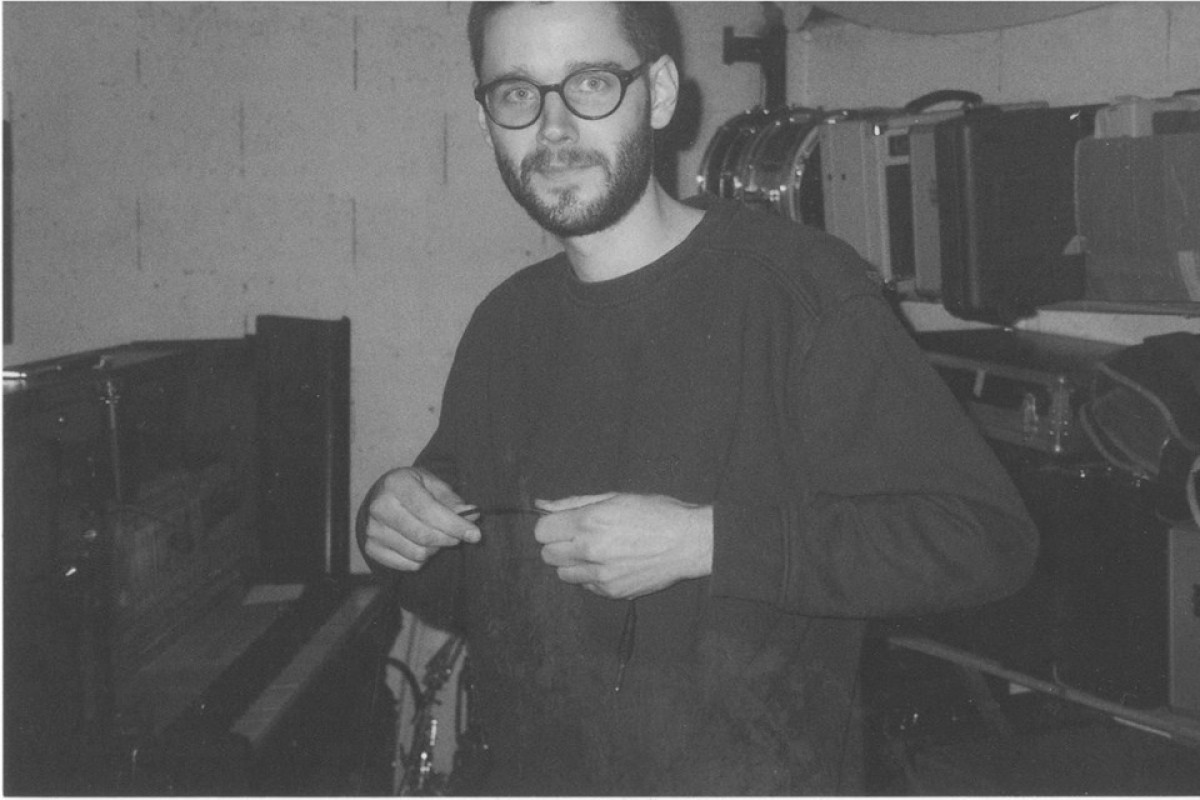
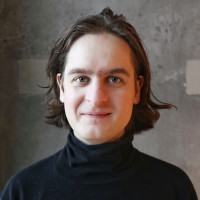
The sea is a powerful metaphor for the nature of identity – from stormy defiance to tranquil stillness, our individual traits drift in an eternally shifting ocean. On Original Spirit, French musician Les Halles drops anchor in the mutable waters of the mind, using pan flutes and dusty echoes as his compass.
The eight tracks are deeply rooted in the enveloping world of ambient music, and from the opening piece, »Angels of Venice«, the sound washes over the listener like gentle waves. Soft, bending synth textures accompany recurring flute runs, while echoes of the past flicker by like faded Kodak moments – faint glimmers of memory in a foggy inner landscape.
The word ambient can be traced to the Latin ambire, meaning »to go around«, and the genre is thus defined by music that »surrounds« the listener. Les Halles, also known by his real name Baptiste Martin, fully embraces this quality. The music is gentle, devoid of dominant melodies or rhythms – like a safe little bubble one can freely float in.
Like much ambient music, Original Spirit is free of lyrical frames of interpretation. However, the accompanying press text frames the album as a letter, written by Baptiste Martin during a disoriented period, including a stay in psychiatric care. As listeners, we’re invited to drift in a turbulent yet mirror-still sea of lost identities and lose ourselves in the warm current of consciousness the music creates. It certainly doesn’t break any ambient conventions – but it’s a pleasure to be swept away nonetheless.
Postcard From the Borderlands of Sound
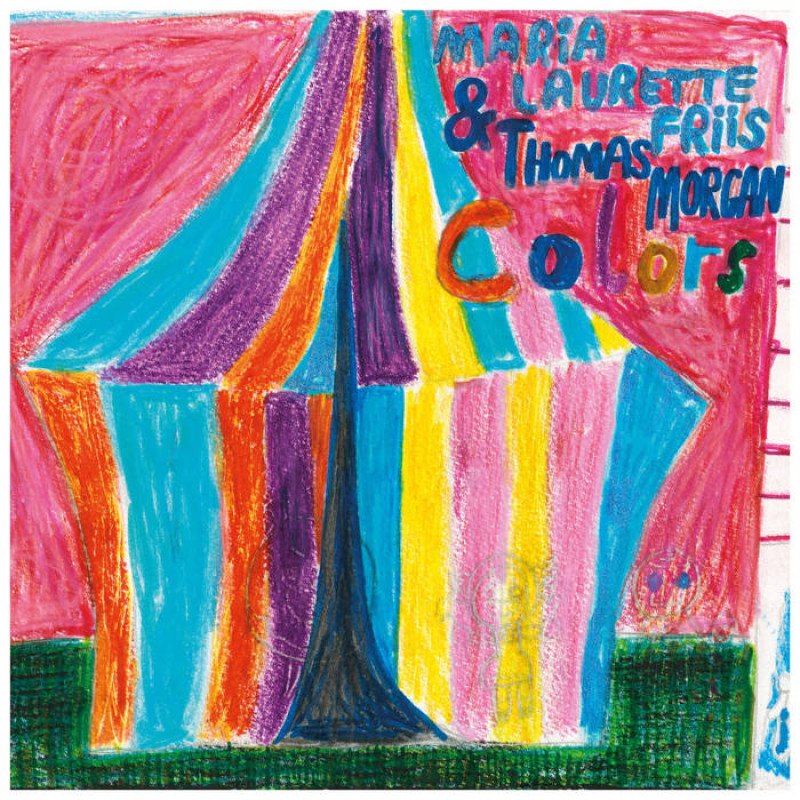
In the world of experimental music, it now takes quite a lot to be truly surprised – it’s a space where both treasures and old debts are often revisited. That’s why listening to Colors, the improvised duo album by Maria Laurette Friis and Thomas Morgan, feels like a fresh revelation. Pairing an experimental vocalist and composer (Friis) with an experienced double bassist (Morgan) and letting them improvise for three hours may not sound groundbreaking at first. Yet somehow, a rare and unique symbiosis arises between voice and double bass – a connection so special that one rarely hears anything quite like it.
Friis is a dazzling singer, and her wordless expressions draw on everything from Mongolian throat singing and jazz to Nordic darkness. She shifts effortlessly between pure singing and guttural sounds within a single improvisation. Morgan’s double bass provides an intriguing contrast, exploring the instrument’s outer edges without ever becoming unpleasant.
The three-hour recording session has been distilled into nine tracks spanning a total of 45 minutes, and the concept of using only voice and double bass is maintained throughout – despite both musicians’ backgrounds in vastly different musical expressions. The unique language that emerges is often both unsettling and deeply beautiful. When they give each other space – as in the seven-minute »Eight« – and when the bass plays alone, it’s impossible not to sway along, even without a proper beat. Colors proves that great art can still arise from nothing – in both the strange and the more familiar dialogues. That is exactly what Friis and Morgan achieve on this captivating postcard from another world.
English translation: Andreo Michaelo Mielczarek
Absurd Beauty in the Theatre of Noise
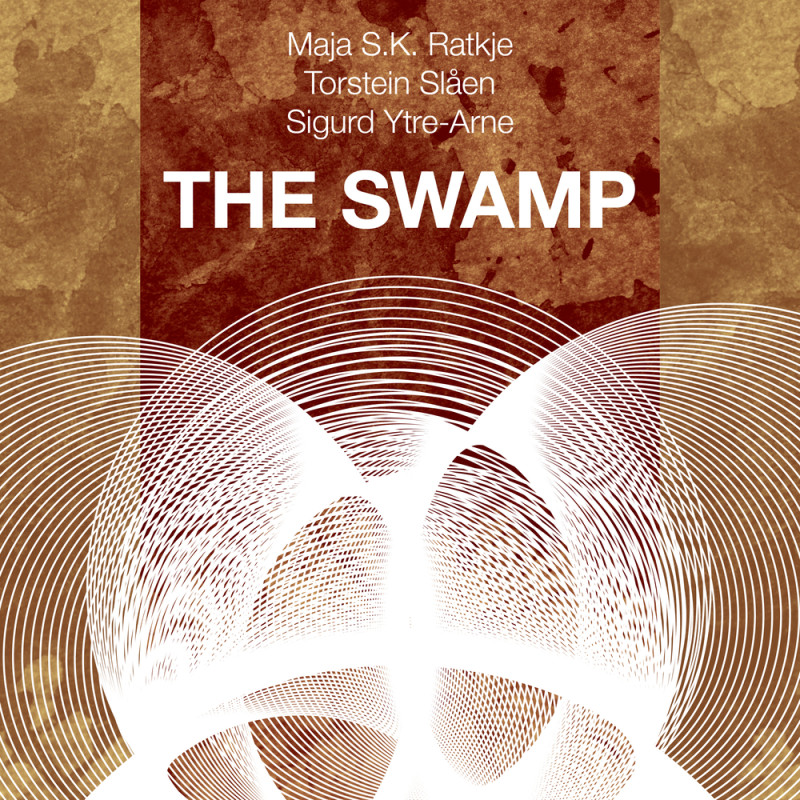
The term Dadaism must be used with caution – it easily risks becoming a cliché and trampling disrespectfully on its origins. Nevertheless, it’s hard to avoid Dada when listening to The Swamp, created by Norwegian experimental composers Maja Ratkje, Torstein Slåen, and Sigurd Ytre-Arne. The album is a 40-minute chaotic mirror of our times, shaped by merciless improvisation, noise drones, and Ratkje’s absurd vocalizations.
The music is raw, rancid, and deliberately un-beautiful – a constant stream of manipulated field recordings, reminiscent of a horror film foley studio. Bells, metallic clanks, white noise, and industrial sounds are warped together, driven by a syncopated, menacing rhythm and an underlying fuzz drone. Most fascinating is Ratkje’s voice, which appears as a riddle: is she singing in Celtic, Norwegian, or pure gibberish? The latter seems most likely and evokes the Dada poetry of Kurt Schwitters, particularly his 1932 Ursonate. At the same time, her vocal techniques dig deep into Nordic soil – conjuring the spirit of völva chants and Viking songs.
The combination of controlled noise and purposeful chaos elevates much of the album, with the opening track and the completely unhinged »Discomanic« standing out. The former is as close as the trio gets to something conventional; the latter borders on pure sound art. Only the two slower pieces – the seven-minute-long »Oligarchification« and »Lullaby for Trembling Hearts« – tend to drag a bit. Otherwise, the group manages to keep the material focused, sharp, and intensely trippy. It’s impressive how effectively it all works, even as the expression remains so relentless and challenging.
English translation: Andreo Michaelo Mielczarek