Til de der ikke kender Bergen festspillene, hvordan vil du kort karakterisere dens særpræg i forhold til andre festivaler? 
Beyer: Festspillene er stor og med 232 produktioner i 2013 større end de fleste festivaler, som har fokus på musik, teater, dans med mere. Det interessante for mig ved at arbejde med denne festival er, at den både er bred og smal, båret af stolte traditioner og samtidig vildt eksperimenterende. En undersøgelse fra 2008 viser, at 86% af Norges befolkning kender Festspillene, og en undersøgelse fra 2010 viser, at 97% af befolkningen i Bergen/Hordaland kender festivalen. Arkivet for Festspillene i Bergen er netop blevet optaget i det nyoprettede og eksklusive register «Norges Dokumentarv». 

Vi taler med andre ord om en festival, som i nordmændenes egen selvforståelse har betydet noget for Norge som nation. Hele byen er i undtagelsestilstand i 15 dage, og du er nødt til at være her, hvis du vil opleve det nye fødes og det gamle tolket af verdens bedste udøvere. Med et generøst budget og en række fantastiske støttespillere, kan vi gennemføre omfattende og komplicerede projekter, som andre ikke har administrative og økonomiske muskler til at realisere. Hvis du f.eks. samler alle vores ny musikaktiviteter i år, vil du se, at der er tale om ikke så få produktioner, faktisk en hel festival i festivalen.

Hvad ser du frem til som festivalens højdepunkter? 
Beyer: Jeg synes, at alle vores produktioner er interessante. Mens jeg skriver disse linjer (tirsdag den 21. red.), lyder en flot musik fra Festpladsen, hvor Phase7 prøver på den spektakulære event i morgen aften, hvor nye electronica beats, 300 syngende børn og unge, lurspillere og 35 lysende helikoptere svæver over byen. Før dette har vi haft premiere i Grieghallen på operaen Marco Polo af Tan Dun, som bliver en billedstorm og vokal og musikalsk eksotisme og ekvilibrisme. Det nyskabende sker ikke mindst på teaterområdet, og der har vi bl.a. verdenspremiere på Coelacanth af Alan Lucien Øyen. Det er en fem timer lang forestilling, som på alle måder er stort tænkt. Listen er lang over produktioner, jeg gerne vil nævne, måske det er bedre at invitere læserne inden for på www.fib.no – så kan de selv gå på opdagelse i vores tre indgange til programmet: Fornøjelser, forbindelser og forstyrrelser.

Hvad er årets kunstneriske sats? 
Beyer: Festspillene har tradition for at satse på unge talenter. Det er på denne festival, at Leif Ove Andsnes, Vilde Frang, Christian Ihle Hadland har fået deres kunstneriske kickstart. Vi har en nordisk solistkonkurrence for unge talenter, og vi har fokus på talentudvikling i bredeste forstand. Bergen er en ung by, en tiendedel af befolkningen er studerende på universitetet. Det er vildt spændende at tænke nye projekter med dem. Fremtidens publikum vil vi gerne nå, derfor har vi et omfattende børn- og ungeprogram. Vi har et stort, loyalt kernepublikum, som forventer klassisk musik i verdensklasse, og dette publikumssegment skal vi ikke skuffe. Festivalen er såkaldt ”knudepunktsfestival”, dvs. vi skal være motor i hele regionen og gerne i hele landet i forhold til at dele ud af vores kompetencer og netværk, vi skal arbejde mangfoldigt, med publikumsudvikling og vise Bergen som ledende kulturby. Vi arbejder i festivalen med stor virkelyst og energi for at fastholde og udbygge denne position som ledende festival i Norden på musik- og teaterområdet.

Hvordan differentierer festivalen sig fra sidste års festspil? 
Beyer: Vi har gennemført en institutionel turn-around, og er flyttet til nye lokaler. Vi har en ny strategi, nyt visuel profil og grafisk design. Vi arbejder målrettet med nye former for markedsføring, inkludering og udnyttelse af ny teknologi. Når din ambition er at rebrande en så tung og betydningsfuld institution med 61 års historie, er du nødt til at tage nogle tydelige greb i forhold til form, indhold og formidling. Du kan ikke nøjes med at flytte en lille brik i et hjørne. Du skal ville chokere.

I hvilken retning ønsker du Bergen Festspillene bevæger sig i løbet af de næste fem år?  
Beyer: Den 61-årige dame skal blive endnu mere ungdommelig, farlig og uforudsigelig.

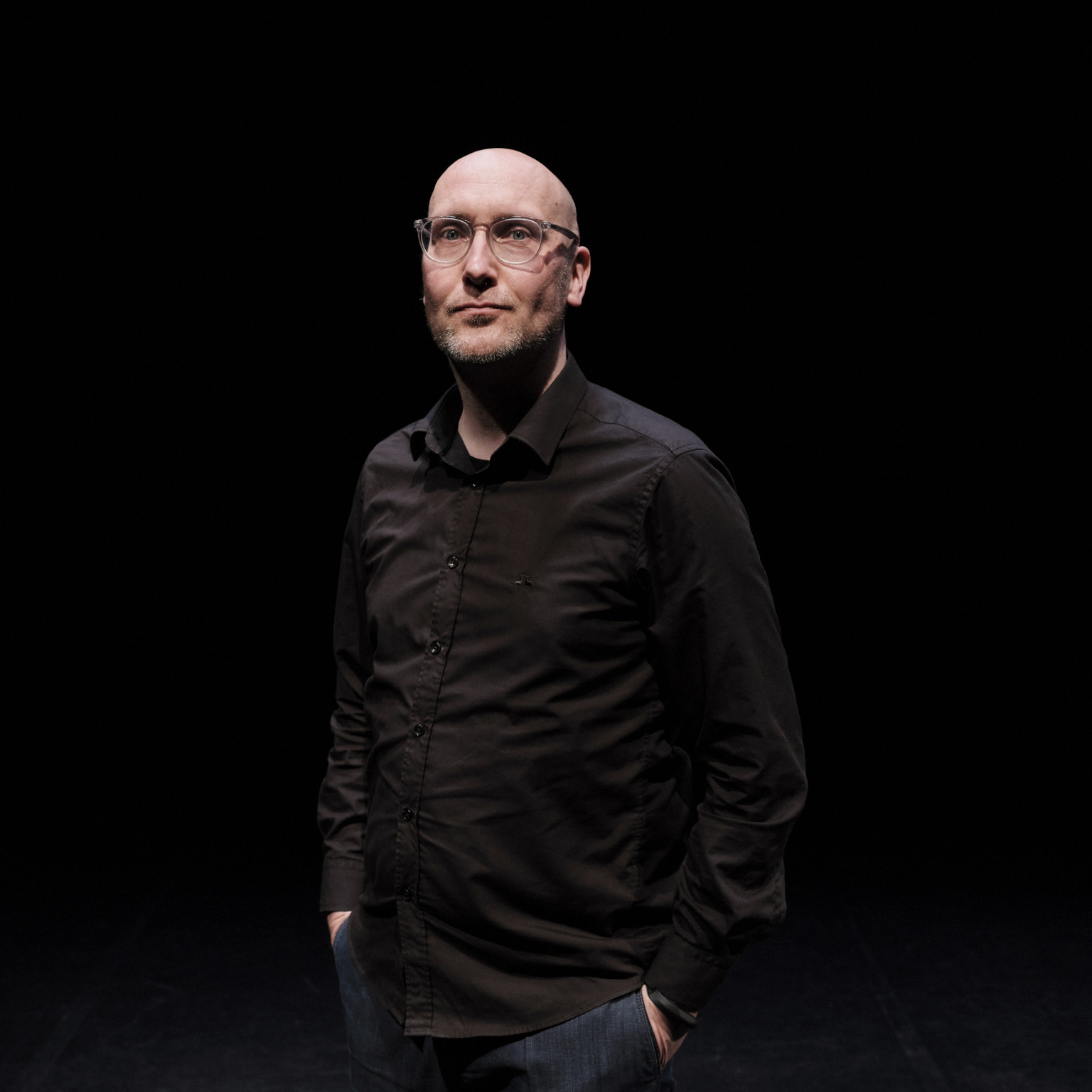
På billede er Annar Follesø, taget af fotografen: Dag Thorenfeldt

© Pavlos Fysakis

»Music involves a mix of noise, of existing or fabricated instruments, of alternative worlds that the sounds and voices assemble. Some are gentle, some less so. We shift gears with music, it shifts intensity, we shift with it. I listen when I can.«

Jussi Parikka is a Finnish cultural historian and writer who works at Aarhus University as professor of Digital Aesthetics and Culture. After some 15 years in the UK, he continues in Denmark his work on how ecology, digital culture, art and design, and philosophy intersect. He has written on visual culture and history and archaeology of media, including the recent books Operational Images (2023) and Living Surfaces: Images, Plants, and Environments of Media (2024) which is co-authored with the Madrid-based artist Abelardo Gil-Fournier. Besides his writing and work as educator, he has been active as a curator including the recent show Climate Engines at Laboral, in Gijon (Spain) that was co-curated with Daphne Dragona as well as his involvement in the curatorial team of Helsinki Biennial 2023.

in briefrelease
23.04.2024

What a Dial Tone Tells Us About Life

Beachers: »Off the Hook«
© PR
© PR

Crazy about phones? Then listen up. For British artist Beachers spent a day in his London office, and with his smartphone, recorded the sound of a landline waiting for you to dial a number after lifting the receiver. An innocent, yet somewhat insistent sound: Use me, beep-beep-beep-boop, now!

He cut up the recording, panned it around, shifted the pitch here and there, and dabbed it with delays. Turned it into musical material, in other words. And from the effort, Off the Hook grows small tones and harmonies like those from a self-built organ. But the office noises follow along, making the little album feel oddly haunted.

There are white creaks, maybe from a chair. Treble screams like distant, escaped parakeets. Short keystrokes, mysterious silences. After the harmonic organ opening, Beachers lets a deep bass rumble beneath chopped-up beeps. Layers are added, or sudden shifts occur. It’s not meant to be perfectly polished; you’re meant to feel that a human is playing with the digital.

Patiently, small pulses build, maybe even a beat. Listen to the hidden parties and drives of everyday life, the music seems to say—but also: see what we can do to pass the waiting time while forgetting what we’re actually waiting for—someone to pick up, the boss to let us off, death catching up to us.

In the end, only the raw recording is heard. A minute of beeps, boops, and random noise. As if each motif bows to its audience. What a strange release, nostalgically so in its way. And how creative.

in brieflive
09.04.2024

Ballet’s New Power Duo

Josefine Opsahl: »Passengers of Passing Moments« (Koreorama nr. 01)
© Henrik Stenberg
© Henrik Stenberg

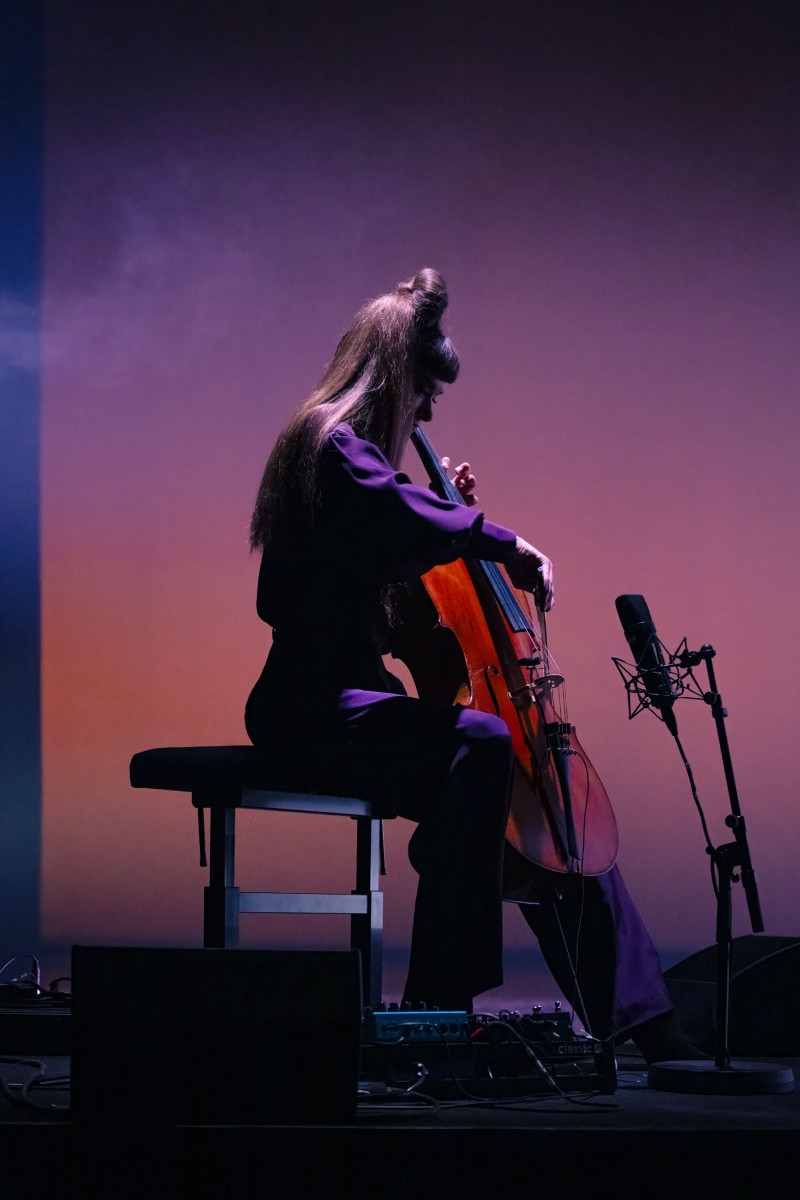
Josefine Opsahl herself sits on stage in the Australian-Danish choreographer Tara Schaufuss’s ballet Passengers of Passing Moments, for which Opsahl has composed the music. In fact, she almost steals all the attention from the ten dancers, as it is fascinating to watch the 32-year-old cellist’s theatrical immersion and her very active use of her right leg to control the loop and effects box.

The nearly half-hour ballet score is inspired by Bach, but also conveys a highland-like sense of drama through sampled breathing, stabbing subdivisions, and pronounced reverberation. It begins with delicate, bright major-key tones, but quickly moves into the depths, finding throbbing bass and timpani-like resonance. Emotions rush through every bow stroke.

The theme of the ballet is time. In fleeting moments, the dancers are caught in Opsahl’s small, mechanical loops; later, a dark, melancholic space is established, in which a young woman sinks into a memory. Extended sounds and overtones signal a time put out of joint; a faint wind is heard, a ticking fades in, and suddenly she has dreamed her beloved into being.

The woman moves like a ghost among the other bodies as Opsahl intensifies her playing, shifting between triple and quadruple meter. At one point, it is as if she disappears entirely into the violent temperament of the music; her dramatic flair turns Bach into an Avenger-like hero, and this suits Schaufuss’s focus on the force of emotions remarkably well. It is saturated, direct, and seemingly made for a grippingly intense choreography. A powerful partnership on the grand stage.

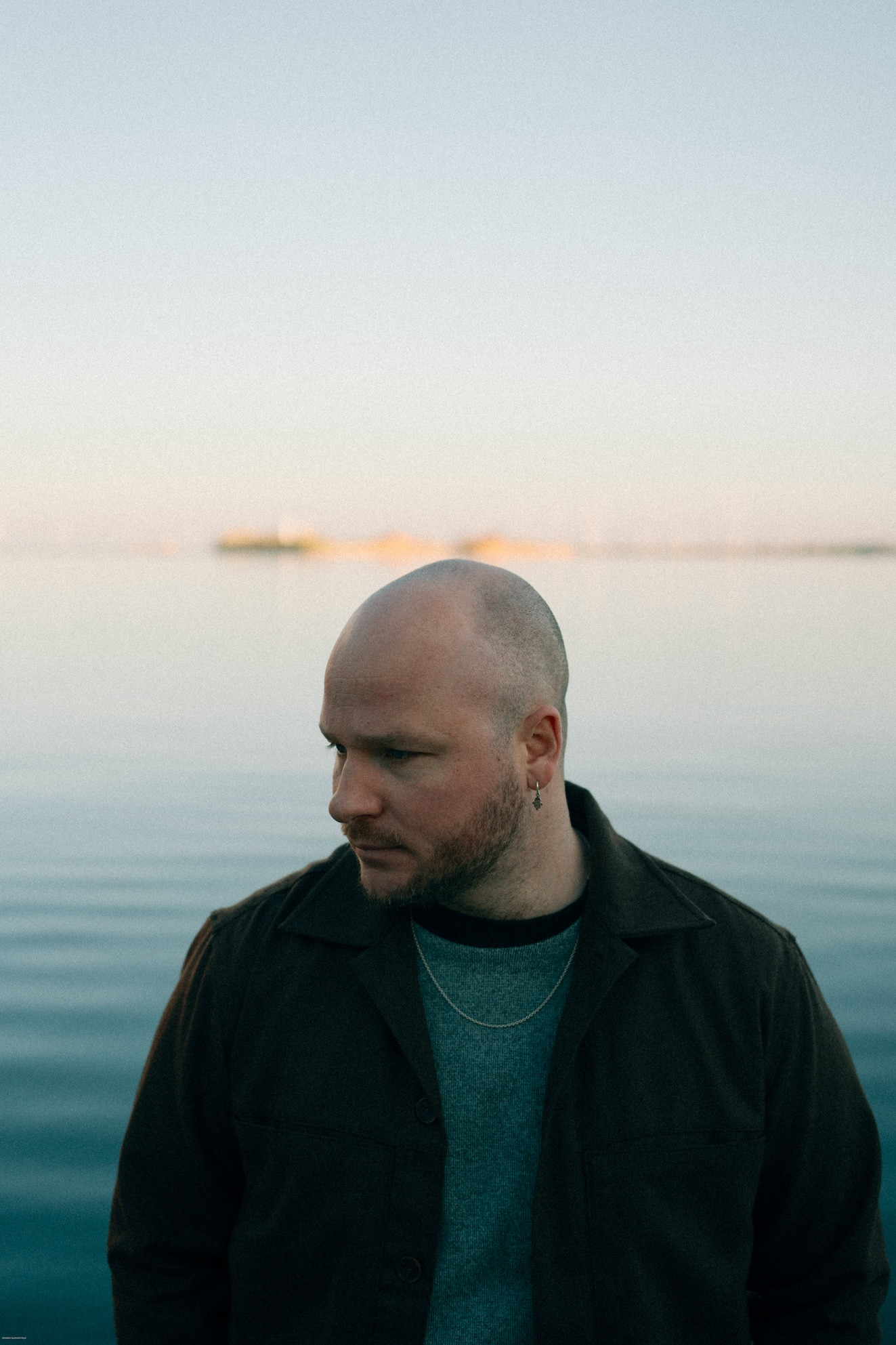
© Sebastian Gudmand-Høyer

»Music is a full bodied, raw and physical exchange. It’s an absorption that is overwhelming, that sometimes grants you relief. Music is interactive, and depends on you as a listener.« 

Alexander Tillegreen is a composer and artist who operates both visually, sonically and spatially. He works in a plurality of formats including multichannel sound installations & performances, interactive listening sessions, paintings, prints, light and concerts as well as exhibitions, commissioned works, and releases. In 2023, he presented a cycle of new commissioned sound works for the Darmstädter Internationale Ferienkurse für Neue Musik. Same year, he released his debut album in words on the acclaimed German electronic music label rastermedia. 

Alexander Tillegreen’s work has been the subject of numerous institutional solo and group exhibitions including: A Bruit Secret – Hearing in Art at Museum Tinguely in Basel (2023), O-Overgaden Institute for Contemporary Art in Copenhagen (2022), FuturDome Museum in Milano (2022), Kunstverein Göttingen (2022), Kunstforeningen GL Strand (2023), Museum für Moderne Kunst in Frankfurt (2017), and The National Gallery of Art in Copenhagen (2008). He has presented his music at many festivals and venues including STRØM Festival, Roskilde Festival, and CTM Festival. 

His most recent work investigates the relationship between psychoacoustic sonic phenomena and their potential to reflect and awaken the listener’s own linguistic and cultural embeddedness and co-creative embodied, interaction as a listener. 

He has been conducting artistic research at the Max Planck Institute for Empirical Aesthetics. This research centers on aspects of attention, spatial sound, voice, gender, identity, embodied co-creation, and language perception in relation to the phantom word illusion – a language-based psychoacoustic phenomenon, that triggers the illusory sensation of hearing inner streams of words that are not necessarily acoustically present.

In 2024, Alexander Tillegreen will represent Denmark at the ISCM World New Music Days on the Faroe Islands.

in briefrelease
12.03.2024

Music for Lovers, but Not for Me

Samuel Rohrer: »Music for Lovers« 
© PR
© PR

With Music for Lovers, the Swiss drummer and electronic musician Samuel Rohrer does many things right. The sound design and mix are luxurious, and the album overflows with an abundance of delicious synth sounds. Precisely for that reason, the absence of the most essential ingredient – the songwriting – feels all the more disappointing.

The opening track, »The Parish Bell«, exemplifies how the songwriting fails to unite the otherwise quite strong individual elements into a satisfying whole. Analog drums play interesting patterns, while synths bubble and sparkle – cold as needle points and soft as cotton swabs. Yet nothing really develops, and the track ends up feeling like a snapshot stretched over seven minutes. This is the case for nearly all seven tracks on the release, plus the eighth bonus track. It feels like a soundtrack lacking the listener’s emotional connection to the medium it is meant to underscore. Here the music stands alone, and it often struggles to carry that weight.

There are highlights: Nils Petter Molvær’s ever-compelling trumpet guesting on »The Gift«, the sublimely sounding space-ambient intro to »Celestial Body«, and the motorik drums that emerge halfway through »Schizophonia«, which, as a rare occurrence, tear the music out of its narrow comfort zone. But still, the songwriting falters, and so while it may be music for lovers, it is unfortunately not music for me.