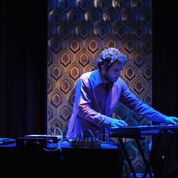
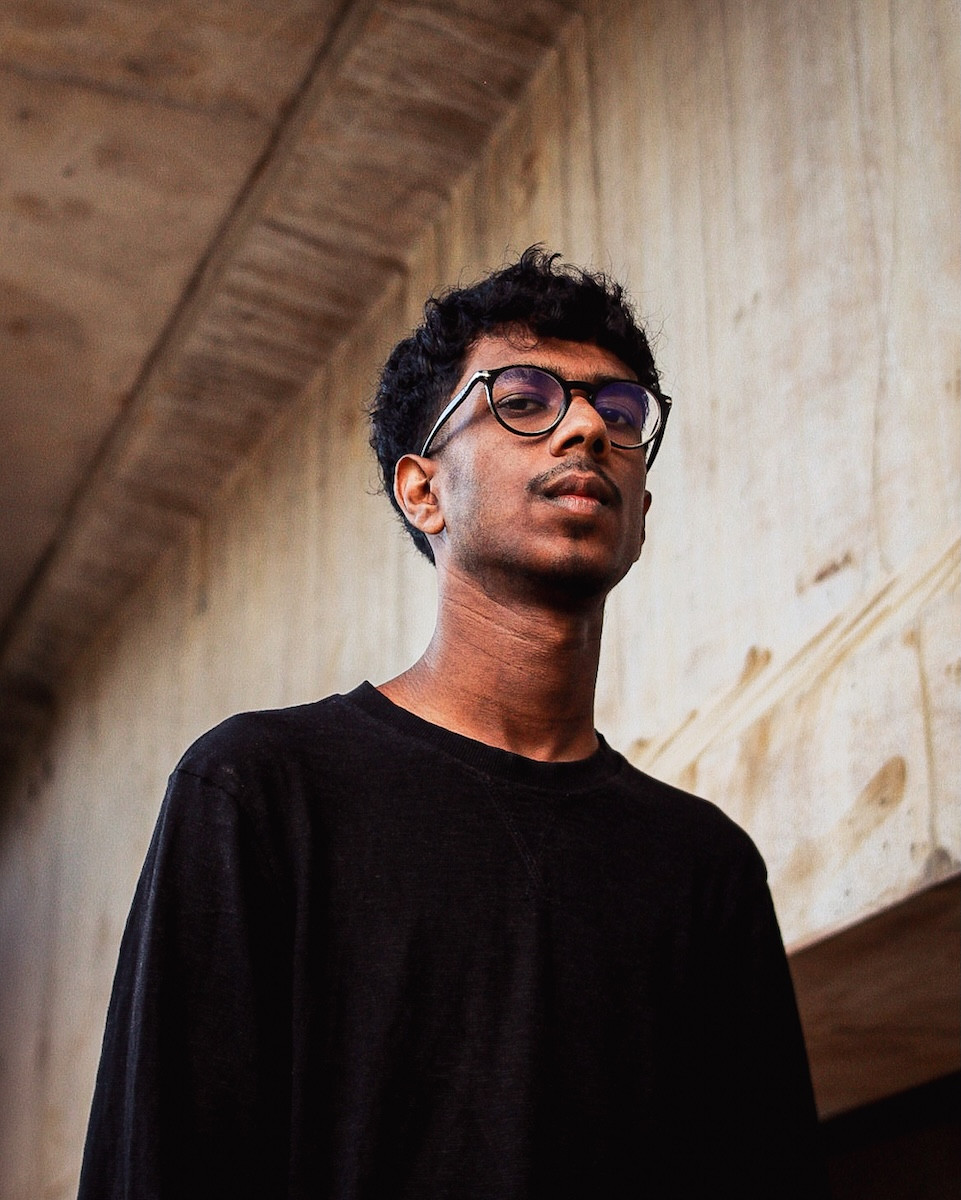
Frem til d. 5. juli 2015 kan Katrine Dirckinck-Holmfelds udstilling Leap into Colour opleves i Kunsthal Charlottenborg. Som en del af udstillingen er der d. 24. juni en trekløver af en artist talk, performance og koncert med Maurice Sameh Louca, som er en af skaberne af soundtracket til videoværket Leap into Colour.

Den egyptiske musiker og komponist Maurice Sameh Louca er kendt for sin sammensatte lyd, der går på tværs af genrer, og sine hårdtslående og improviserende live performances. Maurice Louca har skrevet to albums og især det andet andet album ”Benhayyi Al-Baghbaghan” (hyldest til papegøjen, direkte oversat) illustrerer den udvikling, som egyptisk musik aktuelt set gennemgår. The Wire kalder beskriver albummet som ”…dense, driven and splashed with colour.” På den måde er der en parallel i Maurice Loucas arbejde og Katrine Dirckinck-Holmfelds udstilling Leap into Colour.

Maurice Sameh Louca leverer desuden musik til teaterforestillinger, film og nye visuelle kunstværker. Læs mere om musikeren på hans hjemmeside.

Koncerten d. 24.6. er som nævnt en del af Katrine Dirckinck-Holmfelds udstilling Leap into Colour. Udstillingen udgør en del af kunstnerens Ph.d. projekt: Rehearsing Reparative Critical Practices. Læs mere om udstillingen her. 

Aftenens program
kl. 17.00 Talk ved Katrine Dirckinck-Holmfeld
kl.18.00 Performance med Felia Gram-Hanssen, udstiller på Afgang 2015
kl 19.00 Koncert med den anerkendte og eksperimenterende egyptiske musiker Maurice Sameh Louca.
I gården ved Kunsthal Charlottenborg vil der være grill og drikkevarer til gode priser.

Læs mere om arrangementet på deres Facebookside.  

© PR

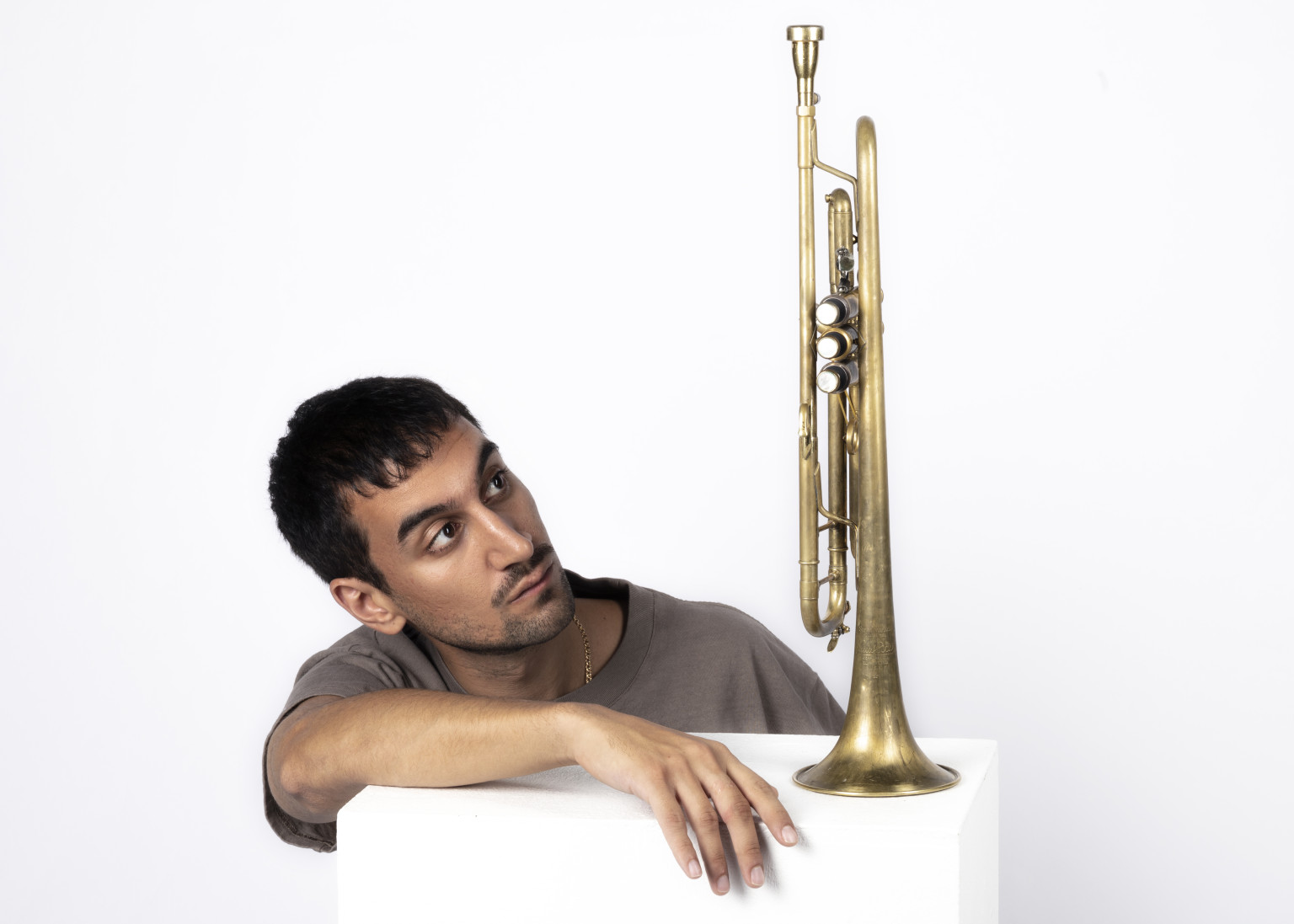
»To me, music is a universe of its own​ – always present and always within reach​ – and I love immersing myself in it. Music opens up a dimension that is both tangible and highly abstract. Paradoxically, it is precisely this music that keeps me grounded. That is why I live alongside it, playing or creating something every single day.«

Ruhi is a trumpeter, composer, and producer. A graduate of the Rhythmic Music Conservatory, he is based in Copenhagen. His music inhabits an ambient and electronic sonic universe with distinct folk influences, centered on improvisation and the timbre of the trumpet.

in brieflive
24.11

Club Music at Sun Lounger Level

Alice + Sort/Hvid: Rezmorah
© Lina Becerra
© Lina Becerra

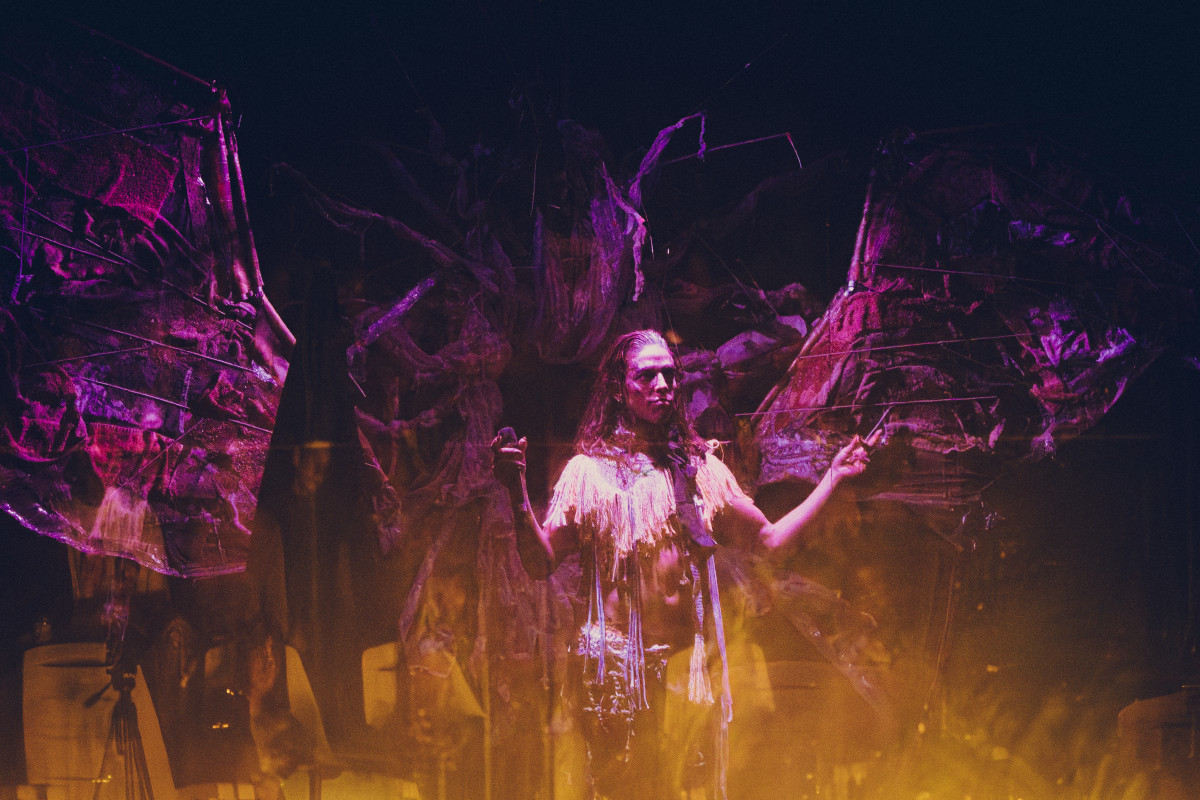
Lying back in a white plastic sun lounger, I gaze towards the stage. Before the concert by Brazilian-born Rezmorah, the stage is illuminated: a turquoise-blue space, wave-like in appearance, with a mirror as its back wall. Here, the audience can see themselves seated in the theatre rows – or rather, in the white sun loungers that make up the front row.

When Rezmorah takes the stage, the lighting changes. The theatre auditorium falls dark, while lights come on behind the mirrored wall, which turns out to be transparent, like something out of a detective film. Behind the glass, two topless women – members of the queer-feminist performance collective CuntsCollective – are also reclining in sun loungers, gazing back at the audience without the slightest inhibition.

The set design, created by GRIF for theatre Sort/Hvid’s production of Bad Mexican Dog, initially seems an odd setting for an electronic club concert. Yet the play, based on a short story by Joni Eika, adds another layer to Rezmorah’s universe. It is about longing for a new and more just world order, one that is to be brought into being through art. Nothing less.

Something similar is at work in Rezmorah’s compelling electronic club music, built around dense, atmospheric soundscapes, deep synths and highly danceable beats. This is physical music, charged with sensual energy and delivered with conviction in a show that is as much a bodily performance as it is a concert. Rezmorah dances, twists and writhes seductively, throws themselves to the floor and generally gives it everything. I dance along as best I can from my sun lounger, wishing we were instead in an intimate club setting.

The lyrics are delivered in a mixture of Portuguese and English, as a kind of rhythmic chant layered with effects. Think incantatory spoken word mixed with something vaguely ritualistic: a hypnotic vocal ceremony about transformation and the possibility of being reborn in one's own image. Towards the end of the concert, a pair of wings appears on the back wall. The metamorphosis is complete, and Rezmorah emerges from the cocoon as the moth they may, in fact, have been all along.

English translation: Andreo Michaelo Mielczarek

© Alicja Jelińska
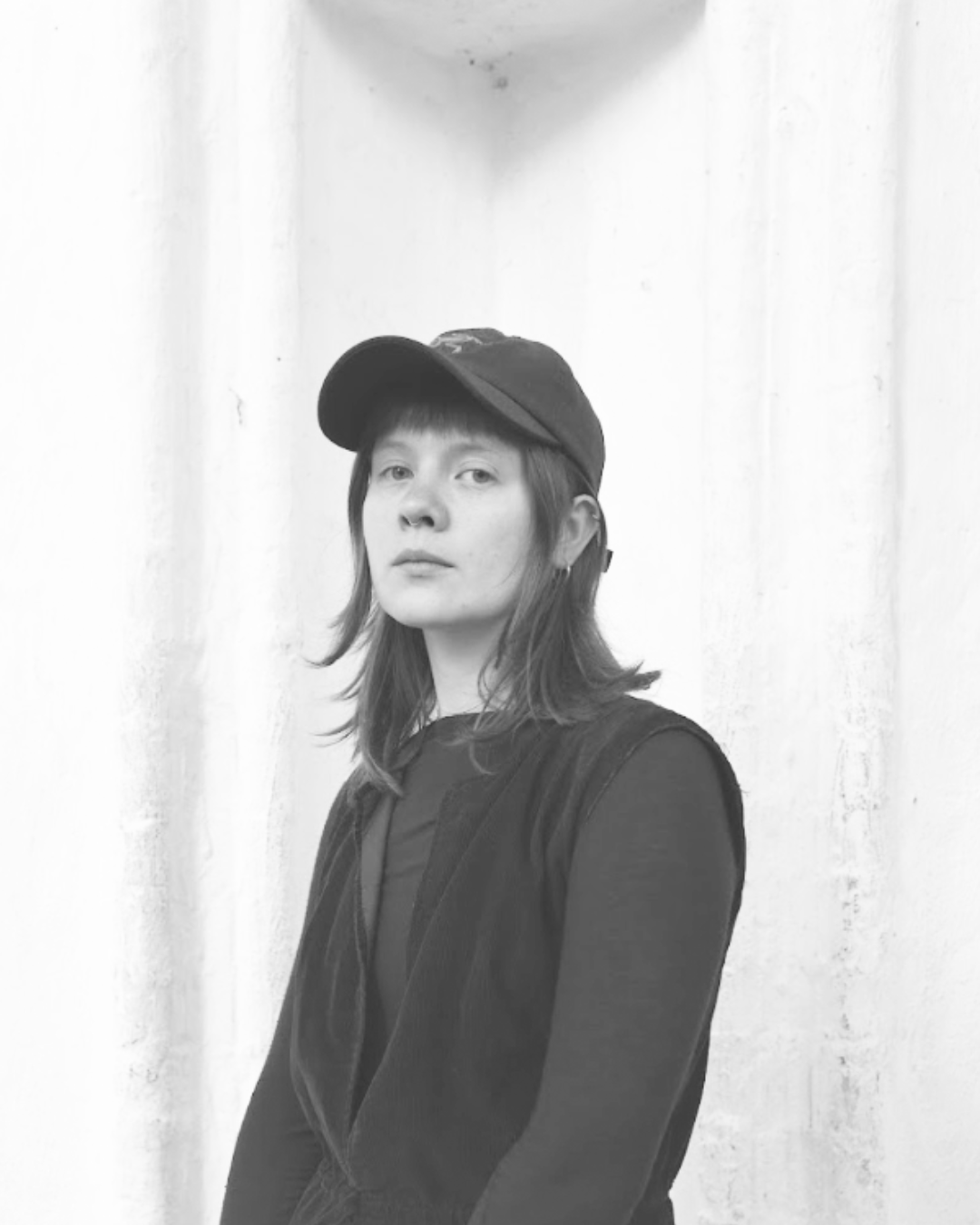
»For me, music is an everyday life. A palette of various emotions. Music is my profession and lifestyle. It's a space where I can be completely myself, where I am fully accepted, and where I am not afraid of challenges or experimentation. Music is life to me, and I cannot imagine living without it.«
 
Malina Midera is a Polish pianist, composer, and sound artist based in Copenhagen. Her work often explores an intersection between jazz, songwriting and electronic music. As a performer and recording artist, she has toured and performed across Europe and released albums with various international ensembles, including Children of Fish, midi 4, and Klawo. She has also curated several art festivals, including LAAF –  Łódź Abstract Art Festival 2024 (PL) or Idealistic Festival vol. 7 (DK).  Her debut solo organ album is set to premiere in January 2027. Alongside music, she has a strong interest in photography.
 
© PR

»What is music to me? Expression.«

Producer and DJ who started out with house and cloud rap, influenced by the new wave of Mauritian dancehall, tripes navigates between genres, blending in influences from his island. He released his first EP, Sega Tron, on Paradoxe Club, where heavy sounds and electronica meet Mauritian sega, Reunionese maloya and all the musical influences of the sister islands, coming from both the african and indian continents.

Through his shows on Oroko, tripes has fully embraced the radio station's mission: to refocus narratives, explore its heritage and highlight emerging artists from the islands, the continent and its diaspora.

Viner Khaiitov. © Tatita Zhiliaeva
»Music is the opposite of escape for me right now: it’s where the tension gets held, repeated and turned into rhythm.«
 
Viner is a DJ and producer based between Marseille and Barcelona, where he runs the label and art lab PATAR. Born in Ulyanovsk to an Uzbek, Tatar and Bashkir family, he started making music in Kazan. In 2022 he recorded across Uzbekistan: Navruz in Tashkent, the Stihia festival in Muynak (where he was technical director), and street sound in Khiva, Bukhara and Samarkand. On 2330 (PATAR, November 2026) those recordings are cut into fragments of two seconds or less and set into three-beat loops running against the main pulse, »doira« patterns that take several bars to come round, and bass in blunt, distorted blocks. The sources stay half-legible. What carries is the friction, held for five tracks and never quite released.