Under temaet EPIPHANY har den aarhusianske festival for ny musik og lydkunst, SPOR, offentliggjort det fulde program for sin 2017-udgave.

Det engelske ord "epiphany" kan bedst oversættes til dansk som åbenbaring, men dækker også over manifestationer af noget overnaturligt eller magisk. På SPOR 2017 udforsker man gennem temaet små fortryllelser, der er i clinch med hverdagen.

Det kommer i programmet til udtryk gennem forskellige situationer, der erobrer de rum, hvori hverdagslivet udspiller sig og kaster nyt lys over de mønstre og rutiner, som knytter sig til det daglige liv.

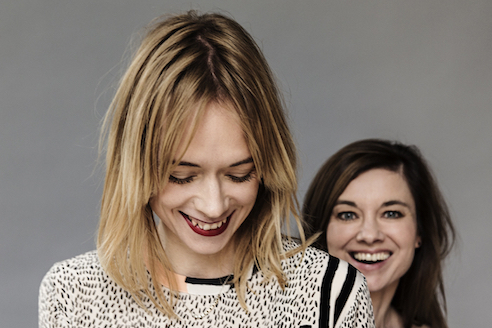
»Eksempelvis laver Ea Borre og Sandra Boss et værk, som tager udgangspunkt i en kendt situation – en gademusikant, som sidder og spiller – det er noget man bumper ind i, når man er i sit almindelige hverdagsliv. Men de vender, drejer og strækker det, så de ender med noget, som bliver en lille bobbel af magi, som både har den her kendte hverdagslige følelse, men som samtidig sætter sig fuldstændigt ud over den«, forklarer den ene af festivalens kunstneriske ledere Anne Marqvardsen.

Værket hedder Sustained Effort og gør brug af en akkordeon-lignende lydskulptur af ekstreme fysiske proportioner, der bliver en del af en offentlig performance i Aarhus' byrum.

Ligeledes laver den polske komponist, performer og kunstner Jagoda Szmytka en syv dage lang performance, hvor hun bor i et udstillingsrum til frit skue for offentligheden. Og således bidrager programmet på forskellig vis med små performative, der rummer åbenbaringer.

»Der er en meget stærk personlighed i årets tema og i de værker og kunstnere, som er blevet inviteret indenfor, og som er blevet udvalgt. Det, der generelt kendetegner SPOR er, at der altid er en ret stram kuratering og tematik, som tegner festivalen rigtigt meget, uanset om vi gør det solo, eller om vi gør det sammen med en gæstekurator. Vi inviterer ikke bare de kunstnere og ensembler ind, der alligevel turnérer i maj måned«, pointerer Anne Marqvardsen.

SPOR er født med idéen om at have en ny kurator hvert år. I 2007 var det Anne Marqvardsen og Anna Berit Asp Christensen, der vandt kuratorkonkurrencen. Året efter indtrådte de som festivalens direktører og har siden givet kuratorstafetten videre til vægtige danske komponister som Bent Sørensen og Simon Steen-Andersen, til udenlandske udfordrere som Joanna Bailie og Jennifer Walshe eller fællesskaber som f.eks. det belgiske Nadar Ensemble, der kuraterede festivalen sidste år. Men på tiåret for deres debut kurateres festivalens program atter af direktørparret Marqvardsen og Christensen.

»EPIPHANY er også et tema og en overskrift, der relaterer sig personligt til det arbejde vi selv har haft med festivalen. Det er vores tiende festival i år, og på en måde tror jeg der ligger en grundforståelse for os begge to af, at vi har arbejdet så utroligt eksperimenterende med den her festival, og vi har valgt at lave så mange ting, som var ukontrollérbare og uden at vide, hvad det ville ende med. Det har affødt de her bittesmå åbenbaringer eller magiske ting, som vi ikke kunne være sikre på. Så der ligger også noget personligt i det tema i forhold til, hvordan vores egen rejse har været med den her festival gennem 10 år«, fortæller Anna Berit Asp Christensen.

Efter at have vokset sig til den institution, den er i dag, har SPOR kræfter til at realisere flere og mere ambitiøse tiltag. Det afspejler sig eksempelvis i projekter som SPOR New Music School, hvor der under festivalen de seneste to år er blevet komponeret samtidsmusik og lydkunst af musikskoleelever på 11-15 år. Men festivalens udvikling ses også i musikprogrammet:

»Alt, hvad der er på programmet, er noget vi holder af på en helt særlig måde, og som betyder rigtig meget for os. Men der er ingen tvivl om, at jeg er rigtig stolt over, at vi i år kan præsentere en meget stor Manos Tsangaris-produktion. Han er en utrolig anerkendt figur på ny-musik-scenen i hele Europa, og man har aldrig haft en Tsangaris-produktion i det format før i Danmark«, afslutter Anna Berit Asp Christensen.

SPOR finder sted i Aarhus 8-14. maj på forskellige lokationer i Aarhus.

Læs mere på festivalens hjemmeside.

© Roberto Bordiga

»Music for me is bumping, rubbing, colliding, sliding and sculpting... in space-time. AKA the gift that keeps giving <3 .«  

Greta Eacott is a critically acclaimed British/Swedish composer based in Copenhagen, Denmark. She is primarily known for her boundary pushing experimental percussion works and her »sans-disciplinary« approach to music composition; which incorporates spatial aesthetics, design theory and physical movements as integral elements in the musical compositions. This manifests in a unique and modern musical aesthetic which is both playful and refined, agitating and welcoming, sensual and synthetic. Since 2014 she has been running the DIY record label One Take Records.

in brieflive
26.08.2024

Hooray! The Big Questions Are Still Alive in Opera

Copenhagen Opera Festival: Rolf Hind, Dante Micheaux and Jalal al-Din Rumi, Frederic Wake-Walker, Elaine Mitchener, James Hall, Yannis François, Loré Lixenberg a.o.: »Sky in a Small Cage«
© Ida Guldbæk Arentsen

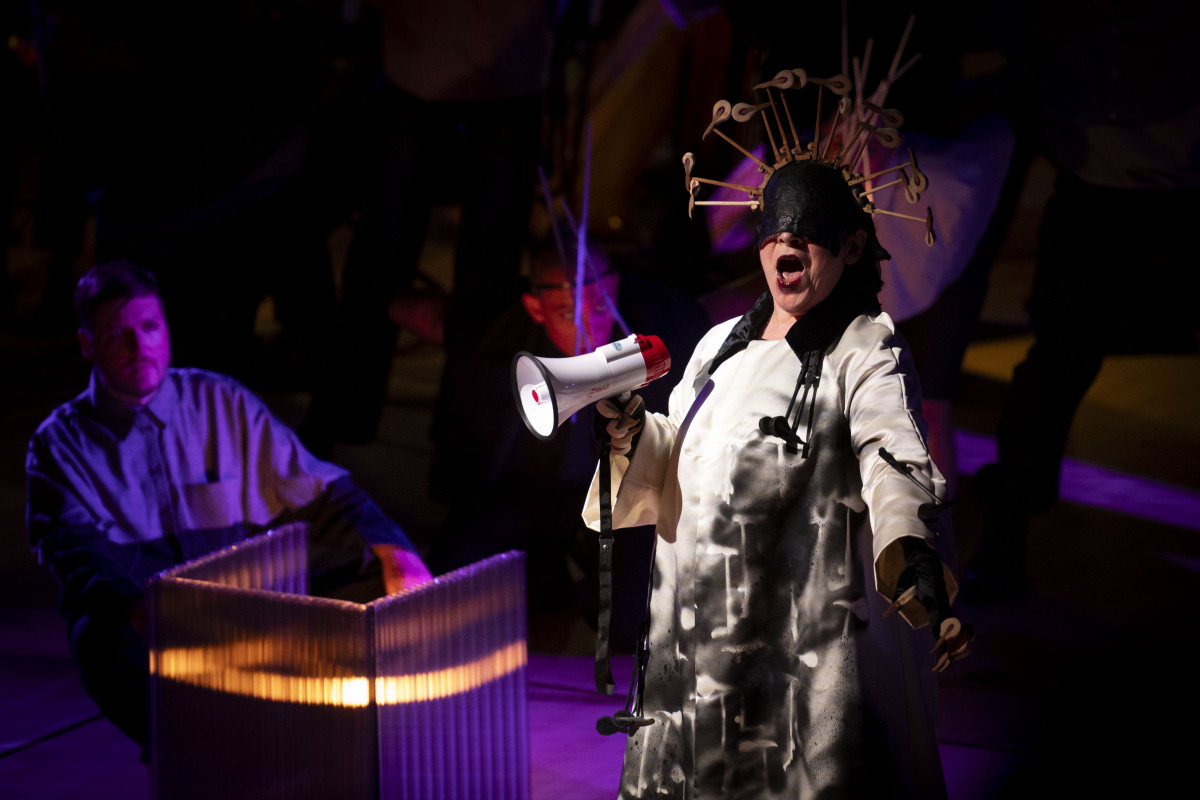
If one had come to believe that new opera could only be starkly realistic portrayals of the world’s decay, Sky in a Small Cage at the Copenhagen Opera Festival would quickly prompt a rethink. The festival’s final work pointed in a completely different direction: mysticism, hope, love. All clichés, perhaps – but absolutely not in the hands of composer Rolf Hind and librettist Dante Micheaux. Together they have spun a truly astonishing opera about the Sufi poet Jalal al-Din Rumi.

It was as much the enchantment of Rumi’s poetry as the myth of the poet himself that drove the work. In fact, it was exhilaratingly difficult to distinguish between poetry and reality: the character Rumi became the object of his own grand poetic art. »It might as well be called a death: the gate you must go through to enter yourself or beloved,« sang a narrator-like figure at the outset. Love, one understood, is a self-annihilating transgression – a threshold phenomenon that at times demands its sacrifices.

This dreamlike doubleness served as a guiding principle throughout the performance. It was a pleasure to hear mysticism unfold in the music, which was phenomenally orchestrated with dripping gamelan bells and singing bowls, double harps, celebratory piano, and more pounding toms than Lars Ulrich would dare to dream of.

And what about the bird, the cage, and the idea of freedom? In Sky in a Small Cage, freedom was not a matter of opening the cage and setting the bird free. It was located in the very act of calling – in song, music, and poetry – as a reaching out toward the other in a kind of intoxication of love. Oh yes, the big questions are still alive in opera. Thank God.

English translation: Andreo Michaelo Mielczarek

© PR

»Music has always provided me with a clear pathway on which to navigate a meaningful life. It is imbued with a set of noble intentions that have taught me important lessons: the art of giving and receiving, how to grapple with the ever-shifting forces of tension and peace, what it is to trust the people who surround you, and the ability to let go.«

The Irish-born, Denmark-based composer-musician Carolyn Goodwin is a clarinetist and saxophonist, and the founder of Copenhagen Clarinet Choir. Her compositional work is driven by a desire to explore new frontiers in ensemble playing, bringing body and movement to the forefront, and combining the freedom of improvised music with her foundation in classical music. Goodwin's 2022 release with the Copenhagen Clarinet Choir, Organism, on the År & Dag label, has been described as »cranio-sacral therapy for the ear« and »a perfect cross between intelligent and sensory music.« It is these sound and performance parameters that have inspired composers like Marcela Lucatelli, Greta Eacott, and Anders Lauge Meldgaard to compose music for Goodwin’s ensemble.

Goodwin is a member of the trio Coriolis, alongside fellow saxophonists Maria Dybbroe and Nana-Pi Aabo Kim, as well as Jason Dungan’s Blue Lake project. She is also part of the musician collective Barefoot Records.


© Beowulf Sheehan

»Music is limitless, and its potential for meaning is infinite. This is neither good nor bad, but simply an acknowledgement that music is one kind of expression of any given culture (with many other inputs, of which I am mostly ignorant). From that perspective, I suppose then that music is just another medium through which I try to understand another human and/or the culture that they exist(ed) in, and more deeply feel the interconnectedness of the world that we live in, that we have inherited, and that we will pass on.«

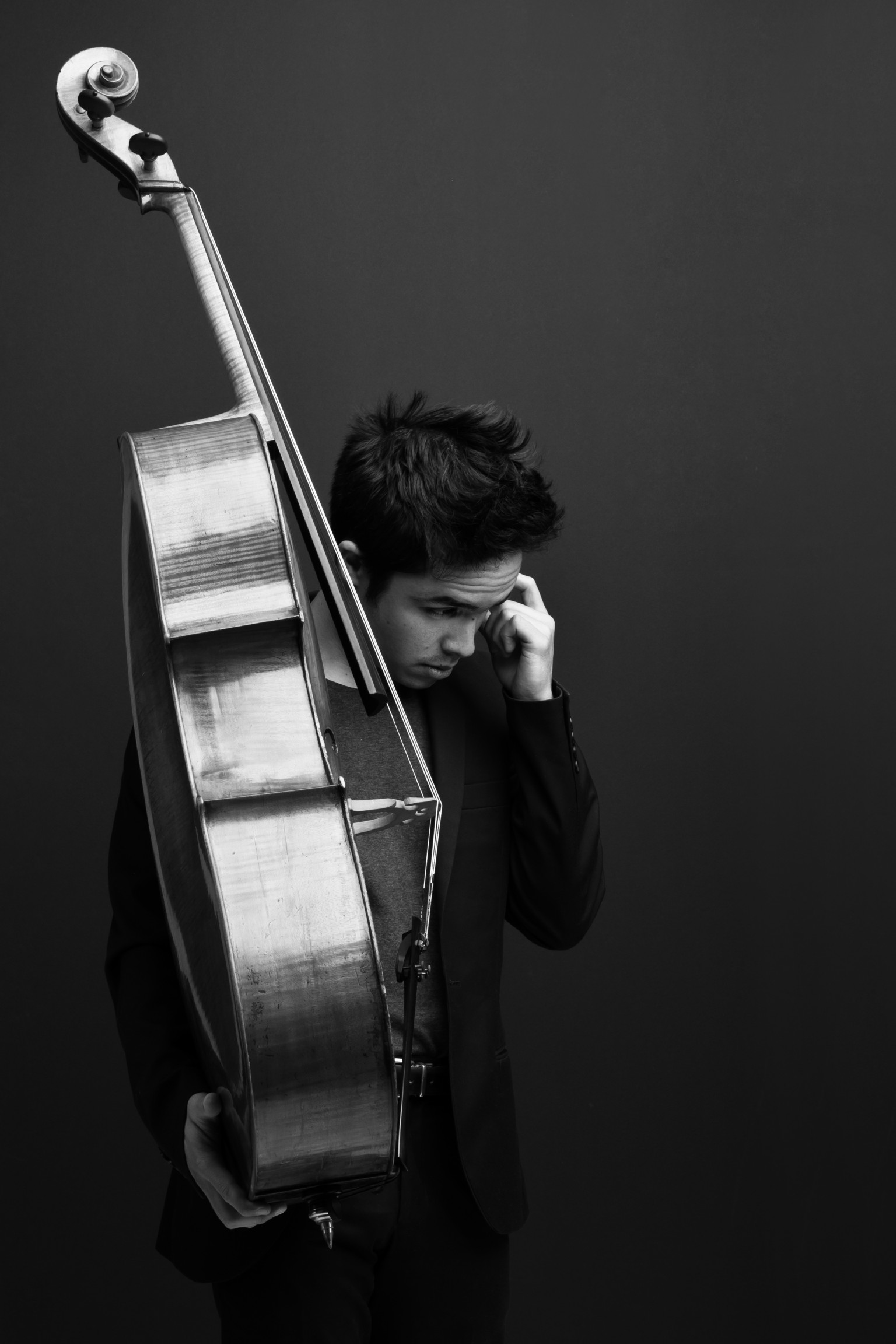
Currently the only musician ever to receive two Avery Fisher Career Grants – in 2016 as a soloist and in 2019 as a member of the JACK Quartet – cellist Jay Campbell has brought his eclectic artistic interests both as a performer and curator to the New York Philharmonic, Deutsche-Symphonie Orchester, Los Angeles Philharmonic, Seattle Symphony, Ojai Festival, Lucerne Festival and many others. Deeply committed to collaborative music, Jay is a member of the JACK Quartet, as well as the Junction Triowith violinist Stefan Jackiw and composer/pianist Conrad Tao, multidisciplinary artist collective AMOC, and frequently works with composers and performers like Helmut Lachenmann, Patricia Kopatchinskaja, Barbara Hannigan, John Zorn, Tyshawn Sorey, and many more from his own generation. 

in brieflive
05.07.2024

A World of Contrasts – and a Touch of Smurf Vocals

Roskilde Festival: Slauson Malone 1
© PR

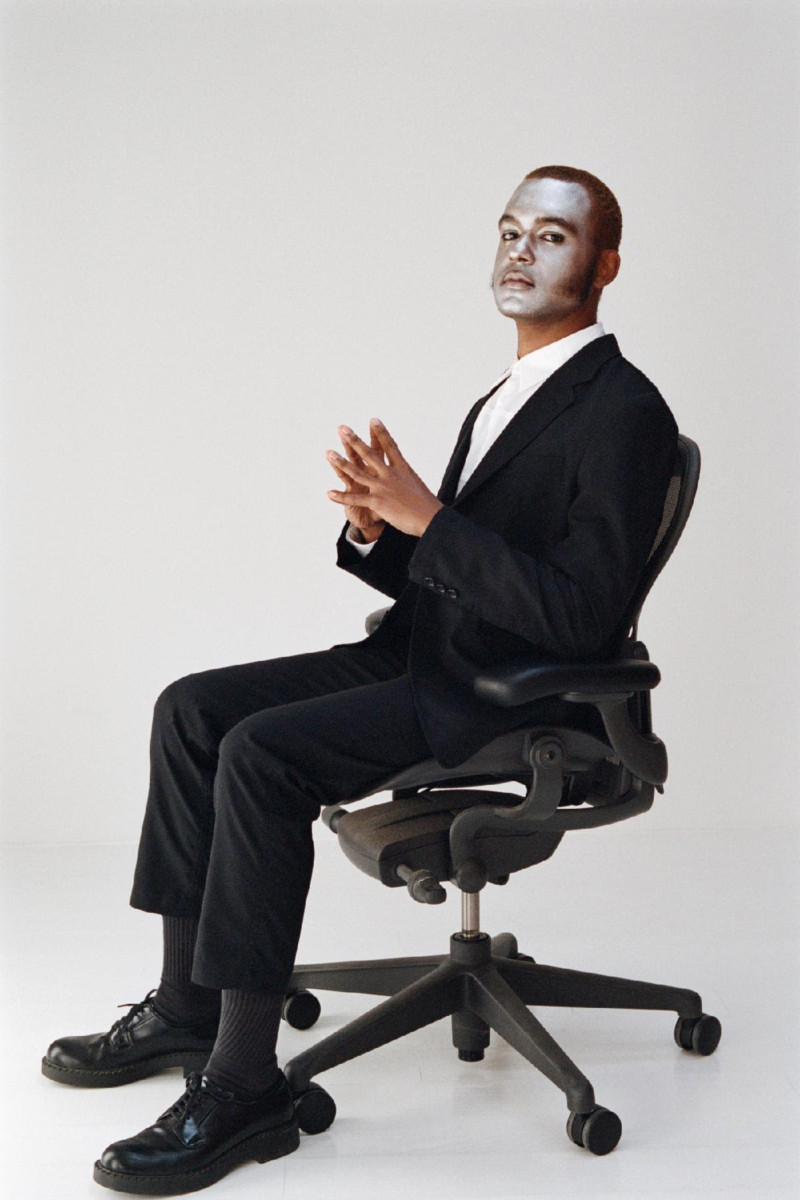
The cello is everywhere at this year’s Roskilde Festival. Some use it as just about anything else – hey, now it’s an electric bass, or how about a keyboard drowned in effects – but in American Jasper Marsalis’ Marcela Lucatelli-worthy bomb project Slauson Malone 1, the cello was actually used as, well, a cello.

Marsalis himself handled vocals and electric guitar on the open Platform stage, while Nicholas Wetherell opened the concert with a motor-race assault on his amplified cello, then pivoted into plucked meditations, to which Marsalis contributed overtone playing on guitar. Sensitive jazz guys? Nope – suddenly: synchronized noise sprints, intimacy splintered, and before long Marsalis threw himself into the seated audience with a somersault – and a scream.

Meanwhile, Wetherell played tender vibratos. Because contrasts thrive at Roskilde – and, after all, seem to be driving the world forward these days. And so it was the world itself that came into focus in the music: through violent shifts between 8-bit Smurf vocals, ambient gnawing solo cello, intimate indie layered over a one-second sample of Cher – culminating in a wistful lullaby veiled in digital theremin.

In many ways, it was peak hipster era. But it was also intensely moving – something like following Mahler out on the edge of the abyss as he tried to sketch the whole world into his scores. The only difference: the easel looks a bit different today.