Under temaet EPIPHANY har den aarhusianske festival for ny musik og lydkunst, SPOR, offentliggjort det fulde program for sin 2017-udgave.

Det engelske ord "epiphany" kan bedst oversættes til dansk som åbenbaring, men dækker også over manifestationer af noget overnaturligt eller magisk. På SPOR 2017 udforsker man gennem temaet små fortryllelser, der er i clinch med hverdagen.

Det kommer i programmet til udtryk gennem forskellige situationer, der erobrer de rum, hvori hverdagslivet udspiller sig og kaster nyt lys over de mønstre og rutiner, som knytter sig til det daglige liv.

»Eksempelvis laver Ea Borre og Sandra Boss et værk, som tager udgangspunkt i en kendt situation – en gademusikant, som sidder og spiller – det er noget man bumper ind i, når man er i sit almindelige hverdagsliv. Men de vender, drejer og strækker det, så de ender med noget, som bliver en lille bobbel af magi, som både har den her kendte hverdagslige følelse, men som samtidig sætter sig fuldstændigt ud over den«, forklarer den ene af festivalens kunstneriske ledere Anne Marqvardsen.

Værket hedder Sustained Effort og gør brug af en akkordeon-lignende lydskulptur af ekstreme fysiske proportioner, der bliver en del af en offentlig performance i Aarhus' byrum.

Ligeledes laver den polske komponist, performer og kunstner Jagoda Szmytka en syv dage lang performance, hvor hun bor i et udstillingsrum til frit skue for offentligheden. Og således bidrager programmet på forskellig vis med små performative, der rummer åbenbaringer.

»Der er en meget stærk personlighed i årets tema og i de værker og kunstnere, som er blevet inviteret indenfor, og som er blevet udvalgt. Det, der generelt kendetegner SPOR er, at der altid er en ret stram kuratering og tematik, som tegner festivalen rigtigt meget, uanset om vi gør det solo, eller om vi gør det sammen med en gæstekurator. Vi inviterer ikke bare de kunstnere og ensembler ind, der alligevel turnérer i maj måned«, pointerer Anne Marqvardsen.

SPOR er født med idéen om at have en ny kurator hvert år. I 2007 var det Anne Marqvardsen og Anna Berit Asp Christensen, der vandt kuratorkonkurrencen. Året efter indtrådte de som festivalens direktører og har siden givet kuratorstafetten videre til vægtige danske komponister som Bent Sørensen og Simon Steen-Andersen, til udenlandske udfordrere som Joanna Bailie og Jennifer Walshe eller fællesskaber som f.eks. det belgiske Nadar Ensemble, der kuraterede festivalen sidste år. Men på tiåret for deres debut kurateres festivalens program atter af direktørparret Marqvardsen og Christensen.

»EPIPHANY er også et tema og en overskrift, der relaterer sig personligt til det arbejde vi selv har haft med festivalen. Det er vores tiende festival i år, og på en måde tror jeg der ligger en grundforståelse for os begge to af, at vi har arbejdet så utroligt eksperimenterende med den her festival, og vi har valgt at lave så mange ting, som var ukontrollérbare og uden at vide, hvad det ville ende med. Det har affødt de her bittesmå åbenbaringer eller magiske ting, som vi ikke kunne være sikre på. Så der ligger også noget personligt i det tema i forhold til, hvordan vores egen rejse har været med den her festival gennem 10 år«, fortæller Anna Berit Asp Christensen.

Efter at have vokset sig til den institution, den er i dag, har SPOR kræfter til at realisere flere og mere ambitiøse tiltag. Det afspejler sig eksempelvis i projekter som SPOR New Music School, hvor der under festivalen de seneste to år er blevet komponeret samtidsmusik og lydkunst af musikskoleelever på 11-15 år. Men festivalens udvikling ses også i musikprogrammet:

»Alt, hvad der er på programmet, er noget vi holder af på en helt særlig måde, og som betyder rigtig meget for os. Men der er ingen tvivl om, at jeg er rigtig stolt over, at vi i år kan præsentere en meget stor Manos Tsangaris-produktion. Han er en utrolig anerkendt figur på ny-musik-scenen i hele Europa, og man har aldrig haft en Tsangaris-produktion i det format før i Danmark«, afslutter Anna Berit Asp Christensen.

SPOR finder sted i Aarhus 8-14. maj på forskellige lokationer i Aarhus.

Læs mere på festivalens hjemmeside.

in briefrelease
13.03

Cello Among Cows and a Love of Music

Katrine Philp: »A Classical Life«
© Carsten Snejbjerg
© Carsten Snejbjerg

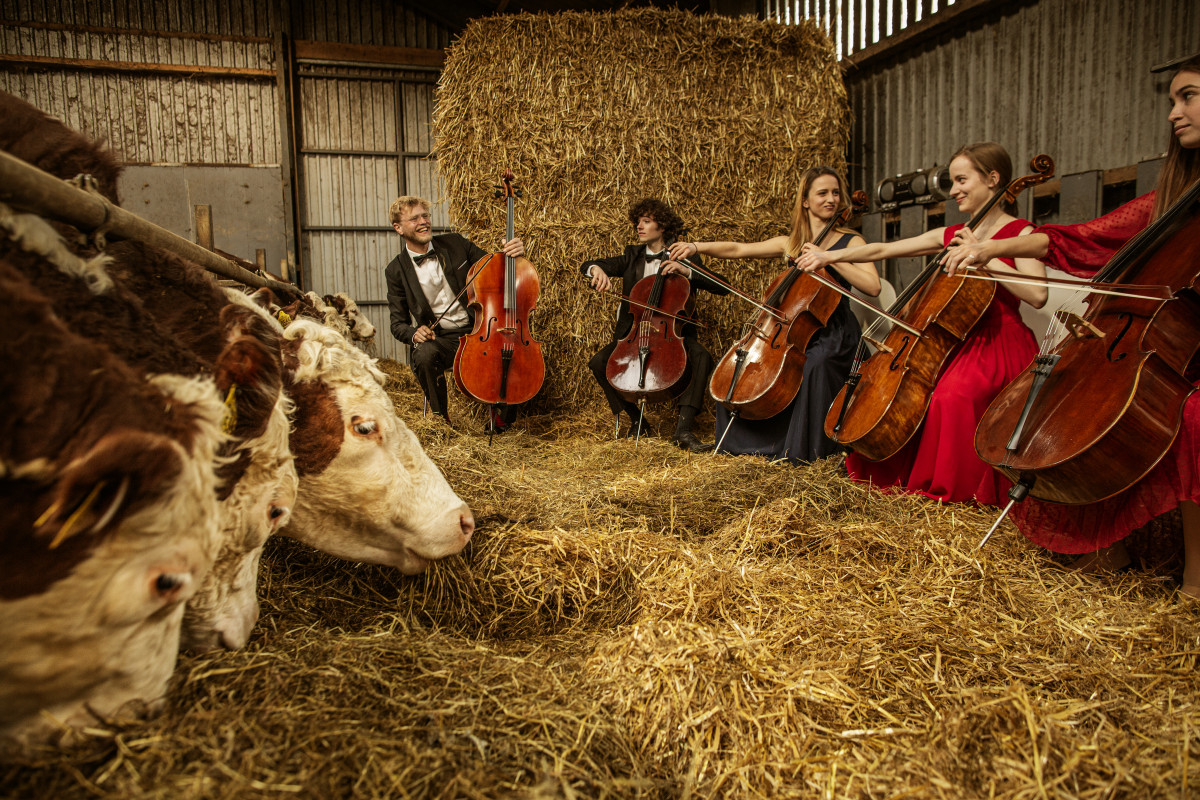
A farm near Rødvig on the Stevns peninsula, home to both pigs and cows, also houses an elite music school for cellists, the Scandinavian Cello School. The school was founded by the British cellist and professor Jacob Shaw, who is also a farmer and lives here with his family. It is a place where the young people in residence are expected to take part in the work on the farm as in a collective, when they are not working on their musical projects.

According to Shaw, this is very much an innovation. In one of the many scenes featuring the thoughtful, idealistic and selfless mentor, he remarks that the classical music world places great emphasis on competition and perhaps on musical development, but only rarely concerns itself with something as essential as well-being.

It is fascinating to follow not only the teaching and competitions on Stevns and elsewhere, but also to listen to the young musicians’ accounts of playing, alongside the many uncommented sequences in which large amounts of music – especially from the classical cello repertoire – are performed. Among them is an outdoor scene where the musicians have attracted a group of cows, who appear to be listening when they are not mooing.

This is a film about self-realisation through discipline, but also about discipline through self-realisation. The film continually circles around the human effort to become better at something, and it does so in a way that consistently places the participants’ love of music at the centre. This also applies to Shaw himself, whose previous serious illness, briefly referred to, forms a kind of counterpoint to the lightness that otherwise characterises the film.

Katrine Philp’s documentary A Classical Life is therefore warmly recommended – not only to parents of musically inclined children, but to anyone interested in music. Classical music? No. Music.

CPH:DOX, 14, 17 and 21 March

in briefrelease
12.03

Do Whales Actually Want to Listen to Us?

Valentin Paoli: »The Musician and The Whale / La Baleine et le Musicien«
© PR
© PR

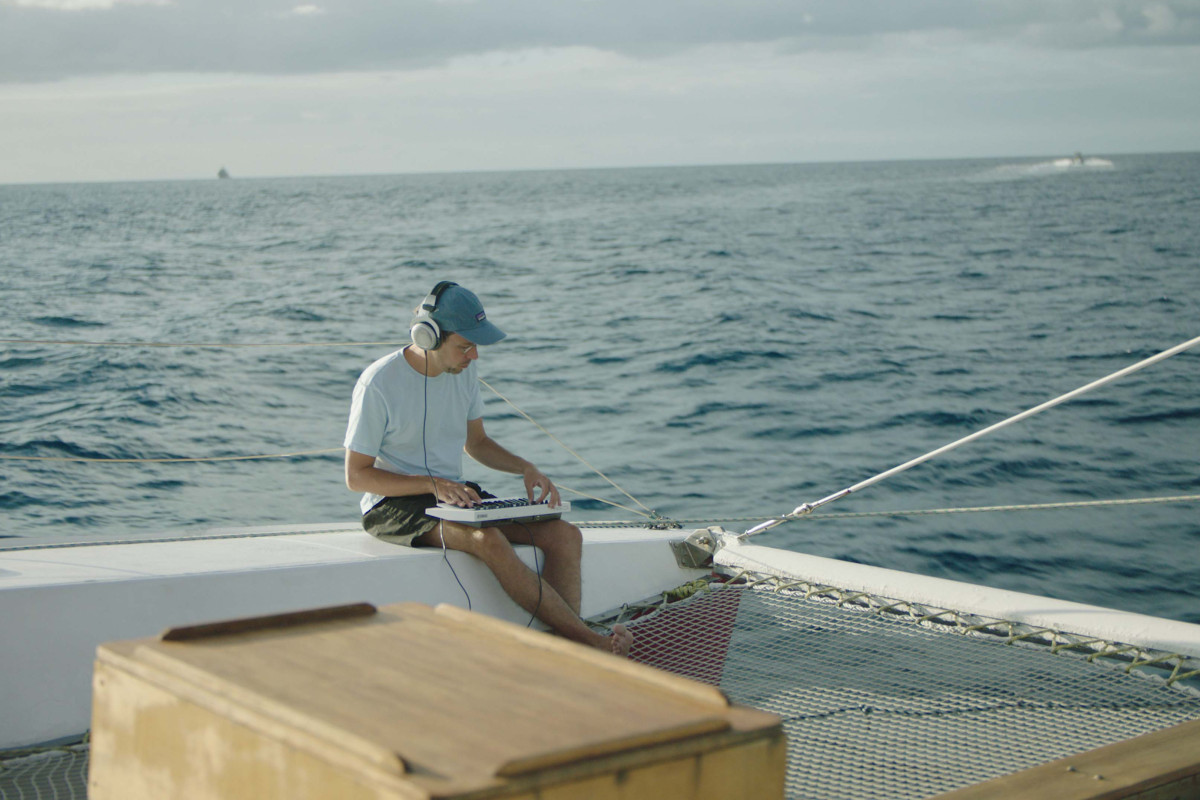
The French electronic musician Rone finds it difficult to express emotions verbally. In Valentin Paoli’s rather touching documentary The Musician and The Whale, he reflects on music’s ability to create connections and convey moods to an audience – whether human or interspecies.

One day, Rone receives a video from a sailor who is playing his music at sea. Whales gather around the boat, seemingly drawn to the sounds, and this becomes the starting point for an exploration of whether the musician might be able to communicate with the animals through sound. Rone seeks out an expert in whale vocalizations, who points to certain high-pitched synth elements in his EDM compositions that resemble whale song. He then has a girls’ choir record the whale sounds with human voices and travels to Réunion to play the sounds back to the whales.

At first, the attempt proves futile: the whales appear indifferent to the girls’ choir. Quoting Johann Wolfgang von Goethe, Rone realizes that if one wishes to move others, one must begin with what moves oneself. It is a Disney-like insight in a slightly sentimental film that speaks to the human desire to communicate with animals.

But are we actually sure that animals want to communicate with us? As the film’s central figure, Rone briefly reflects on a few ethical questions concerning animals, yet his infectious enthusiasm for the sounds of whales prevents him from asking the most fundamental questions about the relationship between humans and animals. Instead, we get a portrait of the musician that is almost as polished and warm-hearted as his music. The whale, wisely, remains beneath the surface of the sea.

»The Musician and The Whale« / »La Baleine et le Musicien« (83 min.)
Valentin Paoli (FR), 2026. Screening at CPH:DOX, March 11, 12 and 20

© Cecilie Frost

»Music is for me a silent but powerful weapon. It is crucial for preserving identity and culture. Throughout history, dominant powers have often tried to suppress people by wiping out their language, their traditions and their art. But in places where this failed, it was precisely the survival of art that preserved the soul and pride of the people.« 

Anastasia is a Danish indie artist with glamour in her eyes and punk in her blood. Together with her all-female band, she creates a sound universe carried by raw energy, bittersweet rock melodies and cheeky, flirtatious lyrics about love, loss and everything chaotic in between. She debuted in 2022 with a series of charity concerts in support of Ukraine and has since taken over stages across the country – from Debutfest in Copenhagen to SPOT Festival in Aarhus. All songs are written and produced by Anastasia herself and take their final form in a close and intense interaction with the band, where personal expression meets collective power.


in briefrelease
09.03

Everything a Snare Drum Can Do

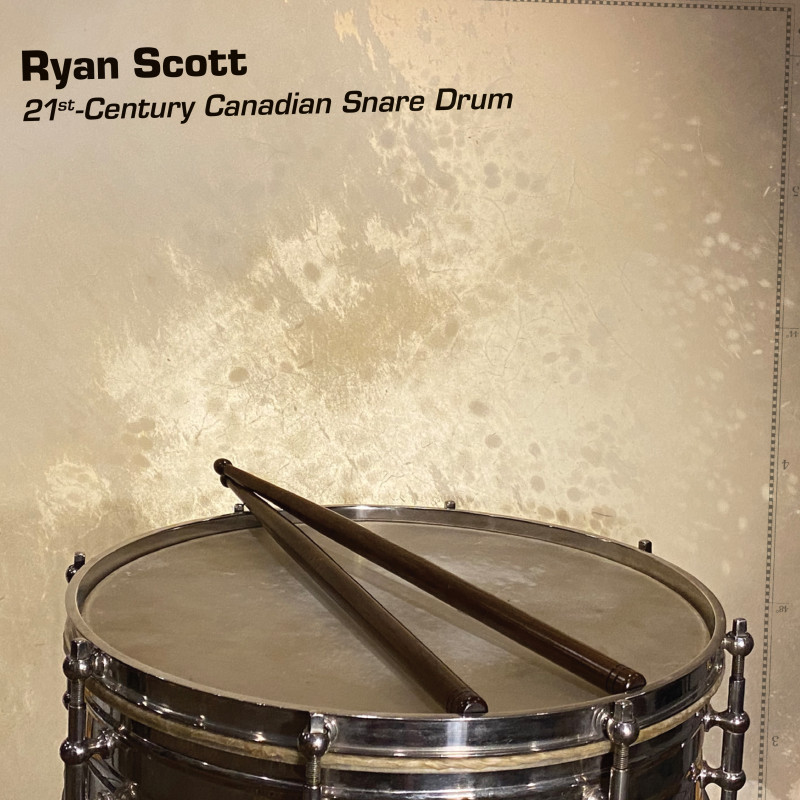
Ryan Scott: »21th-Century Canadian Snare Drum«
© PR
© PR

Let’s be honest: when you think of composed music for solo instruments, the snare drum is probably not the first thing that comes to mind. It may be the noisiest member of the percussion family and has been setting the volume level in everything from classical music to pop for decades. That’s why I pricked up my ears when the Canadian percussionist Ryan Scott announced an entire album of works for snare drum – written by 14 different composers. A full hour and a half of music, no less. And yes, that sounds like a lot for a record that mainly consists of a single drum. But there is definitely something to discover here.

The opening, Andrew Staniland's »ANTIGRAVITYDRUM«, blends free jazz with inspired use of percussive vibraphone, while Beka Shapps’ »Skinscape IV« sends the drum strokes through ring modulation and extensive sound processing, bringing us close to musique concrète. Christina Volpini’s »only ghost« slips into horror territory with march-drum-inspired bursts and ghostly use of the snare drum’s high register, while Amy Brandon’s »Time and Effort« almost becomes a demonstration of the instrument’s technical possibilities.

Fourteen works over ninety minutes is a substantial mouthful. The snare drum’s limited tonal vocabulary means that you occasionally lose focus, even after several listens, and the contrast between drum strokes and silence is repeated a little too often. That said, Ryan Scott and the composers get just about as much out of what is essentially a glorified marching drum as one could hope for. I was both entertained and intrigued along the way. As an experiment, the idea is strong – but in the long run also a bit too insistent for me to return to often. Still, one should not underestimate the versatility of a good old-fashioned snare drum.

English translation: Andreo Michaelo Mielczarek


in brieflive
09.03

Beauty in Decay

Thure Lindhardt, Ensemble Hermes, Sophie Haagen & Mikkel B. Grevsen: »Helvedesblomsterne«
© Anders Hede, Musikhuset

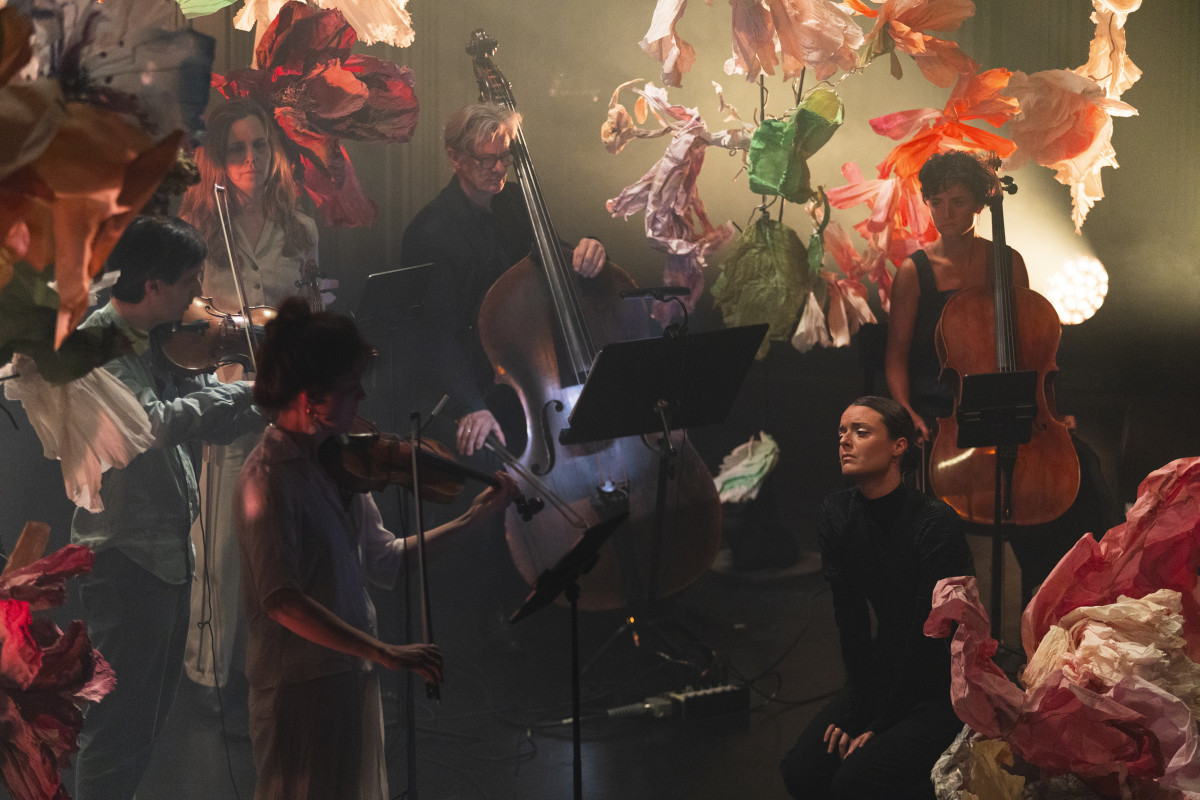
We sat in slow decay for an evening in the vestibule of Hell. It was during an ambitious, multisensory interpretation of Charles Baudelaire’s poetry collection Les Fleurs du mal (1857) – Helvedesblomsterne (The Flowers of Evil). Director Anna Schulin-Zeuthen and composer Mikkel B. Grevsen brought together mezzo-soprano Sophie Haagen and actor Thure Lindhardt with the six string players of Ensemble Hermes, adding electronic music to the mix. This Frankenstein-like staging transported modernist poetry into 2026, where the motifs stretching between beauty and decay still – despite many scientific advances – remain a fundamental condition.

In Musikhuset Aarhus, the stage was decorated with lush and withered flowers as vanitas symbols. Lindhardt opened with a recitation that shattered the fourth wall: with both humour and intensity he addressed us directly in the audience – hypocrites and future corpses.

In contrast to the almost seamless sonic unity of Haagen’s dark voice, the string players’ sustained textures and the ghostly distortions of the electronics, Lindhardt’s reading appeared as a strange but necessary disturbance. He prowled about with a folder tucked under his arm like an awkward outsider – the poet as eternal observer.

For my part, I dutifully tried to follow the printed programme sheet, but soon gave up and instead – quite in the spirit of the work – allowed myself, hypocritically, to be intoxicated and seduced. Helvedesblomsterne succeeds as a bold and grand project. Yet the performance also balances a little too cautiously between harmonic beauty and the nineteenth-century uncanniness that in Baudelaire crawls with death all the way into the bones.

English translation: Andreo Michaelo Mielczarek