2-18. juni lægger Struer gader, pladser, parker m.m. til landets hidtil eneste festival for stedsspecifik lydkunst. Festivalleder Jacob Kreutzfeldt fortæller om Struer Tracks, som festivalen er døbt.

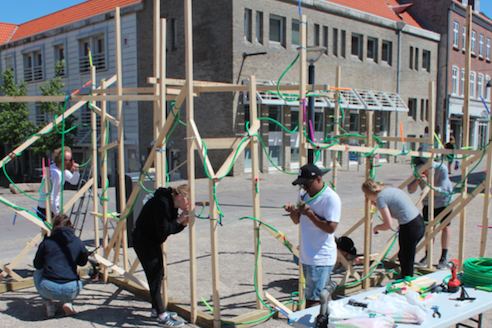
“Struer Tracks er en festival for lydkunst. Kernen er udstilling af lydkunstværker, og værkerne er stedspecifikke i den forstand at de er tænkt eller tilpasset til Struer og til de konkrete steder. Uden om udstillingen har vi en række arrangementer, koncerter, workshops og præsentationer, hvor vi inviterer borgere og besøgende til at lytte og give lyd”, indleder Jacob Kreutzfeldt.

Han uddyber, hvordan de urbane og offentlige rammer spiller med på lydkunstens præmisser på en helt anden måde end eksempelvis de traditionelle, hvide gallerirum.

“Vi ville gerne skabe situationer, hvor publikum møder kunst i hverdagen – frem for på museer eller i koncertsale. Her er der mulighed for at kommunikere på andre planer, end når det foregår på institutioner. Ved at arbejde i det offentlige rum er der en anden mulighed for at værkerne kan overraske folk i hverdagen. Det gælder for al kunst i det offentlige rum, men måske i særlig grad for lydkunst, hvor kan komme komme snigende og blande sig med omgivelsernes lyd”, forklarer han.

Valget af lige netop Struers offentlige rum som ramme for festivalen er langt fra tilfældig. Det lokale byråd har med en strategisk satsning brandet den midtjyske købstad under navnet Lydens By. Knap en femtedel af de ca. 10.000 indbyggere er da også beskæftiget hos byens største virksomhed, B&O, der er verdenskendt for især lyd-elektronik af høj kvalitet.

“Man har gennem de seneste 5 år arbejdet med at opbygge en identitet og kultur omkring lyd i Struer – ikke mindst baseret på at Bang & Olufsen har ligget i Struer i mere end 90 år. Det betyder at vi kan trække på initiativer og kompetencer, som vi ikke ville kunne finde i andre byer – og slet ikke i byer af Struers størrelse. F.eks. har Ursula Nistrup haft mulighed for at samarbejde med folk med stor teknisk kompetence på B&O, og vi kan spille Jacob Kirkegaards og Peter Albrechtsens Dolby Atmos-værk Den Usynlige By i en af de mest veludstyrede provinsbiografer, jeg nogensinde har set”, konstaterer han.

Udover at bidrage med gode tekniske faciliteter og samarbejdsmuligheder, kan Struer også noget andet, som kunst-hovedsæderne Aarhus eller København ikke kan.

“Struer Tracks er også et forsøg på at aktivere en anden lokalitet end de metropole omgivelser, som samtids- og lydkunsten tit præsenteres i. Struer er en provinsby, og med festivalen vil vi gerne undersøge mødet mellem samtidskunst og provinsby. Det er håbet at værkerne kan være med til at sætte fokus på steder, identiteter og kulturer, der kendetegner provinsdanmark – der jo trods alt er den største del af landet”, afslutter Jacob Kreutzfeldt.

Det er ambitionen, at Struer Tracks skal udvikle sig til at blive en international biennale for lydkunst, der således indtager Struer næste gang i 2019 og hvert andet år derefter.

Hvad? Struer Tracks
Hvor? Forskellige lokationer i Struer
Hvornår? 2-18. juni 2017

Læs mere om festivalen og se det komplette program af udstilling og arrangementer på festivalens hjemmeside.


© PR
© PR

On Wednesday, 5 August 2026, it happened again: a chord in John Cage’s Organ2/ASLSP (As Slow as Possible) changed after two and a half years. Classic FM reports.

The work was written by the American avant-garde composer John Cage in the mid-1980s. The score consists of eight pages of music, and, as the title suggests, the instruction is to play it »as slow as possible.«

»What music is to me? Where have the great feelings gone?«.

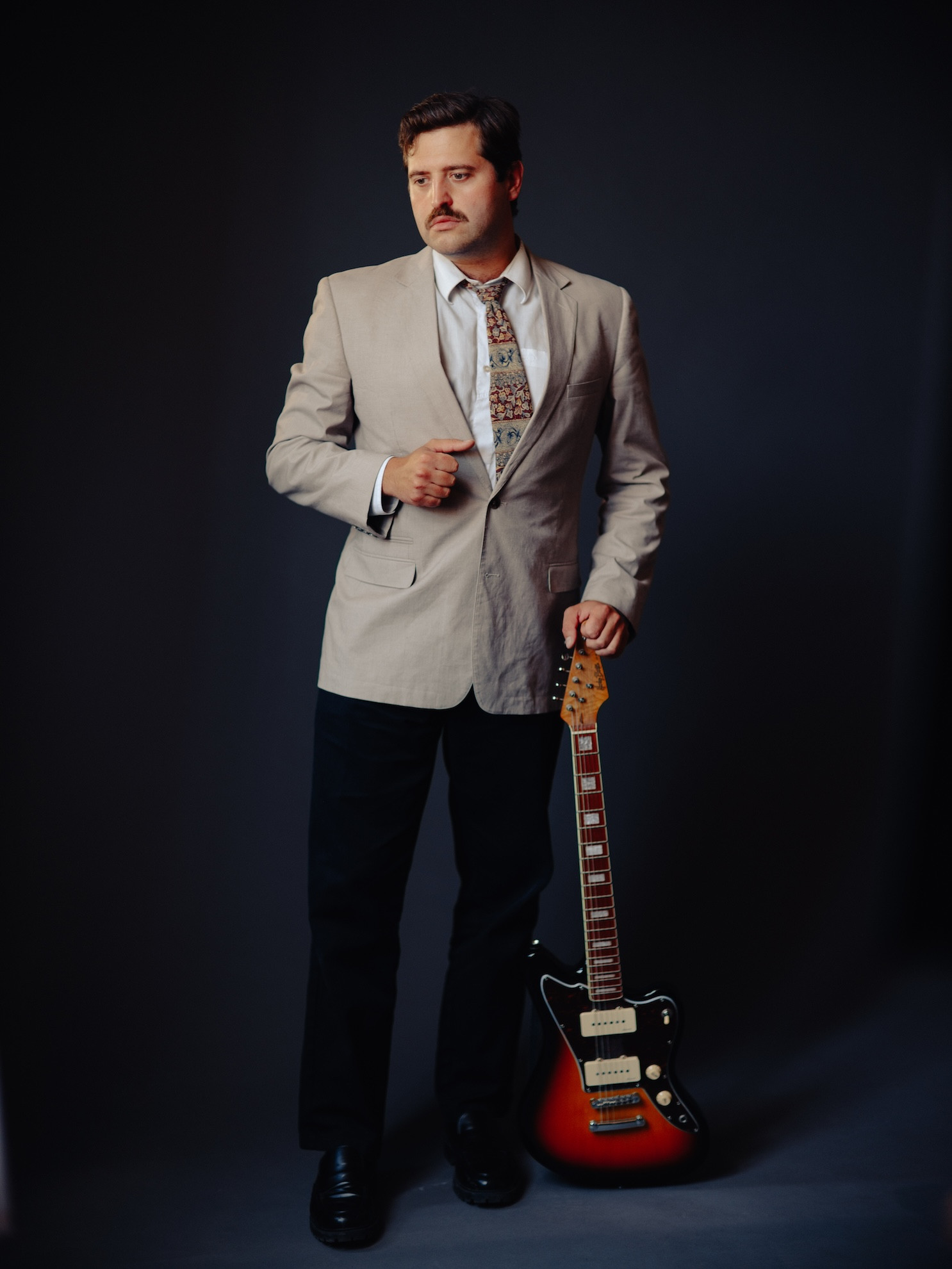
Gellért Szabó is a composer, conductor and performer based in Leipzig, Germany. His work combines contemporary composition with influences from free improvisation, noise and the expressive richness of the late nineteenth century. He is the founder and artistic director of the 23-piece Ideal Orchestra, an ensemble dedicated to large-scale experimental music of sweeping emotional intensity. Alongside this work, Szabó performs internationally with his solo project Radical Radio Show, exploring symphonic textures and immersive sound worlds through a single electric guitar and live electronics. His music is driven by a search for intensity, vulnerability and uncompromising emotional expression.

© Christoffer Askman

From the Culture Yard in Helsingør, ships glide past Kronborg Castle through the narrow waters of the Øresund – a reminder of the trade routes that, for centuries, have carried goods, people and power between the Nordic region and the wider world. It is an apt point of departure for the Passage Festival, and for Marie Dahl's vocal work Silk. Sugar. Sand, which explores the intertwined histories of three materials.

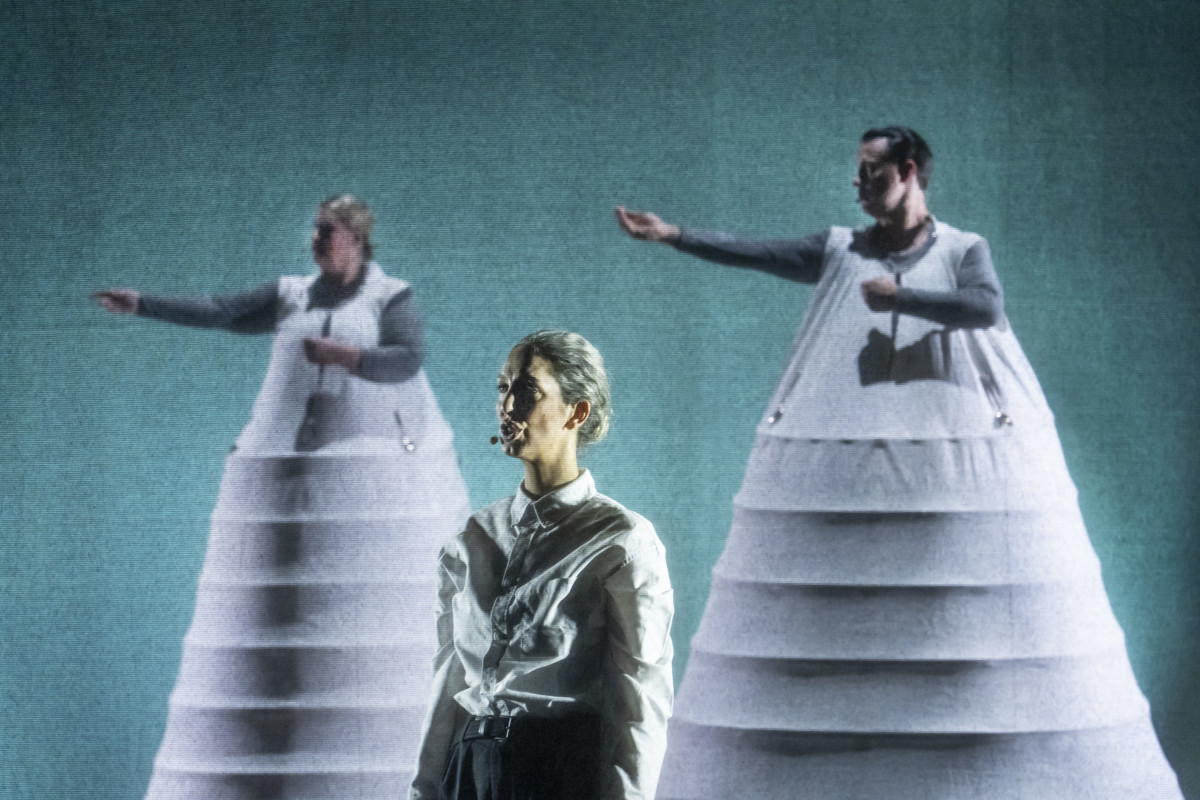
Silk. Sugar. Sand is a vocal performance in three acts tracing the historical journeys of these materials through colonialism, the global economy and geopolitics. Five singers from Ars Nova Copenhagen perform within a minimalist scenography consisting almost entirely of coloured light and three sets of costumes that transform throughout the performance: first silk dresses, then crinoline-like structures evoking sugar loaves, and finally grey stone-like forms suggesting accumulations of sand.

The work's central device is to translate the physical properties of these materials into vocal expression. At one moment, the elasticity of silk becomes soft, flowing polyphony; at the next, a cocoon-like electronic crackle. Sugar's crystalline structure is rendered as sharp vocal attacks – brief, whip-like cracks – as well as sweet, intimate whispers, while sand creaks and rustles, resonating with a libretto about economy and domination, violence and desire.

The performance has no conventional narrative, and the five singers portray no distinct characters, moving somewhat stiffly across the stage, as performers often do when their primary focus is on the voice. Comparisons with Hotel Pro Forma's Flammenwerfer are difficult to avoid. There, the production's rigorous aesthetic was counterbalanced by C.F. Hill's wildly expressive visual universe and Blixa Bargeld's deeply vulnerable stage presence. Those qualities are missing from Marie Dahl's carefully controlled staging, which could have benefited from more of the sensitivity and chaos that also form part of Kirsten Dehlholm's artistic legacy.

© PR

»To us, music is a primal, elemental force that allows us to shed our inhibitions.«

Leizure is a Copenhagen-based quintet operating at the intersection of post-punk, no wave, and experimental rock. The band’s sound is characterized by atonal vocals, piercing saxophone, hypnotic guitar riffs, and a rhythmic foundation that oscillates between tight precision and raw intensity. 

The band’s upcoming album, The Guillotine, explores themes such as societal decay, upheaval, and the challenging of established structures – all conveyed through a direct and high-energy musical style.

© Robin Skjoldborg
© Robin Skjoldborg

Danish musician, author, and artist Martin Hall has died at the age of 63. According to his family, he passed away from a heart attack at his home in Frederiksberg on Tuesday, 21 July.

Since the early 1980s, Hall left an indelible mark on Danish music and cultural life – first with Ballet Mécanique and Under For, and later through an extensive solo career that moved effortlessly between experimental music, electronic pop, poetry, performance, and literature. He leaves behind one of the most substantial discographies and bibliographies in Danish cultural history.