I morgen i Reykjavik uddeles Nordisk Råds Musikpris, der samtidig kan holde 50 års jubilæum. Prisen uddeles sammen med Nordisk Råds priser i børne- og ungdomslitteratur, litteratur, musik, film, samt natur og miljø i Kulturhuset Harpa i Reykjavik.

Prisen blev uddelt første gang i 1965, i første omgang kun hvert tredje og siden hvert andet år. Siden 1990 er prisen, der desuden kommer med en check på 350.000 kr., blevet uddelt årligt. Hvert andet år gives prisen til et værk af en nulevende komponist, og hvert andet år går prisen til en solist eller et ensemble. Tidligere er prisen gået til danskere som Per Nørgård, Pelle Gudmundsen-Holmgreen, Niels-Henning Ørsted Pedersen, Palle Mikkelborg, og sidste år var det komponisten Simon Steen-Andersen, der løb med prisen for værket ”Black Box Music”.

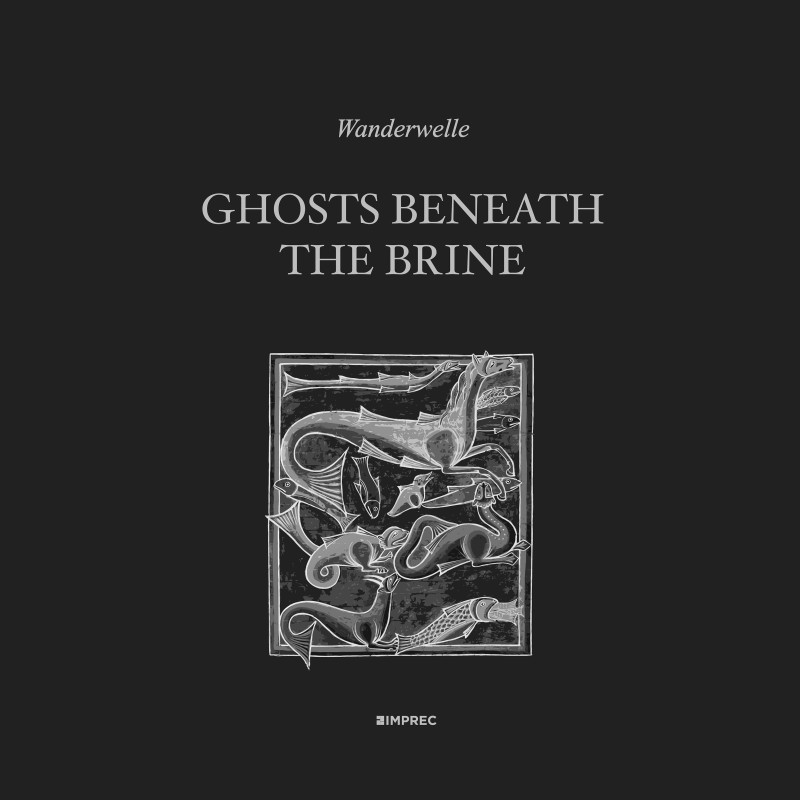
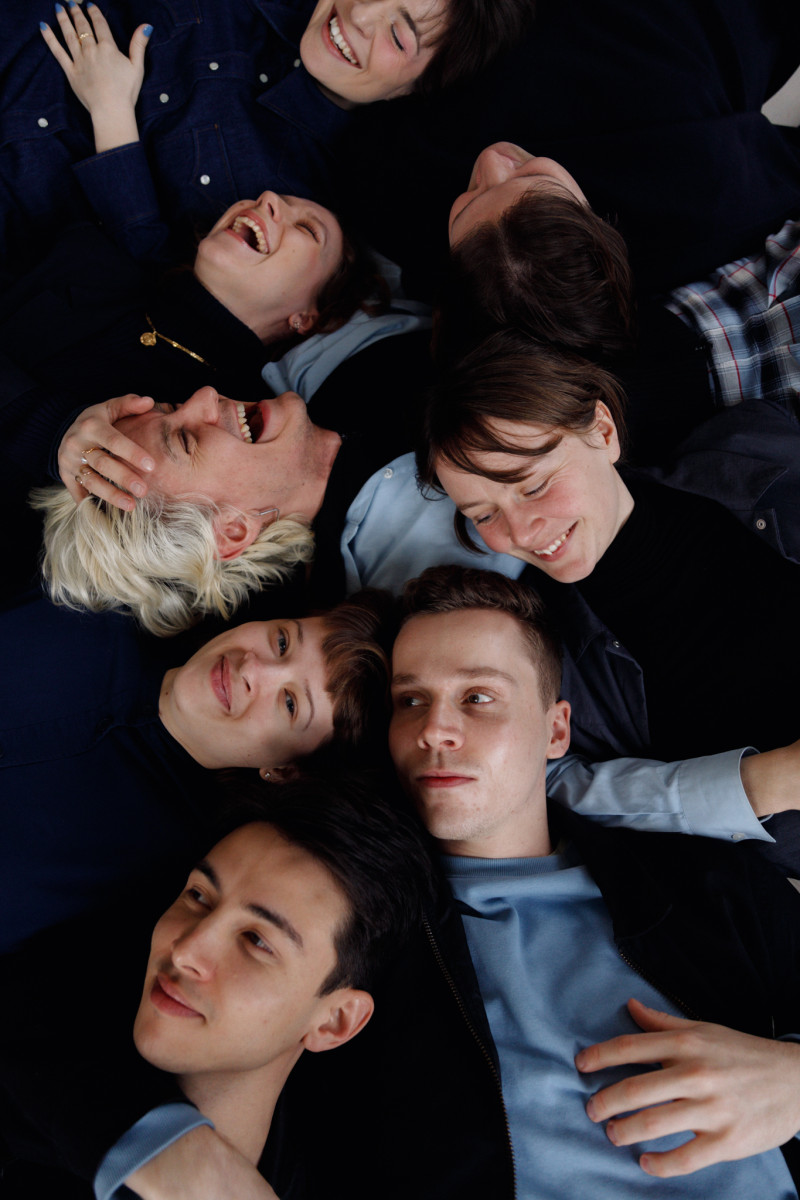
Blandt de nominerede i år finder man den norske mezzosopran Tora Augestad, det islandske kammerorkester Kammersveit Reykjavíkur, den svenske bassist og cellist Svante Henryson, den finske akkordeonist Kimmo Pohjonen og den færøske doom metal-gruppe Hamferð.

Blandt de to danske nomineringer finder man - som det også var tilfældet i 1997 - den klassiske blokfløjtespiller Michala Petri. Læs mere om Petris vej mod Nordisk Råds Musikpris i Sune Anderbergs dugfriske anmeldelse af hendes seneste to udgivelser.

Den anden danske nominering er faldet på den elektroniske musiker HVAD. Bag navnet gemmer sig 31-årige Hari Shankar Kishore, der gennem det seneste tiår har tittet frem fra den københavnske undergrund under forskellige aliasser som DJ HVAD eller Kid Kishore eller som en del af samarbejderne Faderhuset eller Albertslund Terrorkorps, der i en slags hyldest til Rotterdam Terror Corps har indoptaget den hollandske 90’er-gabber-techno i sin lyd side om side med indiske bhangra beats, rituelle tempelklokker, alverdens glitch-lyde og hyppige vokalsamples af ord som ”perker” og ”hvad?”.

Kishore er heller ikke bleg for at køre den danske kulturarv gennem sin situationistiske dekonstruktionsmaskine af nydanskerslang og ”perker tech”, som det er blevet døbt. Hans tidlige dj-sæt indeholdt ofte brudstykker af John Mogensens ”Danmarks jord for de danske” (oprindeligt en EF-kritisk sang) og Kim Larsen, der pludselig med mussestemme sang "de kylede gas mellem hinduerne" indover helt knækkede beats og guitarfigurer fra ”Midt om natten”.

I 2007 lånte han navnet Trentemøller fra den på det tidspunkt måske mest efterspurgte danske dj, Anders Trentemøller, og fik via det sociale medie MySpace tilbudt dj-jobs i både Berlin og Rungsted, hvor man altså troede, man havde booket hitliste-housemusik.

Til daglig holder Kishore til på Kommunal Dubplate Service på Nørrebro i København, hvorfra han driver pladeselskabet Syg Nok Records og med kommunal støtte servicerer lokalbefolkningen med muligheden for at få produceret vinylplader på studiets nærmest antikke pladeskærer. Indtil videre har maskinen spyttet plader ud med Kishores egne projekter samt andre musikalske hackere som Teppop, Goodiepal eller Nørrebro-rapperen Kidd.

Og snart vil det altså vise sig, om Kishore også er vinder af Nordisk Råds Musikpris på 50-årsdagen. Den uddeles i morgen i Kulturhuset Harpa i Reykjavik. Læs mere om de nominerede og om prisen på dens officielle hjemmeside.


in brieflive
29.10

Islands Of Sound Rising From the Sea

Athelas Sinfonietta: »Nordic Sounds«
© Kasper Vindeløv
© Kasper Vindeløv

Veroníque Vaka’s ongoing project to pin some of earth’s most momentous geological processes down in notated music is proving beguiling. The latest fruit was premiered on Saturday at Nordatlantens Brygge. Eyland (»Island«) was inspired by the formation of the island of Surtsey, which appeared 33km of Iceland’s coast on 14 November 1963 following a volcanic eruption.

Much of the Canadian-Icelandic composer’s work charts decline; its musical movement tracing harvested data around ecological destruction and decay. Eyland is about creation, and Vaka seemed to revel in the wonder and grandeur of it. The 15-strong Athelas Sinfonietta sounded with the sweep of a symphony orchestra under Bjarni Frímann and Jónas Ásgeir Ásgeirsson’s solo accordion like the emergent island itself, edging up from the spray with magnificent, slow force.

Some of the other five pieces in this concert focusing on music of the North Atlantic could feel like a ritualistic preparation for Vaka’s – a testament to the composers’ focus more than their lack of weight. Around the clear long lines of Eli Tausen a Láva’s Álvan are distinctive North Atlantic sparkle and harmonic depth; Daníel Bjarnason’s Skelja is a miniature sonic romance between harp and percussion and Friðrik Margrétar-Guðmundsson's Fikta a smudged chorale, played with shamanistic intensity by Ásgeirsson. Anna Thorvaldsdottir’s Entropic Arrows focused the mind with its threading of long string tendrils from out of frantic wind and percussion action.  

The other premiere was Aya Yoshida’s Song of the Voice – a non-vocal echo of the Faroese song tradition for cello and ensemble in which, at one point, you hear a chain-dance ratcheting round. The work is not without some imagination and effectiveness, but it was made to sound incoherent and unfocused by what surrounded it here. 

in brieflive
29.10

What Do the Mad Want With an Opera House?

OperaHole: »screen (mad scenes)«
© PR
© PR

Denmark is lacking opera houses, a recent call in Politiken declared. And indeed: with only a single major, rather conservative opera house, we don’t quite make our mark on the grand stage. On the other hand, we can boast a flourishing opera life on the stages outside the established institutions. And with the Copenhagen music collective OperaHole, a new player has now entered the field.

Last week, the two singers and artistic directors Litha Ashforth and Daniel Rosenberg, both raised in the United States, presented OperaHole’s first production: a kind of surprise egg consisting of Rosenberg’s own character study recursion for two actors, the mad scene from Donizetti’s Lucia di Lammermoor, and Peter Maxwell Davies’ 8 Songs for a Mad King – all three performed in one continuous flow in a white commercial film studio.

What was interesting, of course, was the juxtaposition of a short play, a classical scene, and one of the most abrasive monodramas of the last 60 years. The thematic common denominator was madness: Rosenberg, a so-called spieltenor with a wide range and comic talent, first skewered devilish variations of latte-drinking Copenhageners in his play, before coloratura soprano Ashforth slipped in wearing a white chemise soaked in blood and sang Donizetti with nimble desperation and a soft sweetness, accompanied by flute and piano.

Finally came the monodrama with Rosenberg as the mad king, staged as a social-media workshop in which the performance was commented on in a livestream (LeaHan1997: »Not this again«!) and screenshots were pasted together into memes in real time. It was spirited – musically as well – but insular, and the work itself disappeared in the process.

Once the collective’s youthful enthusiasm for new media has settled, OperaHole nevertheless looks like a strong contender to carry on our tradition of playful underground opera.

English translation: Andreo Michaelo Mielczarek

in briefrelease
24.10

JASSS Tears the Cellophane Off Electronic Music

JASSS: »Eager Buyers«
© PR
© PR

The sound of Eager Buyers is as intense as crackling cellophane – and just as revealing. It’s as if all musical labels have been stripped away, leaving behind a raw, unfiltered sonic world where genres dissolve and everything becomes possible. The Berlin-based Spanish producer JASSS forges her sound in a punkish alloy of electronic music, industrial, EDM, and rock-inspired guitar riffs.

Her third album is a rebellion against conformity and expectation. To label JASSS is nearly impossible – unless the label is cool. In the complex rhythmic compositions, where traces of bitcrush are balanced by melancholic harmonies and subtle hints of medieval-core on the track »Sand Wrists«, we enter a universe that is at once nostalgic and adventurous – and at the same time simmering with the energy of Berlin’s nightlife.

Eager Buyers is magnetic – even for listeners who don’t normally inhabit the electronic realm. The album carries a clear narrative, driven by a dark, almost theatrical energy. JASSS turns toward a world she perceives as »malnourishing« – as she phrases it through song titles like »Hollow« and »The Mob Expects Malnutrition«. Yet the melodrama has a tinge of irony: there’s something disarmingly sarcastic about it all, as if Eager Buyers is ultimately about the disillusioned modern human.

JASSS rattles the cellophane of the musical packaging we usually call genres, reminding us that music, too, is a product to be sold and bought. Eager Buyers is an album that refuses to be wrapped up – and precisely for that reason, it’s worth buying.

English translation: Andreo Michaelo Mielczarek

»Music, to me, is true luxury and has always been an opening into a language without constricting categories, with room for both intimacy and impact. I don’t have a single tone in life, but I wish I did. When I work, music is a warm room I can barricade myself in, an ally that keeps me on track—not least in a time as destructive as the one we are in now. It can be a connection to difficult emotions, but also an excuse for a kitchen dance that makes me forget the world and myself. I actually constantly long for a new soundtrack (and more dancing), but if I’m completely honest, I’m also quite happy to take off the headphones and listen—not least to the non-human world’s differently calming compositions: all the other voices that we must include in the choir if there is to be human song and music in the future.«

C.Y. Frostholm (b. 1963) is a writer and visual artist who has published poetry and prose since 1985 and worked visually since 1991, including with photography, digital, and visual poetry. Together with composer Hans Sydow, he released the album Mellem stationerne back in 2000. Earlier this year, he took part in the exhibition Hybris! at Galleri Image in Aarhus, based on his latest book, Til den ven jeg aldrig har kendt (2023).

in brieflive
18.10

One Tone, Eight Breaths, and the Sound of Waiting

Elisa Kragerup, Louise Alenius, Vokalensemblet ÆTLA and others: »The Emperor of Portugalia«
© PR
© PR

Only one actor appears on stage in The Emperor of Portugalia – surrounded by eight singers. In Elisa Kragerup’s tightly choreographed staging, Louise Alenius’ a cappella composition becomes a physical experience where breath and movement merge into one. The acoustic soundscape interacts eerily quietly with the deafening, mechanical noises that arise when, for instance, beams of light are raised and lowered on stage. It feels as if the relentlessness of existence here briefly finds a sonic expression that captures Selma Lagerlöf’s intentions.

The sparse – or rather ascetic – soundscape, together with the humble peasant costumes, reflects the harsh, monotonous life of a Swedish village before the world turned modern. And the plot? A poor farmer worships his daughter, but when she leaves for Stockholm as a young woman and never returns, his years of yearning drive him, in a Don Quixote-like fashion, to believe himself emperor of the imaginary land of Portugalia, with his daughter naturally imagined as its ruler. The father’s longing borders on madness, while the daughter’s neglect or thoughtlessness ultimately turns against her: in a Godot-like manner, he waits and waits for her – just as she, after his drowning, waits for him, unable to find his body.

The piece is carried by an almost unbroken drone in the choir (produced through collective breathing) – a single sustained tone that, as an artistic device, illustrates how music in theatre can be so minimal that sound itself becomes the message, and the absence of a musical narrative becomes the point. »One tone played beautifully is enough,« Arvo Pärt once said. Except that here, the tone is sung – and in this work, his statement is affirmed in the most radical way: a maximal expression achieved through minimal means, realised with striking precision by Vokalensemblet ÆTLA.

English translation: Andreo Michaelo Mielczarek