I morgen i Reykjavik uddeles Nordisk Råds Musikpris, der samtidig kan holde 50 års jubilæum. Prisen uddeles sammen med Nordisk Råds priser i børne- og ungdomslitteratur, litteratur, musik, film, samt natur og miljø i Kulturhuset Harpa i Reykjavik.

Prisen blev uddelt første gang i 1965, i første omgang kun hvert tredje og siden hvert andet år. Siden 1990 er prisen, der desuden kommer med en check på 350.000 kr., blevet uddelt årligt. Hvert andet år gives prisen til et værk af en nulevende komponist, og hvert andet år går prisen til en solist eller et ensemble. Tidligere er prisen gået til danskere som Per Nørgård, Pelle Gudmundsen-Holmgreen, Niels-Henning Ørsted Pedersen, Palle Mikkelborg, og sidste år var det komponisten Simon Steen-Andersen, der løb med prisen for værket ”Black Box Music”.

Blandt de nominerede i år finder man den norske mezzosopran Tora Augestad, det islandske kammerorkester Kammersveit Reykjavíkur, den svenske bassist og cellist Svante Henryson, den finske akkordeonist Kimmo Pohjonen og den færøske doom metal-gruppe Hamferð.

Blandt de to danske nomineringer finder man - som det også var tilfældet i 1997 - den klassiske blokfløjtespiller Michala Petri. Læs mere om Petris vej mod Nordisk Råds Musikpris i Sune Anderbergs dugfriske anmeldelse af hendes seneste to udgivelser.

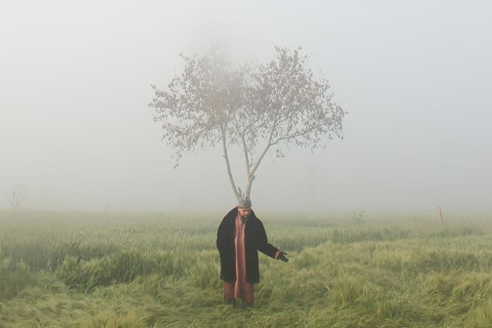
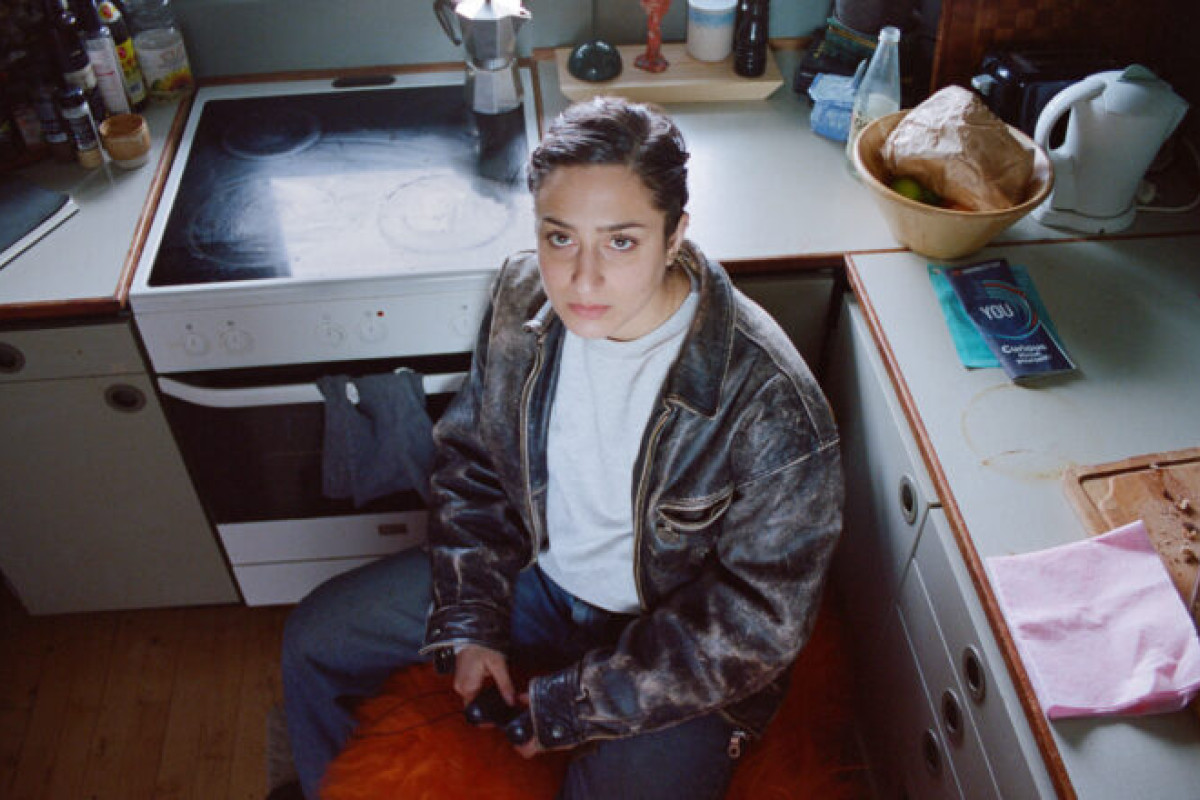
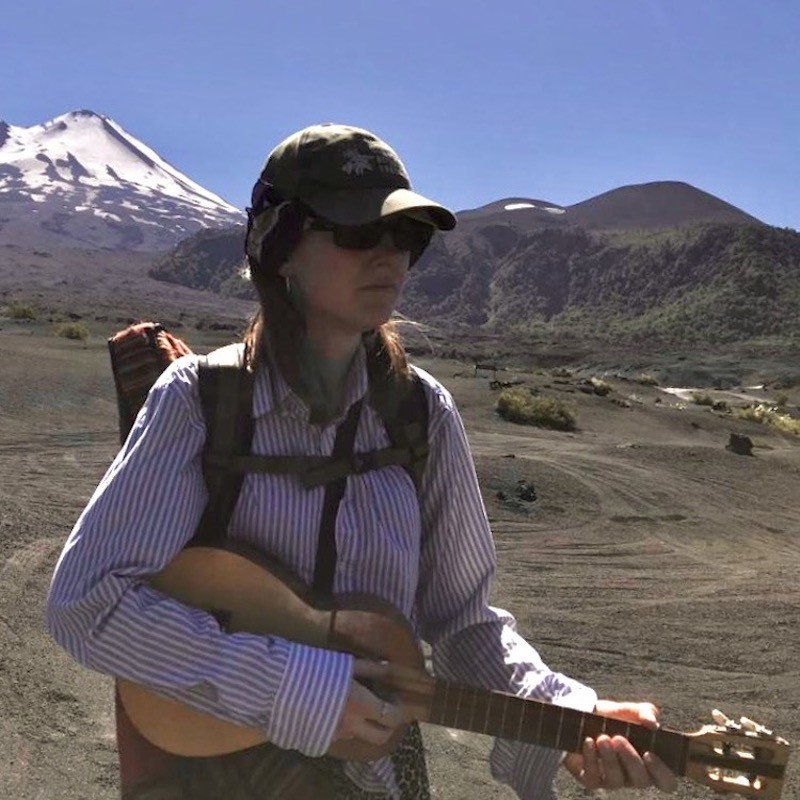
Den anden danske nominering er faldet på den elektroniske musiker HVAD. Bag navnet gemmer sig 31-årige Hari Shankar Kishore, der gennem det seneste tiår har tittet frem fra den københavnske undergrund under forskellige aliasser som DJ HVAD eller Kid Kishore eller som en del af samarbejderne Faderhuset eller Albertslund Terrorkorps, der i en slags hyldest til Rotterdam Terror Corps har indoptaget den hollandske 90’er-gabber-techno i sin lyd side om side med indiske bhangra beats, rituelle tempelklokker, alverdens glitch-lyde og hyppige vokalsamples af ord som ”perker” og ”hvad?”.

Kishore er heller ikke bleg for at køre den danske kulturarv gennem sin situationistiske dekonstruktionsmaskine af nydanskerslang og ”perker tech”, som det er blevet døbt. Hans tidlige dj-sæt indeholdt ofte brudstykker af John Mogensens ”Danmarks jord for de danske” (oprindeligt en EF-kritisk sang) og Kim Larsen, der pludselig med mussestemme sang "de kylede gas mellem hinduerne" indover helt knækkede beats og guitarfigurer fra ”Midt om natten”.

I 2007 lånte han navnet Trentemøller fra den på det tidspunkt måske mest efterspurgte danske dj, Anders Trentemøller, og fik via det sociale medie MySpace tilbudt dj-jobs i både Berlin og Rungsted, hvor man altså troede, man havde booket hitliste-housemusik.

Til daglig holder Kishore til på Kommunal Dubplate Service på Nørrebro i København, hvorfra han driver pladeselskabet Syg Nok Records og med kommunal støtte servicerer lokalbefolkningen med muligheden for at få produceret vinylplader på studiets nærmest antikke pladeskærer. Indtil videre har maskinen spyttet plader ud med Kishores egne projekter samt andre musikalske hackere som Teppop, Goodiepal eller Nørrebro-rapperen Kidd.

Og snart vil det altså vise sig, om Kishore også er vinder af Nordisk Råds Musikpris på 50-årsdagen. Den uddeles i morgen i Kulturhuset Harpa i Reykjavik. Læs mere om de nominerede og om prisen på dens officielle hjemmeside.

© Malthe Ivarsson

»Music is where my heart is. The place where I feel the most freedom and possibility to express myself. It's also the place I seek to when I need to calm down.«

Anna Roemer is a Danish guitarist and composer from South Zealand, now based in Copenhagen. She has performed with artists like Hannah Schneider, Jacob Bellens, and Guldimund. Together with saxophonist Cecilie Strange, she forms the acclaimed duo K A L E II D O, known for music that constantly evolves. The duo has received national and international praise and won the Carl Prize for »Jazz Composer of the Year« for their albums Elements and Places (2024).

in brieflive
02.06

Not the Royal Rock Star We Might Have Wished For

David M. A. P. Palmquist: »King Frederik X’s Honour March«
© Kongehuset
© Kongehuset

Surely, I can’t be the only one who nearly choked on my oyster on New Year’s Eve, when King Frederik X delivered his first New Year’s speech. What a modern take on the old tradition! Instead of sitting solemnly at a desk, he calmly walked into the room – a room demanding attention, where a futuristic mural stole the show. I could barely focus on the speech itself, distracted by the psychedelic imagery behind him: a visual nod to Yellow Submarine by The Beatles. Was this a sign of a rock star ascending the throne?

Wishful thinking, as it turned out. The speech turned into a parade of predictable platitudes. The same can be said about the King’s new Honour March, composed by David M. A. P. Palmquist, former conductor of the Royal Danish Life Guards Music Corps. A traditional and sluggish piece that plays it entirely by the book.

Since H.C. Lumbye gifted a march to Frederik VII in 1861, it has been a tradition for members of the royal family to be granted personal marches. Take the lively and self-ironic Parade March for Queen Margrethe, which includes quotes from both »I Danmark er jeg født« and »Daisy Bell«. Or Crown Prince Frederik’s brisk and quirky Honour March in 6/8 time – written by Fuzzy for the now-King’s 30th birthday – tipping its hat to Carl Nielsen’s »Som en rejselysten flåde«.

But where is the personal character in Palmquist’s march? The composer approaches the task far too conceptually, attempting to give the piece a musical signature with a kind of rebus at the beginning. The first note is an F, followed by one ten steps higher – thus spelling »Frederik the 10th« in musical code. The many references to other military music are just as internal. What’s missing is something that breaks with protocol – just like King Frederik himself has done in his most memorable and beloved moments. In the end, it sounds like a march that has forgotten who it was written for.

English translation: Andreo Michaelo Mielczarek. Proofreading: Seb Doubinsky

© Clement Beauvais

»Music exploration and creation is not limited to notes, timbres and traditional structures, but extends to everything that shapes the listening experience.«

Alexandre Bazin is a French musician, and documentary producer, active in the experimental music scene at the fringes of GRM. His music is published by Important Records, Umor Rex Records, and Constructive. Bazin began his musical journey early, first studying classical piano at the conservatory before exploring jazz and electroacoustic music. The study of other musical languages has opened new perspectives and led him to rethink music beyond its traditional structures. He discovered a world where sound becomes raw material, and where production plays an essential part. This exploration revealed to him that music creation transcends notes and timbres, encompassing all elements that shape the listening experience, with sound engineering playing a pivotal function in this process. Bazin produces monthly documentaries for Radio France and GRM (Groupe de Recherches Musicales), chronicling the history of the experimental scene from its origins to the present.


in brieflive
27.05

When Orpheus Turns His Head

O Future: »Enter Afterlife«
© PR
© PR

Thorvaldsens Museum is a fitting place to unfold a narrative about the soul’s journey to the underworld. Not only are the halls filled with depictions of Greek mythology, the museum itself is a kind of mausoleum, with Bertel Thorvaldsen’s grave situated at the heart of an inner courtyard. Everything should align perfectly when the multimedia duo O Future stages the descent into Hades through sound and animated video projections. But it doesn’t.

Through eight rooms and five sound works, we move from the banks of the River Styx, through the underworld, and finally to Elysium, where the blissful afterlife awaits. Along the way, we are confronted with judgment, choice, and struggle – existential themes played out on the grandest scale. The electronic soundscape, delivered through headphones, begins with a simmering, oppressive digital lament and accelerates through the rooms to a heavy electronic beat layered with symphonic undertones. We hear jazzy saxophones, looped synths, and white noise, before safely arriving in a spherical, almost sacred, digital choir.

There’s an intriguing theme in the collision between digital voices and the idea of death, but it is drowned out by the many loose ends of the exhibition. Why, for instance, is there no synchronicity between sound and visuals? Why are videos consistently projected onto sculptures that bear no relation to Greek mythology? And why the oddly synthetic color palette that evokes 1990s MTV more than it does the vast drama the story seeks to evoke? I hurriedly close my eyes and try to focus on the beat – but it’s too late. Orpheus has turned his head, and Eurydice is lost. So is this exhibition.

English translation: Andreo Michaelo Mielczarek

in brieflive
24.05

The Electronic Altar

 Fascia, Soli City, Nagaver
© PR
© PR

The table is a practical prop at most electronic music concerts. It has almost become a symbol of how electronic music is denied the same expressive, physical gestural language as acoustic music. This rigid symbolism was thankfully broken when the concert network Up Node hosted a showcase evening at Alice, featuring three emerging experimental electronic artists from Norway, Sweden, and Denmark.

The MacBook stood enthroned like an altar as Swedish artist Fascia opened the evening, holding a blinking flashlight above her head – each flash triggering brutal bursts of noise. When she placed a webcam in her mouth and projected the table’s mysterious objects onto the screen behind her, the boundary between stage and audience dissolved through simple yet cunning technology.

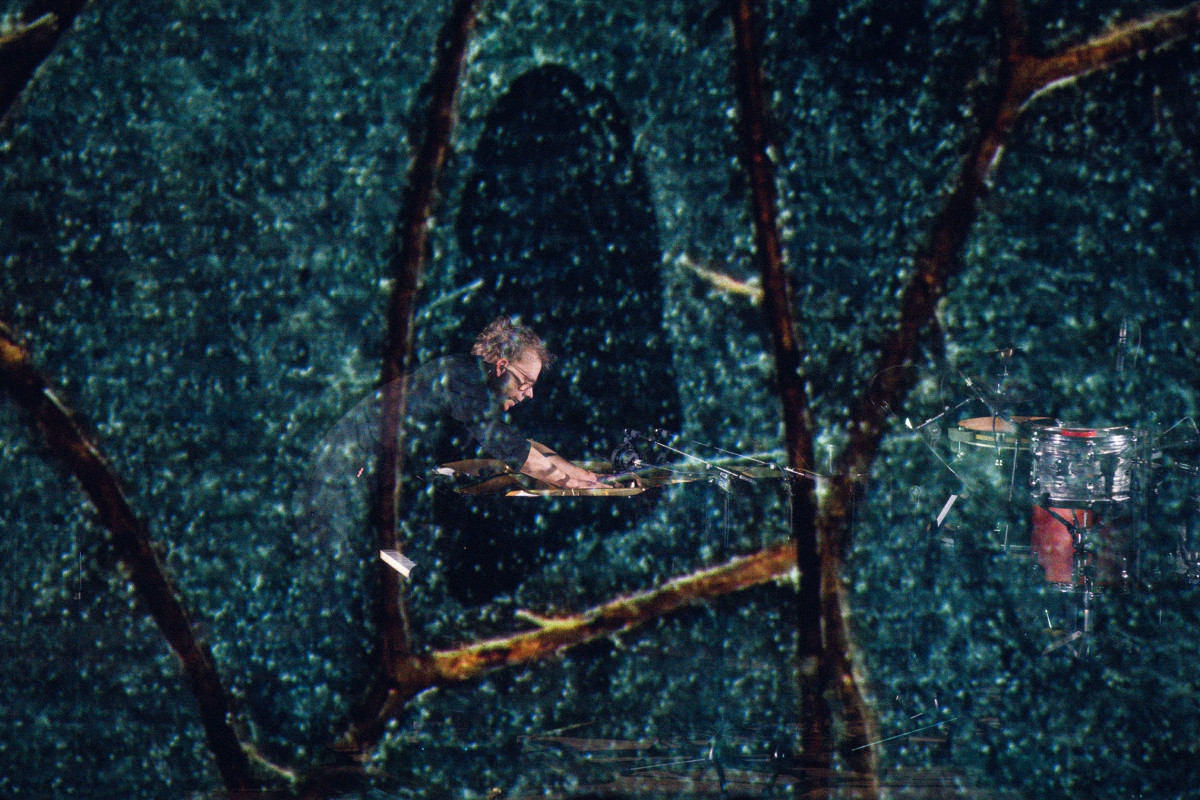
Next to his MIDI keyboard, Danish artist Soli City had his trademark moving-head lamp. Like a robotic head, the lamp lit up and rotated in sync with epic crescendos and computerized voices. Soli City’s music is built around field recordings and classical instrumentation – strings and piano – forming a universe that exposes the tension between human and technology. The animated lamp and dramatic light show took centre stage, while composer Harald Bjørn stood like a hidden puppeteer, gently guiding the futuristic narrative forward.

The table in front of Norwegian artist Nagaver had been laid flat on the stage floor, forming a low wall. Behind it knelt Ilavenil Vasuky Jayapalan, who unleashed hard-hitting, dark rhythms from a DJ mixer, enveloping Alice in a transcendent haze. The concert evolved from driving trance into a kind of karaoke performance, with Jayapalan singing over dusty tracks—and unfortunately the music felt more like a run-through than a fully realized concert.

Behind the table lie untapped potentials for auditory innovation, but practical constraints often limit performative expression. The concerts by Fascia and Soli City succeeded in breaking the boundary between mere execution and true performance, reminding us that not all music needs to be presented with the same gestures – and that sometimes all it takes is a webcam and a laser lamp to make that clear.