I morgen i Reykjavik uddeles Nordisk Råds Musikpris, der samtidig kan holde 50 års jubilæum. Prisen uddeles sammen med Nordisk Råds priser i børne- og ungdomslitteratur, litteratur, musik, film, samt natur og miljø i Kulturhuset Harpa i Reykjavik.

Prisen blev uddelt første gang i 1965, i første omgang kun hvert tredje og siden hvert andet år. Siden 1990 er prisen, der desuden kommer med en check på 350.000 kr., blevet uddelt årligt. Hvert andet år gives prisen til et værk af en nulevende komponist, og hvert andet år går prisen til en solist eller et ensemble. Tidligere er prisen gået til danskere som Per Nørgård, Pelle Gudmundsen-Holmgreen, Niels-Henning Ørsted Pedersen, Palle Mikkelborg, og sidste år var det komponisten Simon Steen-Andersen, der løb med prisen for værket ”Black Box Music”.

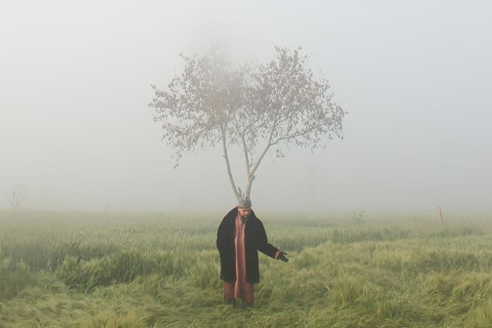
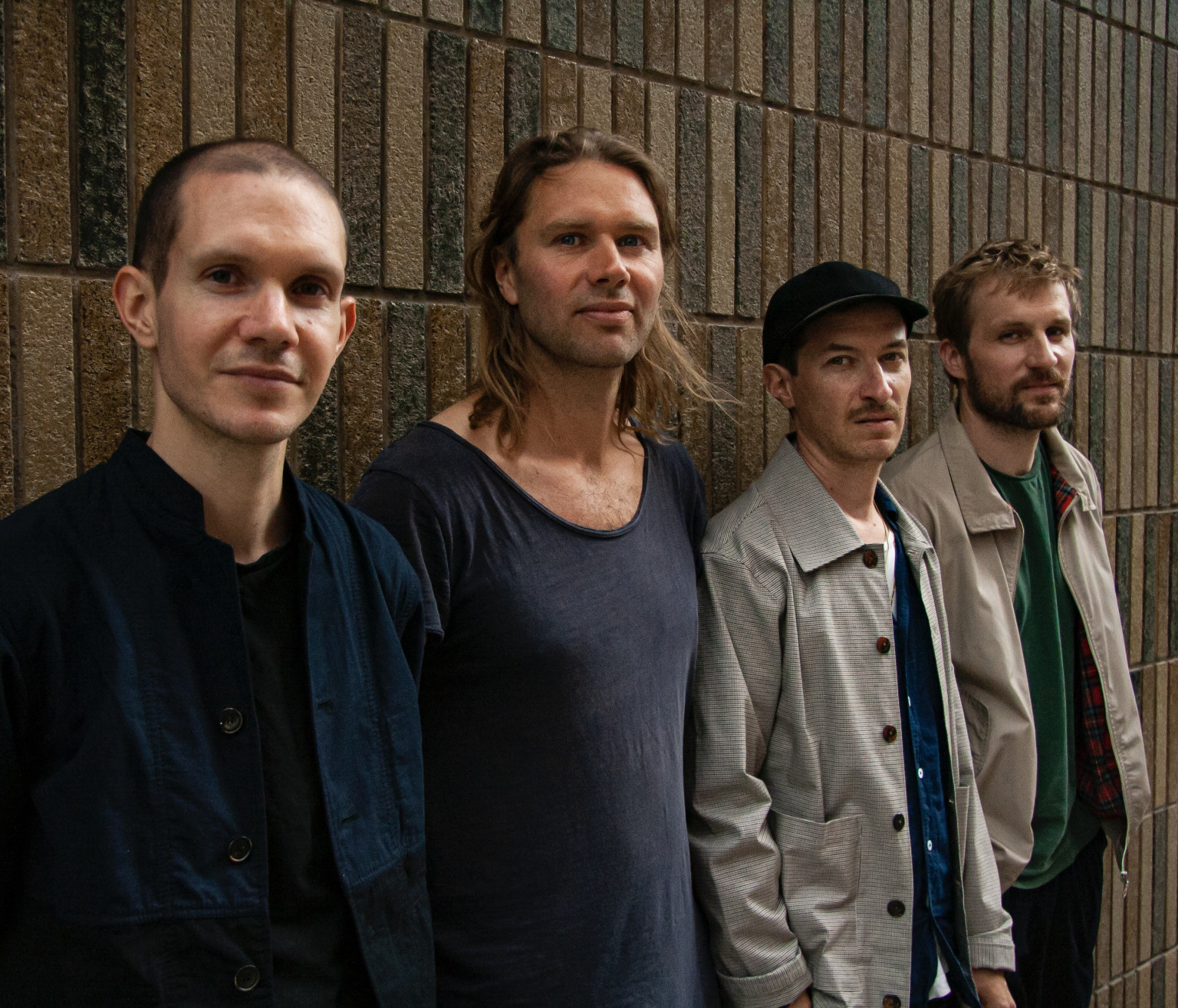
Blandt de nominerede i år finder man den norske mezzosopran Tora Augestad, det islandske kammerorkester Kammersveit Reykjavíkur, den svenske bassist og cellist Svante Henryson, den finske akkordeonist Kimmo Pohjonen og den færøske doom metal-gruppe Hamferð.

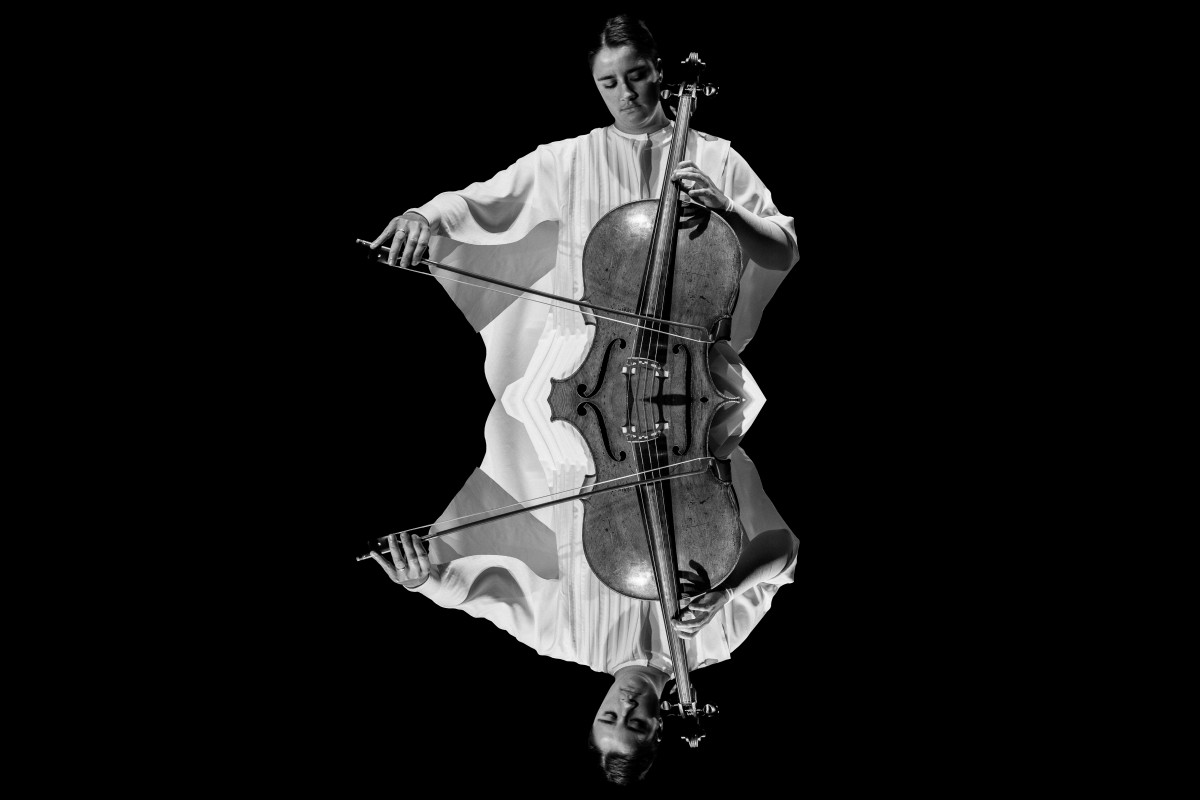
Blandt de to danske nomineringer finder man - som det også var tilfældet i 1997 - den klassiske blokfløjtespiller Michala Petri. Læs mere om Petris vej mod Nordisk Råds Musikpris i Sune Anderbergs dugfriske anmeldelse af hendes seneste to udgivelser.

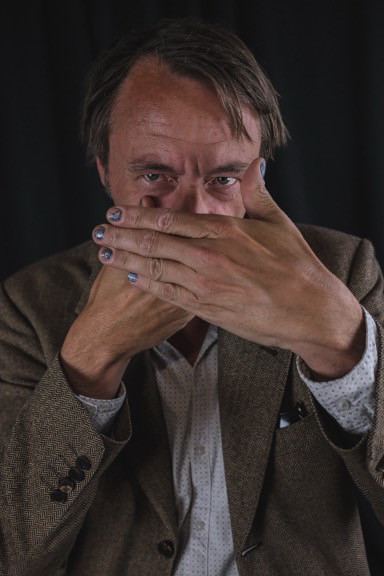
Den anden danske nominering er faldet på den elektroniske musiker HVAD. Bag navnet gemmer sig 31-årige Hari Shankar Kishore, der gennem det seneste tiår har tittet frem fra den københavnske undergrund under forskellige aliasser som DJ HVAD eller Kid Kishore eller som en del af samarbejderne Faderhuset eller Albertslund Terrorkorps, der i en slags hyldest til Rotterdam Terror Corps har indoptaget den hollandske 90’er-gabber-techno i sin lyd side om side med indiske bhangra beats, rituelle tempelklokker, alverdens glitch-lyde og hyppige vokalsamples af ord som ”perker” og ”hvad?”.

Kishore er heller ikke bleg for at køre den danske kulturarv gennem sin situationistiske dekonstruktionsmaskine af nydanskerslang og ”perker tech”, som det er blevet døbt. Hans tidlige dj-sæt indeholdt ofte brudstykker af John Mogensens ”Danmarks jord for de danske” (oprindeligt en EF-kritisk sang) og Kim Larsen, der pludselig med mussestemme sang "de kylede gas mellem hinduerne" indover helt knækkede beats og guitarfigurer fra ”Midt om natten”.

I 2007 lånte han navnet Trentemøller fra den på det tidspunkt måske mest efterspurgte danske dj, Anders Trentemøller, og fik via det sociale medie MySpace tilbudt dj-jobs i både Berlin og Rungsted, hvor man altså troede, man havde booket hitliste-housemusik.

Til daglig holder Kishore til på Kommunal Dubplate Service på Nørrebro i København, hvorfra han driver pladeselskabet Syg Nok Records og med kommunal støtte servicerer lokalbefolkningen med muligheden for at få produceret vinylplader på studiets nærmest antikke pladeskærer. Indtil videre har maskinen spyttet plader ud med Kishores egne projekter samt andre musikalske hackere som Teppop, Goodiepal eller Nørrebro-rapperen Kidd.

Og snart vil det altså vise sig, om Kishore også er vinder af Nordisk Råds Musikpris på 50-årsdagen. Den uddeles i morgen i Kulturhuset Harpa i Reykjavik. Læs mere om de nominerede og om prisen på dens officielle hjemmeside.
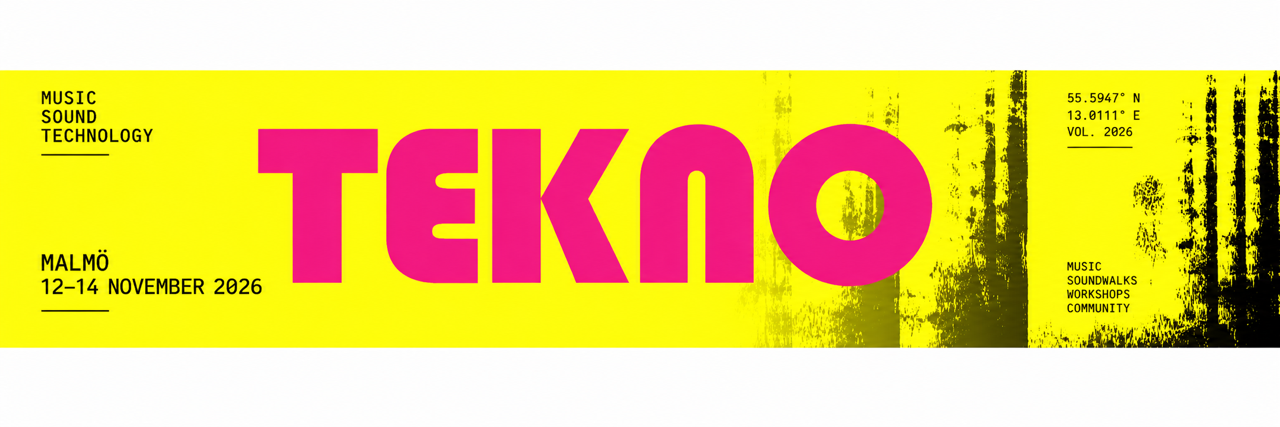

© Ellie Brown

»Music for me is: inevitable.« 

Ryong is a composer, artist & DJ that explores: Danish and Korean heritage, spirituality, embodiment, family and love, Ryong is also a member of the experimental pop band haloplus+. Across her releases, she draws on both ambient, noise and pop music, incorporating the sound of field recordings and spoken word. Having previously released on Why Be’s label Yegorka, and debuting on Posh Isolation with Isa Ryong, an 11 part work that explores transition and the anguish of complexity, Ryong has established herself as a unique artist in the experimental electronic music scene in Copenhagen.
 

in briefrelease
26.01.2025

She Makes the Music Vibrate Like a Living Organism

Astrid Sonne: »Great Doubt« 
© PR
© PR

When I first listened to the Danish violist, singer, and producer Astrid Sonne’s new album, Great Doubt, I honestly wasn’t quite sure what to make of it. I immediately noticed how extraordinary Sonne’s viola sounds on the album – such a powerful presence that it almost feels like a deeply complex living organism, breathing, feeling, and moving dramatically through the album’s nine songs.

My favourite track was without a doubt »Almost«, where Sonne’s fragile, subtly intense voice is accompanied solely by the viola’s minimalist pizzicato melody, which reminds me of a forgotten composition from Japanese new age pioneer Hiroshi Yoshimura’s masterpiece Green.

On most of the tracks, however, voice and viola are also joined by electronic rhythms, piano chords, and synth figures which, in contrast to the viola’s organic, vibrating sound, initially struck me as almost plastically artificial. To me, it sounded as if the viola and the electronics were being transmitted from two very different universes, unable to fully coexist. There was something about the contrast that felt slightly… uncanny.

Yet with repeated listens, everything begins to make sense. Sonne’s coolly understated voice is the glue that binds the entire soundscape together, as if it itself exists in the porous space between the viola’s raw natural force and the electronics’ tamed purity. I like it more and more – and perhaps I may even come to love it. Great Doubt is an album that, despite its modest running time of just 26 minutes, demands immersion and reflection – and ultimately rewards the listener for it.

in brief
08.01.2025

Love and Poetry under Black Streetlights

Jørgensen/Botes: »Dråberne 5, 7, 8 og 11«
Marina Botes og Steen Jørgensen. © Isak Hoffmeyer

While many still sigh at the thought of seeing a full Sort Sol once again illuminate the dark grey Danish sky, the band’s eternal crooner Steen Jørgensen, together with his equally strong other half, pianist Marina Botes, has created music that is something entirely different – something deeper. And yes, I have seen words like »pretentious« and »boring« hurled at the duo, but none of that sticks to their new release, which consists of a series of intimate suites where Jørgensen’s spoken word is woven together with Botes’ magnificent piano playing. If the ambition is to build a bridge between the classical and the electronic, it succeeds convincingly.

As a lyricist who moves through the same pitch-black landscape as Jørgensen, I tip my hat to the strong poetic imagery that characterizes Dråberne 5, 7, 8, and 11 – especially on the album’s longest track, the dramatic »Hul – Dråberne 7«. As Jørgensen muses on the luminous melancholy of the inner city, the music becomes a transformation, a sphere of change made of ambient surfaces, muted strings, and a female vocal that slips in like a shadow—until the song rises in dramatic momentum, centering on the line »En nat i indre kvarter«.

The music is primarily grounded in piano-heavy terrain, where Botes’ keys find repose in muted pedal strikes and light strings. Only in rare moments do the compositions break free, as on the opener »Glemsel – Dråberne 5«, where chamber orchestra and jazzy breakbeats create a compelling and almost cinematic atmosphere.

Dråberne 5, 7, 8, and 11 is a seductive, inspiring, and downright sumptuous experiment in which the love between the two artists can be felt in every tone. If this is Jørgensen’s career winter, I will gladly accept more dark, warm moments.

in briefrelease
16.12.2024

A Riddle I Am Not the Right One to Solve

Abdullah Miniawy: »Nigma Enigma«
© PR
© PR

I believe I am not the right person to grapple with all the existential questions of faith and culture that the multidisciplinary artist and political experimentalist Abdullah Miniawy grapples with on his latest album, Nigma Enigma. The record is equal parts Arabic chant, folk music, and sound art, based on modular synths and field recordings. The Egyptian composer uses the album’s eleven abstractions as the soundtrack to what he himself calls »an Arabic opera of doubt and faith«. But as a non-Arab, lifelong atheist, it is difficult for this reviewer to fully engage with the big questions Miniawy poses in his mother tongue, while samples of crackling fires and layers of filtering create an otherwise enigmatic atmosphere that resonates well with the album’s title. As the music also functions as the soundtrack to an immersive video game, we are taken even further from familiar territory, given that the reviewer has not touched such things since Quakein 1992.

If one sets aside the search for meaning and allows oneself to be colored by the music’s immediacy, what emerges is a strongly conceptual, sonically accomplished work, in which Miniawy’s voice – most often chanting Arabic phrases from old folk songs – is interwoven with electronic noise. In particular, the transition from the beautiful two-part chanting on »Jayhano Al Kawahi« – with strong religious undertones – to the deeply anarchic noise vignette »Half a Year II«, featuring filtered sine tones and pounding bursts of bass noise, serves as an apt characterization of a minimalist piece of sound art.

Yet without being able to share Miniawy’s cultural and spiritual context, the album feels like a riddle I cannot solve. Like drinking an Irish coffee without the whiskey: the real praise is withheld. Nigma Enigma will speak to those who can relate to the spiritual and philosophical questions Miniawy raises, while others may experience it as a musical journey without fully understanding its destination.

English translation: Andreo Michaelo Mielczarek

in brieflive
14.12.2024

The Dust Would Not Settle on the Organs

Organ Sound Art Festival: Mads Emil Dreyer, Gamut inc., Aron Dahl & Mija Milovic
© www.francoadams.com

These days, Organ Sound Art Festival is taking place in its familiar setting at KoncertKirken, and yesterday marked the festival’s second day. The concert opened with revivals of Mads Emil Dreyer’s Vidder 1 and 4, along with a newly composed interlude for pump organ, house organ, keys, and bass flute – all instruments amplified. In this way, Dreyer obscured the sources of the sounds and created a beautiful interplay between the acoustic, the amplified, and the played-back. Was it the flute or the organ I was hearing? And did the sound come from an instrument or a loudspeaker? The music bore the mark of drone music, with beautiful dissonances and a tonal development that occasionally peeked through. Enchanting and compelling.

In the next performance, the German duo Gamut inc. had fitted the church organ with two robots, allowing a computer to control the instrument. Unfortunately, I was left wondering whether the robots were properly calibrated, or whether the music had been composed for a church space with significantly more reverberation. In any case, it sounded »MIDI-dead« – a bit like a silly »piano roll« video of an obscure serial work.

The duo Aron Dahl & Mija Milovic concluded the evening with music whose tenderness and honesty might recall The xx – if the British indie rock group were playing on out-of-tune house organs. Still, the music became somewhat monotonous, and their setup appeared underutilized.

The slightly mixed experience of the evening’s program does not change the fact that Organ Sound Art Festival is an atmospheric and ambitious festival that dares to take chances when presenting us with new works for an instrument that many still associate with bygone days. This Copenhagen-based festival is anything but dusty.