»Music is hope, confusion, and memory talking with each other, leading us toward futures we haven't yet imagined.«
Patrick Becker is co-director of the Wolke Verlag publishing house and co-editor of the contemporary music magazine Positionen.







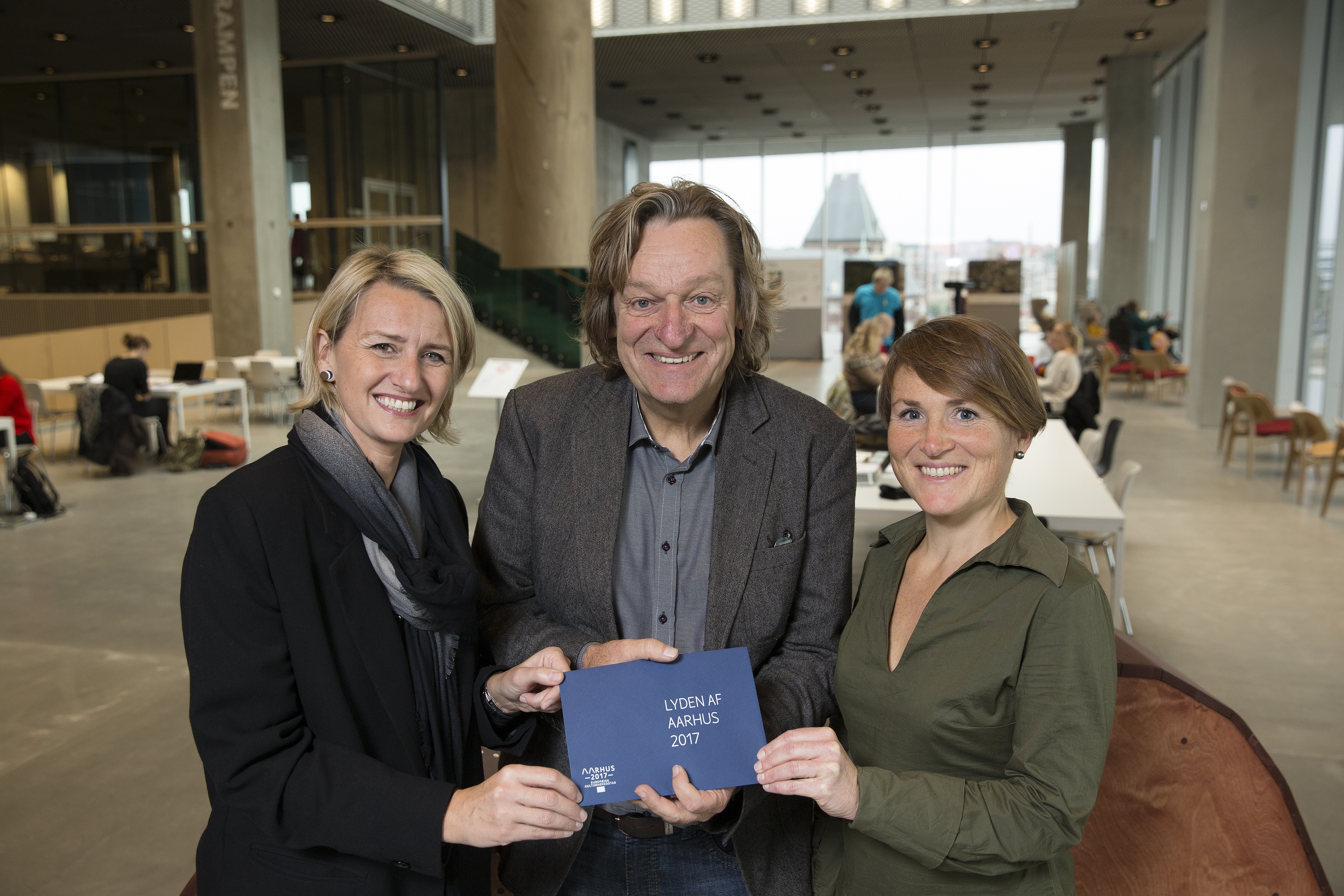
I 2017 er Aarhus som bekendt europæisk kulturhovedstad og sådan en skal naturligvis have lydkunst! Derfor blev der sidste år udskrevet en konkurrence, Lyden af Aarhus 2017. Blandt de 31 indsendte projekter fra hele verden har en fagjury udvalgt schweizeren Andres Bosshard med projektet Sonic Ark. Seismograf/DMT talte med Bosshard umiddelbart efter offentliggørelsen.
”Sonic Ark er et dramaturgisk koncept, der består at en række installationer, som flytter sig igennem det offentlige rum, og som helt bogstaveligt tager udgangspunkt i lyden af Aarhus”, fortæller Bosshard.
”Lydmæssigt sover Aarhus, men den er en sovende skønhed og jeg kan høre et stort potentiale i byens lyde, som bare trænger til at blive vækket. Jeg er ikke pessimist i forhold til byens støjende miljø. Med mine værker er jeg mere interesseret i at give bedre betingelser for kvaliteten i lytningen, for derigennem at kunne arbejde mod et bedre lydmiljø. Og her har Aarhus meget at byde på. Jeg har allerede været her to gange og gennem det næste år vil jeg i tæt samarbejde med byens borgere undersøge og lytte til forskellige steder i byen for at indsamle de lyde, som kommer til at indgå i værkerne. For eksempel arbejder et af værkerne med en kombination af mikroskopiske plantelyde, lyden af det århusianske sprog og den makroskopiske arkitektur i Botanisk Have. Her er borgerne vigtige det talte århusianske sprog er helt centralt.”
Der er klare lydøkologiske undertoner i projektet, men Bosshard mener ikke, at verden er ved at blive oversvømmet af dårlig lyd. Derimod mener han, at kan vi blive bedre til at lytte til de lyde, der allerede er her, og projekttitlens bibelske reference skal derfor heller ikke tages helt bogstaveligt.
”Jeg ser nærmere Arken som en metafor for at kunne lære at sætte pris på at sejle rundt, flyde ind og ud af eller drive gennem byens akustiske landskab. Det handler ikke så meget om, at vi skal beskyttes mod støjen, men jeg kunne godt tænke mig at folk kommer til at kende byen bedre, får lyst til at udforske dens lyde og måske endda kan lære at spille på den som et instrument,” forklarer han.
I sit arbejde sammenligner han også sig selv med en sømand, der er afhængig af vind og bølger for at kunne få skibet til at sejle – en tilgang der præger hans måde at interagere med lydmiljøet på.
”Hele byens lydbillede er på en måde med i værket og især lyden af menneskene i byen. På den måde handler det økologiske ikke kun om natur, men også om det sociale, om interaktion og kommunikation. Gennem øret kan vi opnå en betydelig større livskvalitet, og jeg håber at folk i Aarhus efter 2017 vil ’tro’ mere på deres egen lyd. Jeg er mest interesseret i at ændre bevidstheden om og stoltheden over hvilken lydkvalitet Aarhus har som by. Og jeg tror ikke der skal så meget til, for at vække den sovende skønhed”, slutter Andres Bosshard.
Det er Europæisk Kulturhovedstad Aarhus 2017 og de tre komponistforeninger Danske Jazz, Beat og Folkemusik Autorer (DJBFA), Dansk Komponist Forening (DKF) og Danske Populære Autorer (DPA), der har stået bag konkurrencen Lyden af Aarhus 2017. Foruden værkbestillingen, mortager Andres Bosshard en pris på 200.000 kr.
Andres Bosshard, f. 1955, bor og arbejder i Zürich i Schweiz. Han er uddannet kunstmaler, og begyndte tidligt at arbejde med eksperimenterende musik og teater. Han har udviklet roterende lydobjekter, interaktiv computermusik, programmer og lydinstallationer. Blandt andre “Sound Tower” ved Expo.02 ved Bieler-søen i Schweiz.
»Music is hope, confusion, and memory talking with each other, leading us toward futures we haven't yet imagined.«
Patrick Becker is co-director of the Wolke Verlag publishing house and co-editor of the contemporary music magazine Positionen.
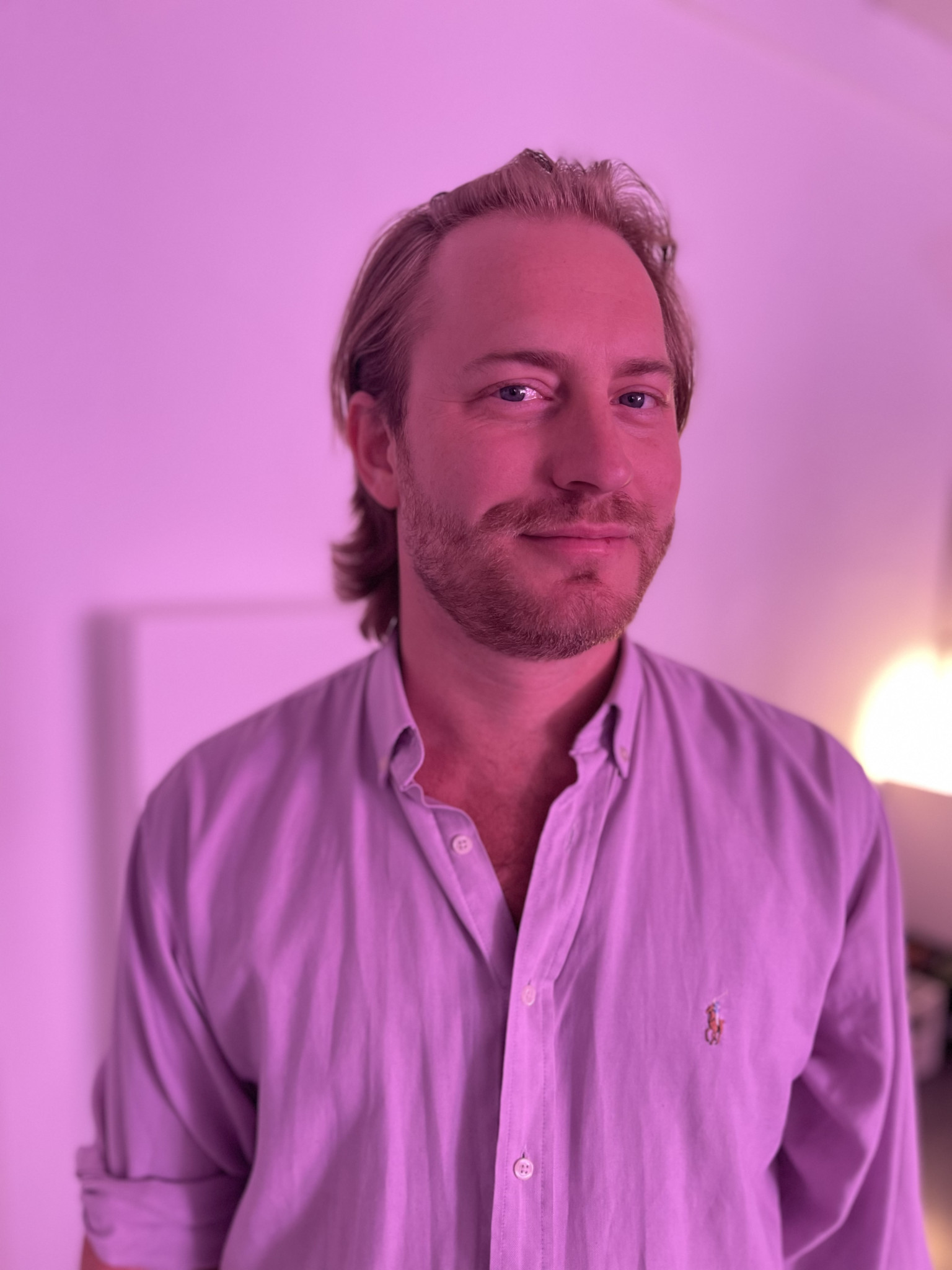
»A lot is projected onto music and making music – I'm careful, singing doesn't make you more intelligent and certainly doesn't make you a better person. It's like in sexuality. A lot of things go very consciously wrong for some people. Music like sex are means of communication, people come into contact and negotiate with each other and their instruments/tools and meet themselves in it. This is also the case when I listen to music – from every conceivable genre and context, even if I always notice that as a teenager I used to play a lot of jazz guitar.«
Bastian Zimmermann lives in Munich and works freelance in the areas of music and performance. As a dramaturge, he works with artists such as the soloist ensemble Kaleidoskop, Yael Ronen and Neo Hülcker. He is editor of the German speaking magazine Positionen – Texts on Current Music and curates projects such as »Music for Hotel Bars« and the festival Music Installations Nuremberg festival. His focus is on social aspects of making music, experimental music concepts and the questioning of bourgeois structures in contemporary music. In Spring 2025 he will take over the Wolke Verlag publishing house for books on music with Patrick Becker.
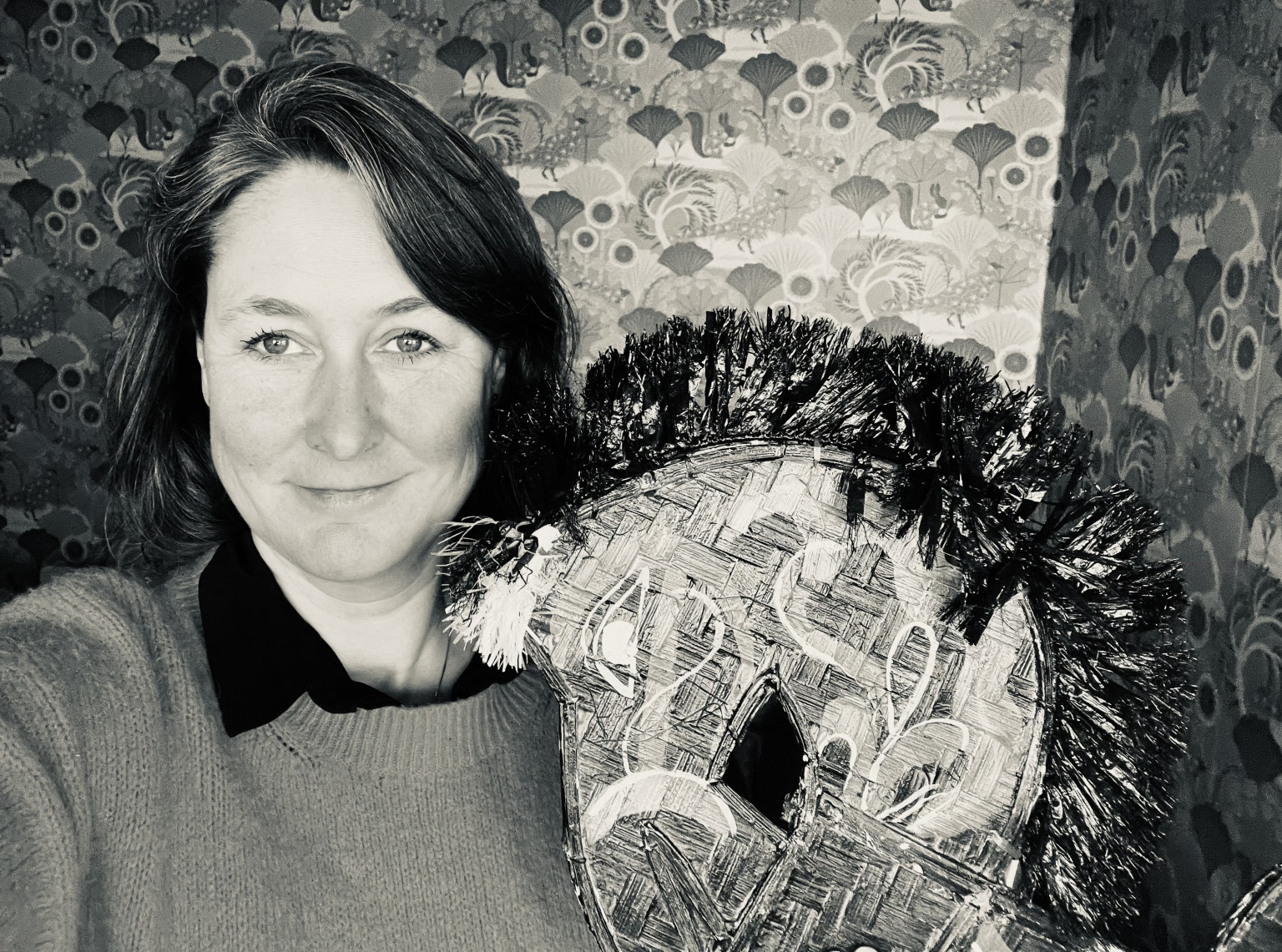
»Music to me is… my work. I've landed in the best job in the world, where a core task is to discover new music, to learn its internal logic and aesthetics, who created it, and why. I'm a music researcher and have just returned from the island of Java in Indonesia with my research partner and husband Nils, where we've been visiting experimental musicians in Yogyakarta – artists we've now followed for seven years.
One recurring theme is the trance/horse dance jathilan (or jaranan), which several of the artists have introduced us to. Jathilan is on one hand an old Javanese ritual, and on the other hand a contemporary (village) culture in full development. There is no single historically 'correct' jathilan. It's a practice that follows an old spiritual ritual, but is also open to current Indonesian influences.
The playlist consists of three tracks by Senyawa, Gabber Modus Operandi, and Raja Kirik, all of whom have incorporated the ritual into their music. The fourth track was supposed to be a 'traditional' jathilan, but as far as I know, no such recording exists on Spotify. Instead, I found a related jaranan piece that includes a dangdut song – an ultra-popular genre that is often performed as part of a jathilan event. The final track is one of the most popular dangdut songs at the moment.«
Sanne Krogh Groth is Associate Professor of Musicology at Lund University, Sweden, where she conducts research on electronic music and sound art, currently with a focus on Indonesia. Sanne was editor-in-chief of Seismograf from 2011–2019. In 2015, she established Seismograf Peer, which she is still the managing editor of.
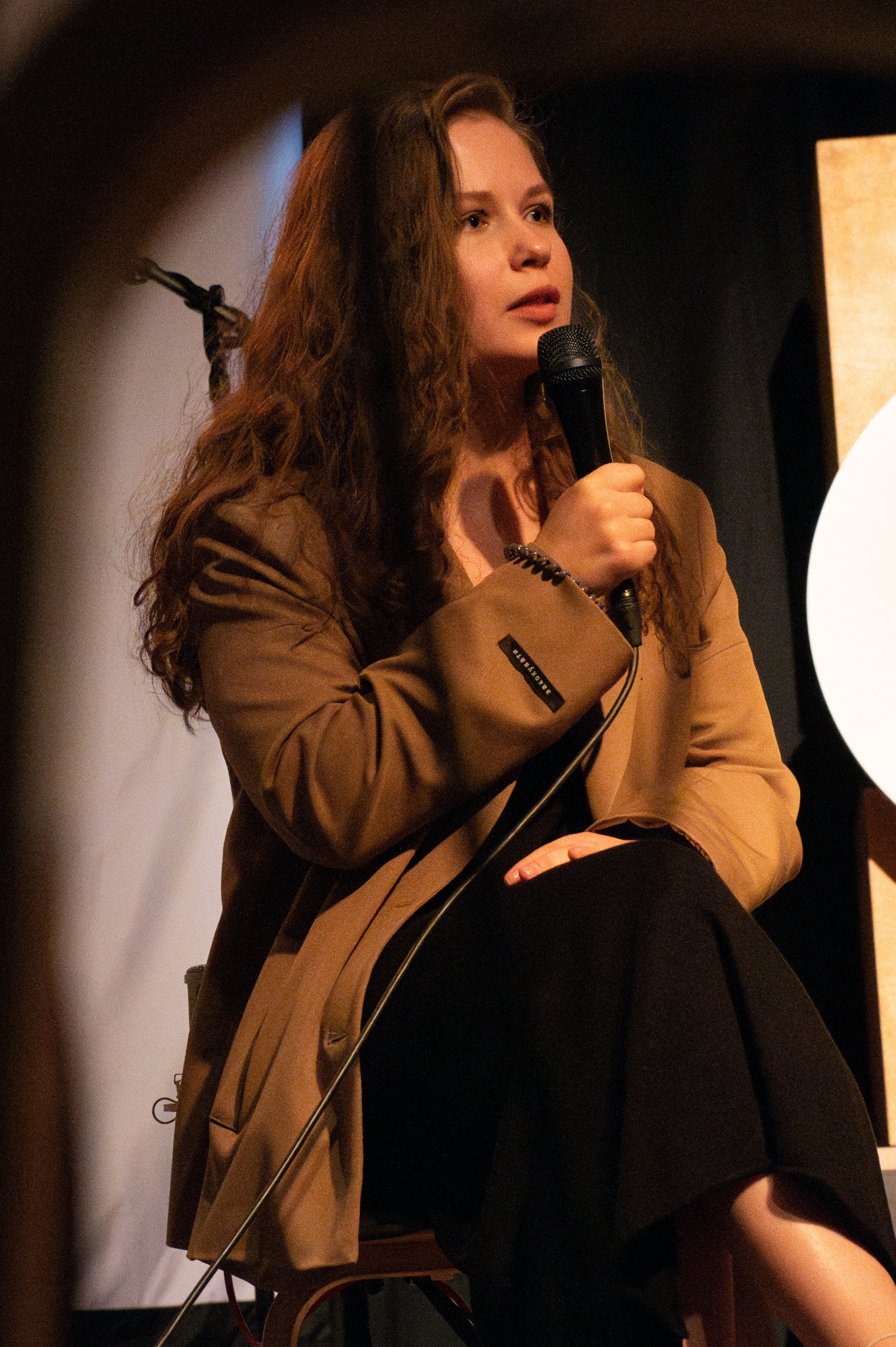
»For me, music is work and a way to escape it. Music is the fanciest way of communication and therefore the most delicious food for analysis. It is what prolongs your feeling for longer than you can physically hold. Music is something after which you say: 'I’m glad you didn’t use words'. After all, it’s something that makes your commute or chores shorter, and this time-controlling function is the very first and foremost mystery I love about it.«
Liza Sirenko is a music theorist and music critic from Kharkiv, Ukraine. She is a co-founder and board member of the Ukrainian media about classical music The Claquers. She is a former Fulbright Visiting Scholar at the Graduate Center, CUNY (New York, USA), and a graduate of National Music Academy of Ukraine (Kyiv, Ukraine). Her current interests include processes in the classical music industry, contemporary opera in Ukraine, and a role of postcolonial moves in these. Liza is a former PR Director of the Kyiv Symphony Orchestra, currently working as a Program Officer at the Goethe-Institut Ukraine.
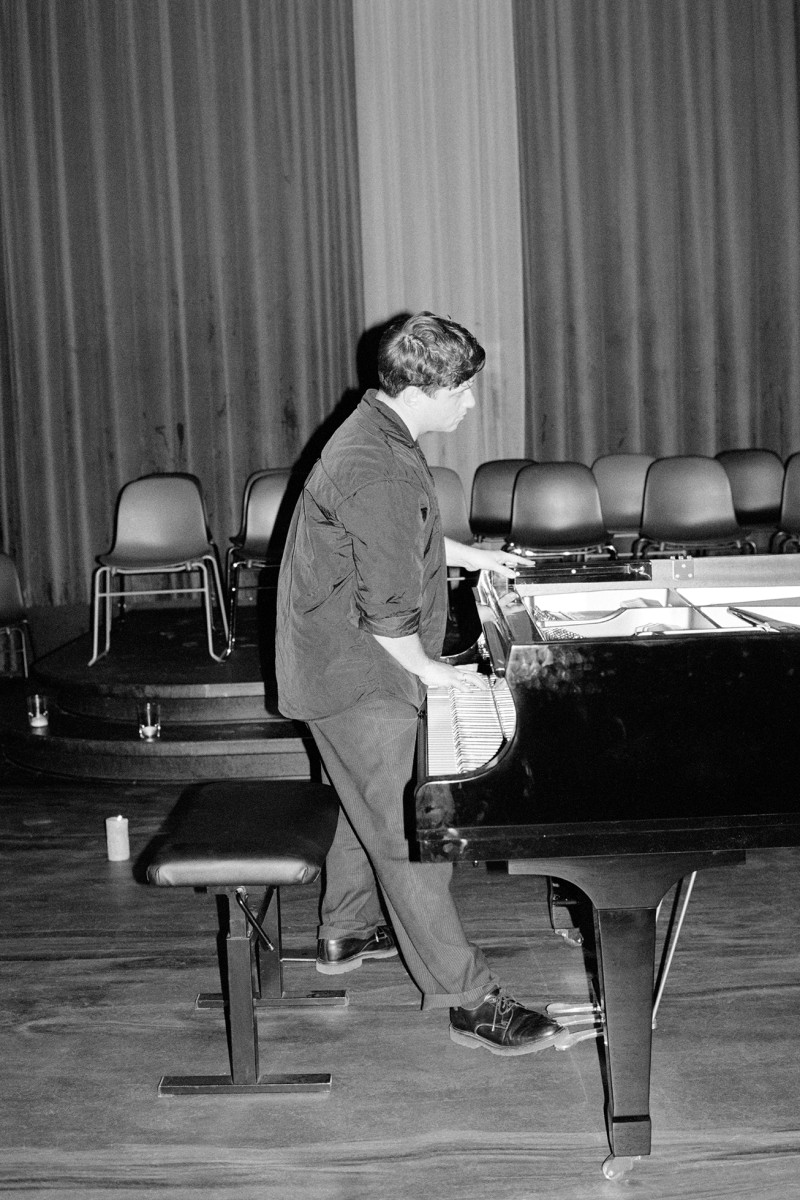
»Is he going to play three pianos?« a boy asks. »Maybe he’s learned to play with his feet?« says an adult man. The audience on their way into the DR Concert Hall’s main auditorium comment on the setup for August Rosenbaum’s piano concert. Three Steinway grand pianos lined up is truly peculiar – actually comical.
When the concert began, I imagined I could hear differences between the instruments, though I would probably fail a blind test. Apart from a bit of playing with staccato on one piano and pedal on another, the setup was, frankly, underused. The piano playing was lacking, dominated by a single approach: pedal pressed all the way down, an active right hand primarily in the middle register, a left hand with a muted accompaniment, and a great deal of repetitive technique.
It felt like a gravity Rosenbaum could not escape. No idea or direction could break free; one always returned to the same place.
When there are two grand pianos for a concert, one of them is usually prepared. Rosenbaum had three (!) without using a single screw, coin, or ping-pong ball. Shouldn’t that be a criminal offense? Nor were any extended techniques employed, such as clusters or playing with the back of the hand.
The light show was charming, at times impressive. Still, it takes more goodwill than I possess to call the evening an audiovisual concert, as the program text told me it was. On the way out, I heard another man say, »It was actually quite exciting to hear him play.« I didn’t think so.
English translation: Andreo Michaelo Mielczarek