
in brieflive
20.03.2025

The Power of Trance: A Journey from Indonesia to Roskilde

Andreas Johnsen: »Cosmic Balance«
© PR
© PR

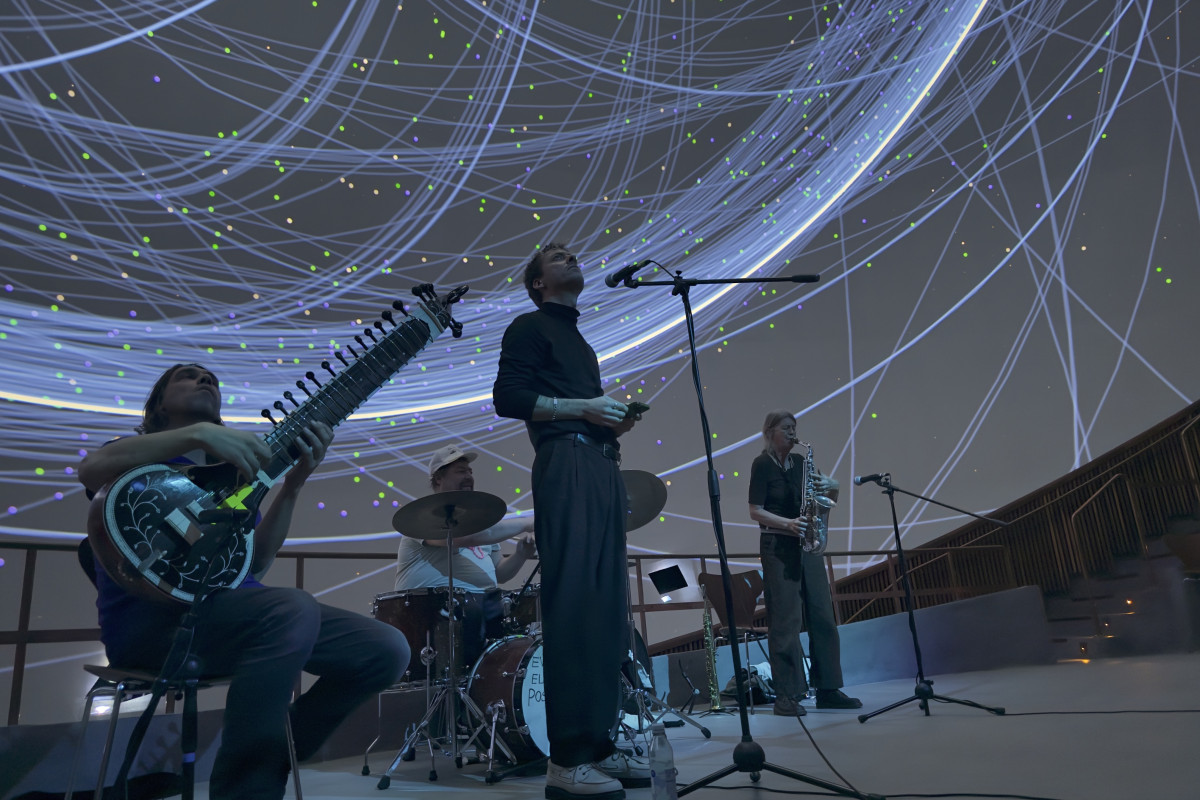
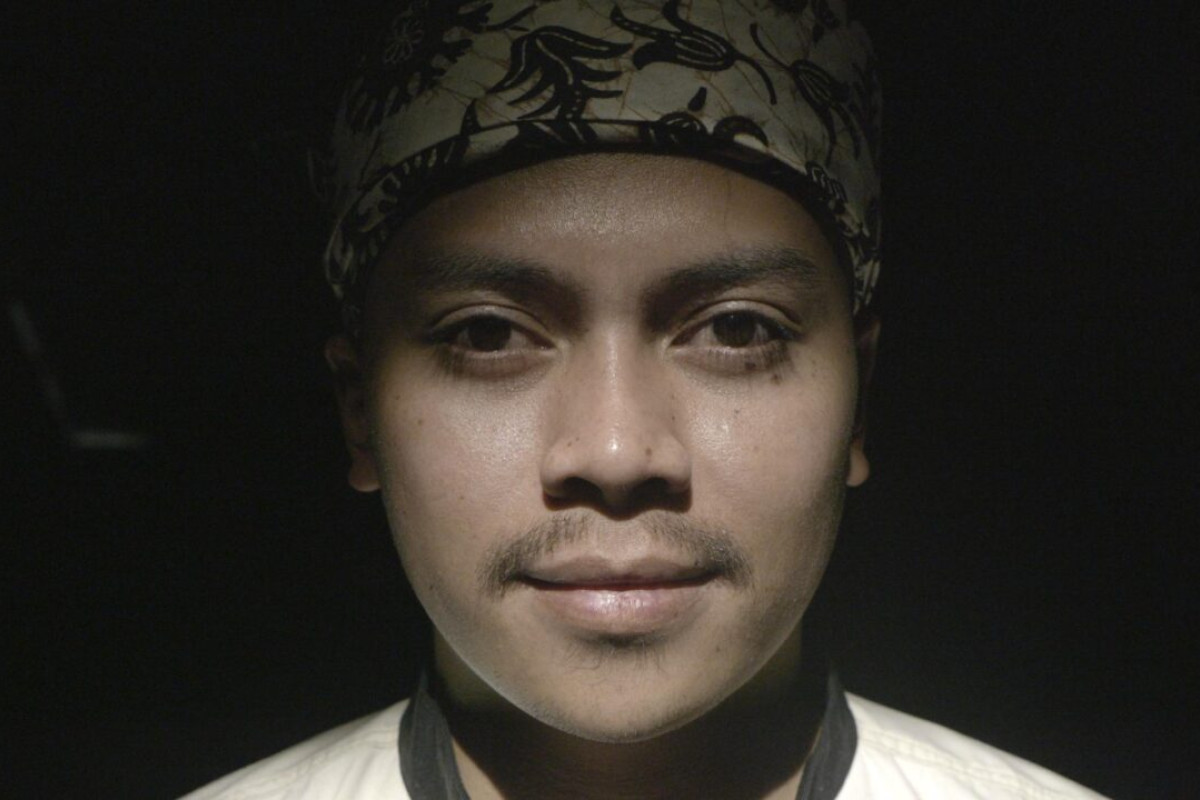
In 2022, the Indonesian group Juarta Putra turned the Roskilde Festival upside down and captivated a large audience with a trance dance called reak. In the documentary Cosmic Balance, director Andreas Johnsen takes us back to the time just before, to Putra's hometown of Cinunuk in West Java, Indonesia. Through 24-year-old Anggi Nugraha, we are introduced to reak and how both the young and the old, to the sound of booming drums, distorted tarompet (a reed wind instrument resembling an oboe), and reciting song, surrender to the ancestors who visit them in their wild trances. Anggi himself, who has just become the leader of the reak group, is haunted by his stern grandfather, who orders that traditions must be preserved and upheld.

However, Anggi is unsure about his new role. He is not of the bloodline of the predecessor Abah or any of the other members in the group, but he grew up in the village among the musicians after his parents, for unknown reasons, left him there. We also meet Anggi's girlfriend, whom he wants to marry, but whom he has not received his parents' approval to marry for the same reason. Anggi is a sensitive and sympathetic young man, whom one can only wish the best for. He himself seeks help from a fortune-teller, who gives him the strength to travel to Denmark and to marry his chosen one. How the marriage will turn out is unknown, but the journey to Roskilde is a clear success. 

The film's soundtrack works predominantly well with field recordings and the group's own music. Less fitting are the passages with lyrical piano and strings accompanying the trance scenes from Cinunuk, which come across as unnecessarily staged. This does not change the fact that Cosmic Balance gives a sympathetic and fascinating portrait of music that, on the one hand, fits perfectly with the global and diverse profile of the Roskilde Festival, but which also comes from a world so distant from the inferno of Roskilde that one can hardly see where the ends meet. But they do, that night at Roskilde.

English translation: Andreo Michaelo Mielczarek

© Malthe Folke Ivarsson

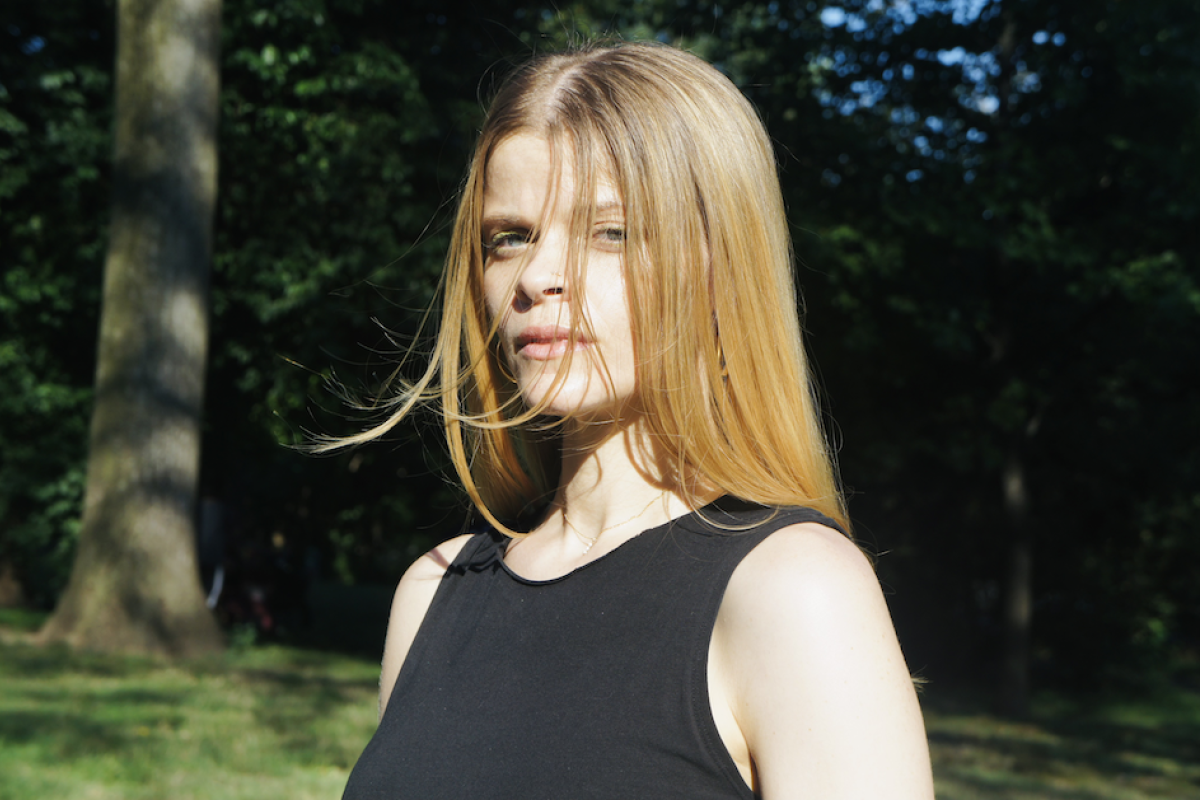
»In his music, composer Allan Gravgaard Madsen tries to create a better version of himself.« 

Allan Gravgaard Madsen is a Danish composer based in Copenhagen. His most recent works include Träume nicht and Nachtmusik. He tries to create a better version of himself in his music – where his personality tends to be restless, chatty and has an active inner life, his music is controlled, simple and merciless in its expression. He is the recipient of the Carl Nielsen & Anne Marie Carl-Nielsens Hæderspris 2022.

in briefrelease
23.01.2022

Finnish Space Travel

Tomutonttu: »Hoshi«
© Tomutonttu: »Hoshi«

The Finnish multimedia artist Jan Anderzén has, with the album Hoshi, released under the solo moniker Tomutonttu, created a true little star. Not only because »hoshi« literally means »star« in Japanese, but above all due to the music itself. There is something cosmic, yet infinitely minute, about the sonic worlds Anderzén conjures—like a galaxy reflected in a puddle, or a space journey in a rocket carved from a hollow tree trunk. Synths emit busy, warm blips and bloops, while ultra-short vocal and instrumental samples create a recognizable blur. At once artificial and organic – soft, rounded, jagged, crackling.

Anderzén approaches sound with a playfulness I simply adore. His music is strange in an incredibly comforting way. It places me in a kind of colorful, trance-like state, only interrupted when, several times over the course of the album, I find myself smiling in delight at a particularly great sound. The synths on »Katse osuu sähköön!« The choral samples on »Kesä oli äkkiä ohi!« Milo Linnovaara’s flute on »Malta lausua ‘AH’!« And many more. Hoshi is an album packed with microscopic moments that together form a frayed, exploding, radiant, idiosyncratic whole—a stellar moment of just under 38 minutes.