The table is a practical prop at most electronic music concerts. It has almost become a symbol of how electronic music is denied the same expressive, physical gestural language as acoustic music. This rigid symbolism was thankfully broken when the concert network Up Node hosted a showcase evening at Alice, featuring three emerging experimental electronic artists from Norway, Sweden, and Denmark.
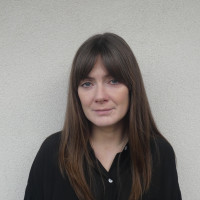
The MacBook stood enthroned like an altar as Swedish artist Fascia opened the evening, holding a blinking flashlight above her head – each flash triggering brutal bursts of noise. When she placed a webcam in her mouth and projected the table’s mysterious objects onto the screen behind her, the boundary between stage and audience dissolved through simple yet cunning technology.
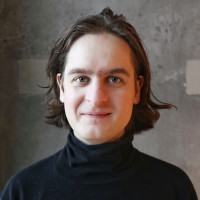
Next to his MIDI keyboard, Danish artist Soli City had his trademark moving-head lamp. Like a robotic head, the lamp lit up and rotated in sync with epic crescendos and computerized voices. Soli City’s music is built around field recordings and classical instrumentation – strings and piano – forming a universe that exposes the tension between human and technology. The animated lamp and dramatic light show took centre stage, while composer Harald Bjørn stood like a hidden puppeteer, gently guiding the futuristic narrative forward.
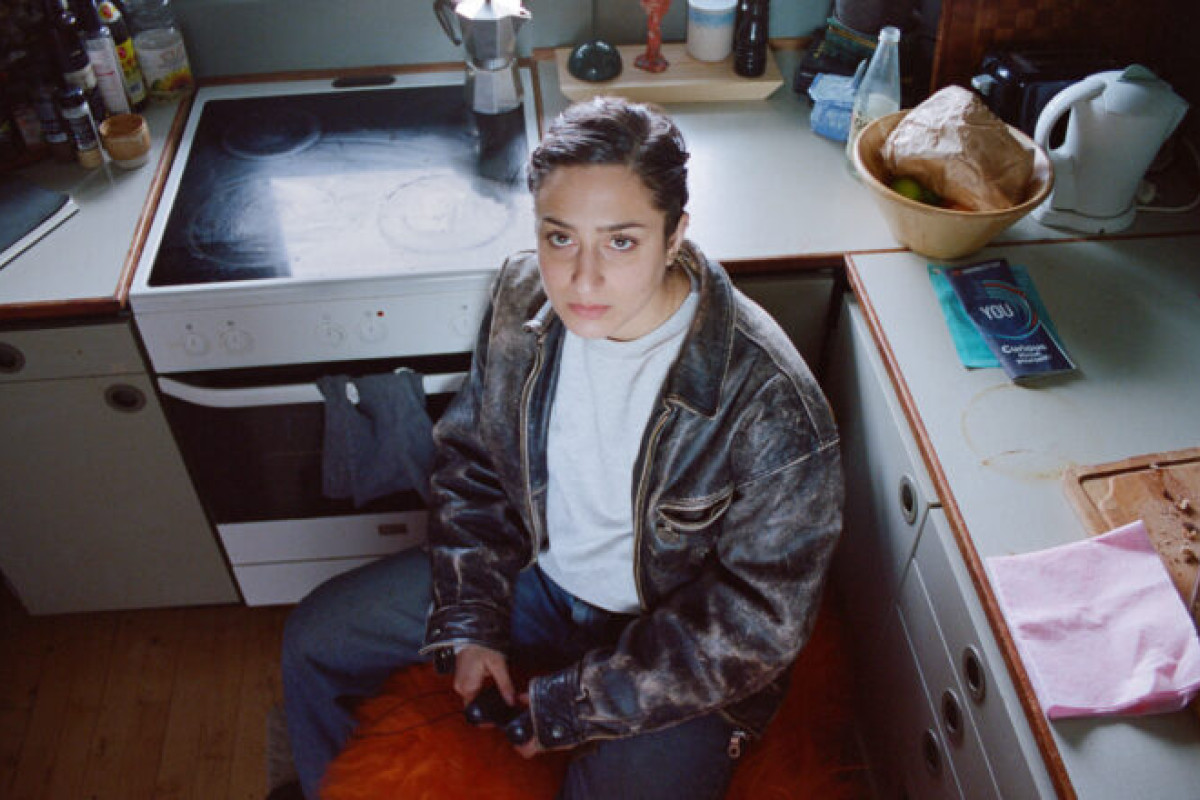
The table in front of Norwegian artist Nagaver had been laid flat on the stage floor, forming a low wall. Behind it knelt Ilavenil Vasuky Jayapalan, who unleashed hard-hitting, dark rhythms from a DJ mixer, enveloping Alice in a transcendent haze. The concert evolved from driving trance into a kind of karaoke performance, with Jayapalan singing over dusty tracks—and unfortunately the music felt more like a run-through than a fully realized concert.
Behind the table lie untapped potentials for auditory innovation, but practical constraints often limit performative expression. The concerts by Fascia and Soli City succeeded in breaking the boundary between mere execution and true performance, reminding us that not all music needs to be presented with the same gestures – and that sometimes all it takes is a webcam and a laser lamp to make that clear.