»Music is a full bodied, raw and physical exchange. It’s an absorption that is overwhelming, that sometimes grants you relief. Music is interactive, and depends on you as a listener.«
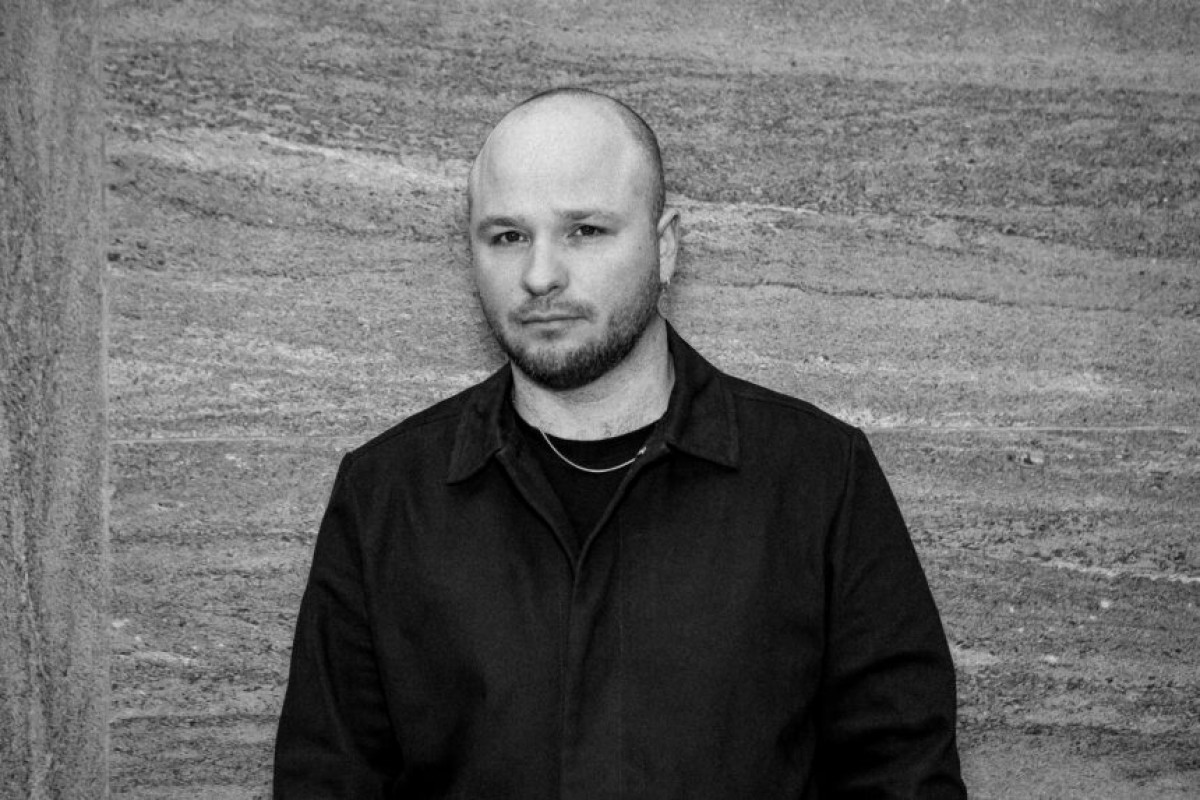
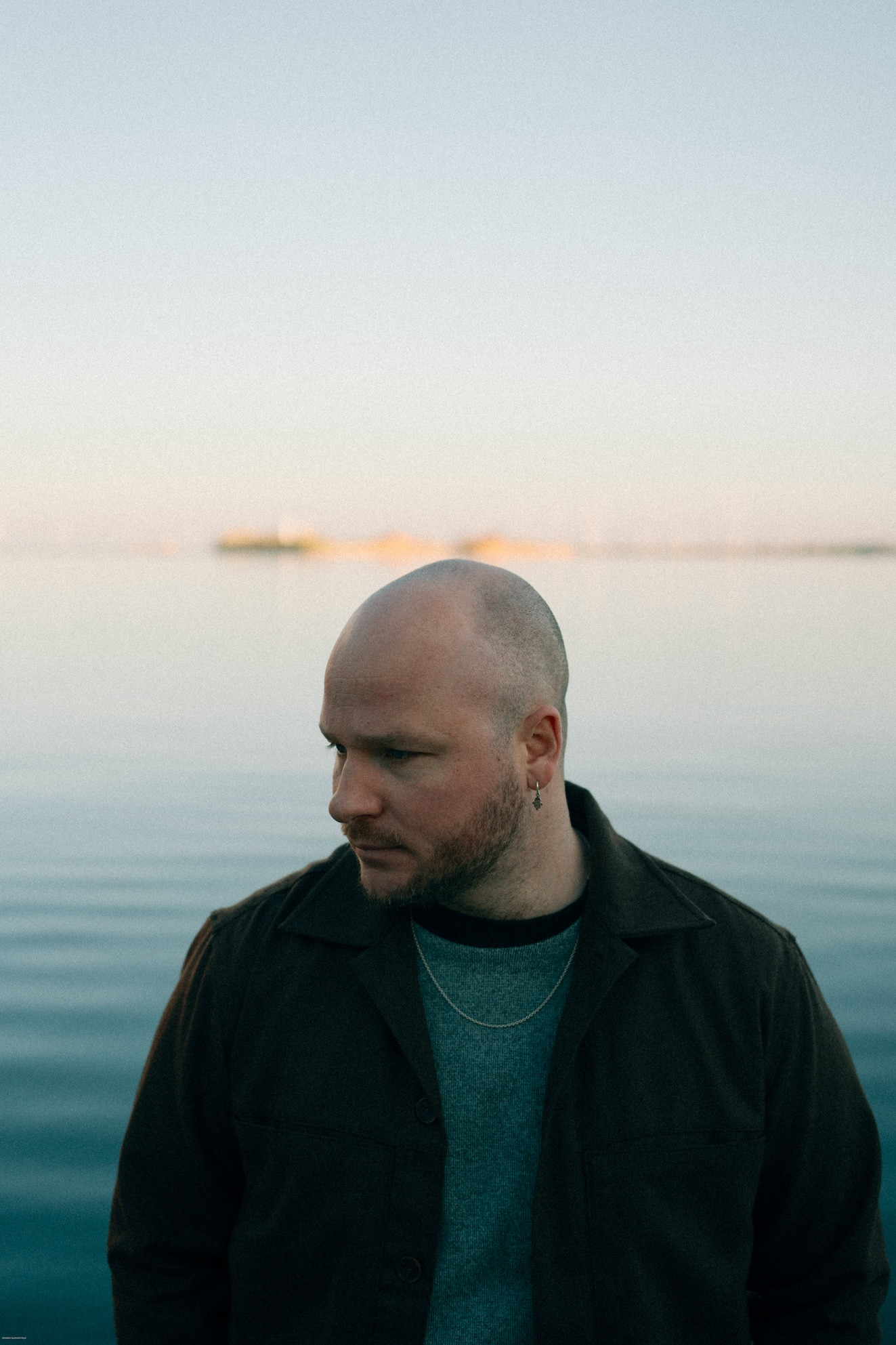
Alexander Tillegreen is a composer and artist who operates both visually, sonically and spatially. He works in a plurality of formats including multichannel sound installations & performances, interactive listening sessions, paintings, prints, light and concerts as well as exhibitions, commissioned works, and releases. In 2023, he presented a cycle of new commissioned sound works for the Darmstädter Internationale Ferienkurse für Neue Musik. Same year, he released his debut album in words on the acclaimed German electronic music label rastermedia.
Alexander Tillegreen’s work has been the subject of numerous institutional solo and group exhibitions including: A Bruit Secret – Hearing in Art at Museum Tinguely in Basel (2023), O-Overgaden Institute for Contemporary Art in Copenhagen (2022), FuturDome Museum in Milano (2022), Kunstverein Göttingen (2022), Kunstforeningen GL Strand (2023), Museum für Moderne Kunst in Frankfurt (2017), and The National Gallery of Art in Copenhagen (2008). He has presented his music at many festivals and venues including STRØM Festival, Roskilde Festival, and CTM Festival.
His most recent work investigates the relationship between psychoacoustic sonic phenomena and their potential to reflect and awaken the listener’s own linguistic and cultural embeddedness and co-creative embodied, interaction as a listener.
He has been conducting artistic research at the Max Planck Institute for Empirical Aesthetics. This research centers on aspects of attention, spatial sound, voice, gender, identity, embodied co-creation, and language perception in relation to the phantom word illusion – a language-based psychoacoustic phenomenon, that triggers the illusory sensation of hearing inner streams of words that are not necessarily acoustically present.
In 2024, Alexander Tillegreen will represent Denmark at the ISCM World New Music Days on the Faroe Islands.