Andreas Borregaard
11






På den norske Borealis Festival præsenterer den danske akkordeonist Andreas Borregaard to meget forskellige videoværker (tilgængelige online til og med 18. april, red.). I det første, Philip Venables og Ted Huffmans My Favourite Piece Is the Goldberg Variations, fortæller Borregaard sin mors livshistorie, mens falmede hjemmevideoer flimrer i baggrunden og hans dramatiske akkordeonspil på én og samme tid modarbejder og understøtter fortællingen.
Det er akkordeonet, som får en banalitet som »I felt better with him around / he was always holding my hand« til at lyde som hårdt tjent livserfaring, og som fremhæver den knusende melankoli i børnesangen »Bjerget i skoven«. Med få, velvalgte virkemidler formidler Borregaard på smukkeste vis en fortælling om kærlighed og tab, om tosomhed og ensomhed. Det er en udsøgt sanseliggørelse af hverdagen.
Anderledes forholder det sig med det andet værk, Marcela Lucatelli og Kirstine Fogh Vindelevs Drift. Her spiller Borregaard skingre, skrattende lyde på sit akkordeon iført en gylden latexheldragt, gentager omkvædet fra Rod Stewarts »Sailing«, som var det et mantra, tilfører »Alle sømænd er glade for piger« en helt ny, homoerotisk tekst, laver fjollede grimasser iført paryk og læbestift og vandrer forvildet rundt i snevejr klædt ud som et kæmpe insekt.
Programteksten fortæller, at værket inddrager elementer fra Borregaards virkelige liv, hvilket forekommer mig usandsynligt, medmindre han er hovedpersonen i Kafkas Metamorfosen. Jeg er en stor beundrer af Lucatellis arbejde som vokalist, men må nok indrømme, at jeg ikke forstod Drift. Jeg sad tilbage med følelsen af, at værket forsøgte at sige noget om køn og seksualitet, men præcis hvad, blev aldrig tydeligt for mig. Omvendt er det måske en fejl at lede efter et budskab frem for blot at hengive sig til værkets arbsurdisme.
»Music, for me, reveals the emptiness of boundaries and definitions – in consciousness, in space, and in music itself.«
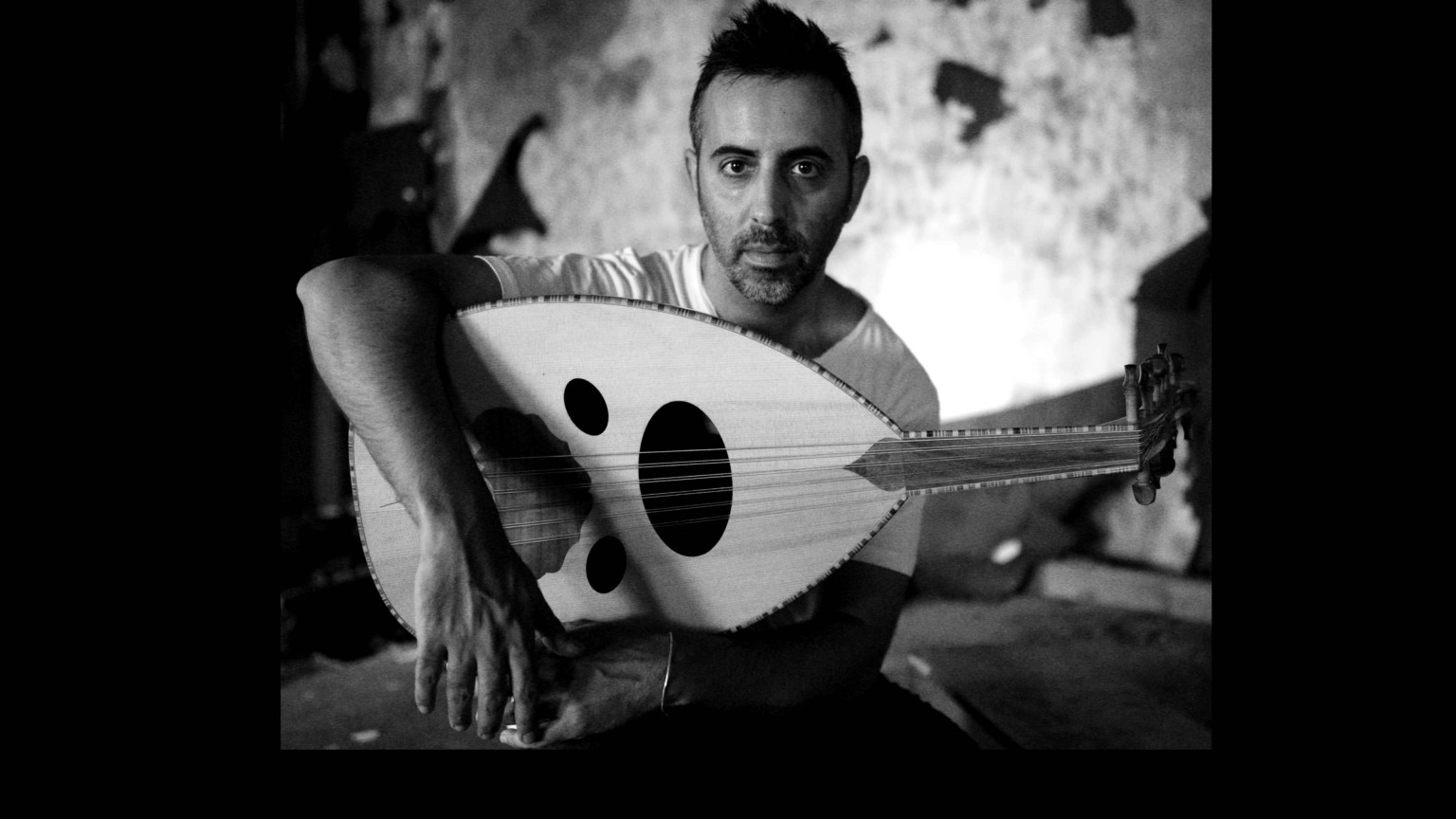
Idan Elmalem is an oud player and composer working across world and popular music, now presenting his debut instrumental EP and live performance project. Following years of collaboration within the Israeli music scene, he turns toward a more personal and intimate musical voice, blending traditional oud with a contemporary sensibility. Influenced by his studies with master Nissim Dakwar, Elmalem’s music explores the space between tradition and innovation. His debut EP, Time, features three live-recorded pieces that move between past, present, and future, combining classical Arabic and Persian elements with jazz, minimalism, and cinematic sound. Based in Tel Aviv, Elmalem draws on his Moroccan-Danish heritage in his work. He is a graduate of the Jerusalem Academy of Music and Dance and is currently pursuing a Master’s degree in Ethnomusicology at the University of Haifa, alongside his work as a player and composer.

On May 29, the Aalborg-based collective Datahaven9000 takes over the venue Skråen, transforming its main hall into a concentrated one-day festival of electronic music. The event is part of the concert series Bystanders #3, where the stage is handed over to local scenes rather than the venue’s in-house programming.
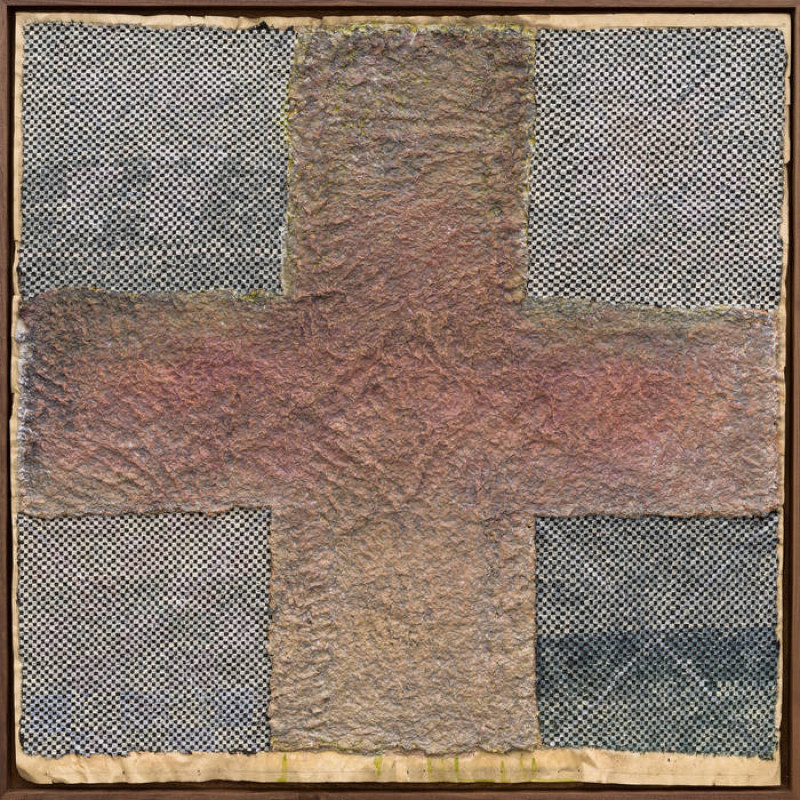
Two of contemporary music’s most uncompromising material thinkers meet on Music for Intersecting Planes: the American organist Kali Malone and the French cellist Leila Bordreuil. Malone works with oversaturated blocks of sound and sonic mass as a sustained pressure, while Bordreuil seeks friction – her cello a recalcitrant organism that creaks and resists.
What they share is an ascetic attention to the specificity of their instruments. The organ and the cello are pushed to their outer limits, where recognizability dissolves and overtones emerge like hidden entities.
The title pieces, »Intersecting Planes I» and »II«, unfold as undulating ruptures of sound: animalistic, almost elephantine cries that surge forward and recede again. Only rarely can the sound be identified as organ or cello. (»Pilots in the Night« comes closest to a familiar balance between the organ’s gravity and the cello’s resistance.) Otherwise, the music moves within a field between the metallic and the electronic, as if the sound originates neither from strings nor pipes.
It is not mass that is being explored here, but rather a kind of hollowness: an airiness that is not light, but permeated by an indeterminate resonance – something ancient, almost ceremonial. The album holds something far more porous and open than Malone and Bordreuil’s earlier works. The sound appears as a concave form, bending inward, like an absence of material. The sonic landscape carries its own dissolution within it as an inherent delay – as if the music exists, first and foremost, as the erosion of something one thought one heard.
English translation: Andreo Michaelo Mielczarek
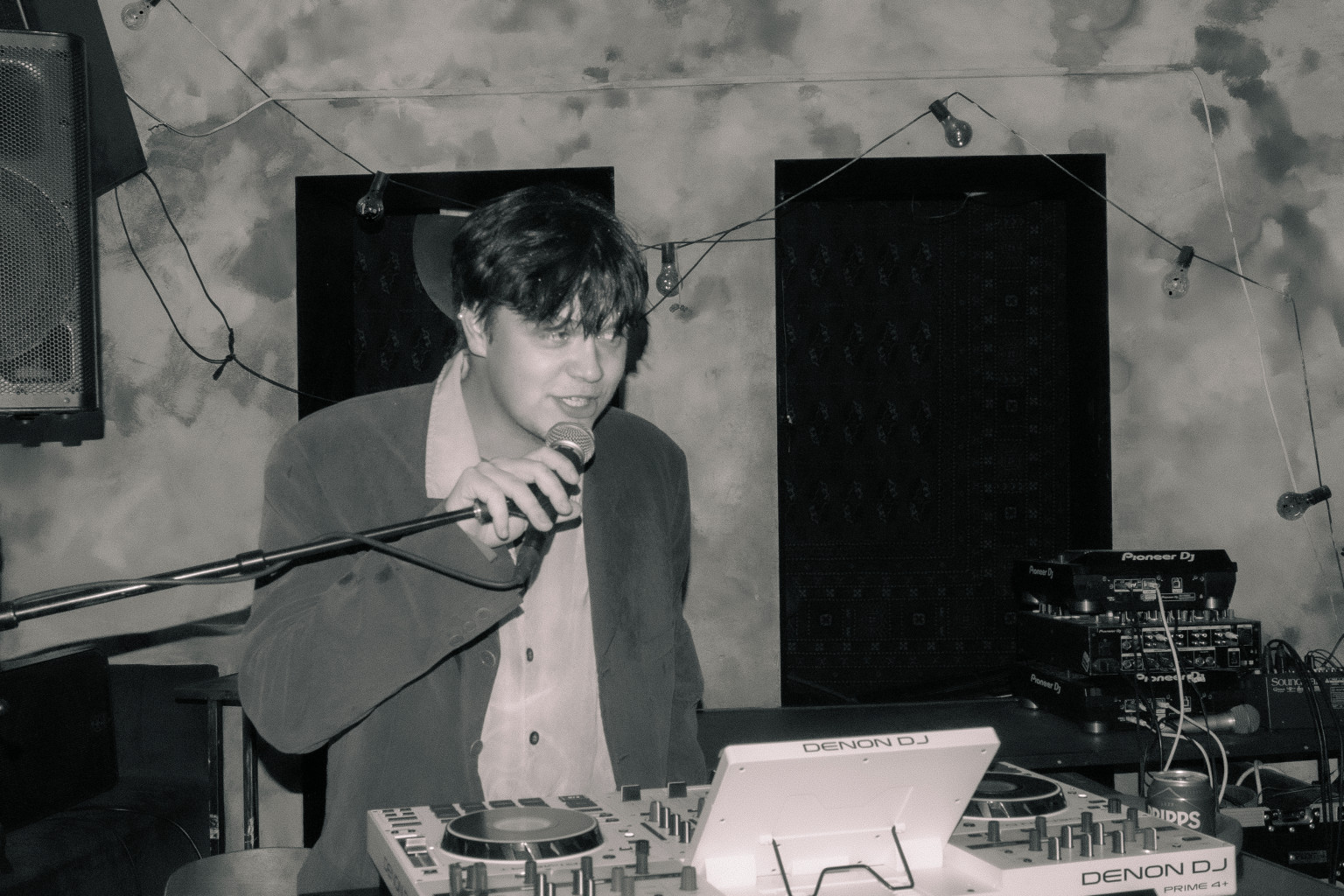
»Music, for me, is the rhythm, the pulse, and the energy of my life. It’s what drives me and can always energize me or colour my day in exactly the way I need. In a very busy, confusing, and chaotic life like the one I find myself in right now, music can be almost the only thing that slows my pace down, gives me access to actually feeling my emotions, and creates space for reflection. Music is history – it remembers moments and moods. It reflects cultures and can become the voice of a generation or an entire group that struggles to break through the mainstream or challenge the status quo. For me, music is one of the primary ways I can influence the society I’m part of – whether by supporting important art that we can see ourselves in, or by bringing large groups of people together around something meaningful and communal. Music, to me, is freedom. Freedom to dance without inhibition, to let the tears flow freely, and the freedom to play air drums at full speed on my yellow racing bike as I ride down Mejlgade.«
Oscar O’Shea is a graduate of the Kaospilot programme, with a focus on innovation in the cultural and music industries. Through SPOT Festival, he works as project manager for the international initiative Live Incubator and the hyper-local event cSPOT at Bowlinghallen. Oscar is a documentary filmmaker and will graduate this summer as part of the first cohort of documentary producers from the independent film school DOKTRIN.
He recently founded the independent Aarhus-based agency Okay Management, which works with artist management, booking, film production, and music releases for a wide range of artists. Through the agency, the venue Okay is opening in the new Stenbro district near Nørreport in Aarhus. The space will showcase Aarhus talent, with a focus on bringing together the city’s emerging cultural scene and building a sustainable music industry from the ground up through knowledge sharing, transparency, and collaboration across the underground and grassroots levels.
In recent years, he has worked as a booker and programme curator for Sydhavns Festival, Gemini Festival, and a wide range of other events and initiatives. His heart beats for DIY and indie culture—for independence and collaboration rather than competition. And although Oscar has lived in many different countries and worked around the world, he always returns to Aarhus—precisely because of the sense of community and the city’s DIY spirit.
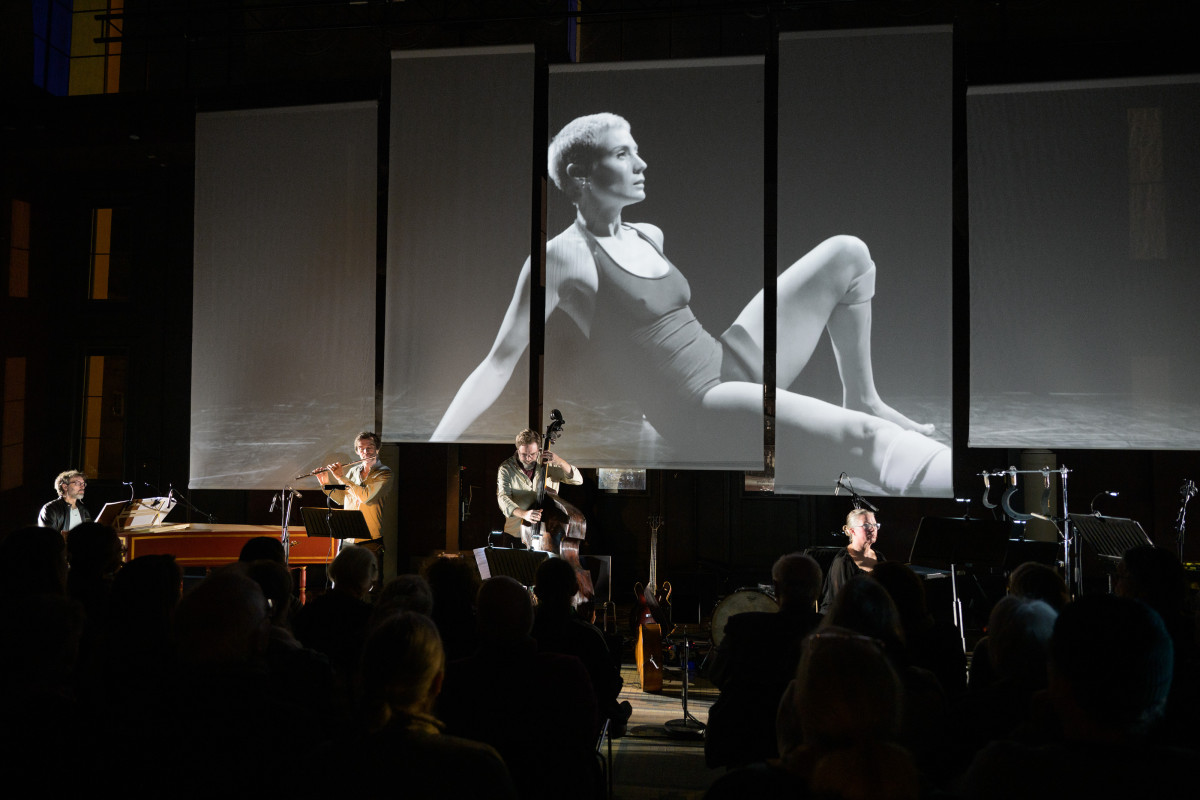
Tarantula is presented as a »documentary opera«, a genre created by Mauro Patricelli. The work takes its starting point in tarantism – the myth of the spider’s bite, which triggers madness and the ecstatic dance that heals – and intertwines it with A Doll’s House and Napoli by August Bournonville. The ambition is clear: to reflect female experiences of mania, oppression, and interpretation throughout history. The scenography reinforces the documentary approach. Five suspended screens display text, archival material, a dancer, and a professor character who didactically explains the work’s sources. At the same time, four musicians and the soprano Signe Asmussen stand in a row.
The music alternates between long, bare lines and repetitive, rhythmically complex figures clearly inspired by the tarantella. Yet this very complexity becomes a drawback: the reliance on click-track and sheet music lends a mechanical quality that clashes with the work’s purportedly demonic and physical energy. The main issue is the balance between explanation and interpretation. The professor figure constantly dictates the reading, undermining the work’s own critical ambitions – not least when it simultaneously critiques a »male lens«. The engagement with Ibsen also feels simplified, almost misread, functioning more as illustration than genuine interpretation.
The libretto – largely composed of historical sources and academic language – weighs heavily on the dramaturgy. When a letter about Ibsen’s knowledge of tarantism is elevated to a dramatic climax, it becomes difficult to grasp what is truly at stake. That the text is sung, projected, and handed out in libretto form only intensifies the sense of redundancy. In the end, one is left with the feeling of having attended a lecture rather than an opera. My final note before the curtain fell: Will this be on the test?
English translation: Andreo Michaelo Mielczarek