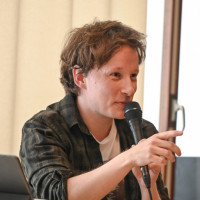
Niels Rønsholdt
51





Ideen fejlede ingenting: lige at komme ud og høre et par nye strygekvartetter. Det havde været så længe siden! Selveste Danish String Quartet med nyt fra næsten lige så selveste Bent Sørensen. Og et megaværk fra altid alt for uberømmede Niels Rønsholdt. Det burde ikke kunne gå galt.
Men hvad havde dog den fabelagtige Sørensen rodet sig ud i? Efter tre kvarters opvisning med Schuberts sprudlende, glødende, men trods alt ubønhørligt lange Kvartet i G-dur satte DSQ gang i Sørensens Doppelgänger. Som altså viste sig at være det sidste, man orkede i øjeblikket: en halv times remix af Schuberts værk! I nye klæder, natürlich, men forvandlingerne havde karakter af fikse idéer, der gjorde Sørensen mere menneskelig, end jeg huskede ham fra pragtværket Second Symphony.
Hvad der virkede elegant i symfonien – idéer, der cirklede spøgelsesagtigt rundt i orkestret – blev forsøgt genanvendt fra start i kvartetten. En simpel durakkord blev sendt på mikrotonal omgang mellem musikerne, så det til sidst mindede om forvrængninger i et spejlkabinet. Manøvren havde øvelsespræg, koketteri var indtrykket.
Derpå fulgte buer, der faldt ned på strengene som en hård opbremsning. Tyve minutter senere var figuren tilbage, men nu vendt om til accelerationer. Et forsøg på at fremvise sammenhæng i et værk, der ellers virkede unødigt rodet og sprang fra koncept til koncept? Lidt glidninger på strengene; dæmpning for at skabe en sprød cembaloklang; en lang, sfærisk passage; tilbagevenden til Schubert og tonika. Den gode Sørensen var blevet sin egen dobbeltgænger i processen, halsende efter forlægget. Jeg tillod mig et frederiksbergsk »åh!«.
Iført nye forventninger troppede jeg op til Rønsholdts 100-satsede Centalog to dage senere. Milde skaber, dette var endnu værre! Bag heltemodige Taïga Quartet tikkede et antikt vægur ufortrødent i samfulde 75 minutter. En fornemmelse af eksamenslæsning hang over os. Nøgternt præsenterede Rønsholdt selv de kommende satser hvert tiende minut: »10 left, 11 left, 12 left« eller »40 right, 41 right« og, koket, »13 left, missing item, 15 left«. Handlede det om læseretningen i noden, om strøgets bevægelse? Klart stod det aldrig, men tænk, om man blev hørt i lektien senere.
Fra Taïga lød febrilske fragmenter med aleatoriske linjer og abrupt dynamik; store følelser var spærret inde. Det forekom fortænkt, uvedkommende. Og med uvanlig distance mellem koncept og toner: Kun to gange undervejs spillede de kliniske opremsninger en smule med i musikken, da musikerne udbrød et bestemt »left!« her, et »right!« der. Hvor var Rønsholdts velkendte performative overskud? Mystisk. Fra væggen lød det blot: Tik-tak, tik-tak.
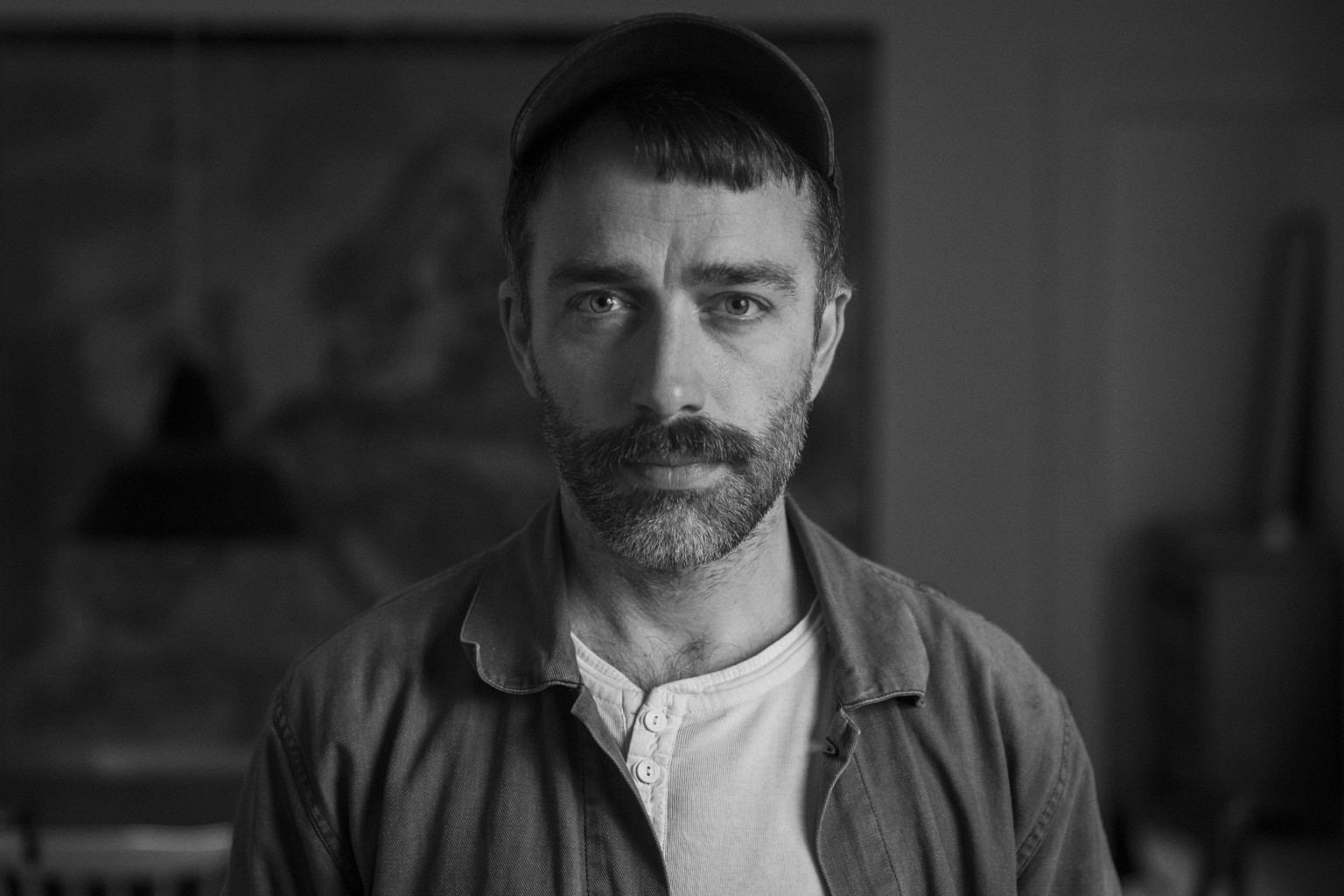
»For me, music is about curiosity and surprises – yet it’s also something in which you can feel right at home. Music resides within us all, in a physical way that sets it apart from any other art form. To me, music is something greater than the individual – something that will always outlive the individual. The good stuff, in other words ;) «
Kaspar Kaae is an award-winning film composer, music producer, and songwriter, known for his work with bands such as CODY and Bug Chaser. He holds a Master’s degree in film composition from SDMK. He has previously been a guitarist in a number of bands on the Danish indie scene, such as CODY, Broken Twin, and Bug Chaser. The latter is releasing the album My First Crippled Love in November. He was born in 1983 on Bornholm, but has lived in Copenhagen and Berlin throughout his adult life.
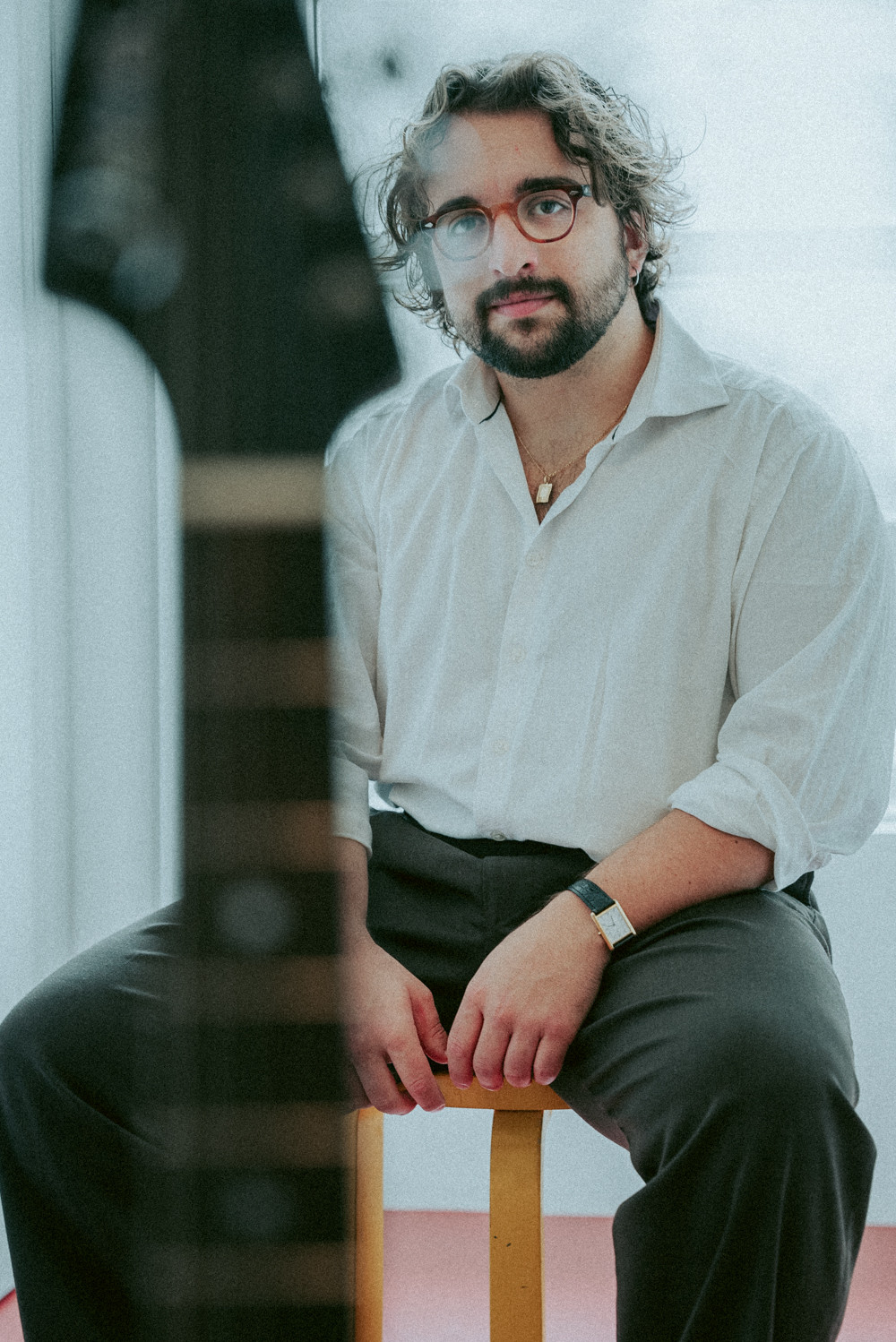
»Music is like a black hole that sucks you in and shoots you out on the other side of the universe.«
Francesco Rista is a guitarist working across classical and electric guitar. His recordings have been reviewed by international music magazines and broadcast on BBC and RAI Radio 3. After studying at the Royal Danish Academy of Music and Lund University, he focused on studio recordings, exploring guitar repertoire from the Baroque and Romantic periods to contemporary music, as well as the instrument’s varied tonal possibilities. Rista is currently based in Iceland, where he teaches guitar, composes music, and collaborates with contemporary composers.

Percussionist and composer David Hildebrandt is honoured for his virtuosic work with new music and his efforts to push the boundaries of what rhythm can be.
David Hildebrandt is among the recipients of this year’s honorary awards from the Wilhelm Hansen Foundation. He receives DKK 200,000 in recognition of his uncompromising work with new music and multi-percussion, as well as his ability to challenge conventional ideas about rhythm.

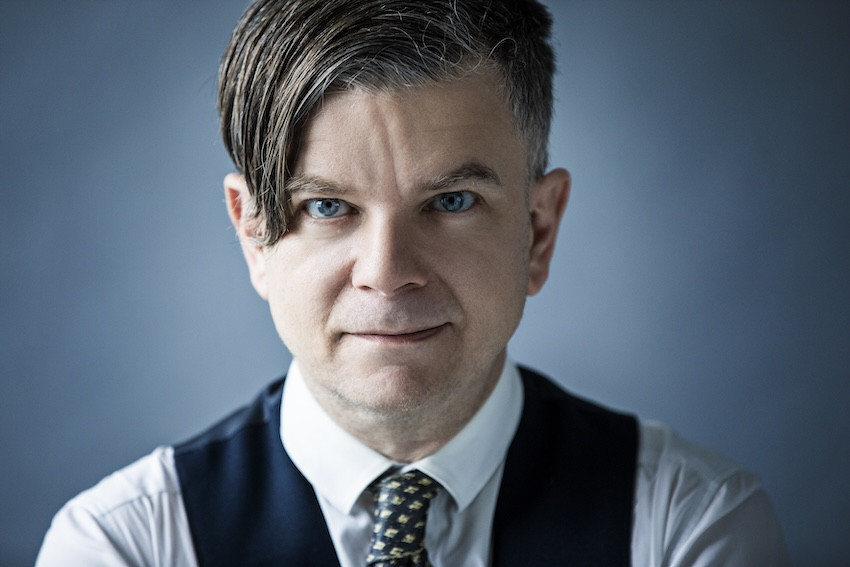
»Who ever said that music is ‘just’ music? To me, it is anything but that: an urge to understand and explain it all. A piece of jewelry I wear every single day. A joy that can, at times, run deep. An ever-changing imprint of millions of stitches in my heart. A longing to disappear.«
Henrik Marstal is a musician, author, and music researcher. He holds a PhD in musicology, is a senior lecturer at the Rhythmic Music Conservatory, and frequently appears in the media as an expert source on music. His areas of interest include contemporary music, such as electronic music. This winter, he will release both a new album with the pop group ibens and a book about Else Marie Pade, published by the British publishing house Bloomsbury.