Niels Rønsholdt
51





Ideen fejlede ingenting: lige at komme ud og høre et par nye strygekvartetter. Det havde været så længe siden! Selveste Danish String Quartet med nyt fra næsten lige så selveste Bent Sørensen. Og et megaværk fra altid alt for uberømmede Niels Rønsholdt. Det burde ikke kunne gå galt.
Men hvad havde dog den fabelagtige Sørensen rodet sig ud i? Efter tre kvarters opvisning med Schuberts sprudlende, glødende, men trods alt ubønhørligt lange Kvartet i G-dur satte DSQ gang i Sørensens Doppelgänger. Som altså viste sig at være det sidste, man orkede i øjeblikket: en halv times remix af Schuberts værk! I nye klæder, natürlich, men forvandlingerne havde karakter af fikse idéer, der gjorde Sørensen mere menneskelig, end jeg huskede ham fra pragtværket Second Symphony.
Hvad der virkede elegant i symfonien – idéer, der cirklede spøgelsesagtigt rundt i orkestret – blev forsøgt genanvendt fra start i kvartetten. En simpel durakkord blev sendt på mikrotonal omgang mellem musikerne, så det til sidst mindede om forvrængninger i et spejlkabinet. Manøvren havde øvelsespræg, koketteri var indtrykket.
Derpå fulgte buer, der faldt ned på strengene som en hård opbremsning. Tyve minutter senere var figuren tilbage, men nu vendt om til accelerationer. Et forsøg på at fremvise sammenhæng i et værk, der ellers virkede unødigt rodet og sprang fra koncept til koncept? Lidt glidninger på strengene; dæmpning for at skabe en sprød cembaloklang; en lang, sfærisk passage; tilbagevenden til Schubert og tonika. Den gode Sørensen var blevet sin egen dobbeltgænger i processen, halsende efter forlægget. Jeg tillod mig et frederiksbergsk »åh!«.
Iført nye forventninger troppede jeg op til Rønsholdts 100-satsede Centalog to dage senere. Milde skaber, dette var endnu værre! Bag heltemodige Taïga Quartet tikkede et antikt vægur ufortrødent i samfulde 75 minutter. En fornemmelse af eksamenslæsning hang over os. Nøgternt præsenterede Rønsholdt selv de kommende satser hvert tiende minut: »10 left, 11 left, 12 left« eller »40 right, 41 right« og, koket, »13 left, missing item, 15 left«. Handlede det om læseretningen i noden, om strøgets bevægelse? Klart stod det aldrig, men tænk, om man blev hørt i lektien senere.
Fra Taïga lød febrilske fragmenter med aleatoriske linjer og abrupt dynamik; store følelser var spærret inde. Det forekom fortænkt, uvedkommende. Og med uvanlig distance mellem koncept og toner: Kun to gange undervejs spillede de kliniske opremsninger en smule med i musikken, da musikerne udbrød et bestemt »left!« her, et »right!« der. Hvor var Rønsholdts velkendte performative overskud? Mystisk. Fra væggen lød det blot: Tik-tak, tik-tak.
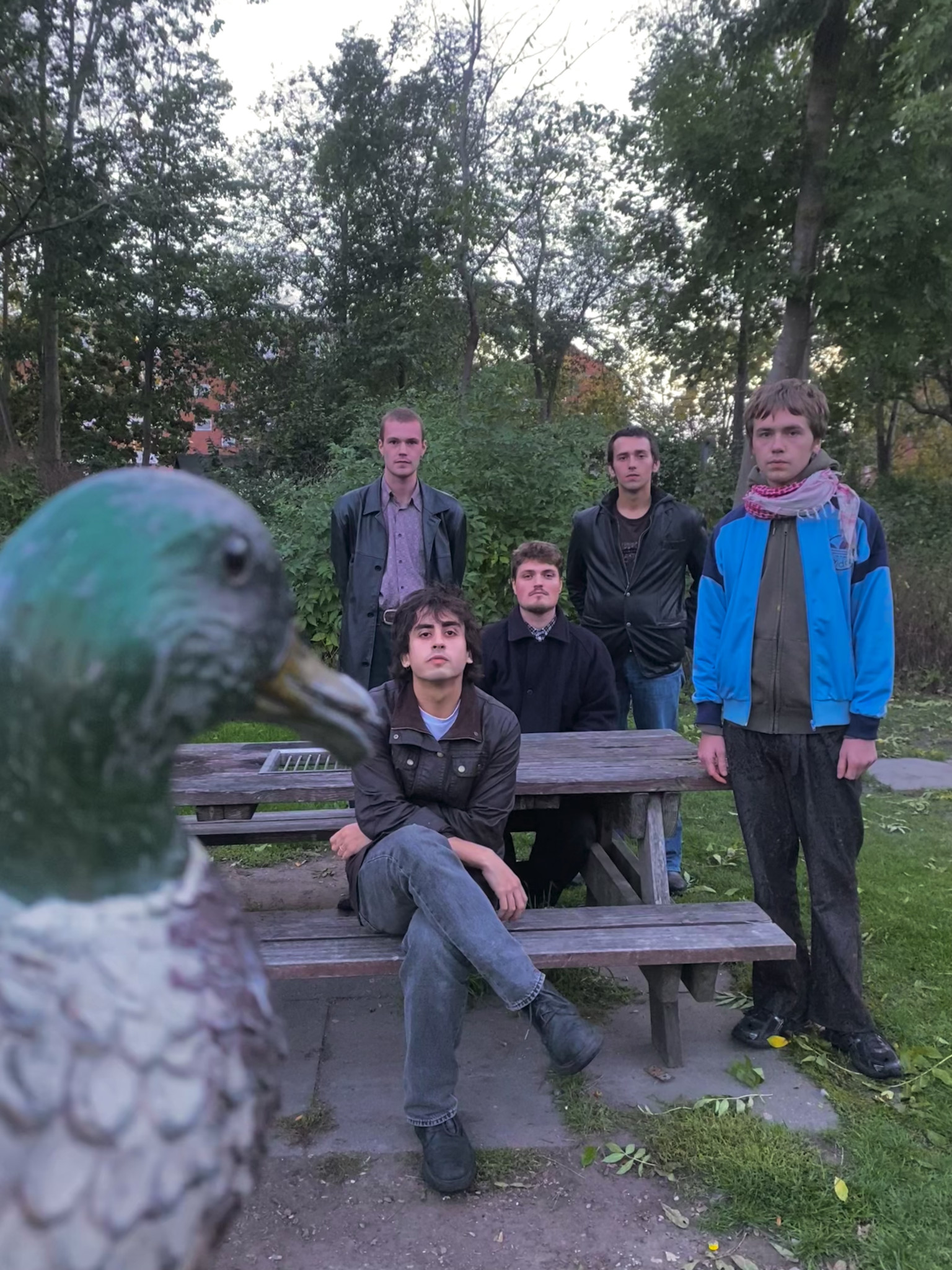
»For us, music is a transcendent force with transformative potential – something we get to experience and shape when we create sound together. It is an opportunity to describe one’s innermost universes without words, and the best way for an introvert to express intense emotions at full volume.«
With roots in Copenhagen’s experimental jazz and punk scene, Echo, Bravo challenges the notion of what a rock band can sound like. The quintet blends post-punk, free punk, and noise rock into a raw and unpredictable soundscape. They describe the music themselves as a kind of »empty-the-fridge soup,« where various leftovers come together. »Best enjoyed as a hot meal in a cold industry.«

Thorbjørn Tønder Hansen has died. With Thorbjørn’s passing, the art music community has lost one of the Nordic region’s most significant producers, curators and cultural leaders.
»Music is the best way to discover myself and understand the world around me.«
Luca Quintavalle is a harpsichordist, fortepianist and conductor. He has performed with ensembles including Concerto Köln, Harmonie Universelle, the Mozarteum Orchestra Salzburg and the Kölner Kammerorchester at venues and festivals such as the Kölner Philharmonie, Salzburg Festival and Enescu Festival. He was harpsichordist of Les Musiciens du Prince, led by Cecilia Bartoli, for over five years, and has conducted ensembles including the Orchestra and Chorus of Teatro dell’Opera di Roma, Concerto Köln and Deutsche Kammerakademie Neuss. His recordings include Mirrors, released by Berlin Classics and awarded an OPUS KLASSIK.
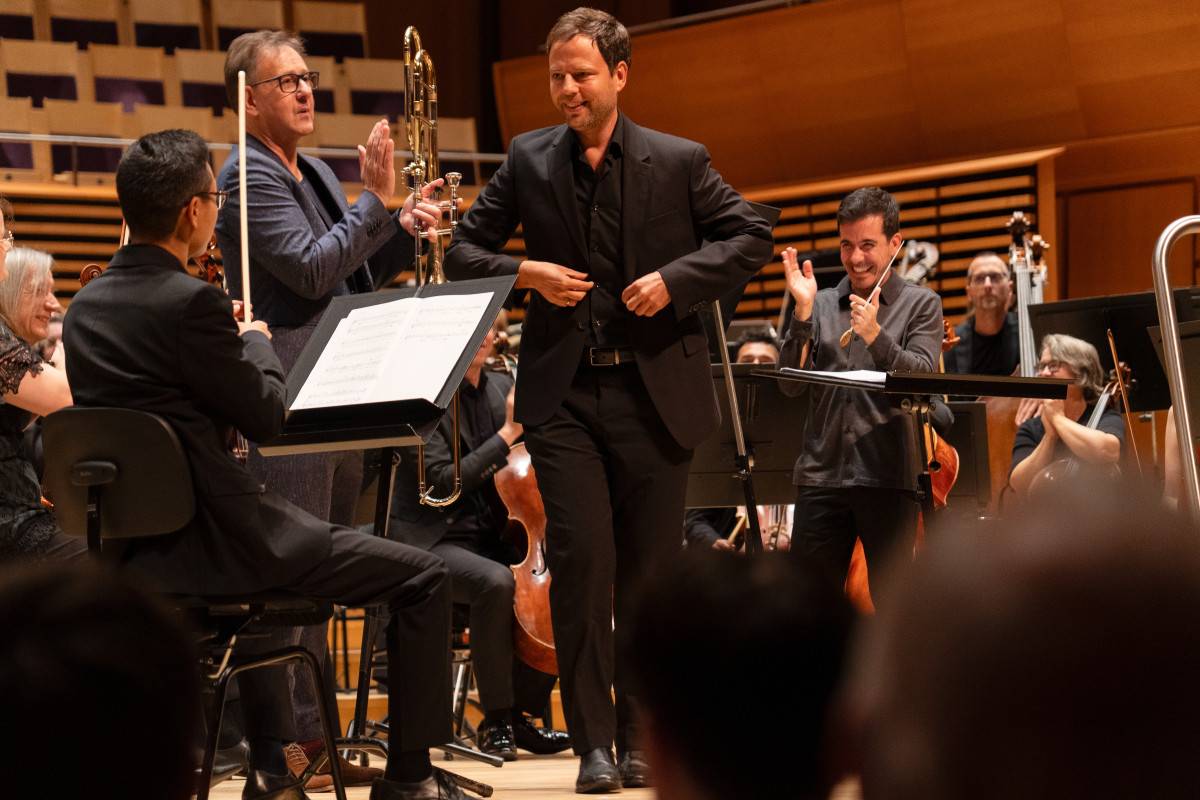
At 19, the Spanish composer (and trombonist) Francisco Coll wrote a wild-child of a trombone concerto that pushed the instrument out of its comfort zone. 22 years later he has created a new piece from some of that material. Its priorities are the opposite.
Tapias embraces the lyrical, ethereal qualities of the trombone. It is not a concerto, insists Coll. Perhaps it could be described as a set of frescoes for trombone and orchestra. Whatever the category, it’s a beguiling piece that was gorgeously birthed on Thursday by Ian Bousfield, conductor Nuno Coelho and a sumptuous-sounding Stavanger Symphony Orchestra.
Composers from Sibelius to Turnage have reacted against caricatures of the trombone as brusque and clowning by exploring its dark-hued lyricism. Coll does something more, setting his soloist’s introspective, intervallic melodies in evocative and provocative orchestral contexts. The soloist’s lines can resemble spray-canned tracings on walls already heavy with the patina of history, decoration and graffiti.
Initially the trombone appears to seek repose. The second movement draws it into more agility but the dancing is suppressed: a layered burying of all manner of rhythms from flamenco to Hiphop. Great wodges of rich harmony weigh the boogying down for good.
The trombone does find peace in the final movement – its long, soulful melodies more yielding. But not before Coll has conjured up moments of huge harmonic strain and conscious orchestral magnificence. They sat well next to Coelho’s fierce performance of Shostakovich’s Symphony No 5 after the interval. But Bousfield’s heartfelt journey through Tapias, sounding entirely at one with the orchestra, will linger longest in the mind.
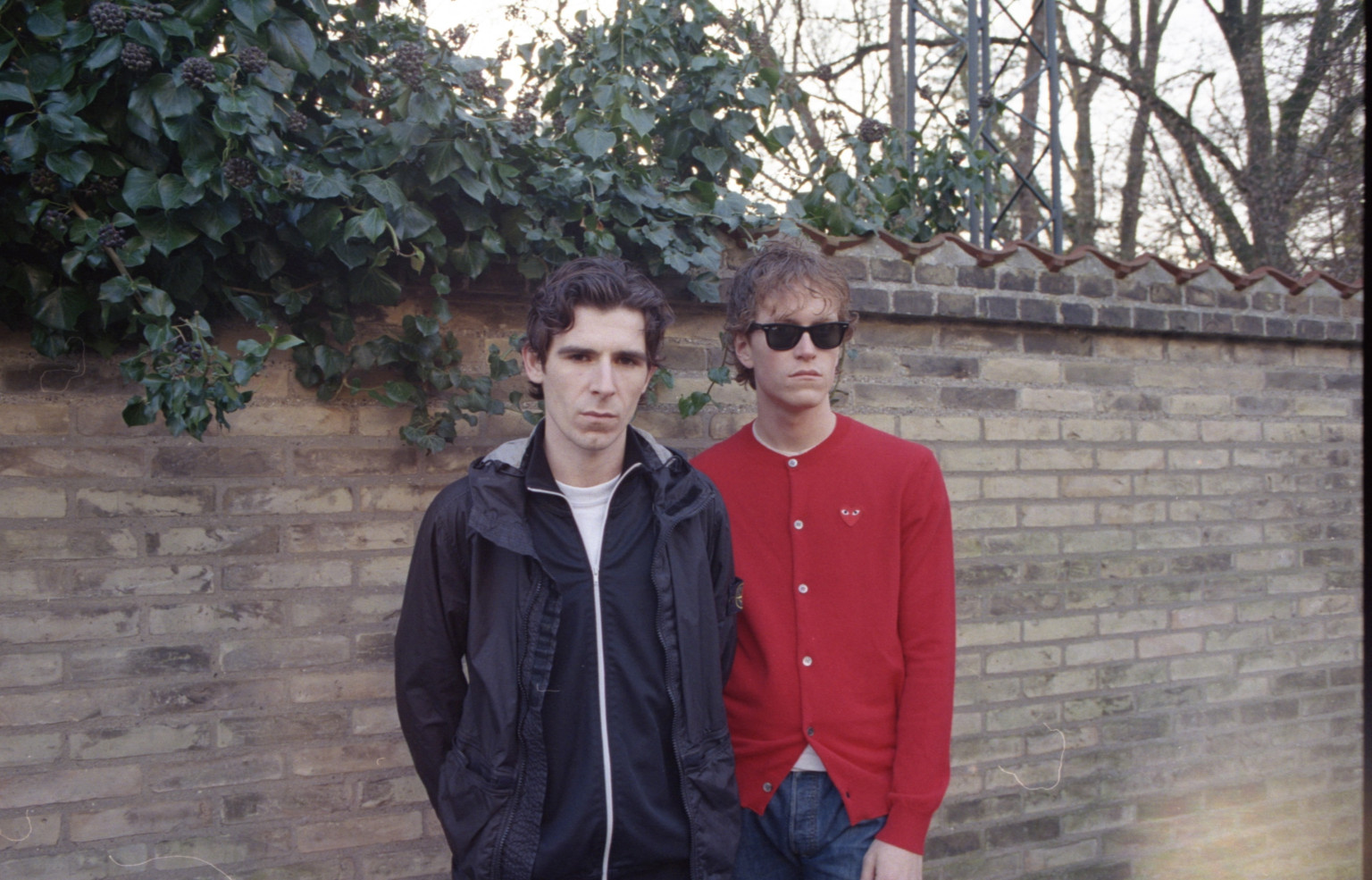
»For us, music is a passion, a livelihood, and a focal point for us and our best friends in the band.«
Barselona consists of Rud Aslak and Rasmus Theodor. The band was formed in 2016 after a year at Ollerup Musikefterskole and has since released five albums and two EPs, most recently the album *Tag Min Hånd, Så Slipper Vi*, which is set for release in September 2026.