in brief
16.05.2022

Betagende båndstøj

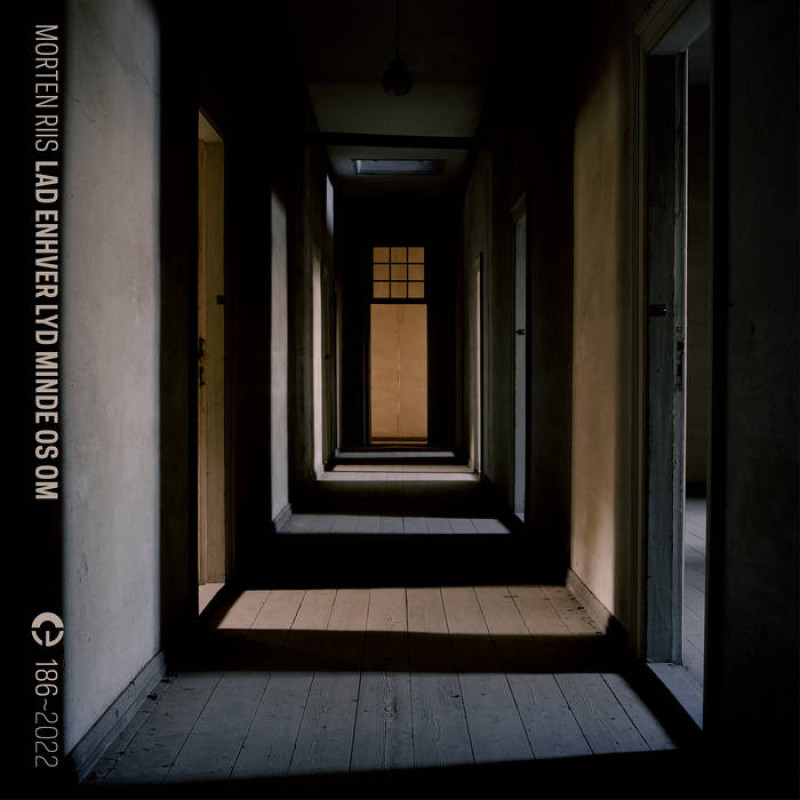
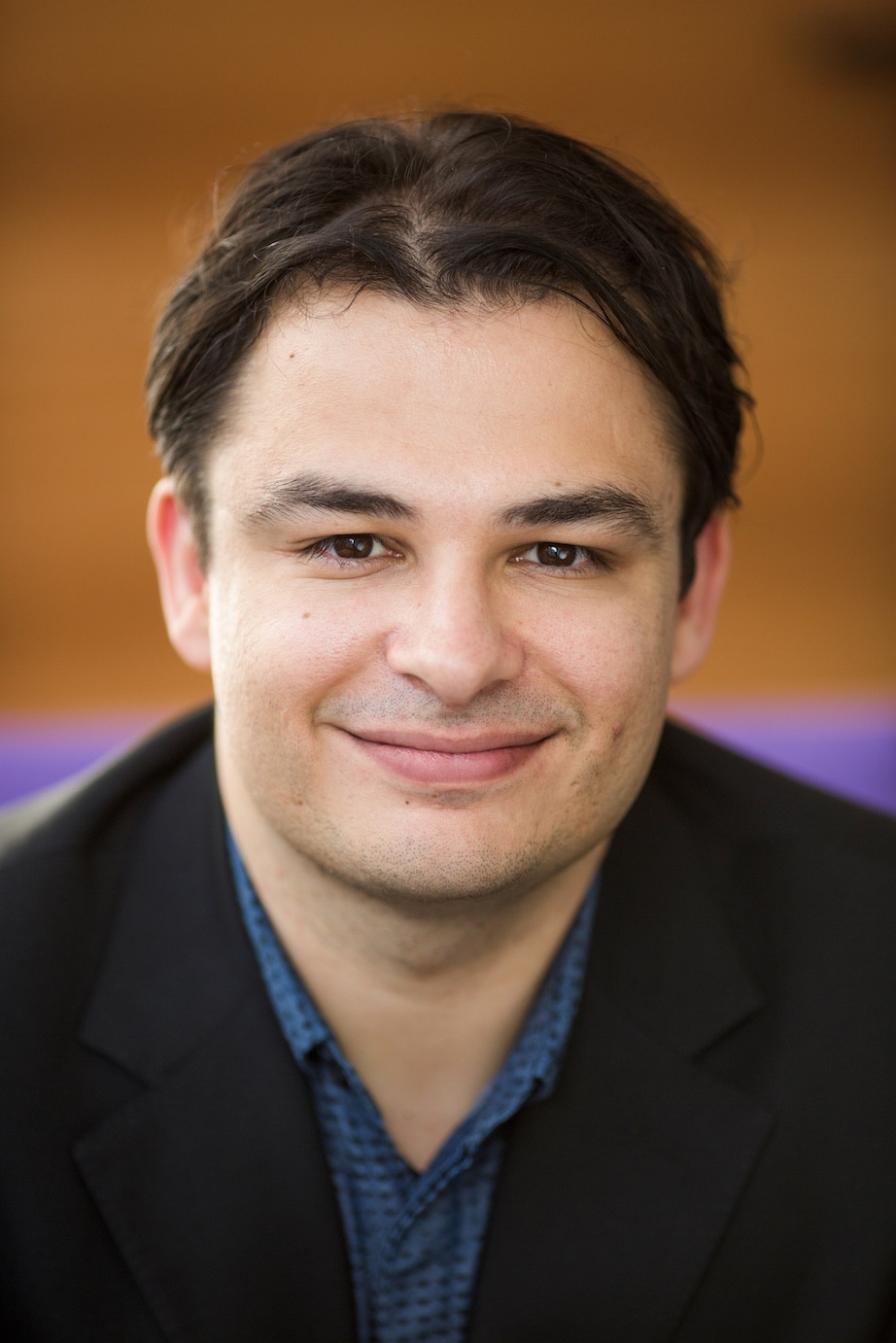
Morten Riis: »Lad enhver minde os om«
© Morten Riis
© Morten Riis

Med kun synths og kassettebåndoptagere har Morten Riis skabt et album, der med sine selvpålagte begrænsninger opnår en fascinerende dybde. Et album, der med meget få virkemidler siger virkelig lidt og på samme tid virkelig meget.

Små musikalske bidder driver ind og ud af det hørbare felt. Ringer ind, brummer, hviner, hvisler og ringer ud igen. For det meste støt op og ned som et åndedræt, med lejlighedsvise bratte ophold. Mere eller mindre påvirket af kassetteformatets inhærente båndstøj. Selv de mest tyste øjeblikke er underlagt denne summen. Jeg elsker den tilstedelighed, det afføder. Teksturerne er nærmest fysiske. 

Albummet har en meget åben lyd. Den er minimalistisk, sommetider smuk. Men oftest er den der bare. Gør ikke megen væsen af sig på en utroligt tiltalende facon. Det ene øjeblik lyder det meget jordnært, det næste – sakralt. Riis leger med tyngde og lethed, og tyngdens lethed og lethedens tyngde på en måde, der synes at ophæve alle gængse relationer mellem dem. Som for eksempel nummeret »den støjende sol«, der i realiteten ikke spiller meget højere end resten af musikken, rent decibelmæssigt, men alligevel brager gennem højttalerne på hidtil uhørt maner. 

Det er betagende, hvor rigt, dybt og bevægende et stykke musik, Riis har sammensat af så undseelige elementer. Hans stille støj er tavs som en skygge i hjørnet af et rum – og kraftfuld som skyggens skaber og ødelægger. 

in briefrelease
25.09

An Organ in the Dark Forest of Doubt

Calum Builder: »Although Changed, I Arise the Same«
© PR
© PR

Last year, Builder released Poor_in_Spirit, an album in which he explored, on his own, the sonic possibilities of his self-built organ. It was an album shaped by this exploration, but ultimately also by the limitations of the organ itself. On Although Changed, I Arise the Same, the composer finds a way beyond them.

The organ is now joined by three additions: Builder’s own alto saxophone, along with the voices of Zola Mennenöh and Johanna Sulkunen. It makes all the difference, providing the diversity of instrumentation that Builder has repeatedly demonstrated his ability to compose for. At times, the organ’s bass sinks beneath the voices and saxophone like a light haze; at others, it envelops them in a heavy fog. It howls like wind in the trees and roars like a train in the night. Mennenöh and Sulkunen sing, chant and breathe simple, repetitive phrases about spiritual uncertainty and searching, as though lost in the dark forest of doubt.

It is a Spartan form of storytelling, giving the listener enough lyricism and atmosphere to set the mind in motion, but never so much that it becomes overwhelming. This is where Builder’s strength lies: his music clearly grows out of his life and experiences, yet he composes in such a way that the listener is invited to enter the story with their own imagination.

Builder determines the colours, but leaves part of the picture to the listener. It is an album that is far more restrained in its dramaturgy than previous releases. No less beautiful or inspiring for it.

English translation: Andreo Michaelo Mielczarek

© PR

»For us, music is a transcendent force with transformative potential – something we get to experience and shape when we create sound together. It is an opportunity to describe one’s innermost universes without words, and the best way for an introvert to express intense emotions at full volume.« 

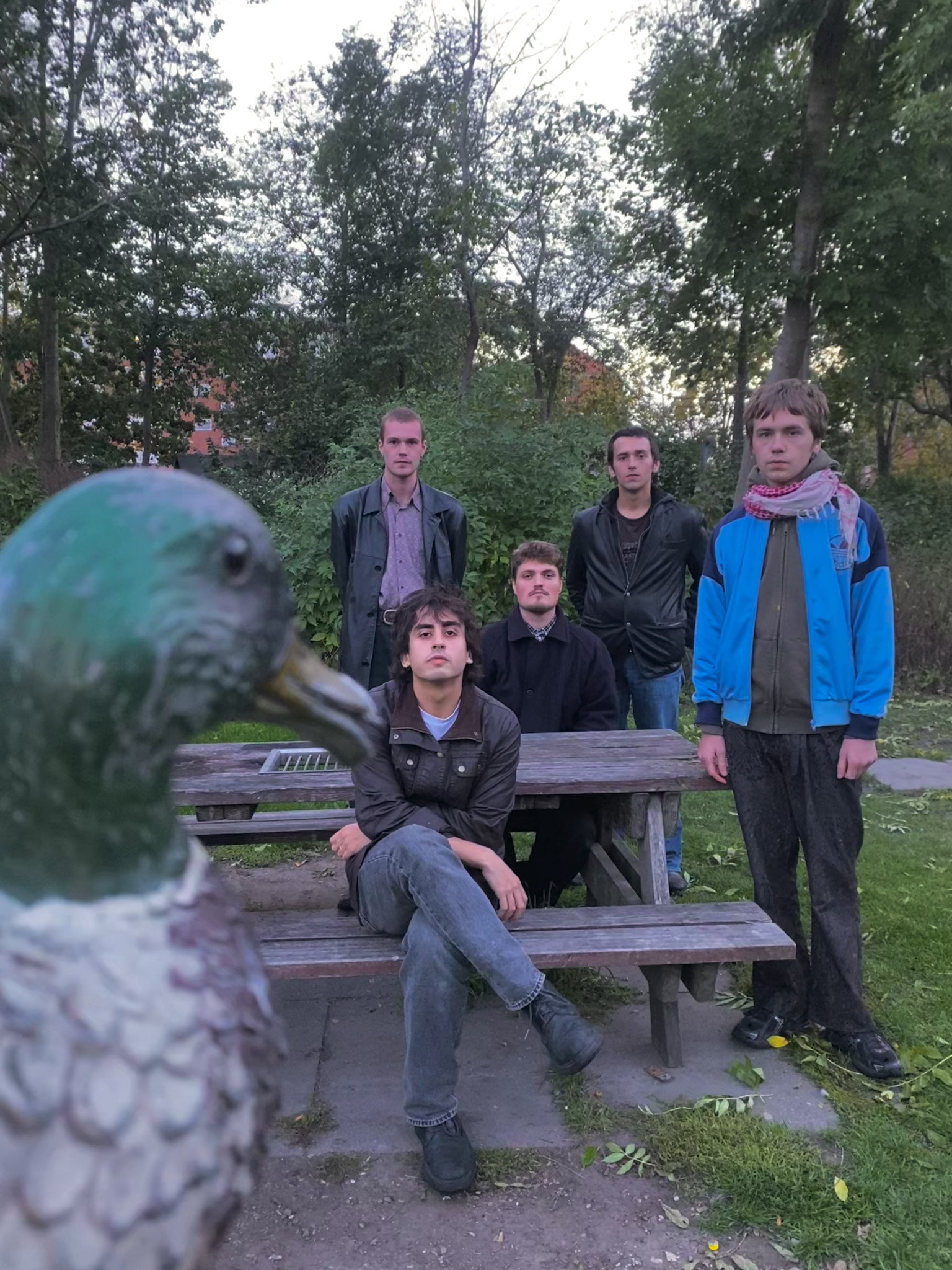
With roots in Copenhagen’s experimental jazz and punk scene, Echo, Bravo challenges the notion of what a rock band can sound like. The quintet blends post-punk, free punk, and noise rock into a raw and unpredictable soundscape. They describe the music themselves as a kind of »empty-the-fridge soup,« where various leftovers come together. »Best enjoyed as a hot meal in a cold industry.«


© Ultima
© Ultima

Thorbjørn Tønder Hansen has died. With Thorbjørn’s passing, the art music community has lost one of the Nordic region’s most significant producers, curators and cultural leaders.

© PR

»Music is the best way to discover myself and understand the world around me.«

Luca Quintavalle is a harpsichordist, fortepianist and conductor. He has performed with ensembles including Concerto Köln, Harmonie Universelle, the Mozarteum Orchestra Salzburg and the Kölner Kammerorchester at venues and festivals such as the Kölner Philharmonie, Salzburg Festival and Enescu Festival. He was harpsichordist of Les Musiciens du Prince, led by Cecilia Bartoli, for over five years, and has conducted ensembles including the Orchestra and Chorus of Teatro dell’Opera di Roma, Concerto Köln and Deutsche Kammerakademie Neuss. His recordings include Mirrors, released by Berlin Classics and awarded an OPUS KLASSIK.

in brieflive
21.09

The Trombone Finds Its Quiet Side

Francisco Coll: »Tapias«
© PR
© PR

At 19, the Spanish composer (and trombonist) Francisco Coll wrote a wild-child of a trombone concerto that pushed the instrument out of its comfort zone. 22 years later he has created a new piece from some of that material. Its priorities are the opposite.

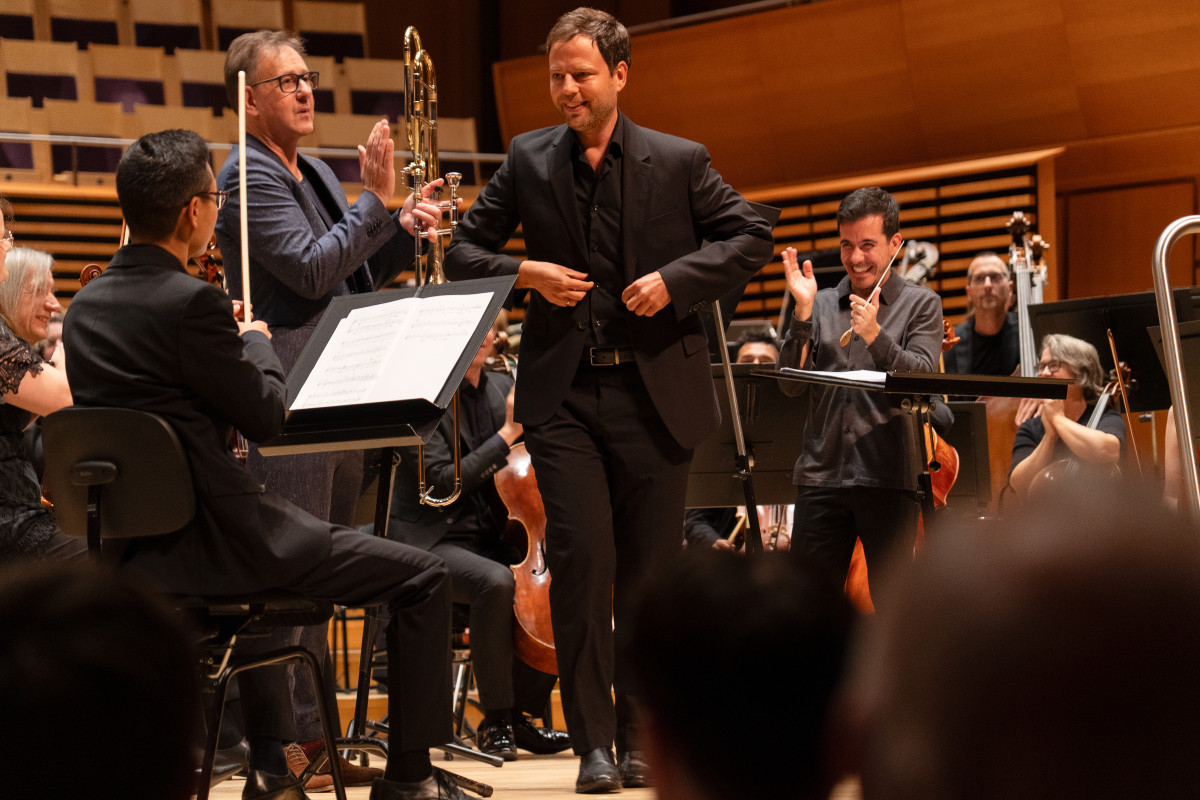
Tapias embraces the lyrical, ethereal qualities of the trombone. It is not a concerto, insists Coll. Perhaps it could be described as a set of frescoes for trombone and orchestra. Whatever the category, it’s a beguiling piece that was gorgeously birthed on Thursday by Ian Bousfield, conductor Nuno Coelho and a sumptuous-sounding Stavanger Symphony Orchestra.

Composers from Sibelius to Turnage have reacted against caricatures of the trombone as brusque and clowning by exploring its dark-hued lyricism. Coll does something more, setting his soloist’s introspective, intervallic melodies in evocative and provocative orchestral contexts. The soloist’s lines can resemble spray-canned tracings on walls already heavy with the patina of history, decoration and graffiti.

Initially the trombone appears to seek repose. The second movement draws it into more agility but the dancing is suppressed: a layered burying of all manner of rhythms from flamenco to Hiphop. Great wodges of rich harmony weigh the boogying down for good. 

The trombone does find peace in the final movement – its long, soulful melodies more yielding. But not before Coll has conjured up moments of huge harmonic strain and conscious orchestral magnificence. They sat well next to Coelho’s fierce performance of Shostakovich’s Symphony No 5 after the interval. But Bousfield’s heartfelt journey through Tapias, sounding entirely at one with the orchestra, will linger longest in the mind.