
James Black
28






Hvornår har man sidst grædt til en koncert med ny kompositionsmusik? I de eksperimenterende rammer er der sjældent plads til den form for patos, der går i tårekanalerne. Men Fei Nie (klaver) og Sofie Thorsbro Dan (violin) fik det næsten til at ske for mig. Det var James Black-værket Colossi, der gik rent ind. Min sidemand var endda helt grædefærdig.
‘Kulturmøder’ var aftenens tema. Komponisterne havde det til fælles, at de alle er flyttet fra deres hjemland. Selve koncertens opbygning havde også karakter af hjemme-ude-hjemme. Duoen startede og sluttede på deres respektive hovedinstrumenter – overlegent håndteret med et væld af udvidede teknikker.
Aya Yoshidas Decode og Bára Gísladóttirs Prussian Blue var dog komplet væsensforskellige. Decode føltes ivrig, tangerende til det forhastede. Der skulle spilles med omvendt bue, pustes på violinen, og klaveret skulle agere guiro og bordtennisbord. På rekordtid var kortene lagt på bordet. Omvendt var maleriske Prussian Blue mere tålmodig. Særligt var det en fornøjelse at høre Dans vekslen mellem kvalt bariolage og lange toner, der efterhånden åbnede sig nidkært i klangen.
De to værker i midten var også som nat og dag. Selvom det var friskt at orkestrere Xavier Bonfills ambiente 2x2 for de to instrumentalisters stemmer, faldt grebet til jorden. Man savnede bredden i klangrummet af den sfæriske midi-meditation.
Men James Black stjæler overskriften, nok engang. Selv vogtede han, som den mest knuselskelige gudeautor over værket på en storskærmsvideo. Man skal ikke forveksle hans absurditeter med kaos: Black komponerer med en rigid stramhed. Netop derfor bliver hans udtryk ekstra virkningsfuldt, når det giver tegn til følelsesapparatet. Den rørende sidste sats, hvor Dan havde bevæget sig ud i våbenhuset, og duoen spillede en adspredt sus-pop i hver sit rum, imens Black malede sig med læbestift på skærmen, er i hvert fald noget, jeg sent vil glemme.

It was officially confirmed only recently that Icelandic avant-garde star Björk is visiting Bielsko-Biała today. After keeping it under wraps until the last moment, the organizers of the Wędrujący Festiwal (Wandering Festival) have revealed that Björk is the artist closing out the festival's grand finale.
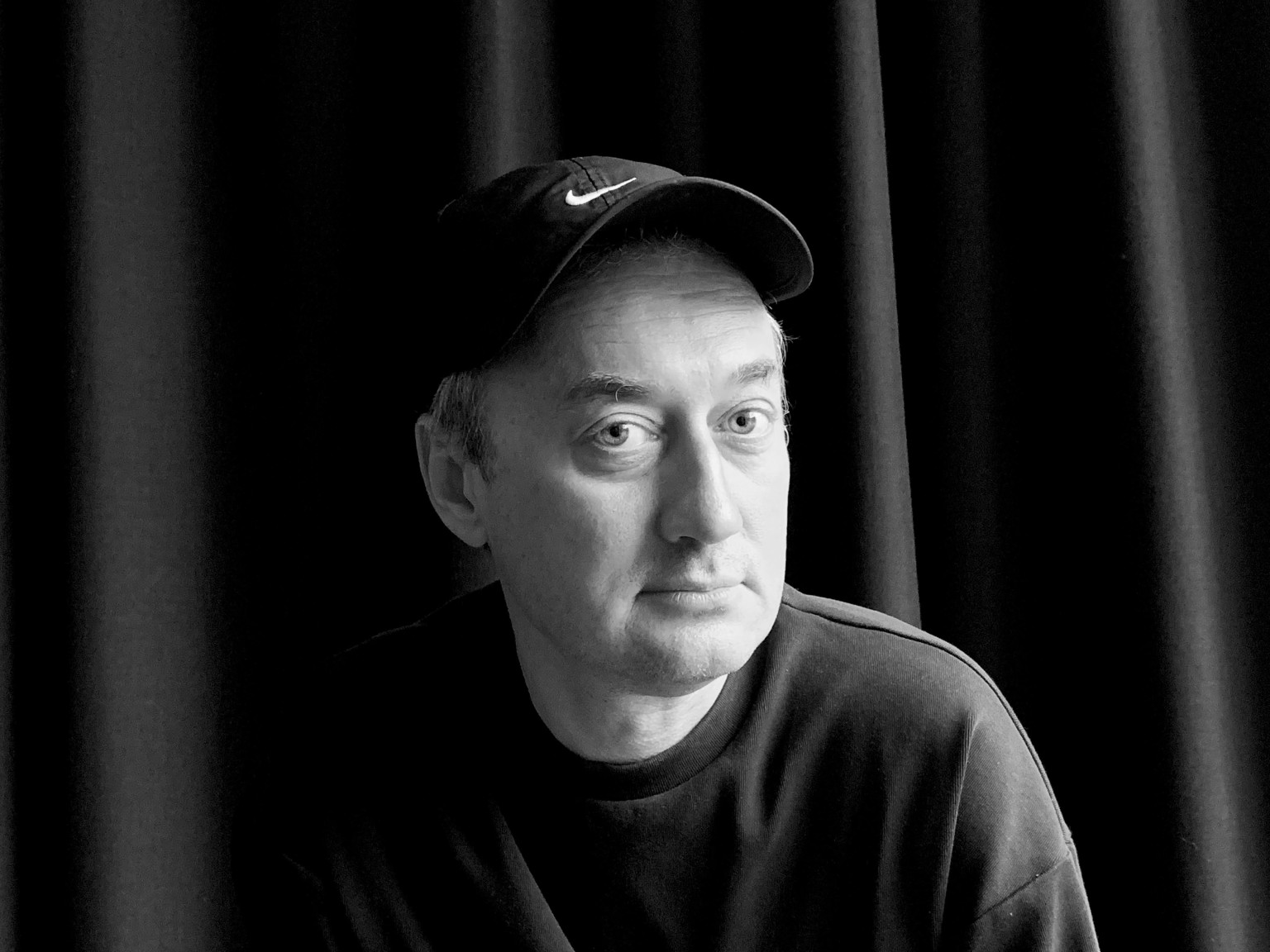
»Recently, I discovered that when a couple of thousand people clap their thick gloves in minus 30 degrees, it sounds like the softest techno – a freezing space where the cold air turns into a wave of warmth, and we, in a moment of collective devotion, become one with the rhythm, one with the invisible bond that connects us in the warmth of silence. Music is not just sounds, but a vain attempt to capture the infinite, which has always been and always will be.«
Andreo Michaelo Mielczarek has been the editor-in-chief of Seismograf since 2021. He is also a music critic and cultural journalist at Kristeligt Dagblad and Århus Stiftstidende/Avisen Danmark and has over the years written to publications such as Kunsten.nu, Glissando (Poland), Neural (Italy), Raw Vision (UK), Nutida Musik (Sweden), Kunstkritikk (DK/Sweden), Iscene.dk, B.T., and Jazz Special. He is the author (together with Lars Muhl) of the book HVA' SAA! En guidet rutsjebanetur gennem Aarhus – før, nu og i fremtiden (2024) and has also contributed to the anthology on music criticism Man skal høre meget (ed. Thomas Michelsen and Claus Røllum-Larsen, 2024). He is a founder and partner in the Polish-Danish cultural organization Kultur(a), and wherever there is a piano, he will be there, eager to coax a melody from it.
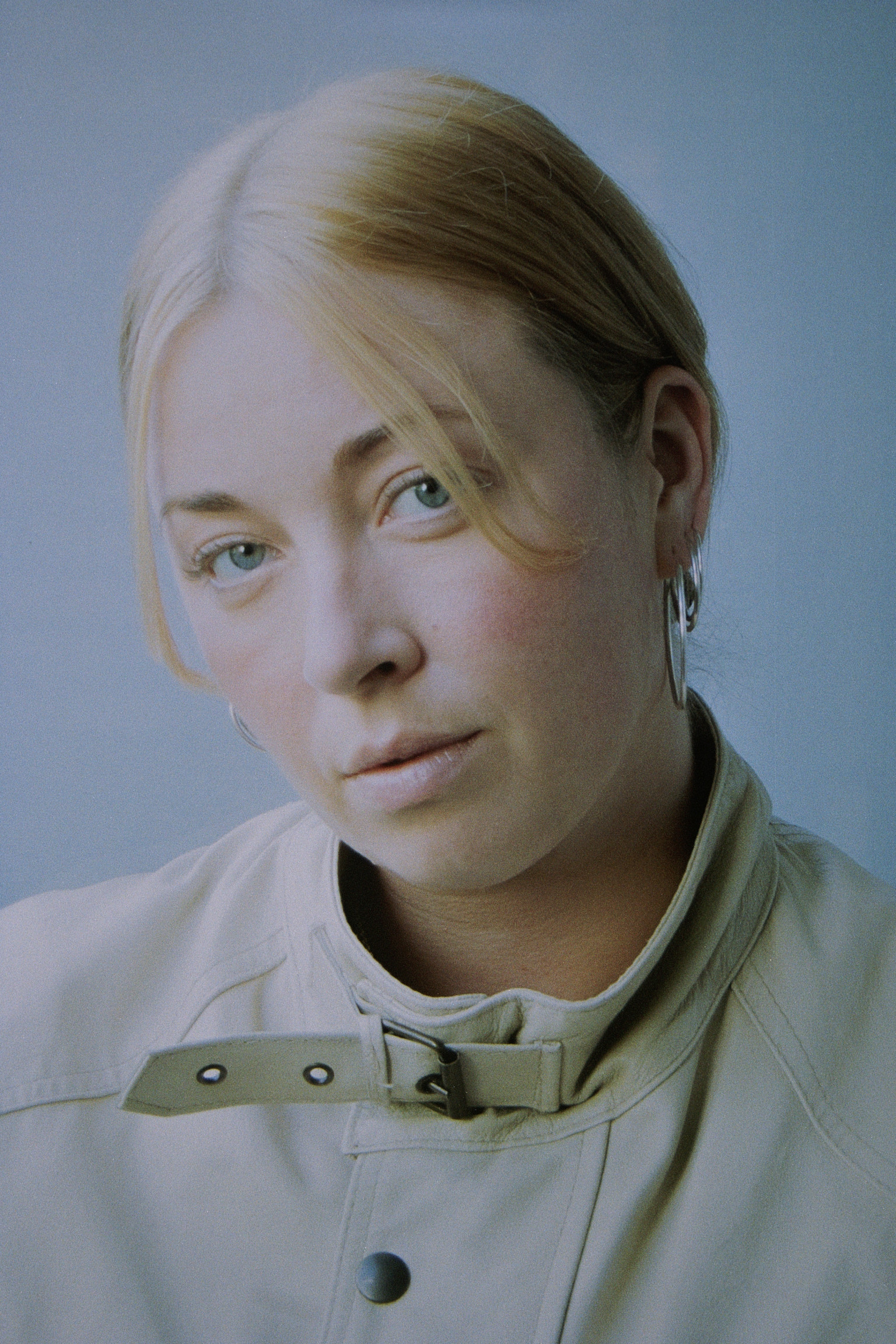
»For me, music is an opportunity for transformation.«
Aria Leth Schütze is based in Copenhagen and is the creative force behind the music projects Alto Aria and Samler På Dig. They are a co-founder of the record label Rhizome and a co-editor of the music magazine Passive/Aggressive. Their practice brings together electronic and acoustic music in an exploration of transformation.
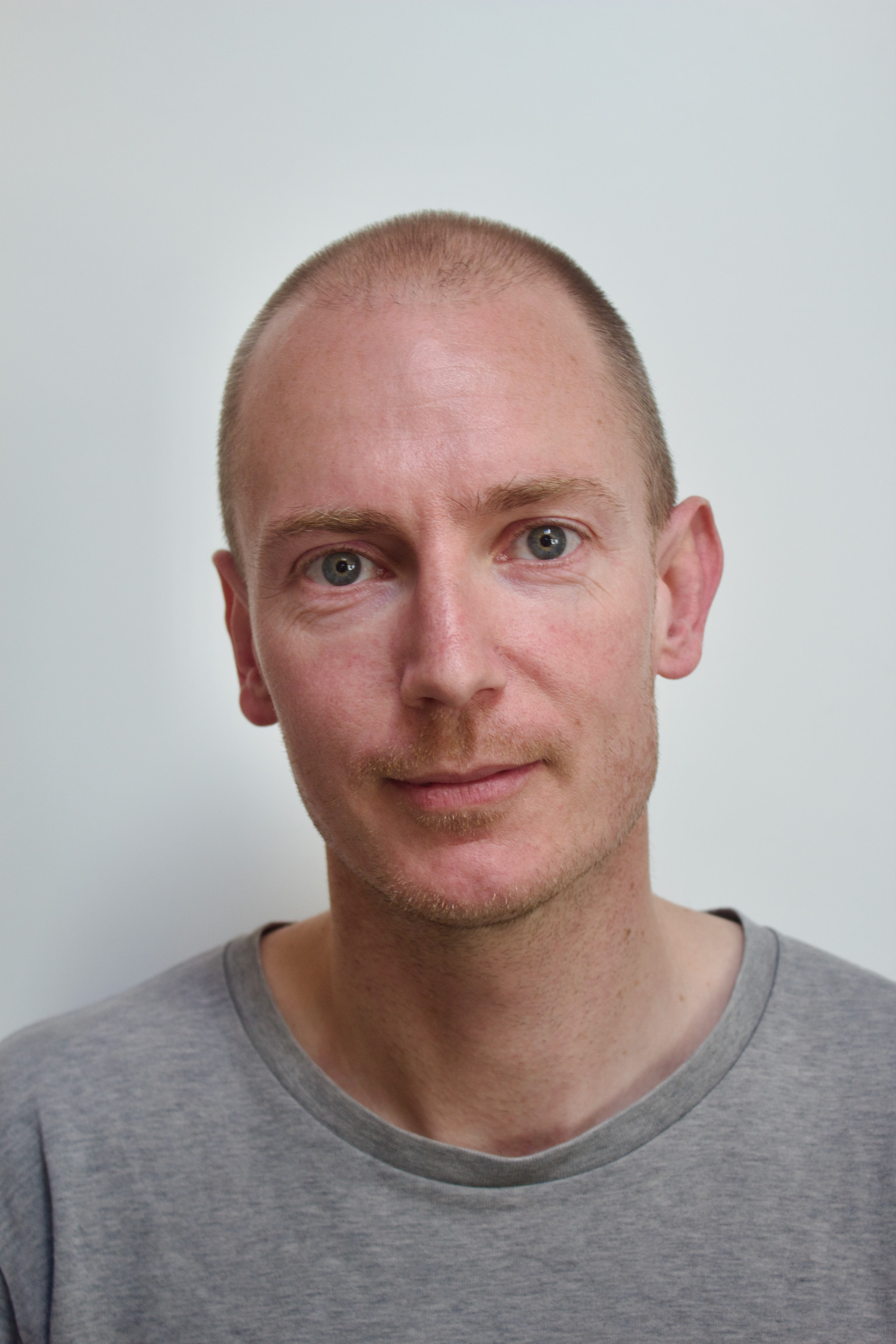
»For me, music is the art form that – if measured in hours and minutes – occupies by far the greatest part of my life. I cannot sing, nor can I play an instrument, but I can listen – as a happy amateur – while cycling, on the dance floor, and, above all, at the office. I almost always work – that is, write – to music.«
Mikkel Krause Frantzen (b. 1983) is an associate professor at the Department of Arts and Cultural Studies, a literary critic for Politiken, and the author of several books in English and Danish, such as En fremtid uden Fremtid (2018), Klodens Fald (2021), and Slutspil (2024).