Simon Steen-Andersen
66






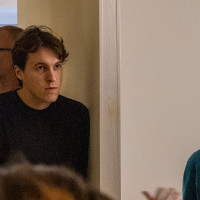
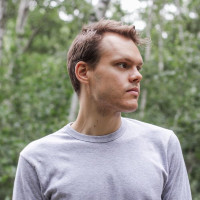
Det er et ydmygt emne, Simon Steen-Andersen har valgt til sin performance Walk the Walk: emnet er at gå. Følgerigtigt går de fire performere fra schweiziske Ensemble This Ensemble That rundt på scenen både i almindelige og lysende sko, på stedet, på løbebånd, og bare helt normalt. Walk the Walk er en tour de force gennem forskellige vinkler på emnet, og forskellige vinkler at lave teater på. Performerne er del af en nøje timet score, hvor hvert et skridt og til tider enhver stavelse skal leveres pointeret for at gå op i en højere enhed med scenografi, lydplayback og de øvrige medspillere. Instrumenter spiller de ikke på, de spiller på og med rekvisitterne; sko eller mikrofoner for eksempel. Kun helt til sidst får perkussionist Brian Archinal lov til at røre drumsettet, indtil også det bliver taget fra ham når det bliver hevet op i luften. Trommerne spiller videre, dog, ved hjælp af en slags trommeslagsmaskine. Scenografien tager over.
Tysk teater ser ud til at have inspireret komponisten, der arbejder med kneb som meta-samtaler om værket i værket (som den tyske instruktør René Pollesch), musikalsk nonsense (i stil med noget Christoph Marthaler kunne have fundet på), eller en scenografi der bliver til et selvspillende instrument (som Heiner Goebbels tidligere har gjort). Bedst fungerer værket, når sammenhængen mellem emnet og det sceniske og musikalske bliver tydligt, som når performerne går i takt med et lydsample, der bliver kortere og kortere, og det udsnit af scenen, vi som publikum ser, bliver mindre og mindre. Mindre godt fungerer det, hvor musikerne agerer som skuespillere, eller skal lipsynche til lydklip, hvilket de desværre gør rigtig meget.
Walk the Walk er en multimediel undersøgelse af et tilsyneladende banalt tema. Men præcis hvorfor vi skal se et stykke om at gå bliver ikke helt klart. Snarere virker emnet som en undskyldning for de forskellige permuteringer af mediale konstellationer, komponisten vil lege med. Live-tale, optaget tale, samples, scenografi, rekvisitter, lys – alt dette er instrumenterne, Steen-Andersen bygger sin komposition af. Imponerende er det, og han finder på originale kombinationer. Æstetisk efterlader det et blandet indtryk. Et eller andet sted mellem sofistikeret koncept, en hjemmelavet virkende scenografi, drenget humor og lecture performance. Steen-Andersen spiller højt risiko når han vælger selv at stå for alt fra musik til scenografi, lys og instruktion. I nogle få øjeblikke bliver publikum belønnet med noget enestående. Men hvorfor ikke have tillid til et dygtigt hold skuespillere, en scenograf, lysdesigner, dramaturg eller en instruktør? Den præcision, værket forlanger, bliver ikke helt forløst.
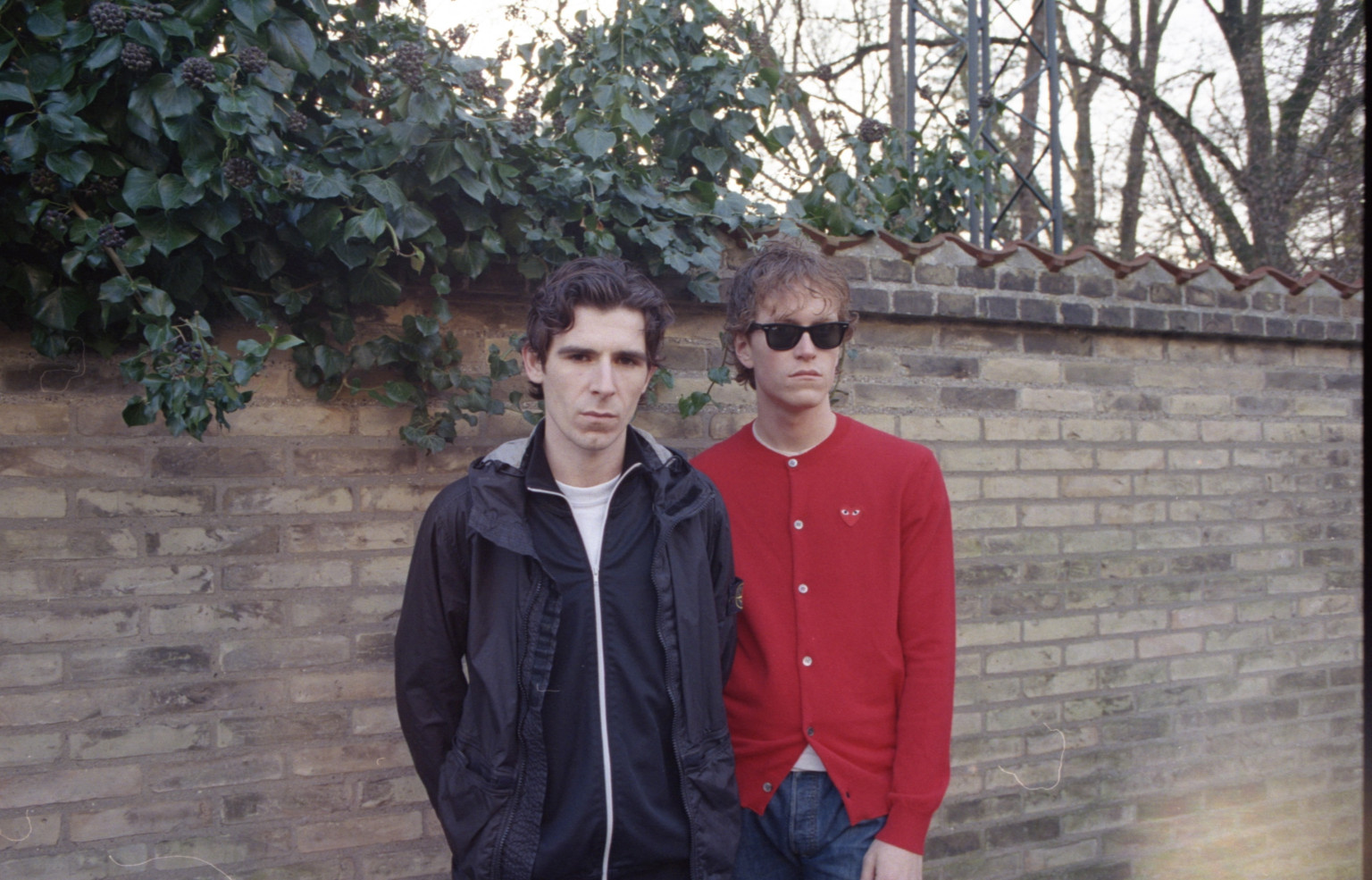
»For us, music is a passion, a livelihood, and a focal point for us and our best friends in the band.«
Barselona consists of Rud Aslak and Rasmus Theodor. The band was formed in 2016 after a year at Ollerup Musikefterskole and has since released five albums and two EPs, most recently the album *Tag Min Hånd, Så Slipper Vi*, which is set for release in September 2026.
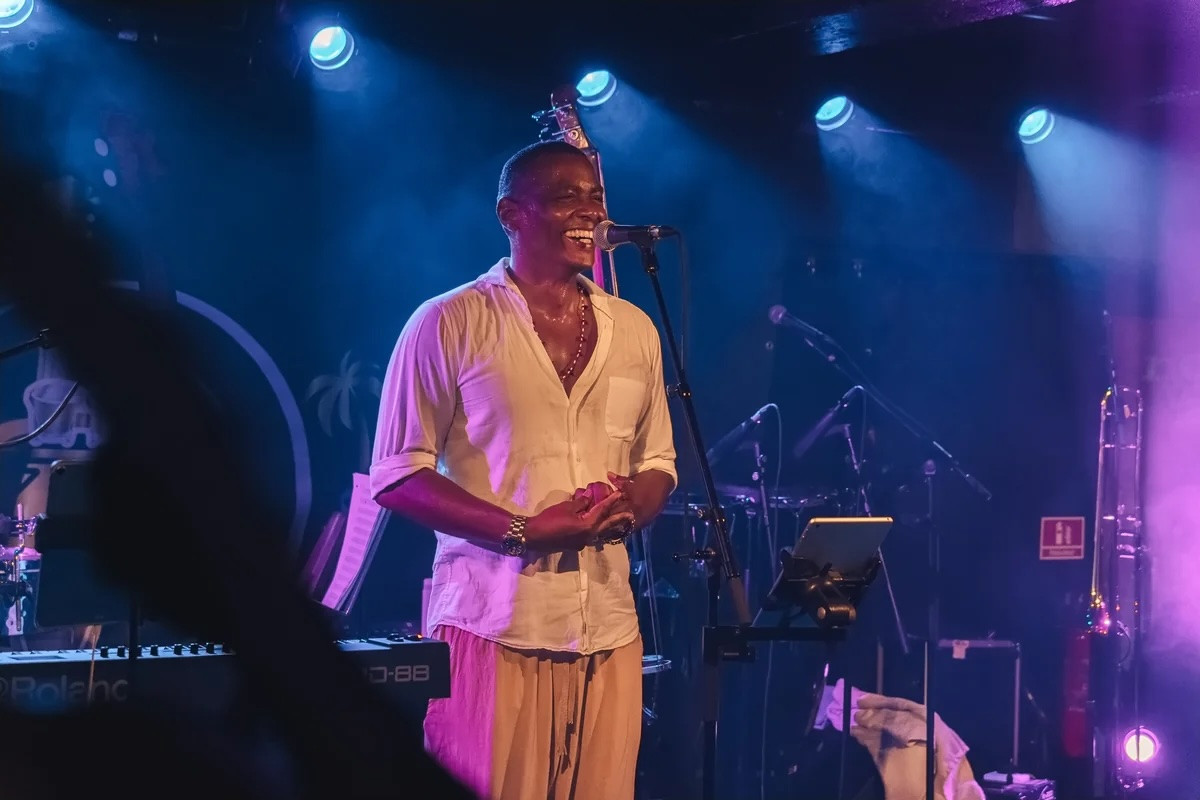
»To me, music is humanity, community, a smile, a conversation, a moment, an eternity«
Abel Alazo Rangel is the founder, curator, and producer of the Nova Concerts Series in Copenhagen. Nova began as a festival in 2003 and was relaunched as a concert series in 2023. Through Nova, he presents musicians and creates musical encounters that bridge the Cuban, Latin American, Danish, and international music scenes.

There is something almost dogmatic about Mike Sheridan’s latest album, Touch. Everything leads back to the Cristal Baschet – a peculiar instrument from the 1950s in which sound is produced by running wet fingers over glass rods, setting metal resonators into vibration. No strings, no keys, just glass, water, skin and friction, slowly making the metal sing.
The Cristal Baschet is not merely an instrument on Touch. It is the album cover, the subject of the press photos, and almost the very argument for the album’s existence.
It recalls the material fetishism found in the American duo Matmos, whose music is often built around a single material or sound source: metal on Metallic Life Review (2025), plastic on Plastic Anniversary (2019), a washing machine on Ultimate Care II (2016). What is interesting about such constraints is that they ought to force the music somewhere it otherwise might not be able to go.
While listening to Touch, a question therefore begins to press itself forward: Which of these sounds could not have existed without a Cristal Baschet?
There are glassy tones that hang in the air and slowly change texture. Thin, cutting vibrations. Metallic surfaces that flutter, ripple, open and close. A constant sense of droning resonance; of something vibrating just on the other side of the audible.
Sheridan’s layering is meticulous. There is a precision to the mix, an almost surgical sense of the distance between the different textures. The best moments occur when the surface is disturbed: something that scratches at or short-circuits the otherwise tightly controlled resonance. On »BOW / GROUND«, for instance, deep bass pulses suddenly enter, creating a different physical quality – crackling, heavy, like something hitting the floor.
But Touch is first and foremost a well-produced ambient album. It moves through different degrees of the same state, changing nuance without ever truly changing its skin. That is not necessarily a weakness. There is something consistent, almost meditative, in Sheridan’s insistence. But the longer one remains in the same sonic state, the more one begins to miss what ought to be the Cristal Baschet’s particular possibility.
This is where the disappointment lies: in the gap between the instrument’s strangeness and the music’s conventional appearance. The sounds have been assimilated into a familiar ambient vocabulary, where the extraordinary instrument ends up producing something surprisingly familiar. You can hear that something unusual is happening at the source of the sound. But you cannot necessarily hear why it had to be this particular instrument. Had one not been told that a rare, almost otherworldly acoustic sculpture was standing in the room, one would hardly have guessed it.
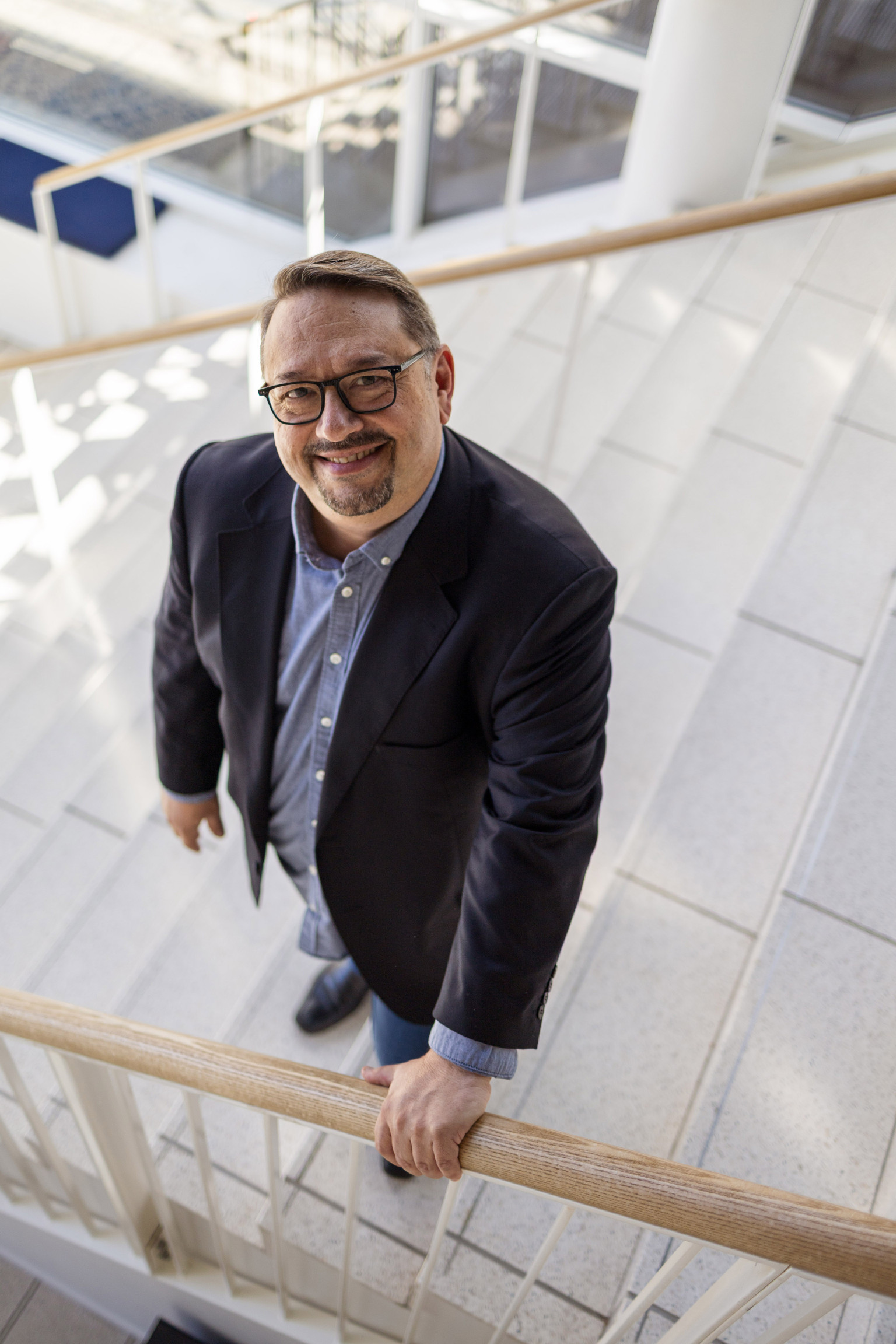
»Music is my life. It has accompanied me all the way and given me experiences, friendships and opportunities that I could never have imagined.«
Pablo Fernández is a Spanish musician and the new Head of Classical Music at the Royal Academy of Music, Aarhus/Aalborg. For many years, he was principal tuba player with the Barcelona Symphony Orchestra and has taught at higher music education institutions in Spain and Denmark. He is also active as a conductor, soloist, guest lecturer and jury member at international competitions. Fernández has extensive experience in the management and development of music projects, festivals and international collaborations. He has lived in Aarhus since 2014 and has been affiliated with the Royal Academy of Music since 2021.
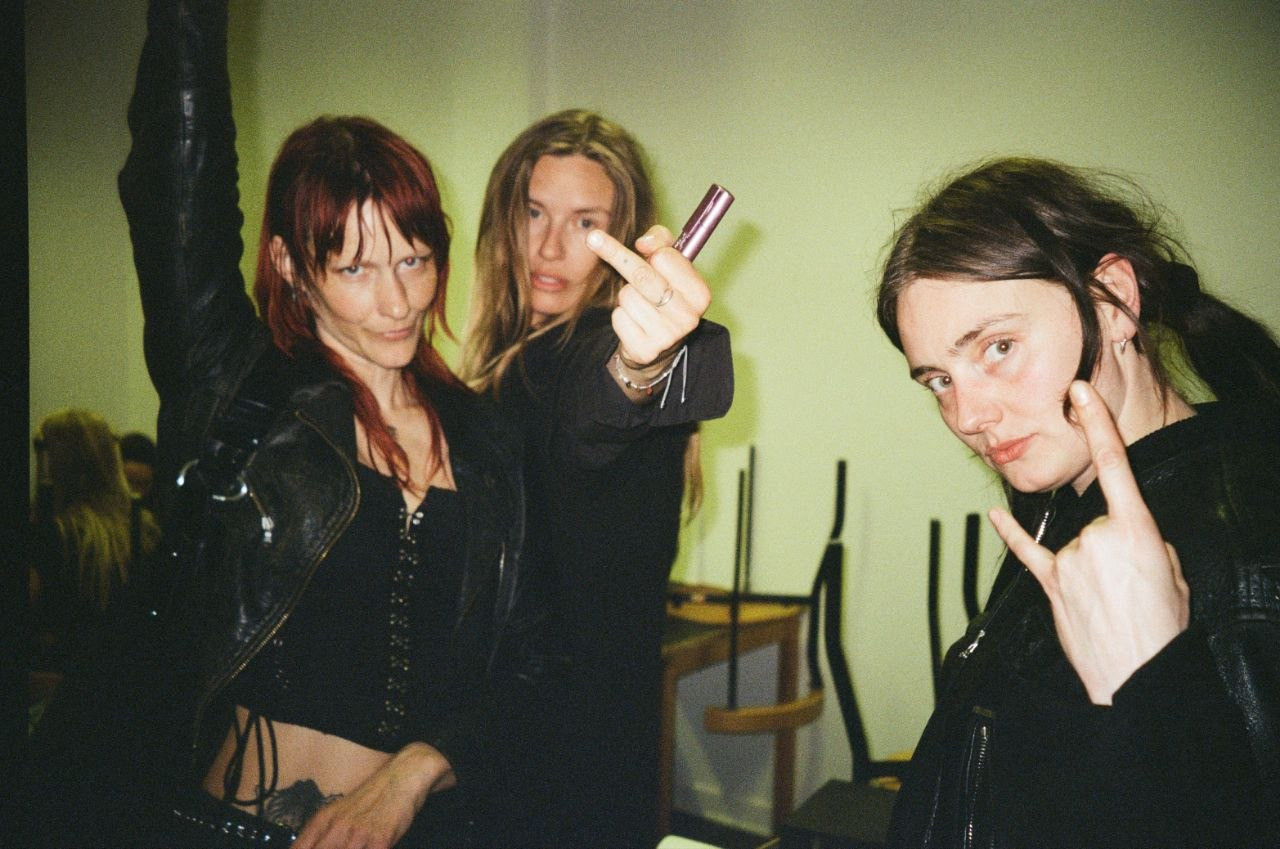
»Music is, to us, a kind of closed club of nepotism, networking and Copenhagen cowboy energy. But in reality, it’s got nothing to do with expensive guitars or technical skill. For us, music is something you can feel in your chest, or something that gives you goosebumps. The best concerts are when someone screams so earnestly that the rest of us don’t have to. The best music expresses emotions in a way that would get you picked up by an ambulance if you did it out on the street. For us, music should fuck with the people who have it too comfortable, and give those who have it fucked a feeling that they’re not alone. Boom. And what the fuck is a chord and a key anyway? Kisses from Nightmaries.«
Nightmaries blend saws, guitars and voices into a dark-country, no-wave, cowboy-doom nightmare. They create the kind of soundtrack that feels like a fever dream you somehow don’t want to wake up from. As the world gets stranger and darker, Nightmaries lean into the madness, serving up slow-burning songs that creep under your skin like a poison that takes its sweet time. Put on your favourite steel-toe boots, dip your smoky eyes in an ashtray, and prepare yourself for sloppy doom with punk energy.