In brief
30.08.2022

Kirkerave med lammeskyer 

Aarhus Festuge: »Rum der forkynder« – SKY H1 & Mika Oki
© Martin Dam Kristensen

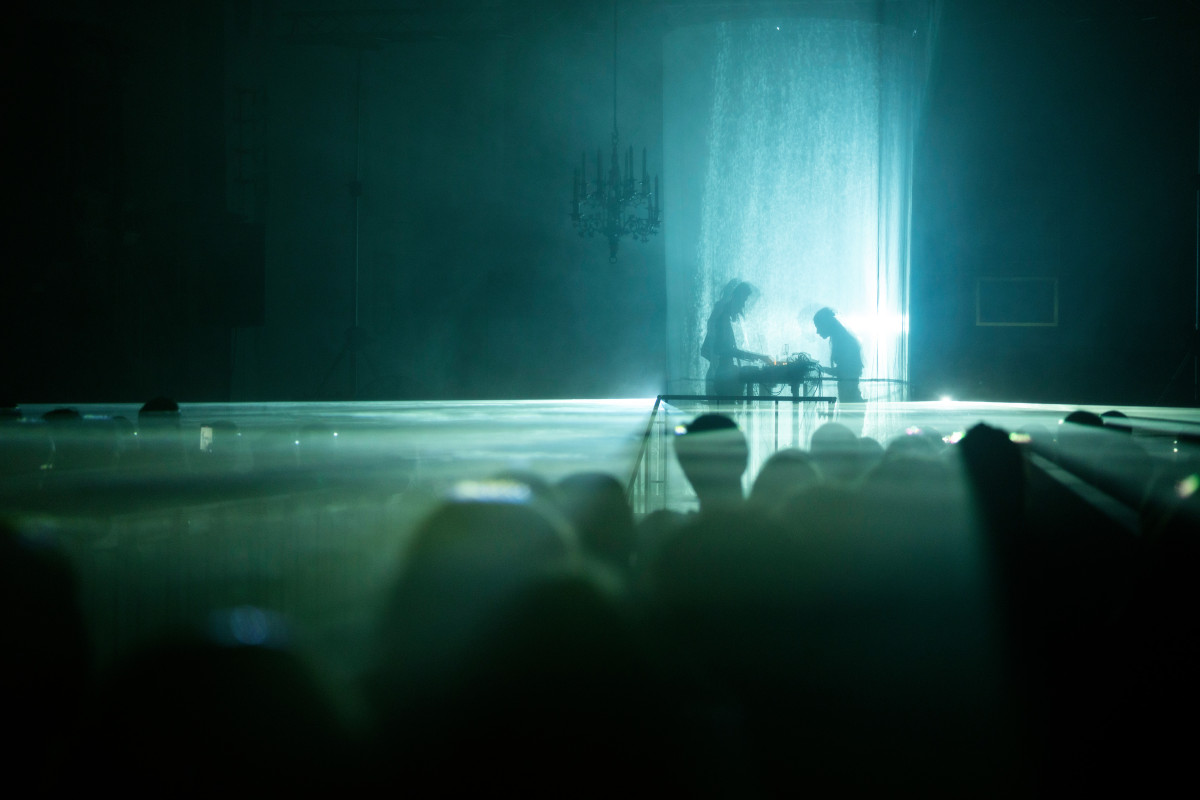
Under den korsfæstede Jesus stod SKY H1 og Mika Oki ved deres mixerpulte indhyllet i en to-tre meter høj cirkel af semitransparent hvidt stof. Elektroniske orgeldroner strømmede ud i rummet, blandede sig med lyden fra en røgmaskine. Over os bredte sig blåt lys. 

Industrielle trommer og breaks blandede sig med det flydende soundscape tilsat fuglefløjt og melodisk synth indtil tunge basbeats tog over. Kunstnerne lignede pixelerede sort/hvide figurer i det runde tårn over en himmel skabt af lyskegler og røg. Angelisk synthkor afløstes af en basdrone, imens en solopgang brød frem i blå, røde og grønne nuancer.

Blåt lys og røg dannede lammeskyer, Jesus lyste op i glimt, kegler af stroposkoplys kastede sig ud over publikum, og det, som begyndte med orgeldroner og fuglefløjt, udviklede sig til et technorave med hårde og hurtige slag på elektroniske olietønder. 

På tre kvarter havde SKY H1 og Mika Oki opbygget, gennemført og afsluttet et technorave. En imponerende bedrift, der rejser spørgsmålet om, hvorvidt man skal høre hård house i en kirke, hvor flere kan være med, imens de kunstneriske og æstetiske aspekter af genren fremhæves og bevæger musikken fra lyssky undergrund til kunst i de hellige haller. Principielt: Ja. I praksis skabte de hvidkalkede vægge og hvælvinger en hård refleksion af lyd og lys, og det var usikkert, om kunstnerne havde taget højde for, at de ikke længere optrådte i en mørk natklub. 

Et komprimeret kunstværk, der dog ikke kan konkurrere med sine rødder i deres naturlige habitat, hvor tid, bevægelse og rum er vigtige faktorer for den fulde oplevelse.   

I anledning af Music City Aarhus 2022 sætter Seismograf fokus på musik, lydkunst og komponister i Aarhus. 

© Pavlos Fysakis

»Music involves a mix of noise, of existing or fabricated instruments, of alternative worlds that the sounds and voices assemble. Some are gentle, some less so. We shift gears with music, it shifts intensity, we shift with it. I listen when I can.«

Jussi Parikka is a Finnish cultural historian and writer who works at Aarhus University as professor of Digital Aesthetics and Culture. After some 15 years in the UK, he continues in Denmark his work on how ecology, digital culture, art and design, and philosophy intersect. He has written on visual culture and history and archaeology of media, including the recent books Operational Images (2023) and Living Surfaces: Images, Plants, and Environments of Media (2024) which is co-authored with the Madrid-based artist Abelardo Gil-Fournier. Besides his writing and work as educator, he has been active as a curator including the recent show Climate Engines at Laboral, in Gijon (Spain) that was co-curated with Daphne Dragona as well as his involvement in the curatorial team of Helsinki Biennial 2023.

In brieflive
09.04.2024

Ballet’s New Power Duo

Josefine Opsahl: »Passengers of Passing Moments« (Koreorama nr. 01)
© Henrik Stenberg
© Henrik Stenberg

Josefine Opsahl herself sits on stage in the Australian-Danish choreographer Tara Schaufuss’s ballet Passengers of Passing Moments, for which Opsahl has composed the music. In fact, she almost steals all the attention from the ten dancers, as it is fascinating to watch the 32-year-old cellist’s theatrical immersion and her very active use of her right leg to control the loop and effects box.

The nearly half-hour ballet score is inspired by Bach, but also conveys a highland-like sense of drama through sampled breathing, stabbing subdivisions, and pronounced reverberation. It begins with delicate, bright major-key tones, but quickly moves into the depths, finding throbbing bass and timpani-like resonance. Emotions rush through every bow stroke.

The theme of the ballet is time. In fleeting moments, the dancers are caught in Opsahl’s small, mechanical loops; later, a dark, melancholic space is established, in which a young woman sinks into a memory. Extended sounds and overtones signal a time put out of joint; a faint wind is heard, a ticking fades in, and suddenly she has dreamed her beloved into being.

The woman moves like a ghost among the other bodies as Opsahl intensifies her playing, shifting between triple and quadruple meter. At one point, it is as if she disappears entirely into the violent temperament of the music; her dramatic flair turns Bach into an Avenger-like hero, and this suits Schaufuss’s focus on the force of emotions remarkably well. It is saturated, direct, and seemingly made for a grippingly intense choreography. A powerful partnership on the grand stage.

© Sebastian Gudmand-Høyer

»Music is a full bodied, raw and physical exchange. It’s an absorption that is overwhelming, that sometimes grants you relief. Music is interactive, and depends on you as a listener.« 

Alexander Tillegreen is a composer and artist who operates both visually, sonically and spatially. He works in a plurality of formats including multichannel sound installations & performances, interactive listening sessions, paintings, prints, light and concerts as well as exhibitions, commissioned works, and releases. In 2023, he presented a cycle of new commissioned sound works for the Darmstädter Internationale Ferienkurse für Neue Musik. Same year, he released his debut album in words on the acclaimed German electronic music label rastermedia. 

Alexander Tillegreen’s work has been the subject of numerous institutional solo and group exhibitions including: A Bruit Secret – Hearing in Art at Museum Tinguely in Basel (2023), O-Overgaden Institute for Contemporary Art in Copenhagen (2022), FuturDome Museum in Milano (2022), Kunstverein Göttingen (2022), Kunstforeningen GL Strand (2023), Museum für Moderne Kunst in Frankfurt (2017), and The National Gallery of Art in Copenhagen (2008). He has presented his music at many festivals and venues including STRØM Festival, Roskilde Festival, and CTM Festival. 

His most recent work investigates the relationship between psychoacoustic sonic phenomena and their potential to reflect and awaken the listener’s own linguistic and cultural embeddedness and co-creative embodied, interaction as a listener. 

He has been conducting artistic research at the Max Planck Institute for Empirical Aesthetics. This research centers on aspects of attention, spatial sound, voice, gender, identity, embodied co-creation, and language perception in relation to the phantom word illusion – a language-based psychoacoustic phenomenon, that triggers the illusory sensation of hearing inner streams of words that are not necessarily acoustically present.

In 2024, Alexander Tillegreen will represent Denmark at the ISCM World New Music Days on the Faroe Islands.

In briefrelease
12.03.2024

Music for Lovers, but Not for Me

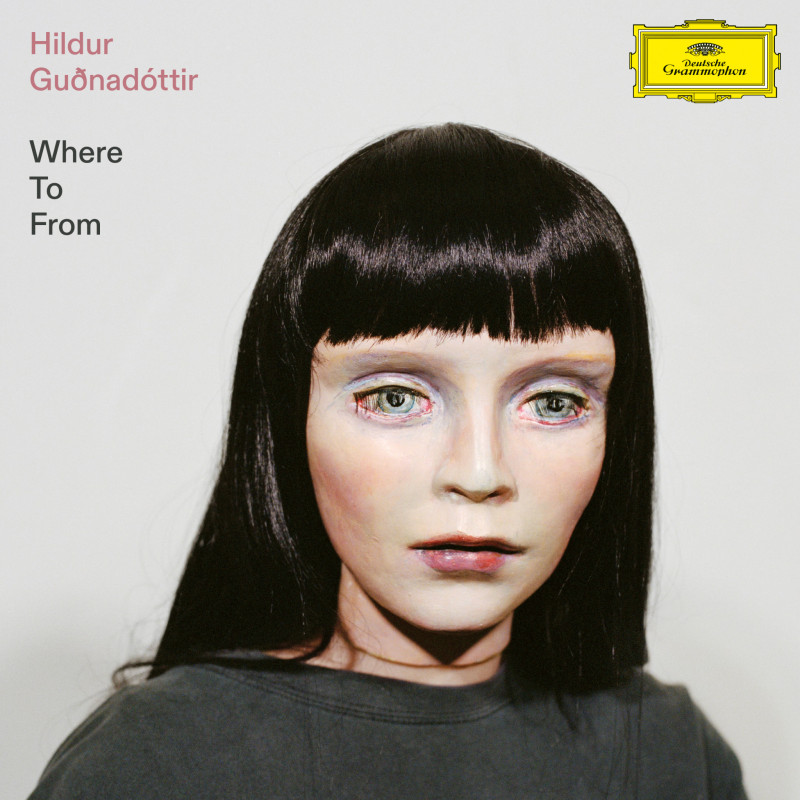
Samuel Rohrer: »Music for Lovers« 
© PR
© PR

With Music for Lovers, the Swiss drummer and electronic musician Samuel Rohrer does many things right. The sound design and mix are luxurious, and the album overflows with an abundance of delicious synth sounds. Precisely for that reason, the absence of the most essential ingredient – the songwriting – feels all the more disappointing.

The opening track, »The Parish Bell«, exemplifies how the songwriting fails to unite the otherwise quite strong individual elements into a satisfying whole. Analog drums play interesting patterns, while synths bubble and sparkle – cold as needle points and soft as cotton swabs. Yet nothing really develops, and the track ends up feeling like a snapshot stretched over seven minutes. This is the case for nearly all seven tracks on the release, plus the eighth bonus track. It feels like a soundtrack lacking the listener’s emotional connection to the medium it is meant to underscore. Here the music stands alone, and it often struggles to carry that weight.

There are highlights: Nils Petter Molvær’s ever-compelling trumpet guesting on »The Gift«, the sublimely sounding space-ambient intro to »Celestial Body«, and the motorik drums that emerge halfway through »Schizophonia«, which, as a rare occurrence, tear the music out of its narrow comfort zone. But still, the songwriting falters, and so while it may be music for lovers, it is unfortunately not music for me.

© Ditte Capion

»For me music is an irregular yet life-long event that requires constant attention in the form of private preparation, rehearsals with others, and performances to audiences.« 

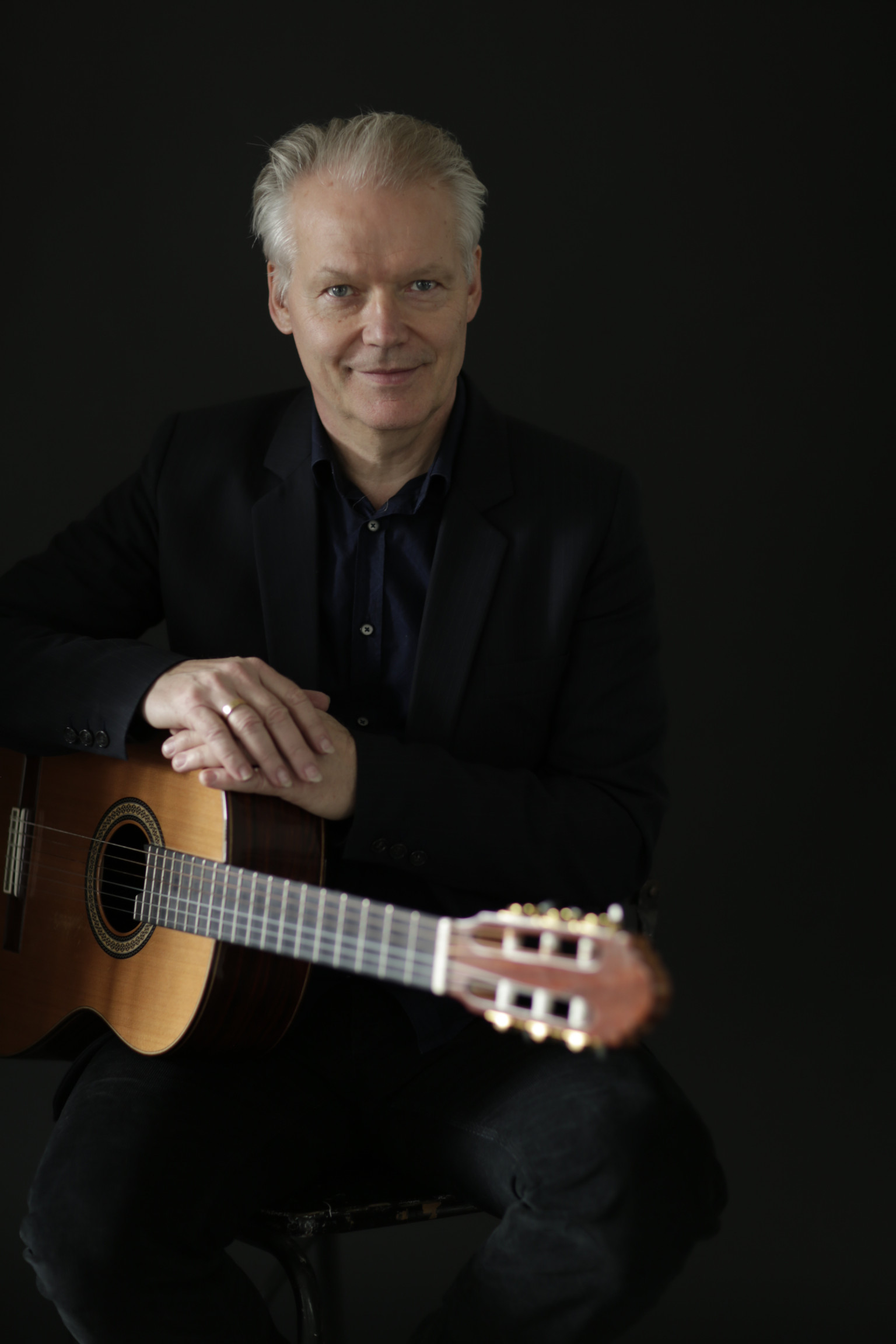
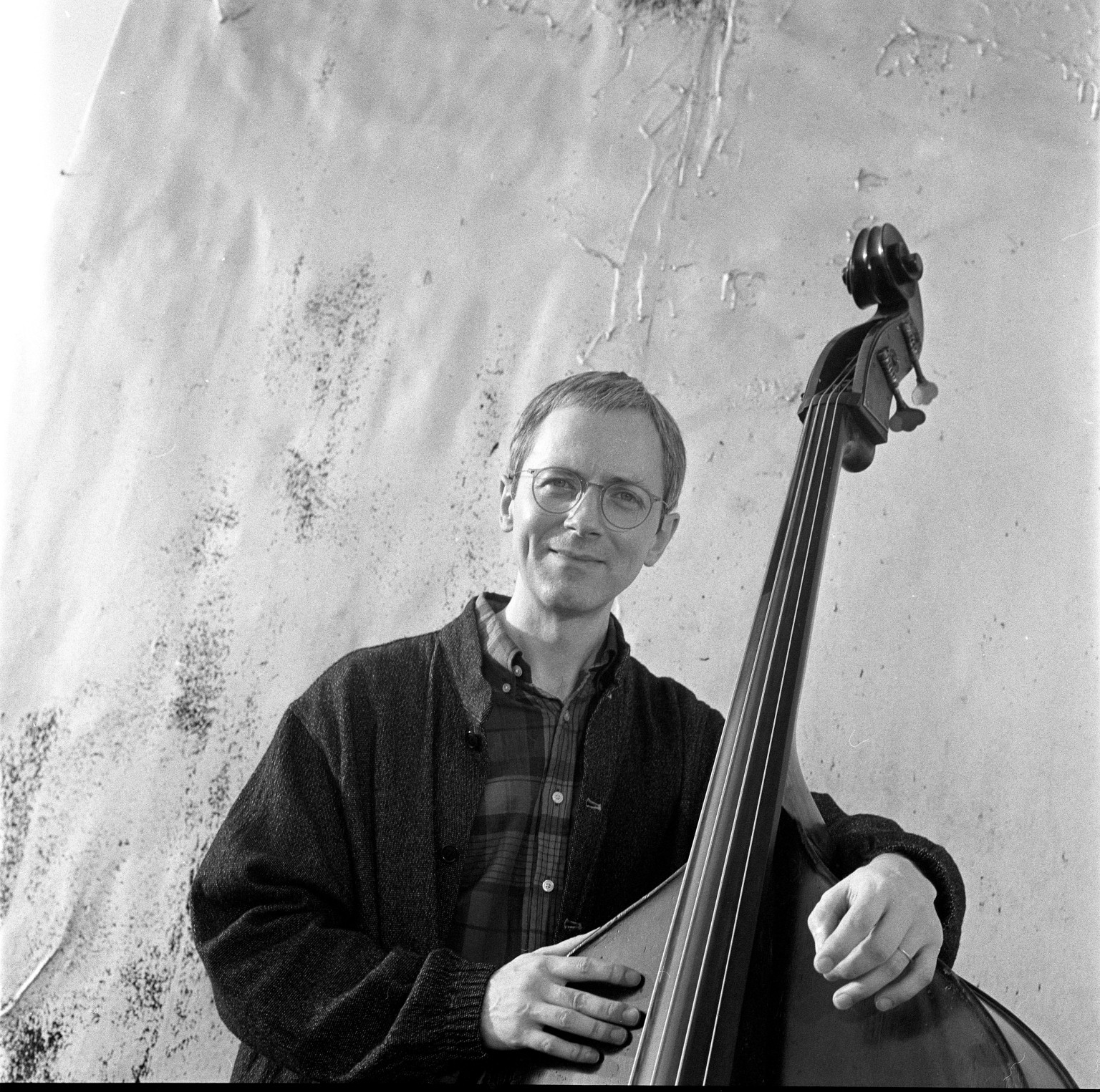
Theater of Voices' founder and artistic director Paul Hillier is originally from England and was educated there Guildhall School of Music and Drama in London. During his career, he has worked as a conductor, singer, teacher, editor and writer. In addition to being the founder of the legendary Hilliard Ensemble, he has been chief conductor for i.a. the Estonian Philharmonic Chamber Choir, is artistic director of The National Chamber Choir of Ireland, and has been chief conductor of Ars Nova Copenhagen since 2003. Paul Hillier has completed more than 200 CD/DVD releases and has won two Grammys. Honors include OBE (Order of the British Empire), The Order of the White Star from Estonia and the Knight's Cross. This week Paul Hillier turns 75.