in brief
05.01.2023

Oh, ve!

Katinka Fogh Vindelev: »Gravitational Shift«
© PR
© PR

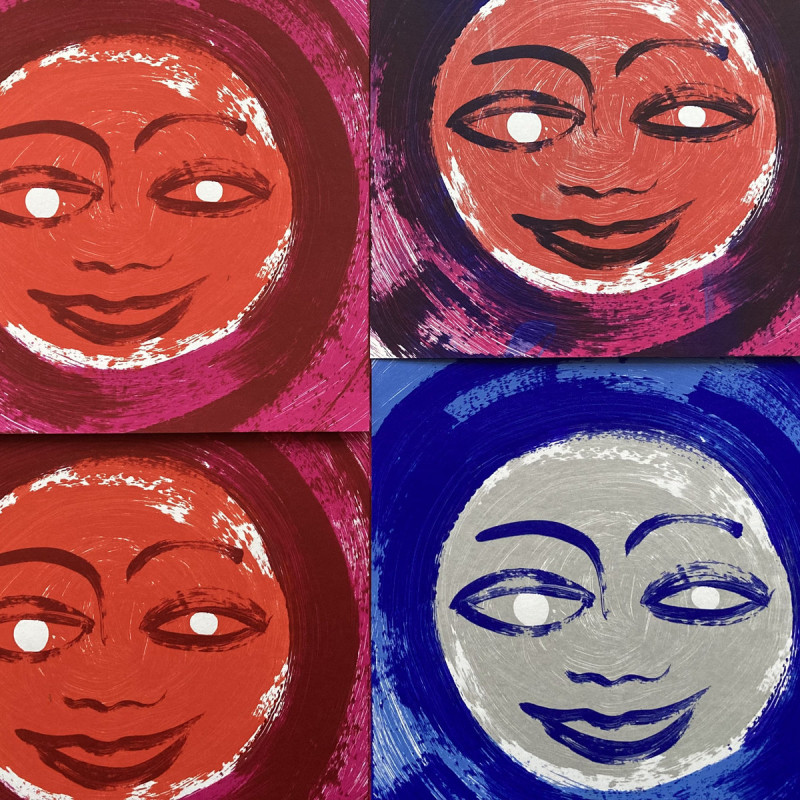
Fra bøgernes verden har vi de seneste år stiftet bekendtskab med begrebet fødselslitteratur: forfattere, der kort og godt og jo ganske relevant skriver om det at føde et barn. Nu er tendensen skvulpet over til lydens verden, for konceptet bag Katinka Fogh Vindelevs Gravitational Shift er, at de fødende furier er blevet transskriberet for kor.

Altså ikke bare en-til-en. Vindelev, der har udtænkt ideen sammen med billedkunstner Marie Kølbæk Iversen, æstetiserer fornøjeligt akten for et utal af stemmer og strækker de lydlige detaljer ud i herligt sadistisk slowmotion. Der er små tyngdefelter af tæt, sitrende klang og sirlige smertensskrig for sopran såvel som baryton – lidelsen har mange ansigter.

Vindelev zoomer ind og ud på de forskellige motiver af udstrakte støn, vejrtrækningsstød og maskinlyd, der tilsammen udgør et svært velklingende og faktisk langtfra uhumoristisk fødselsportræt: Værket er ordløst, men fornemmer man ikke lige, at barytonen synger sit »ah-ah« som et »aha« i en lille tertssløjfe efter det første af de otte veer?

En aha-oplevelse er der i hvert fald tale om med Gravitational Shift. Det kunne let være endt som en total fremmedgørelse af en urkropslig erfaring, men i mødet mellem værkets abstrakte udtryk og stemmernes intime, kropslige nærhed formår Vindelev faktisk at sætte den fødende fri som æstetisk objekt og invitere lytteren helt tæt på i billedskabelsen. Altså, det er jo næsten som at ligge der selv!

© PR

»For me, music is the art form that – if measured in hours and minutes – occupies by far the greatest part of my life. I cannot sing, nor can I play an instrument, but I can listen – as a happy amateur – while cycling, on the dance floor, and, above all, at the office. I almost always work – that is, write – to music.« 

Mikkel Krause Frantzen (b. 1983) is an associate professor at the Department of Arts and Cultural Studies, a literary critic for Politiken, and the author of several books in English and Danish, such as En fremtid uden Fremtid (2018), Klodens Fald (2021), and Slutspil (2024).
© Mads Nissen
»Music is what gets my gears turning. It sets both my body and mind in motion – and on a good day, even gets them up to speed. My listening habits are entirely shaped by my mood... and by the musical tastes of my two children, which shift every eight minutes... so the home stereo gets exposed to a bit of everything. In a way, that’s exactly how it should be. Room for everything and everyone.«
 
David Dyrholm (b. 1990) is a food and music critic for Politiken, focusing on jazz – ranging from the traditional to the modern—and avant-garde music. Alongside this, he has worked for the Modern Jazz Days festival, served on the jury for the DMA Jazz awards, and previously released a number of records with the hip-hop collective DoktorDoktor.
in briefrelease
25.09

An Organ in the Dark Forest of Doubt

Calum Builder: »Although Changed, I Arise the Same«
© PR
© PR

Last year, Builder released Poor_in_Spirit, an album in which he explored, on his own, the sonic possibilities of his self-built organ. It was an album shaped by this exploration, but ultimately also by the limitations of the organ itself. On Although Changed, I Arise the Same, the composer finds a way beyond them.

The organ is now joined by three additions: Builder’s own alto saxophone, along with the voices of Zola Mennenöh and Johanna Sulkunen. It makes all the difference, providing the diversity of instrumentation that Builder has repeatedly demonstrated his ability to compose for. At times, the organ’s bass sinks beneath the voices and saxophone like a light haze; at others, it envelops them in a heavy fog. It howls like wind in the trees and roars like a train in the night. Mennenöh and Sulkunen sing, chant and breathe simple, repetitive phrases about spiritual uncertainty and searching, as though lost in the dark forest of doubt.

It is a Spartan form of storytelling, giving the listener enough lyricism and atmosphere to set the mind in motion, but never so much that it becomes overwhelming. This is where Builder’s strength lies: his music clearly grows out of his life and experiences, yet he composes in such a way that the listener is invited to enter the story with their own imagination.

Builder determines the colours, but leaves part of the picture to the listener. It is an album that is far more restrained in its dramaturgy than previous releases. No less beautiful or inspiring for it.

English translation: Andreo Michaelo Mielczarek

© PR

»For us, music is a transcendent force with transformative potential – something we get to experience and shape when we create sound together. It is an opportunity to describe one’s innermost universes without words, and the best way for an introvert to express intense emotions at full volume.« 

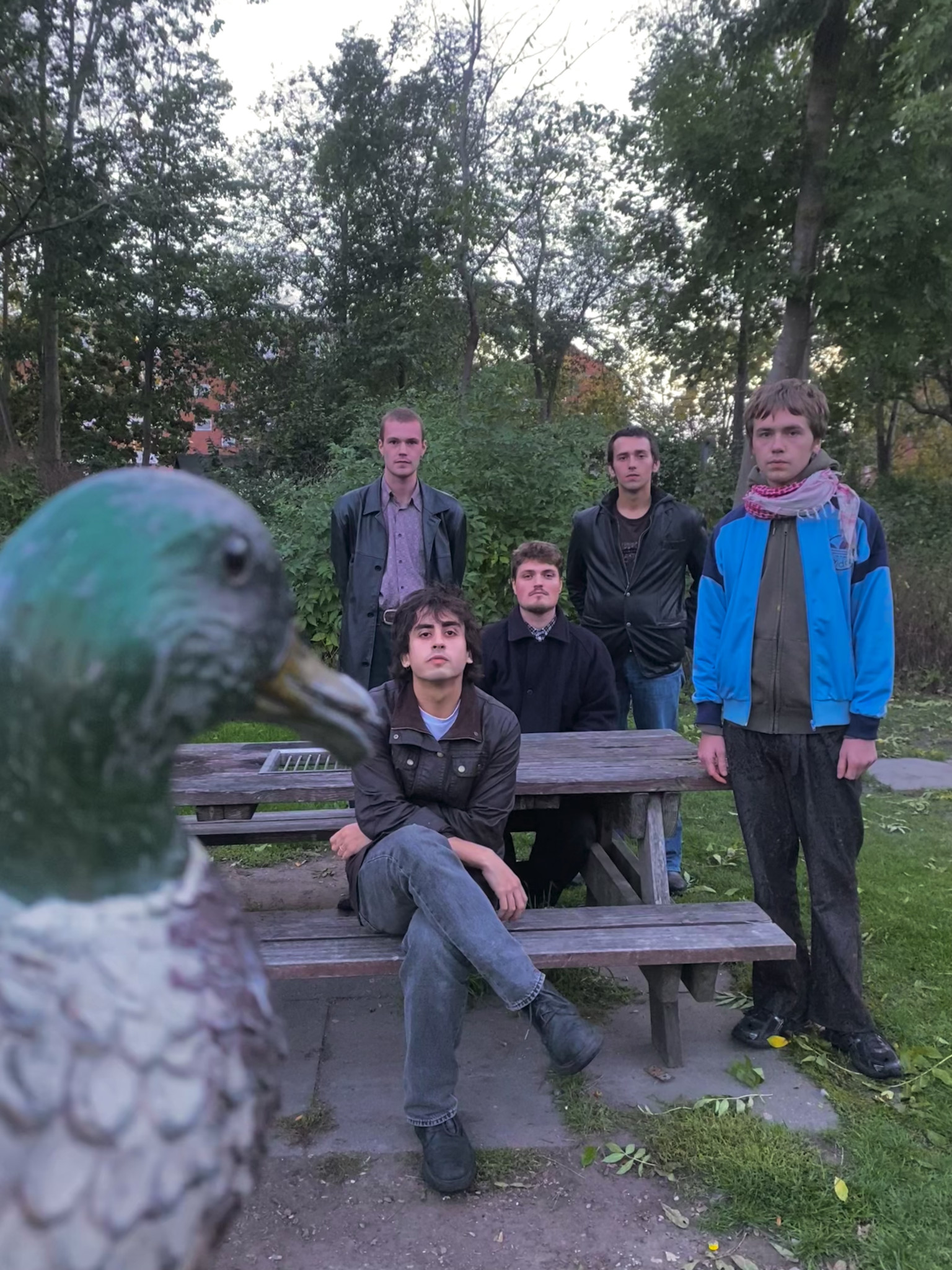
With roots in Copenhagen’s experimental jazz and punk scene, Echo, Bravo challenges the notion of what a rock band can sound like. The quintet blends post-punk, free punk, and noise rock into a raw and unpredictable soundscape. They describe the music themselves as a kind of »empty-the-fridge soup,« where various leftovers come together. »Best enjoyed as a hot meal in a cold industry.«


© Ultima
© Ultima

Thorbjørn Tønder Hansen has died. With Thorbjørn’s passing, the art music community has lost one of the Nordic region’s most significant producers, curators and cultural leaders.