Allan Gravgaard Madsen
27



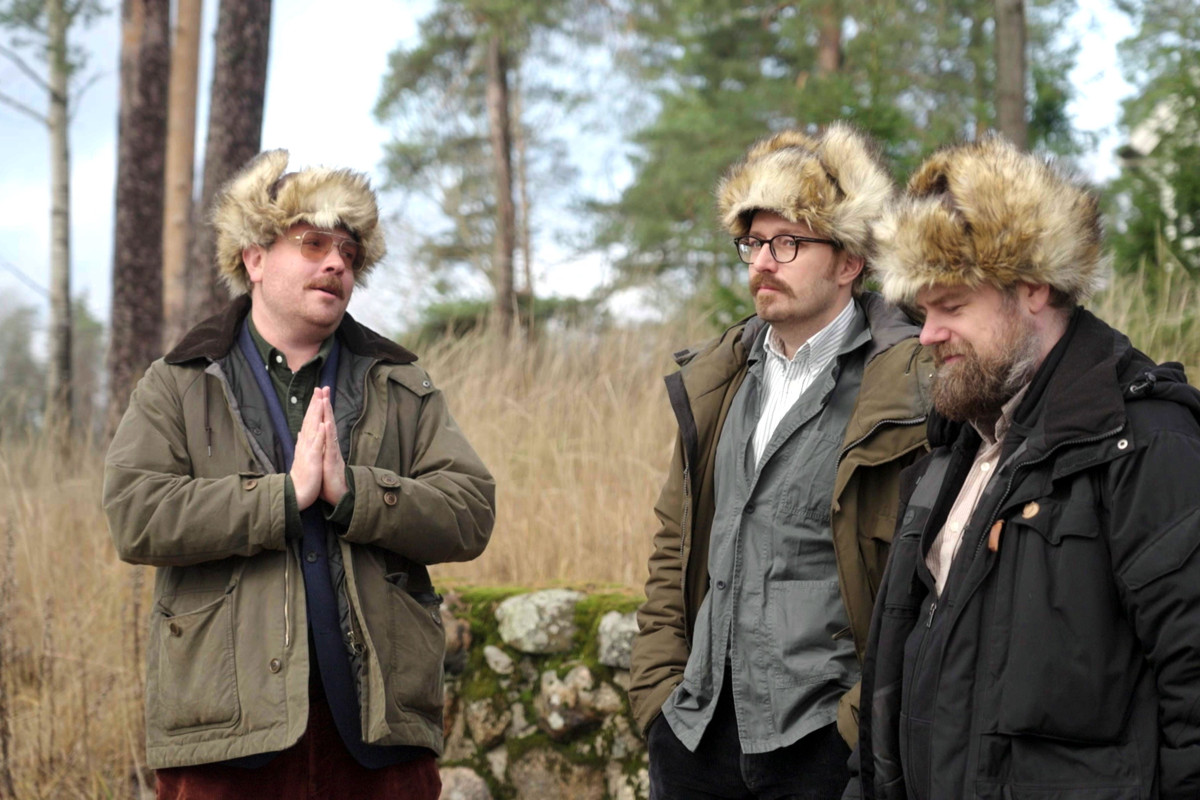
Fjorten afsnit skulle vi ind i en serie, der nu strækker sig over to sæsoner, før nutidsmennesket Allan Gravgaard Madsen fik overbevist sine to medrejsende og et ikke vildt progressivt produktionsselskab om, at det da nok var en meget god idé at aflægge en opera fra dette årtusinde et besøg.
Således når den netop frigivne sæson to af Operarejsen også endelig forbi en kvindelig komponist i det, der ellers hidtil har været renæssancevæsnet Frederik Cilius’ selvtilfredst konservative optegning af det europæiske operaliv. Og tænk engang: Han begejstres, i hvert fald næsten, ganske gevaldigt for opdagelsen af Kaija Saariahos genrebøjende skoleskyderrefleksion Innocence (2018).
Her møder Cilius ikke blot spektrale klangmeditationer, men også et værk, der med akut samtidssnilde sender sine sangere i alle retninger, inklusive snerrende finsk folketone, samtidig med at opsætningen som sådan er så fuld af spændstig dramatik, at selv den ikke længere helt utrænede Rasmus Bruun er ekstatisk, da han kommer ud af operahuset i Helsinki.
Enige bliver de vist nok om, at Saariaho er mere sanselig instrumentalt end vokalt, hvilket er såre sandt, men glædes kan alle tre rejsende – ikke mindst en pludseligt vågen Allan Gravgaard Madsen – over, at samtidsopera faktisk kan være en ekstremt besættende oplevelse.
Halløj for et vendepunkt i den vildt charmerende, men jo også irriterende reaktionære rejseserie. Hvad kan der ikke ske i den sæson tre, som der æggende teases for til slut?
»For us, music is... magic? Aside from the fact that we are huge fans of silence, the closing line of one of our upcoming singles perfectly captures our relationship with music:
'Music feels like magic to me / A superior art form in a marketplace / Trying to find an empty space'.
That is what it can feel like as a songwriter and performing musician. We try to hold onto an almost childlike infatuation with music, yet the art form we work in – alternative-leaning pop-rock – was created and has evolved 'in a marketplace' driven by powerful economic forces. As a romantic, that can sometimes be a bit disheartening...«
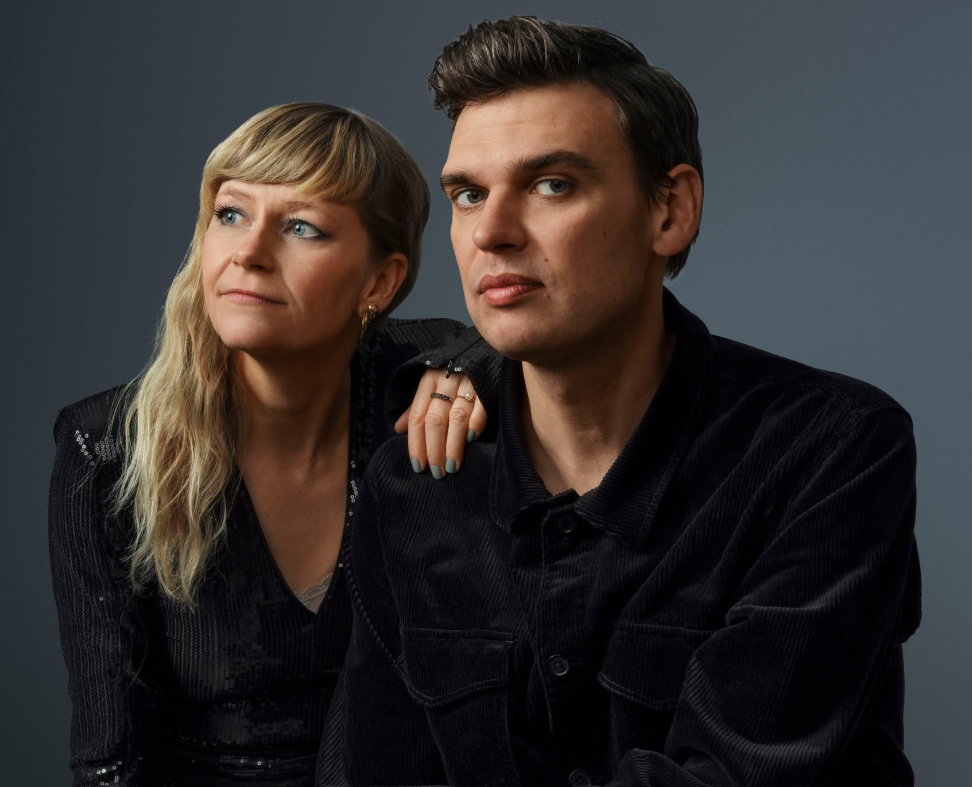
Late Runner consists of Asger Tarpgaard and Tanja Forsberg Simonsen, both formerly of the bands Superheroes and Private.

It was officially confirmed only recently that Icelandic avant-garde star Björk is visiting Bielsko-Biała today. After keeping it under wraps until the last moment, the organizers of the Wędrujący Festiwal (Wandering Festival) have revealed that Björk is the artist closing out the festival's grand finale.
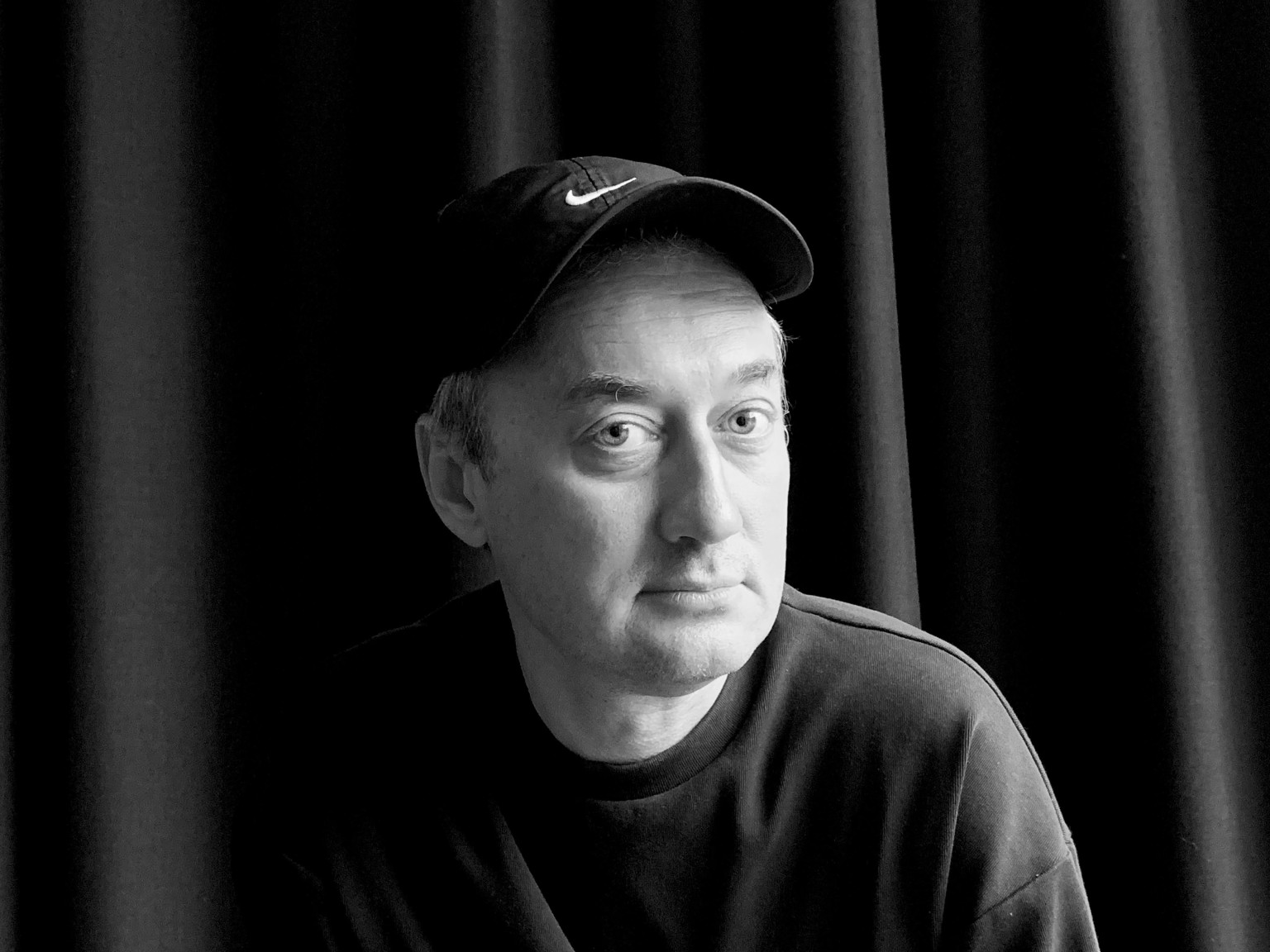
»Recently, I discovered that when a couple of thousand people clap their thick gloves in minus 30 degrees, it sounds like the softest techno – a freezing space where the cold air turns into a wave of warmth, and we, in a moment of collective devotion, become one with the rhythm, one with the invisible bond that connects us in the warmth of silence. Music is not just sounds, but a vain attempt to capture the infinite, which has always been and always will be.«
Andreo Michaelo Mielczarek has been the editor-in-chief of Seismograf since 2021. He is also a music critic and cultural journalist at Kristeligt Dagblad and Århus Stiftstidende/Avisen Danmark and has over the years written to publications such as Kunsten.nu, Glissando (Poland), Neural (Italy), Raw Vision (UK), Nutida Musik (Sweden), Kunstkritikk (DK/Sweden), Iscene.dk, B.T., and Jazz Special. He is the author (together with Lars Muhl) of the book HVA' SAA! En guidet rutsjebanetur gennem Aarhus – før, nu og i fremtiden (2024) and has also contributed to the anthology on music criticism Man skal høre meget (ed. Thomas Michelsen and Claus Røllum-Larsen, 2024). He is a founder and partner in the Polish-Danish cultural organization Kultur(a), and wherever there is a piano, he will be there, eager to coax a melody from it.
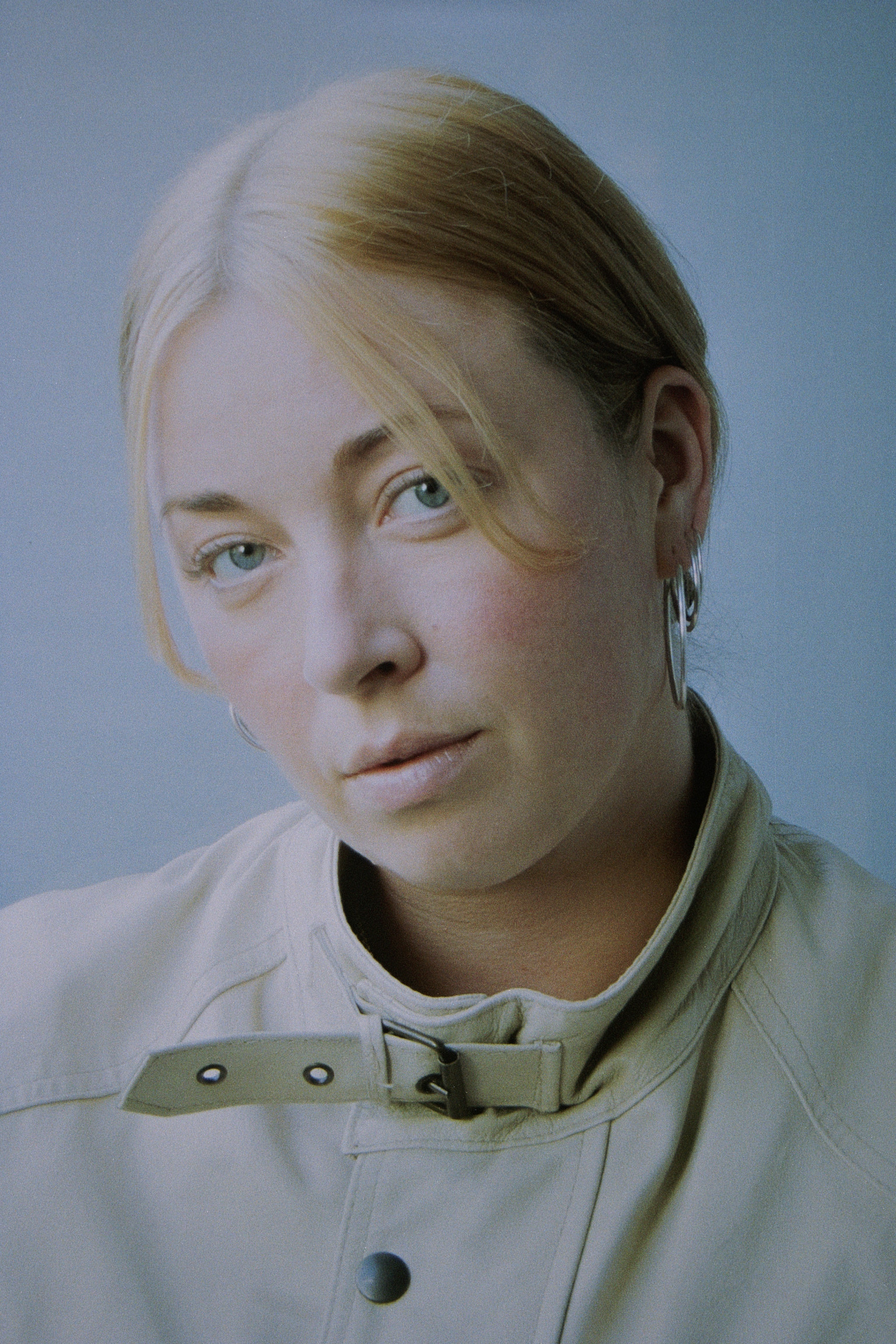
»For me, music is an opportunity for transformation.«
Aria Leth Schütze is based in Copenhagen and is the creative force behind the music projects Alto Aria and Samler På Dig. They are a co-founder of the record label Rhizome and a co-editor of the music magazine Passive/Aggressive. Their practice brings together electronic and acoustic music in an exploration of transformation.