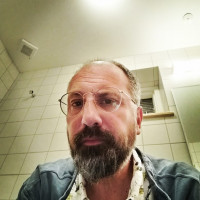
Eivind Buene
10




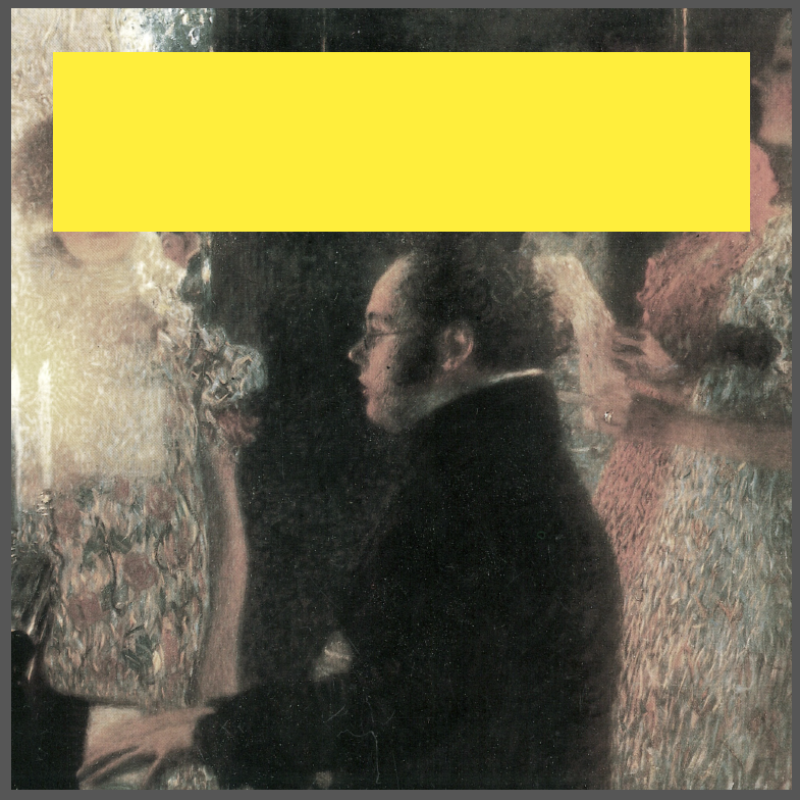
Det er altid en stor risiko at genfortolke klassiske ikoner og trække dem ind på den moderne scene, især hvis man er en prisvindende komponist og musiker af international berømmelse som fx nordmanden Eivind Buene. Klassisk musik har, som alle genrer, sin lille kreds af purister og aficionados, der er prompte til at afvise ethvert forsøg på at flytte de statuer, de elsker, ud af deres mausolæer. Og det er præcis, hvad Buene gør med sit album Schubert Lounge.
Selve titlen annoncerer en uortodoks tilgang til det berømte tyske romantiske musikgeni: en lounge er ikke ligefrem den type rum eller arkitektonisk installation, man umiddelbart ville forbinde med Franz Schubert. Men hvad Buene peger på, er, at Schuberts musik, og specifikt hans sange, de berømte lieder sunget af Kathleen Ferrier og Dietrich Fischer-Dieskau, handler om intimitet, og at de kan høres i dag i den halvt oplyste komfort i en lounge, som de blev det i en salon med levende lys.
Der er ti sange på albummet, alle med deres titler på engelsk og uden det tilsvarende tyske navn. For eksempel »The Sea« og »Beautiful Moon«, som er (meget) kendte som »Am Meer« og »An Den Mond«. Selve sangene er oversat (eller tilpasset) til engelsk, hvilket gør hele projektet til et enestående musikalsk objekt, som totalt dekonstruerer musikhistoriens traditionelle fængselsmure.
Eivind Buenes stemme kan ikke sammenlignes med Ferriers eller Fischer-Dieskaus, og det forsøger den ikke engang. Ved at omarrangere harmonier i moderne dissonanser og erstatte nuancerne med en overraskende flad tone, og nogle gange skifte til sarte højere toner, fortæller Buene os, at klassisk musik ikke er, hvad vi antager, den er: et ubevægeligt monument, der bliver ved med at gentage sig selv. At gøre Schubert til en transnational komponist er et radikalt valg og et ret farligt valg, idet risikoen er at blive til grin, undgået eller, endnu værre, ignoreret. En norsk kunstner, der beslutter sig for at synge tyske lieder fra 1800-tallet oversat til engelsk i 2022 er ikke bare en handling, det er et radikalt manifest. Som Buene har skrevet i en artikel offentliggjort på nettet, »Musik er altid nu i det klingende øjeblik. Musik er på en måde en historie om ufærdigt arbejde.«
Og dette album beviser det absolut.
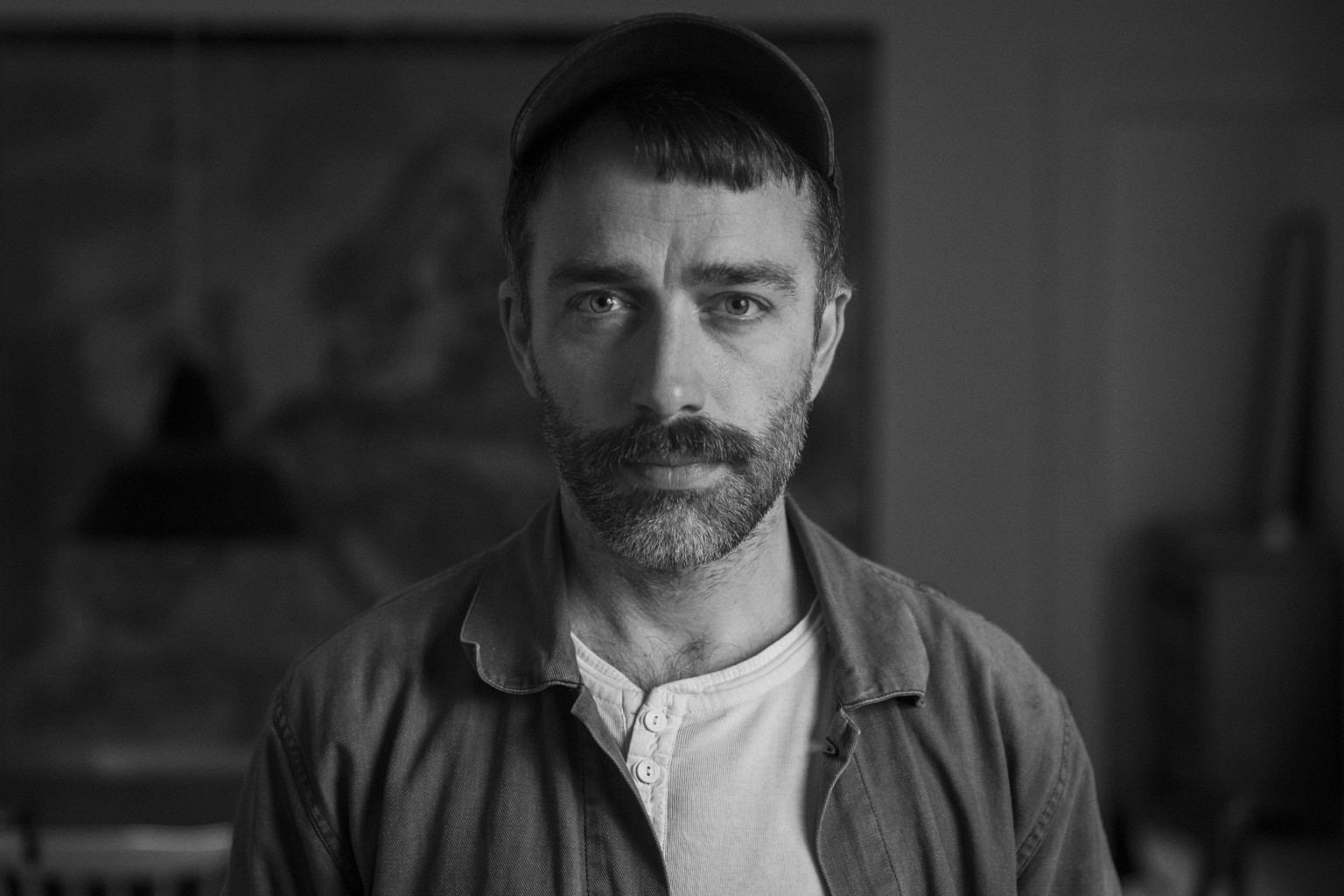
»For me, music is about curiosity and surprises – yet it’s also something in which you can feel right at home. Music resides within us all, in a physical way that sets it apart from any other art form. To me, music is something greater than the individual – something that will always outlive the individual. The good stuff, in other words ;) «
Kaspar Kaae is an award-winning film composer, music producer, and songwriter, known for his work with bands such as CODY and Bug Chaser. He holds a Master’s degree in film composition from SDMK. He has previously been a guitarist in a number of bands on the Danish indie scene, such as CODY, Broken Twin, and Bug Chaser. The latter is releasing the album My First Crippled Love in November. He was born in 1983 on Bornholm, but has lived in Copenhagen and Berlin throughout his adult life.
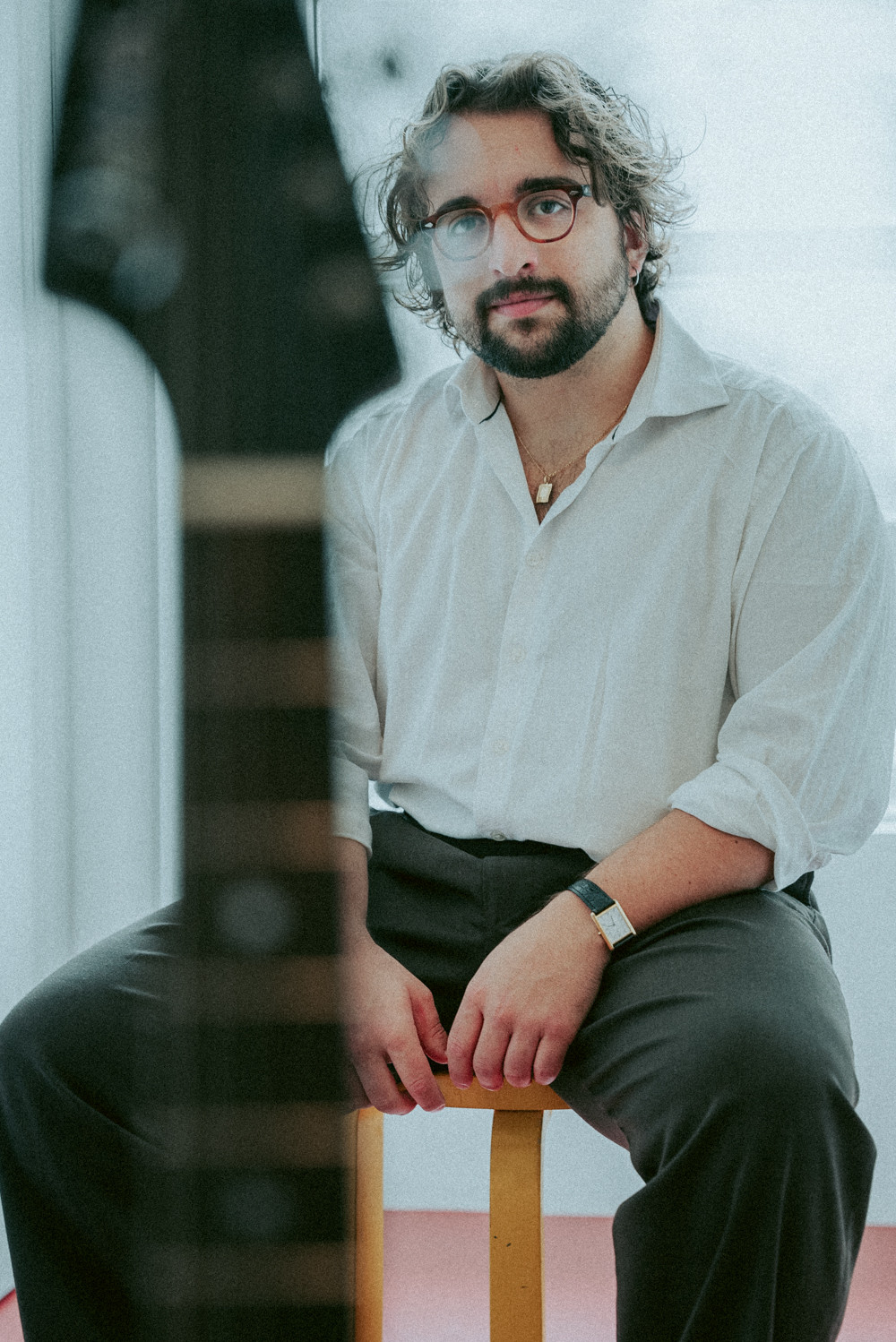
»Music is like a black hole that sucks you in and shoots you out on the other side of the universe.«
Francesco Rista is a guitarist working across classical and electric guitar. His recordings have been reviewed by international music magazines and broadcast on BBC and RAI Radio 3. After studying at the Royal Danish Academy of Music and Lund University, he focused on studio recordings, exploring guitar repertoire from the Baroque and Romantic periods to contemporary music, as well as the instrument’s varied tonal possibilities. Rista is currently based in Iceland, where he teaches guitar, composes music, and collaborates with contemporary composers.

Percussionist and composer David Hildebrandt is honoured for his virtuosic work with new music and his efforts to push the boundaries of what rhythm can be.
David Hildebrandt is among the recipients of this year’s honorary awards from the Wilhelm Hansen Foundation. He receives DKK 200,000 in recognition of his uncompromising work with new music and multi-percussion, as well as his ability to challenge conventional ideas about rhythm.

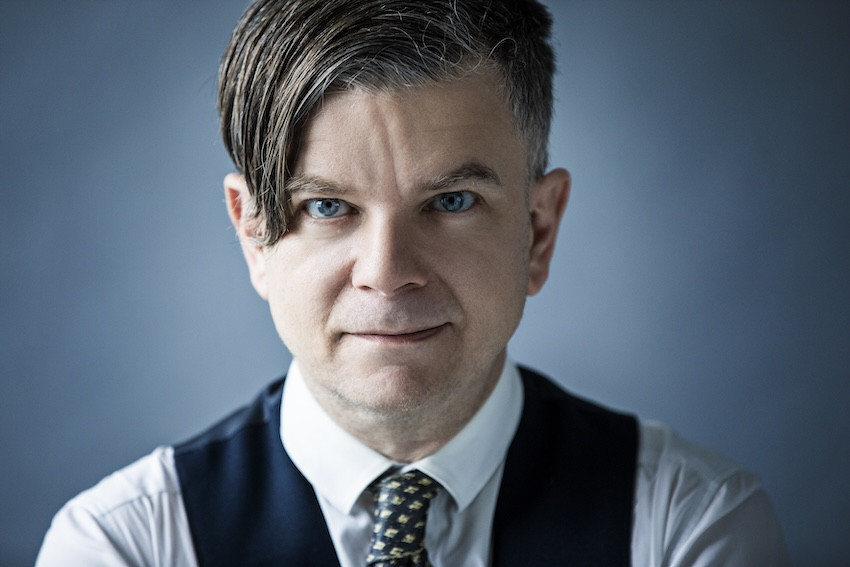
»Who ever said that music is ‘just’ music? To me, it is anything but that: an urge to understand and explain it all. A piece of jewelry I wear every single day. A joy that can, at times, run deep. An ever-changing imprint of millions of stitches in my heart. A longing to disappear.«
Henrik Marstal is a musician, author, and music researcher. He holds a PhD in musicology, is a senior lecturer at the Rhythmic Music Conservatory, and frequently appears in the media as an expert source on music. His areas of interest include contemporary music, such as electronic music. This winter, he will release both a new album with the pop group ibens and a book about Else Marie Pade, published by the British publishing house Bloomsbury.