
Eivind Buene
10




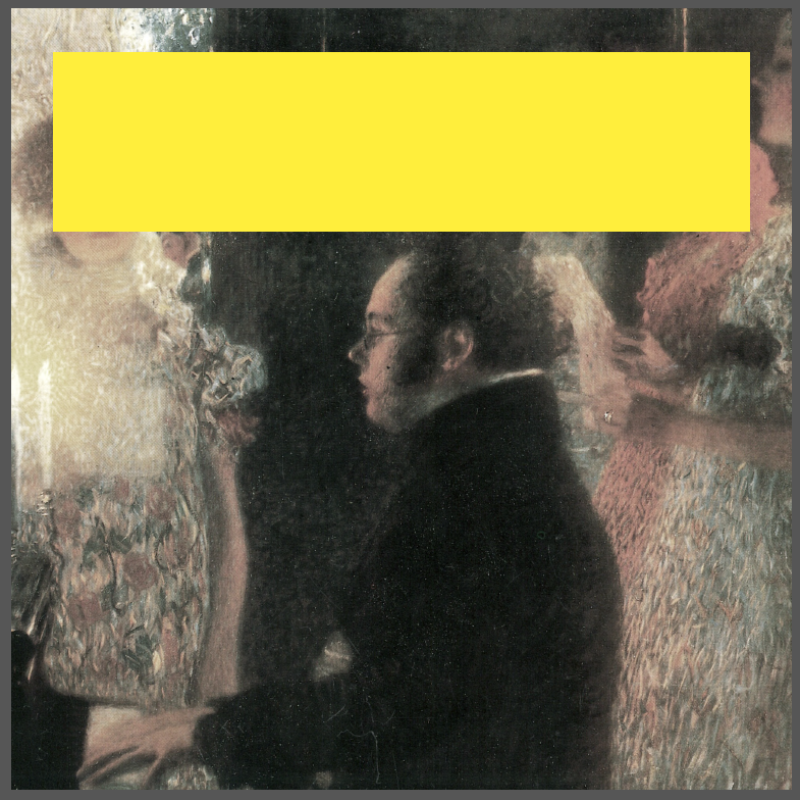
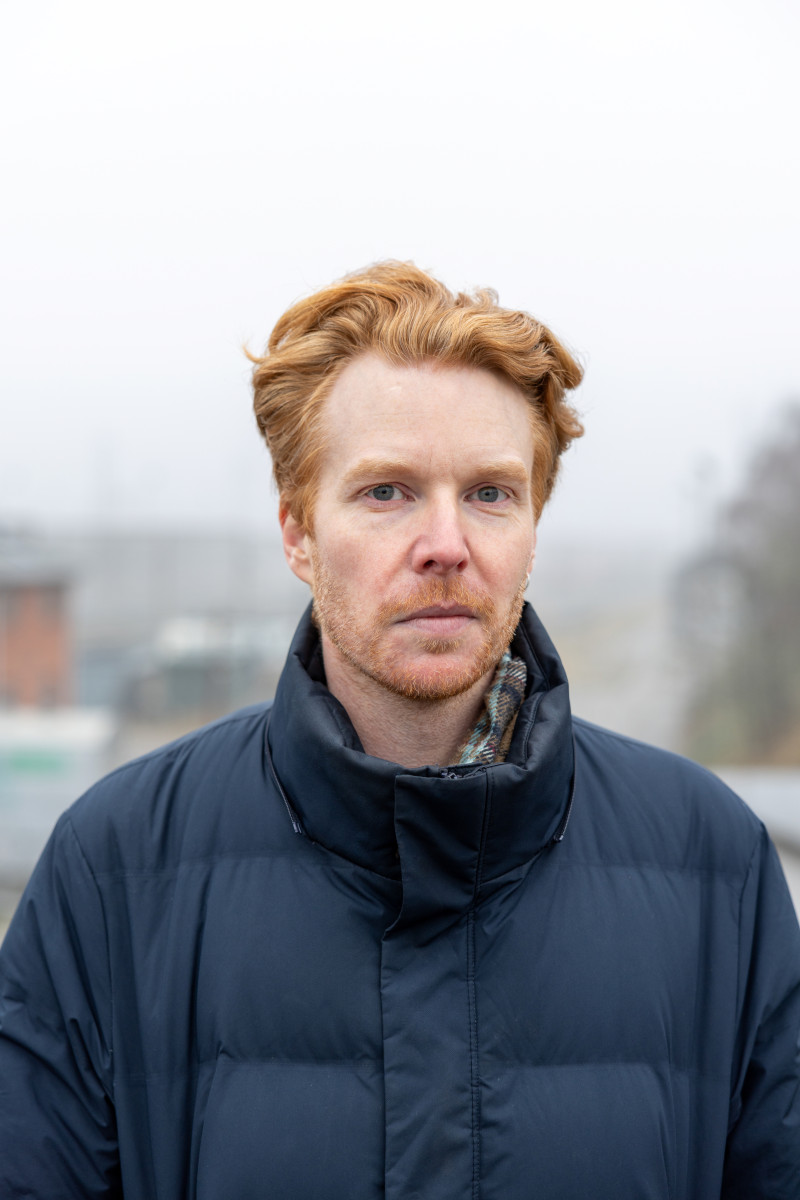
Det er altid en stor risiko at genfortolke klassiske ikoner og trække dem ind på den moderne scene, især hvis man er en prisvindende komponist og musiker af international berømmelse som fx nordmanden Eivind Buene. Klassisk musik har, som alle genrer, sin lille kreds af purister og aficionados, der er prompte til at afvise ethvert forsøg på at flytte de statuer, de elsker, ud af deres mausolæer. Og det er præcis, hvad Buene gør med sit album Schubert Lounge.
Selve titlen annoncerer en uortodoks tilgang til det berømte tyske romantiske musikgeni: en lounge er ikke ligefrem den type rum eller arkitektonisk installation, man umiddelbart ville forbinde med Franz Schubert. Men hvad Buene peger på, er, at Schuberts musik, og specifikt hans sange, de berømte lieder sunget af Kathleen Ferrier og Dietrich Fischer-Dieskau, handler om intimitet, og at de kan høres i dag i den halvt oplyste komfort i en lounge, som de blev det i en salon med levende lys.
Der er ti sange på albummet, alle med deres titler på engelsk og uden det tilsvarende tyske navn. For eksempel »The Sea« og »Beautiful Moon«, som er (meget) kendte som »Am Meer« og »An Den Mond«. Selve sangene er oversat (eller tilpasset) til engelsk, hvilket gør hele projektet til et enestående musikalsk objekt, som totalt dekonstruerer musikhistoriens traditionelle fængselsmure.
Eivind Buenes stemme kan ikke sammenlignes med Ferriers eller Fischer-Dieskaus, og det forsøger den ikke engang. Ved at omarrangere harmonier i moderne dissonanser og erstatte nuancerne med en overraskende flad tone, og nogle gange skifte til sarte højere toner, fortæller Buene os, at klassisk musik ikke er, hvad vi antager, den er: et ubevægeligt monument, der bliver ved med at gentage sig selv. At gøre Schubert til en transnational komponist er et radikalt valg og et ret farligt valg, idet risikoen er at blive til grin, undgået eller, endnu værre, ignoreret. En norsk kunstner, der beslutter sig for at synge tyske lieder fra 1800-tallet oversat til engelsk i 2022 er ikke bare en handling, det er et radikalt manifest. Som Buene har skrevet i en artikel offentliggjort på nettet, »Musik er altid nu i det klingende øjeblik. Musik er på en måde en historie om ufærdigt arbejde.«
Og dette album beviser det absolut.
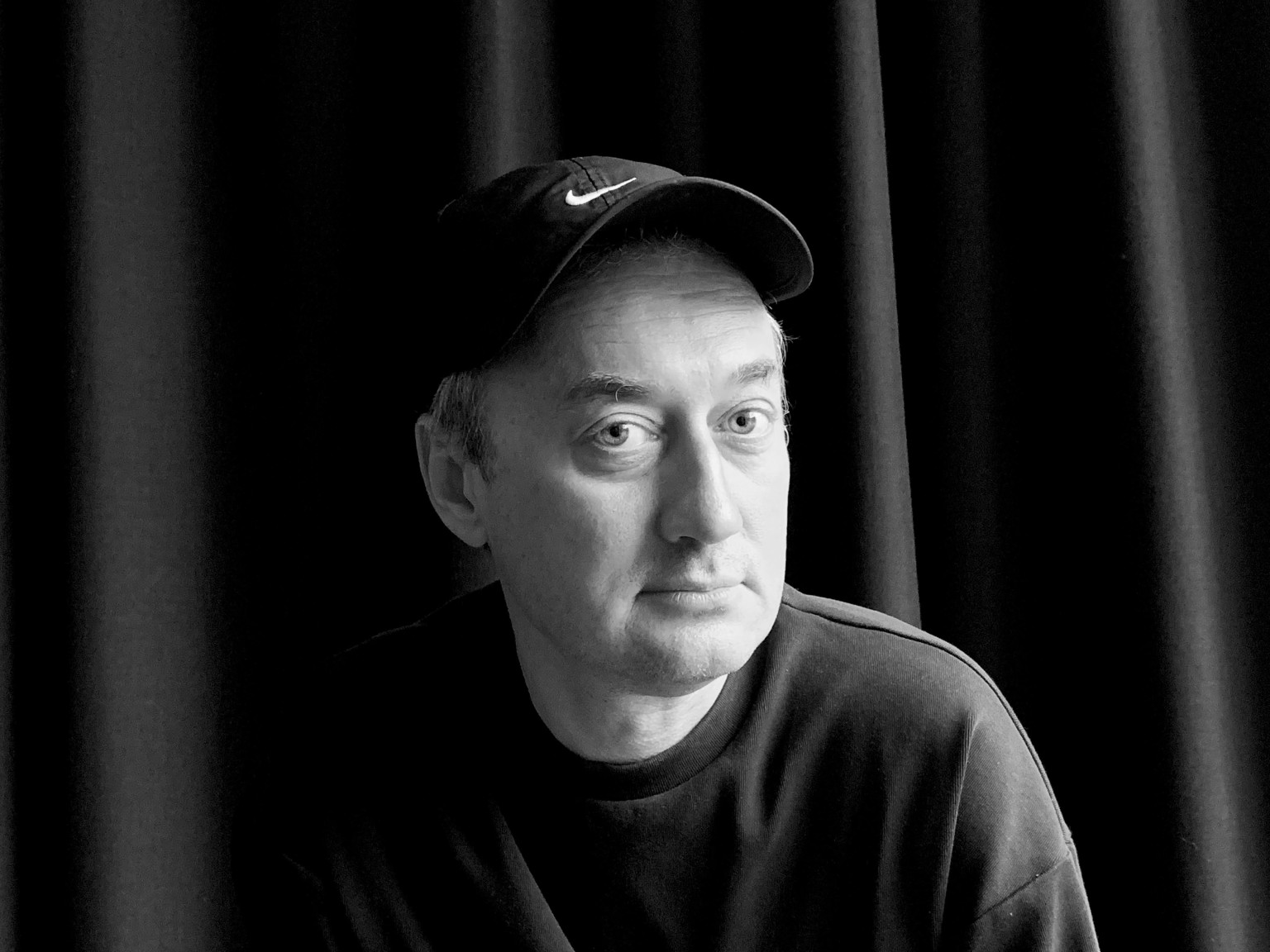
»Recently, I discovered that when a couple of thousand people clap their thick gloves in minus 30 degrees, it sounds like the softest techno – a freezing space where the cold air turns into a wave of warmth, and we, in a moment of collective devotion, become one with the rhythm, one with the invisible bond that connects us in the warmth of silence. Music is not just sounds, but a vain attempt to capture the infinite, which has always been and always will be.«
Andreo Michaelo Mielczarek has been the editor-in-chief of Seismograf since 2021. He is also a music critic and cultural journalist at Kristeligt Dagblad and Århus Stiftstidende/Avisen Danmark and has over the years written to publications such as Kunsten.nu, Glissando (Poland), Neural (Italy), Raw Vision (UK), Nutida Musik (Sweden), Kunstkritikk (DK/Sweden), Iscene.dk, B.T., and Jazz Special. He is the author (together with Lars Muhl) of the book HVA' SAA! En guidet rutsjebanetur gennem Aarhus – før, nu og i fremtiden (2024) and has also contributed to the anthology on music criticism Man skal høre meget (ed. Thomas Michelsen and Claus Røllum-Larsen, 2024). He is a founder and partner in the Polish-Danish cultural organization Kultur(a), and wherever there is a piano, he will be there, eager to coax a melody from it.
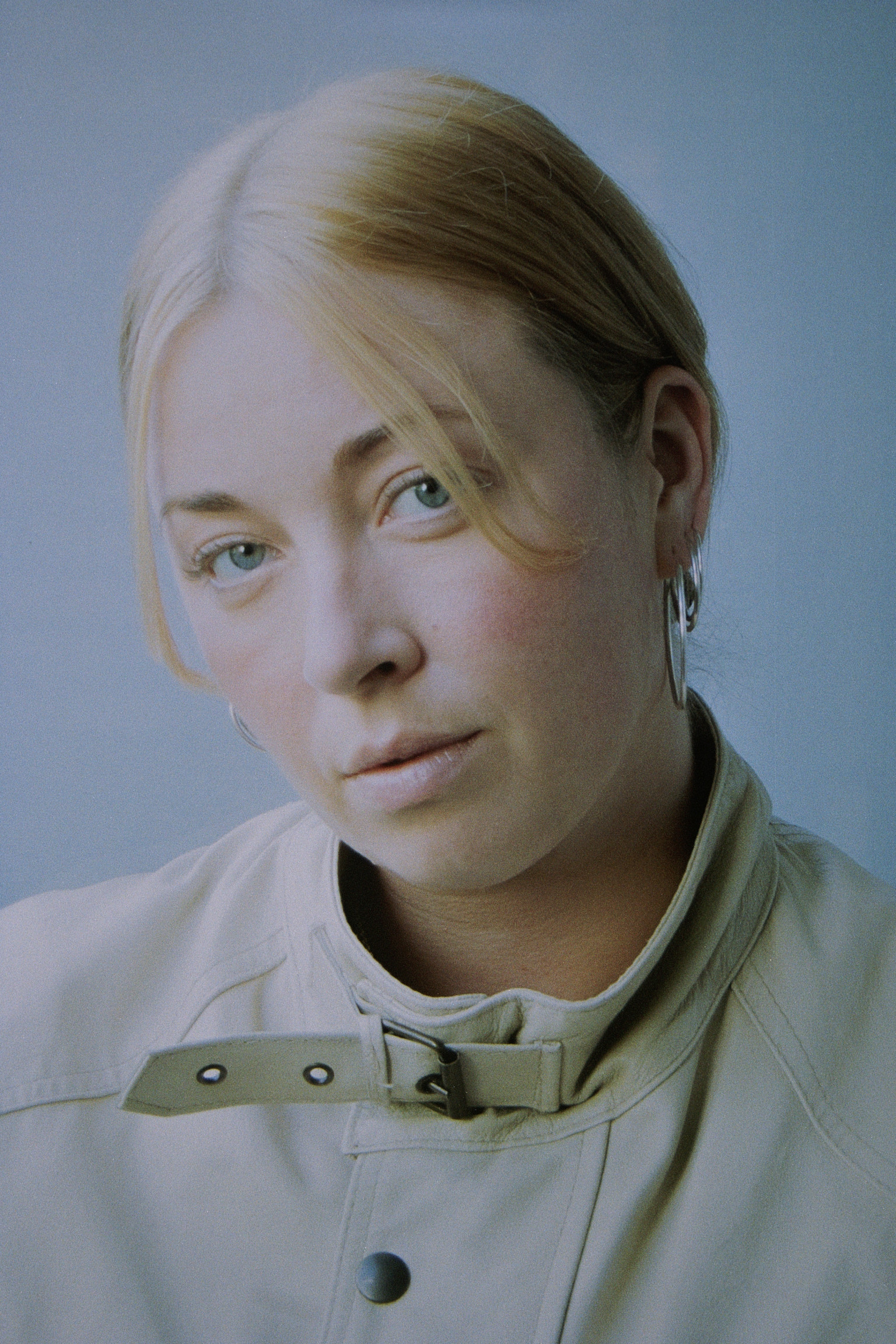
»For me, music is an opportunity for transformation.«
Aria Leth Schütze is based in Copenhagen and is the creative force behind the music projects Alto Aria and Samler På Dig. They are a co-founder of the record label Rhizome and a co-editor of the music magazine Passive/Aggressive. Their practice brings together electronic and acoustic music in an exploration of transformation.
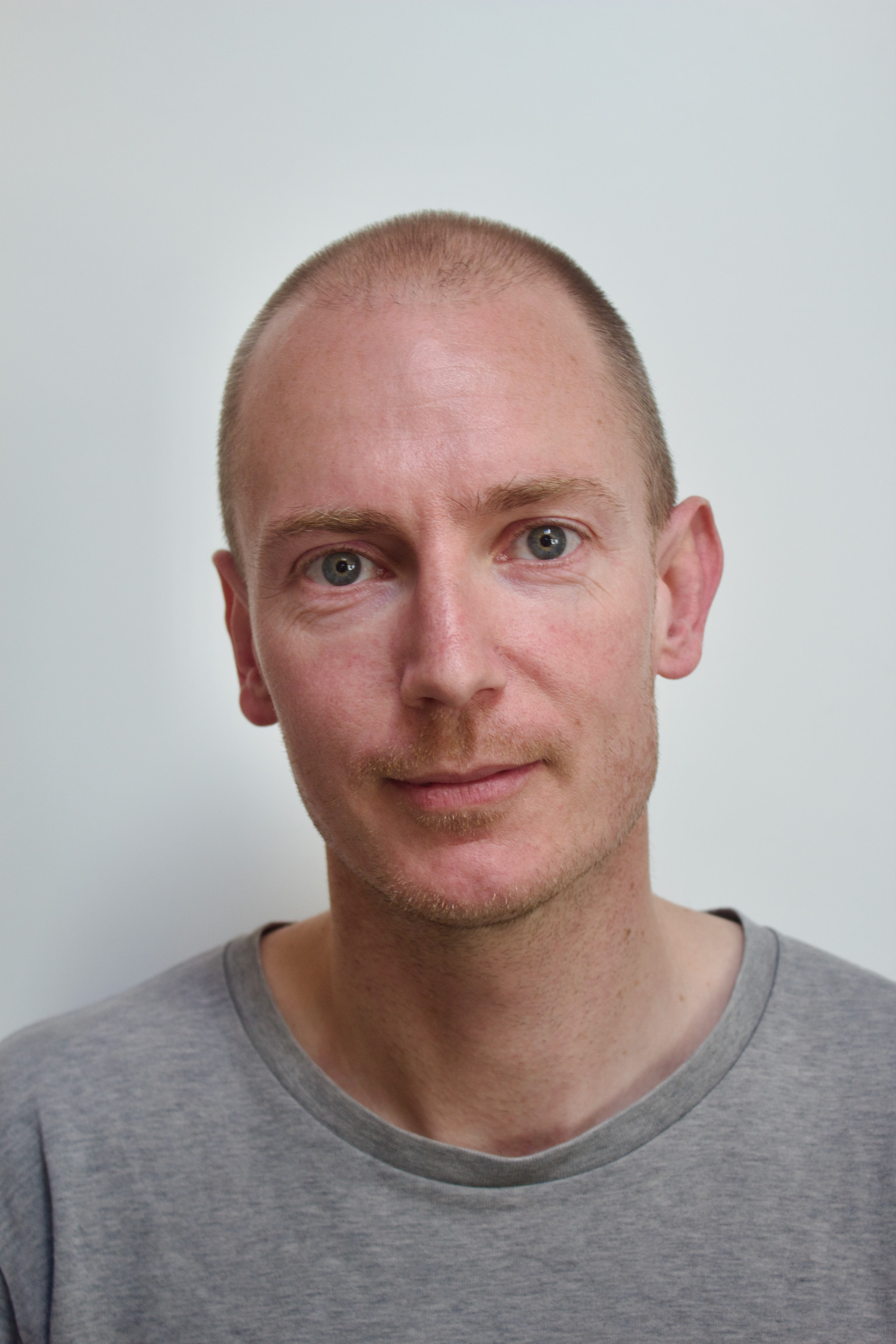
»For me, music is the art form that – if measured in hours and minutes – occupies by far the greatest part of my life. I cannot sing, nor can I play an instrument, but I can listen – as a happy amateur – while cycling, on the dance floor, and, above all, at the office. I almost always work – that is, write – to music.«
Mikkel Krause Frantzen (b. 1983) is an associate professor at the Department of Arts and Cultural Studies, a literary critic for Politiken, and the author of several books in English and Danish, such as En fremtid uden Fremtid (2018), Klodens Fald (2021), and Slutspil (2024).

Last year, Builder released Poor_in_Spirit, an album in which he explored, on his own, the sonic possibilities of his self-built organ. It was an album shaped by this exploration, but ultimately also by the limitations of the organ itself. On Although Changed, I Arise the Same, the composer finds a way beyond them.
The organ is now joined by three additions: Builder’s own alto saxophone, along with the voices of Zola Mennenöh and Johanna Sulkunen. It makes all the difference, providing the diversity of instrumentation that Builder has repeatedly demonstrated his ability to compose for. At times, the organ’s bass sinks beneath the voices and saxophone like a light haze; at others, it envelops them in a heavy fog. It howls like wind in the trees and roars like a train in the night. Mennenöh and Sulkunen sing, chant and breathe simple, repetitive phrases about spiritual uncertainty and searching, as though lost in the dark forest of doubt.
It is a Spartan form of storytelling, giving the listener enough lyricism and atmosphere to set the mind in motion, but never so much that it becomes overwhelming. This is where Builder’s strength lies: his music clearly grows out of his life and experiences, yet he composes in such a way that the listener is invited to enter the story with their own imagination.
Builder determines the colours, but leaves part of the picture to the listener. It is an album that is far more restrained in its dramaturgy than previous releases. No less beautiful or inspiring for it.
English translation: Andreo Michaelo Mielczarek